Let's cut right to the chase. If you're asking this question, you're probably standing in a rental shop, looking at an extra $15 charge on your bill, and wondering if it's just another tourist tax. Or maybe you're an experienced skier who's never worn one and feels fine. The short, blunt answer is yes, you absolutely should wear a helmet. But the real, nuanced conversation about ski helmet safety is far more interesting than a simple yes or no. It's about laws you might not know, statistics that might surprise you, and a few critical mistakes even seasoned skiers make when choosing head protection.
I've been skiing for over 15 years, from icy East Coast groomers to deep powder in the Rockies. I've seen the culture shift from beanies to helmets. I've also seen the aftermath of a bad fall where a helmet cracked instead of a skull. That experience changed my perspective from seeing it as optional gear to non-negotiable equipment, like ski bindings.
What You'll Find in This Guide
The Law and Your Liability: Where It's Mandatory
First things first: check the local rules. This isn't just about personal choice anymore. An increasing number of jurisdictions and resorts have made helmets mandatory for certain groups, and ignorance won't get you out of a fine or being denied lift access.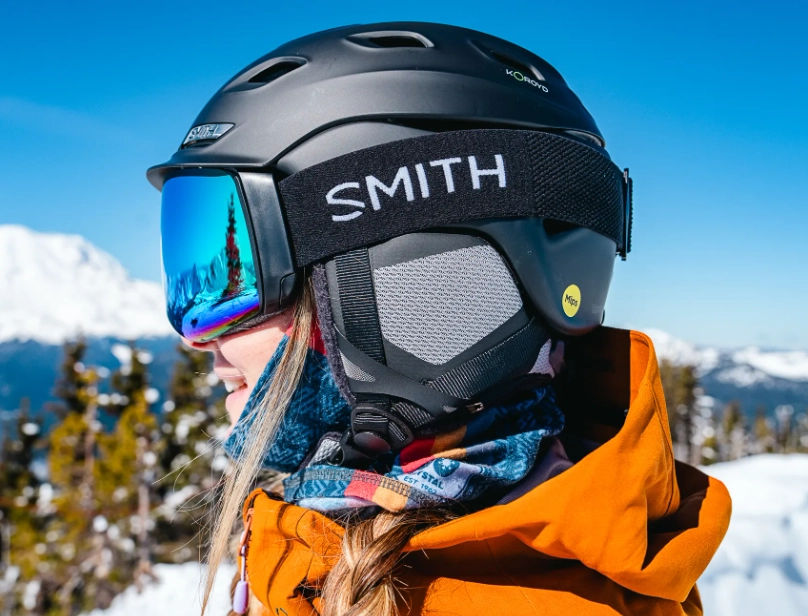
In the United States, there is no federal law requiring helmets for skiers and snowboarders. However, control shifts to the state and resort level.
- New Jersey requires helmets for skiers and snowboarders under 18.
- California requires them for minors under 18.
- Many individual resorts, like Vail and Beaver Creek in Colorado, mandate helmets for all employees and for children in ski school programs. While they may not stop an adult from riding without one, the signage and culture strongly enforce the expectation.
The picture changes dramatically in Europe. Italy made helmets compulsory for minors under 14 in 2005. In Austria, while not a national law, several regions (like Styria and Lower Austria) require helmets for children and teenagers. Always check the specific resort's website under "safety rules" before you go.
Here’s the legal kicker many don't consider: liability waivers. When you buy a lift ticket, you sign away your right to sue the resort for most injuries. But if you're in a collision with another skier and you weren't wearing a helmet while they were, your potential compensation in a civil case could be severely reduced under "comparative negligence" laws. A court or insurance adjuster could argue you failed to take a basic safety precaution, making you partially at fault for the severity of your own head injury.
Bottom Line: Even if the law doesn't force you, the financial and legal risks of skiing without a helmet have grown. It's no longer just about personal risk tolerance.
Beyond the Law: The Cold, Hard Stats on Head Injuries
Let's talk numbers, because feelings are one thing, but data is another. The National Ski Areas Association (NSAA) in the U.S. has been tracking this for years.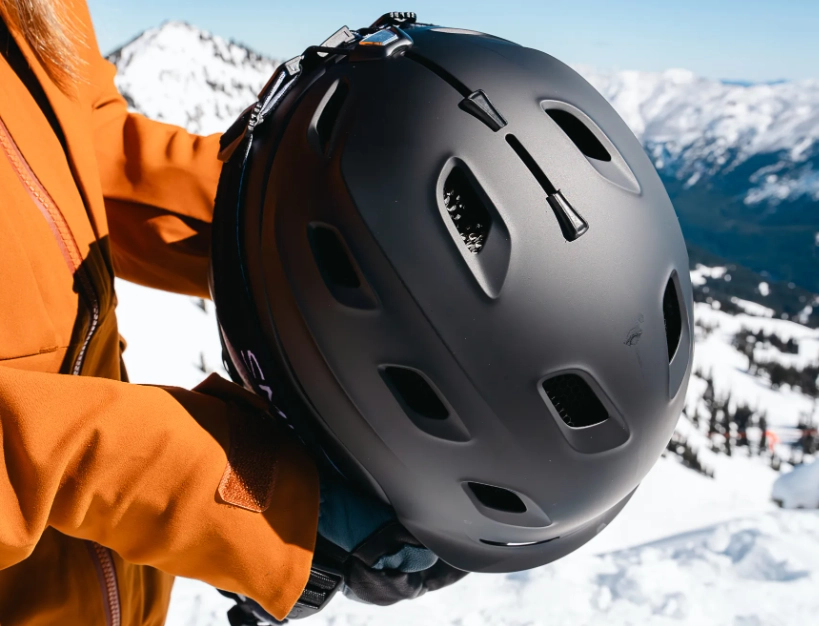
Their data shows that helmet usage has skyrocketed from about 25% of skiers and snowboarders in 2002 to over 80% today. That's a huge cultural shift. During that same period, the overall rate of reported serious head injuries has remained relatively flat or seen only modest declines. This fact is often misused by helmet skeptics who say, "See, helmets don't work!"
That's a profound misunderstanding. Here’s what's really happening:
- More people are skiing faster and in more challenging terrain (thanks, shaped skis and terrain parks). The inherent risk has gone up.
- Helmets are highly effective at preventing scalp lacerations and minor skull fractures—the most common head injuries. These often don't get counted as "serious" in the stats that make headlines.
- The most important statistic: NSAA data indicates that wearing a helmet can reduce the risk of a serious head injury by 30-50%. Think about that. Flipping a coin to decide if you wear a helmet is literally playing with a 30-50% higher risk of a life-altering brain injury.
A study published in the Journal of Trauma and Acute Care Surgery found that helmeted skiers were significantly less likely to suffer intracranial hemorrhage (bleeding in the brain) after a collision.
The point isn't that helmets make you invincible. They don't prevent concussions from all impacts, and they offer zero protection against spinal injuries. Their job is to absorb and distribute the force of a blow. In a high-speed crash with a tree, the outcome may be tragic regardless. But in the vast majority of falls and collisions—the ones that happen on intermediate runs, in lift lines, or from catching an edge—a helmet is the difference between a scary story and a hospital stay.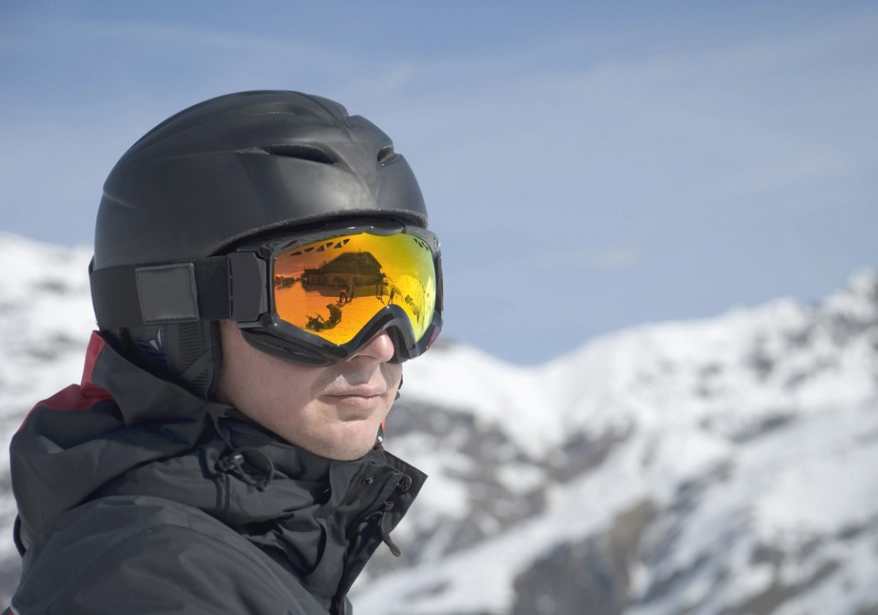
How to Choose a Helmet That Actually Protects You
Okay, so you're convinced you need one. Now, buying or renting the right one is critical. A poorly fitted helmet is almost as bad as no helmet. This is where most people go wrong.
Forget brand names and flashy graphics first. Start here:
1. Certification: The Non-Negotiable Stamp
Look inside the helmet for a certification label. In North America, the standard is ASTM F2040 or CE EN 1077 in Europe. This means the helmet has been tested to withstand specific impacts. If it doesn't have this, it's a novelty item, not safety equipment. Many bike helmets are not certified for snow sports impacts.
2. Fit is Everything (Seriously)
This is the expert tip most miss. Your helmet should be snug but not painful. Use a soft tape measure: wrap it around your head about an inch above your eyebrows. That's your size in centimeters.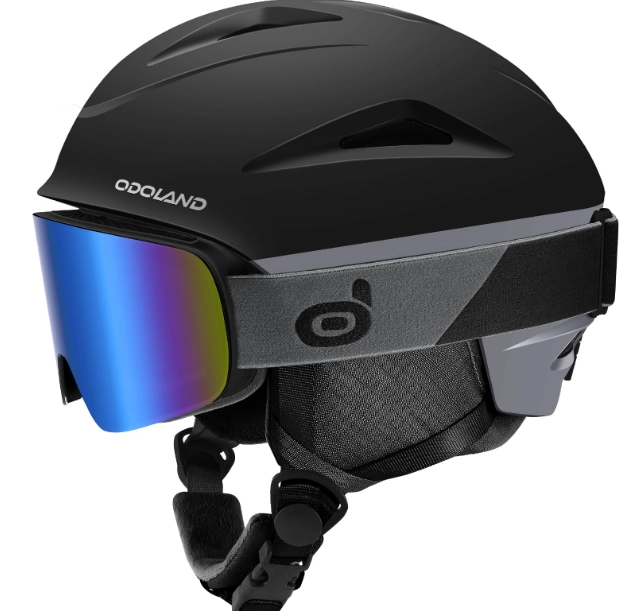
When you try it on:
- It should sit level on your head, covering your forehead.
- With the straps undone, shake your head side to side and up and down. The helmet should move with your skin, not slide over it.
- Buckle the chin strap. You should only be able to fit one, maybe two fingers between the strap and your chin. If you can yawn and pop the buckle open, it's too loose.
Rental shop pro-tip: Don't just grab a medium. Take the time to measure and try a few. A loose rental helmet is a useless rental helmet.
3. Type and Features: What's Worth Your Money?
| Type | Best For | Key Features | Price Range |
|---|---|---|---|
| Hard Shell | All-mountain, aggressive skiers, park riders. | Durable ABS plastic outer shell. Excellent impact protection from sharp objects (rails, rocks). Heavier. | $80 - $250+ |
| In-Mold | Most recreational skiers, those who prioritize light weight. | Lightweight. EPS foam liner bonded to a thin plastic shell. Great for impact dispersion. Less durable against scrapes. | $100 - $300+ |
| Hybrid | Those who want a balance of weight and durability. | Combines in-mold construction with hard shell reinforcements in key areas (back, sides). | $150 - $350+ |
Essential features to consider:
Ventilation: Adjustable vents are crucial. You heat up on the climb, cool down on the descent.
Audio Compatibility: Many have built-in pockets for speakers. Don't use earbuds that block ambient noise (like other skiers yelling "on your left!").
Goggle Clip: A simple strap at the back to keep your goggles in place. Low-tech but invaluable.
The 3 Biggest Mistakes Skiers Make With Helmets
After a decade on the slopes, I see these errors constantly.
Mistake #1: Wearing a Beanie Underneath. This is a major one. That cozy beanie creates a slippery layer between your head and the helmet's fit liner. In a crash, the helmet can shift, exposing the part of your head it was meant to protect. If you're cold, get a helmet with a built-in, removable liner or wear a thin, moisture-wicking skull cap designed for the purpose.
Mistake #2: Treating It Like a Lifetime Purchase. Helmets have a lifespan. The EPS foam that absorbs impact compresses microscopically over time, even without a crash. Most manufacturers recommend replacing your helmet every 3-5 years. If you take a significant hit, replace it immediately, even if it looks fine. The integrity is compromised.
Mistake #3: The "It Makes Me Look Bad" or "It's Uncomfortable" Excuse. This was valid in 2005 with bulky, poorly ventilated models. Modern ski helmets are sleek, warm (warmer than a beanie because they cut the wind), and comfortable. The discomfort people feel almost always comes from a poor fit. Spend the time to get it right.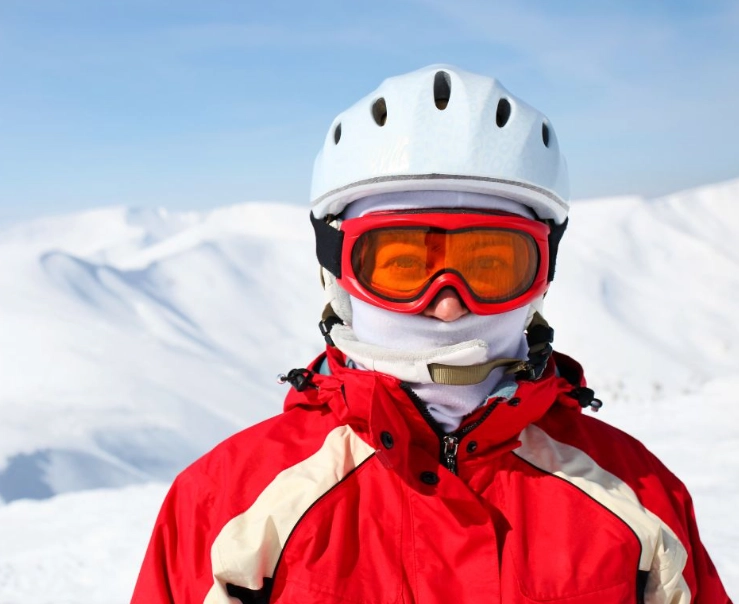
Your Top Helmet Questions, Answered
So, back to the original question: Do you really need a helmet to ski? Legally, maybe. Statistically, undoubtedly. Practically, it's the single most impactful piece of safety gear you can put on after your common sense. It won't make you a better skier, but it dramatically increases the odds that you'll be a skier again next season. Rent one, buy one, but most importantly, wear one—and wear it right.