You're packing for your ski trip, and the question pops up: should I buy a ski helmet or just rent one at the resort? I've been there. For years, I rented. It was easy, cheap upfront, and one less thing to pack. Then, on a cold day in Whistler, I spent 20 minutes trying to find a rental helmet that didn't give me a headache. It smelled faintly of disinfectant and someone else's sweat. That was the day I decided to buy my own. Let's cut through the noise. For most people who ski more than once a season, buying your own helmet isn't just worth it—it's a game-changer for comfort, hygiene, and safety. But let's break down exactly why, and for whom renting might still make sense.
What You'll Find in This Guide
The Uncomfortable Truth About Rental Helmets
Rental shops do their best, but there are inherent limitations. The helmet you get is designed to fit a wide range of heads, not *your* head.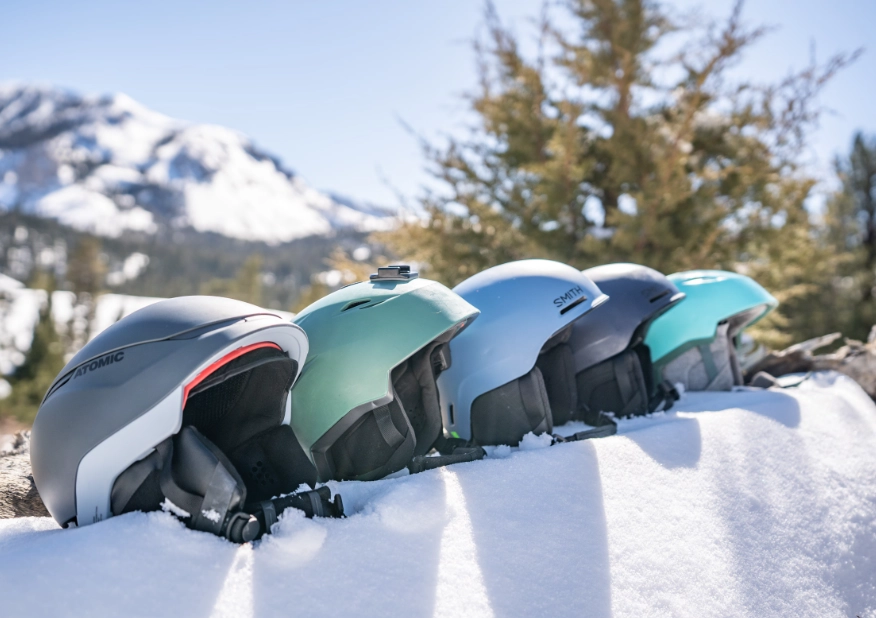
The Fit Problem. A proper ski helmet should fit like a firm, even hug all around your head. No pressure points, no wobble. Rental helmets often use a basic dial-fit system at the back. This adjusts circumference but does nothing for the shape—the oval-round-oval spectrum that determines real comfort. If you have an oval head and get a round helmet, you'll feel pressure on the sides. It's distracting and can cause a headache by lunchtime.
The Hygiene Question. Yes, they sanitize the liners. But think about what that liner absorbs over a season: sweat, oils, hair products. The foam inside the helmet is porous. While major rental operations use antimicrobial liners, the feel of a liner that's been worn by hundreds of people is... different. I've had friends with sensitive skin or scalp conditions who always break out after using rental gear.
Unknown History. This is the big one that safety experts whisper about. A helmet is designed for a single major impact. The polycarbonate shell can have hidden cracks, and the EPS foam liner compresses permanently upon impact. A rental helmet could have been dropped from a chairlift, slammed in a car door, or taken a minor fall that compromised its integrity without any visible signs. You're trusting your most important piece of safety gear to a complete unknown. Organizations like the International Ski Federation (FIS) mandate helmet use in competition for a reason, and they certainly don't share them.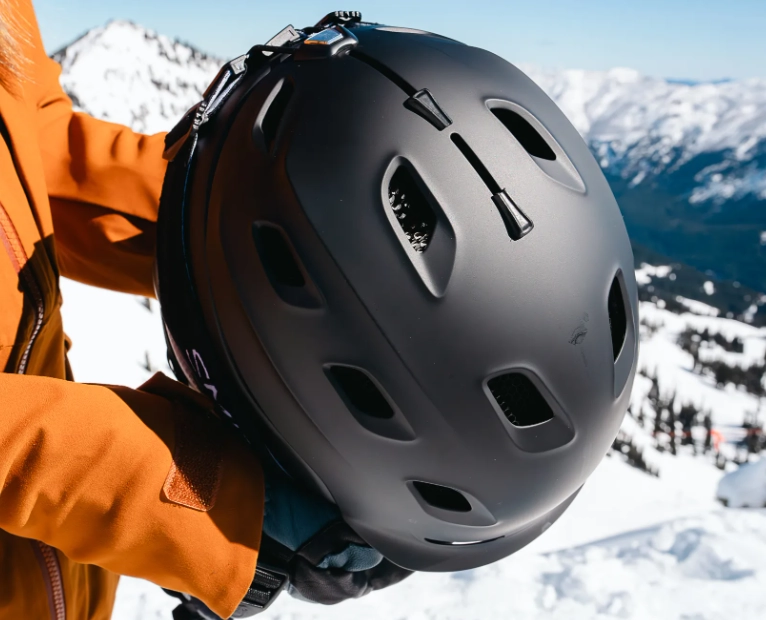
Why Owning Your Helmet Wins (Beyond Safety)
Safety is the non-negotiable baseline. But the benefits of ownership go much further.
Perfect, Personalized Fit
You can try on dozens of models to find the brand whose shell shape matches your head. Brands like Giro tend to be more oval, Smith more round. You can also get helmets with customizable padding kits—different thickness cheek pads, crown pads, and even different liner materials. This is the difference between 'it fits okay' and forgetting you're even wearing it.
Integrated Technology & Comfort Features
Ownership unlocks features that massively improve the experience.
Audio Integration. Helmets with built-in pockets for speakers (like those from Outdoor Technology or compatible with brands like Aleck) let you listen to music, take calls, or chat with your group via radio—all without compromising warmth or needing bulky headphones under your helmet.
Superior Ventilation. Higher-end helmets have sophisticated venting systems you can open and close with gloves on. Stuck on a slow chairlift on a sunny day? Open the vents. Dropping into a cold, windy bowl? Close them. Rental helmets usually have fixed, basic vents.
Goggle Integration. A proper helmet has a goggle clip or a brim designed to work seamlessly with goggles, eliminating the dreaded "gap" that lets in snow and cold air.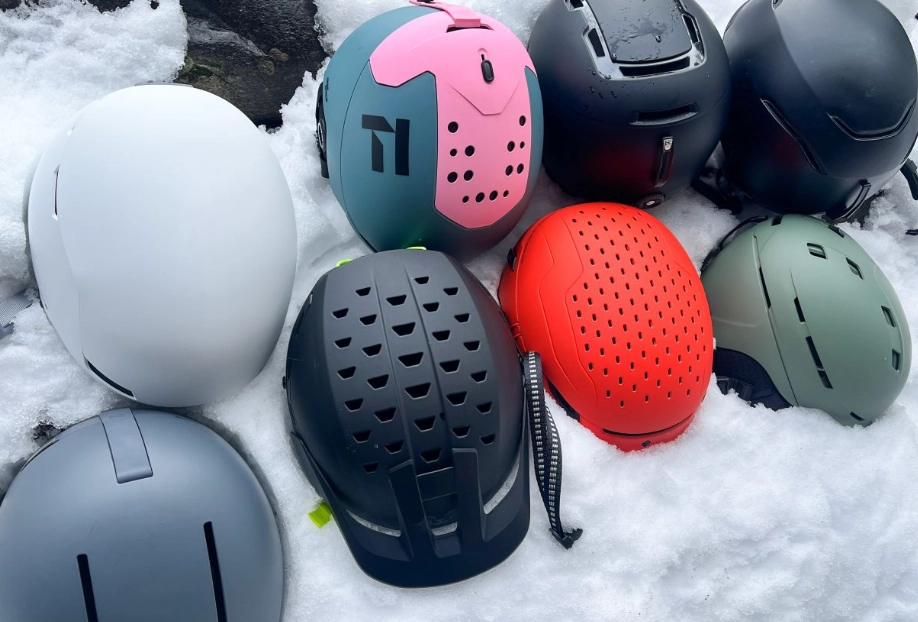
Hygiene and Familiarity
It's yours. It smells like you (or your favorite detergent). You know its history. There's a psychological comfort in strapping on a piece of gear you trust implicitly.
The Real Cost Analysis: Rental Fees vs. Purchase Price
Let's talk numbers, because this is where many people get stuck on the "worth it" question. It's not just the sticker price of a new helmet versus a $10 daily rental.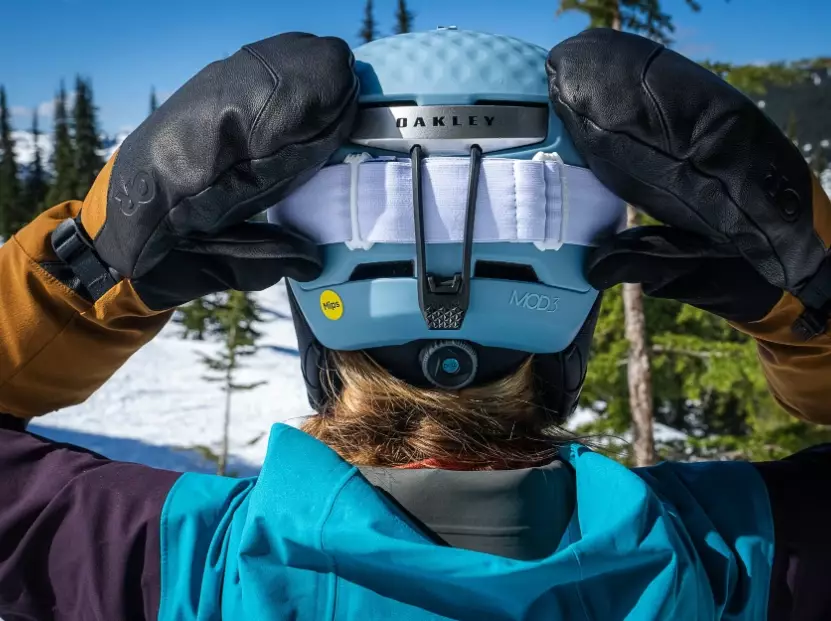
| Scenario | Cost Over 5 Days | Cost Over 3 Trips (15 days total) | What You Get |
|---|---|---|---|
| Premium Rental ($15/day) |
$75 | $225 | Basic fit, unknown history, shared liner. |
| Mid-Range Purchase ($150 one-time) |
$150 (but owned) | $150 (saved $75) | Perfect fit, known history, your own liner, audio ready, great vents. |
| Budget Purchase ($80 one-time) |
$80 (but owned) | $80 (saved $145) | Good fit, known history, your own liner, basic features. |
The break-even point is surprisingly fast. If you ski for one week a year, a $150 helmet pays for itself in two seasons compared to premium rentals. A budget helmet pays for itself in one good trip. And you own an asset you can use for 3-5 years (manufacturers generally recommend replacing helmets every 5 years due to material degradation, even without impacts).
Don't forget the hidden cost of rental time. That 20-minute line at the rental shop on your first morning? That's a run you're not taking.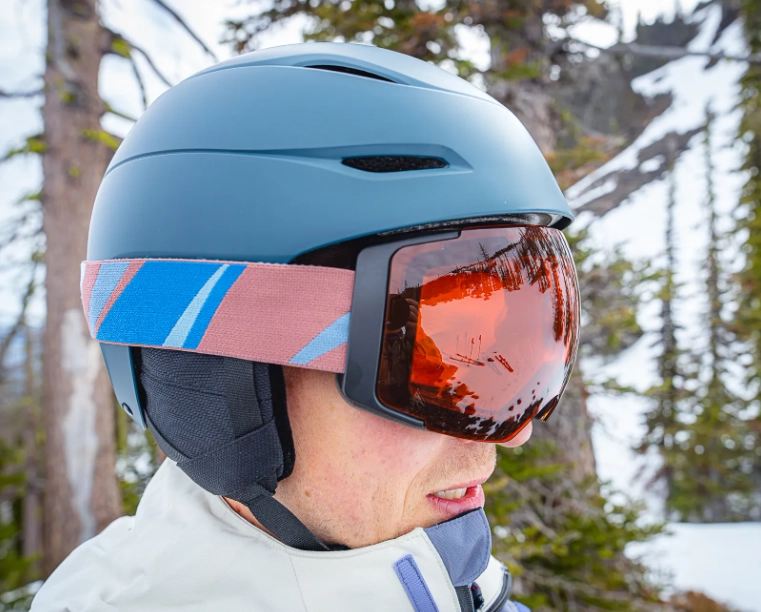
How to Choose the Right Ski Helmet for You
If you're convinced, here's how to buy smart. Skip the flashy graphics and focus on this.
1. Fit is Everything. Measure your head circumference just above your eyebrows. Then go to a store and try on everything. Wear it for at least 5 minutes in the shop. It should be snug but not painful. Shake your head side to side and nod vigorously—it shouldn't shift. The front rim should sit about an inch above your eyebrows.
2. Understand Safety Certifications. Look for a sticker inside for ASTM F2040 or CE EN 1077. These are the key ski helmet safety standards in the US and Europe. Some helmets also have a MIPS liner (Multi-directional Impact Protection System), which is a low-friction layer designed to reduce rotational forces on the brain in an angled impact. It's a worthwhile technology, especially if you're an aggressive skier.
3. Match It to Your Goggles. Bring your goggles or buy them together. The combo should create a seal with no forehead gap. Many brands design helmets and goggles to work together (Giro & Smith, for example).
4. Prioritize Features You'll Use. Are you a music person? Get audio-ready. Run hot? Prioritize venting. Ski mostly in cold, windy conditions? Look for fewer, adjustable vents and good insulation.
The One Thing to Splurge On: Fit and comfort. A $300 helmet that hurts is worse than a $100 helmet that disappears on your head.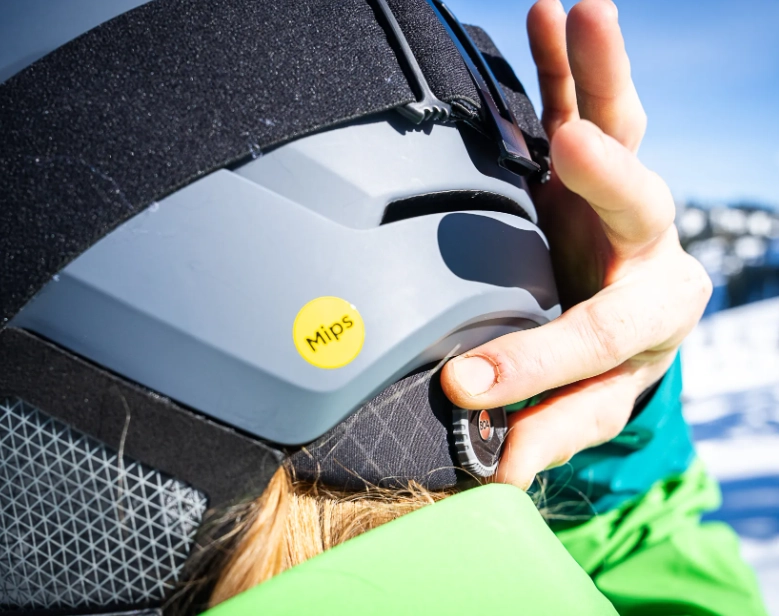
Your Helmet Questions, Answered
So, is it worth buying your own ski helmet? If you see yourself on the slopes more than a couple of days every season, the answer is a resounding yes. The combination of guaranteed safety, superior comfort, long-term cost savings, and just plain enjoying your day more makes it one of the most sensible investments in your ski kit. Skip the rental line, strap on your own familiar, perfectly fitting lid, and push your first tracks into the snow with one less thing to worry about.