You're packing up after a great day, and there it is—a nasty white line or, worse, a deep gouge staring back from your ski's base. That sinking feeling is universal. A damaged base isn't just cosmetic; it's like driving a car with a flat tire. It kills glide, catches on snow, and can let moisture into the core, ruining the ski. But here's the good news: most base repairs are well within a skier's ability. This guide cuts through the noise and gives you the straight talk on fixing your skis, whether you're a first-timer or looking to refine your technique.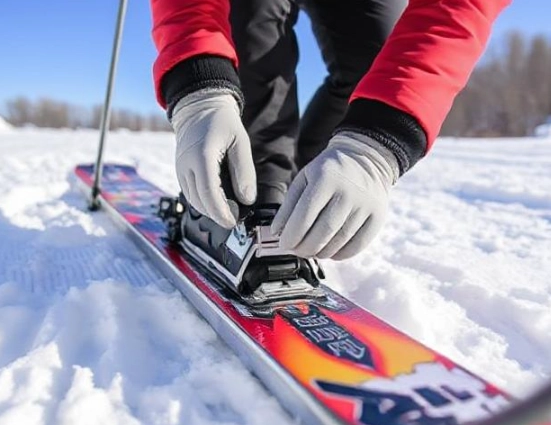
What's Inside This Guide
What Kind of Damage Are You Dealing With?
Not every white mark needs a full repair. Misdiagnosing leads to wasted time and materials. Let's break it down.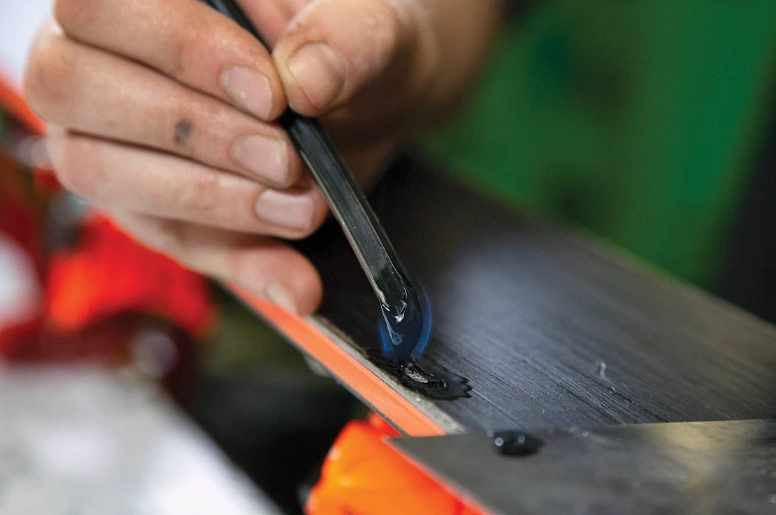
Surface Scratches
These are the fine, hairline scratches that cover your bases after a day on hardpack or early-season snow. They're superficial, only affecting the top layer of the polyethylene base material. You can feel them with a fingernail, but it doesn't catch. Good news: these are purely cosmetic. A standard ski waxing session will fill them in and restore glide. No repair needed.
Base Gouges
Deeper than a scratch, a gouge will catch your fingernail. You can see a distinct groove, but the base material is still there—it's just compressed or removed. If you look closely and see only white or black P-tex (no other colors), it's a gouge. These need filling. They create drag and can hold dirt.
Core Shots (The Real Problem)
This is the big one. A core shot means the damage has gone all the way through the P-tex base material, exposing the ski's core—usually a lighter colored wood or composite material. You'll see beige, tan, or gray material at the bottom of the hole. This is a mandatory repair. Leaving it exposes the core to water, which can delaminate the ski (make the layers separate) and cause irreversible damage. It also creates massive drag.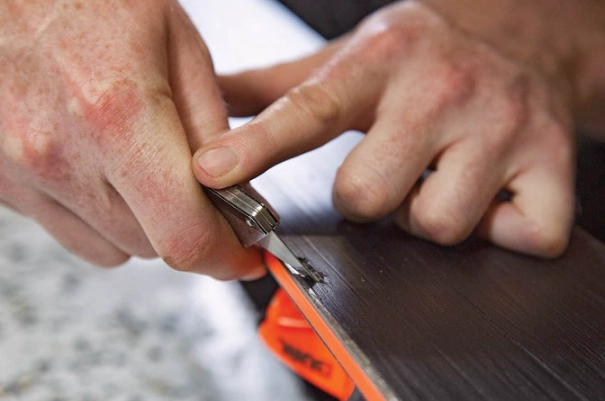
I once put off fixing a small core shot for a few weeks, thinking it was "just a deep gouge." By the time I looked closely, the core was slightly darkened from moisture. It took three times as long to dry out and prep properly. Lesson learned.
The Essential DIY Ski Base Repair Kit
You don't need a workshop. This is the bare-bones, effective kit that fits in a small box. I've bought fancy tools, but I always come back to these basics.
| Tool | Purpose | Notes & Pro Alternatives |
|---|---|---|
| P-tex Candle/String | Filler material for gouges and core shots. | Get both clear and black. Black has graphite for durability. The "string" form gives more control than wide candles. |
| Metal Scraper | To clean the wound and level the repair. | A sharp, wide metal scraper is non-negotiable. A dull plastic one is useless. Keep the edges sharp with a file. |
| Butane Lighter or Torch | To melt the P-tex. | A simple butane lighter works. A small culinary torch is faster and drips less. Avoid standard cigarette lighters—they're dirty. |
| Base Cleaning Solvent | To degrease the area before repair. | Rubbing alcohol (isopropyl) works perfectly. No need for branded "ski base cleaner." |
| Fine-Grit Sandpaper (150-220 grit) | To rough up the area for better adhesion. | A small piece is enough. Some people use a brass wire brush, but sandpaper is simpler. |
| Sharp Utility Knife or Razor Blade | To trim excess P-tex flush. | Infinitely better than trying to scrape it all perfectly. A sharp blade is key. |
You'll notice I didn't list a soldering iron or specific "base welding" gun. For 95% of repairs, the drip method with a candle works brilliantly and is less likely to overheat and damage the base.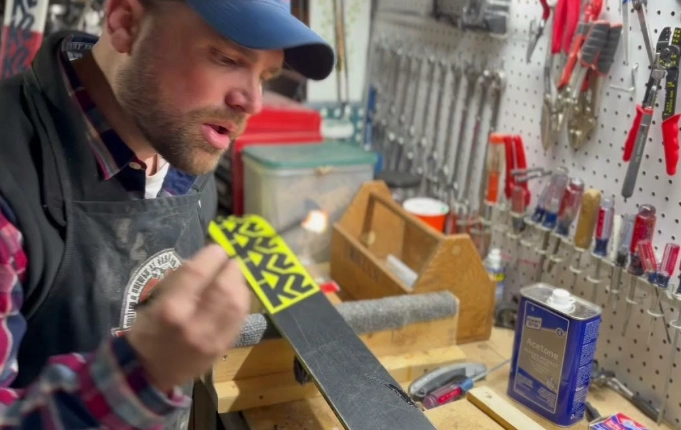
Step-by-Step: How to Repair a Core Shot
Let's walk through a true core shot repair. Imagine a hole the size of a pencil eraser exposing the wood core.
Step 1: Clean & Dry. This is the most skipped step. Use a pick or the tip of your knife to remove any dirt, rocks, or old wax from the hole. Then, soak a cloth with isopropyl alcohol and scrub the area and a good inch around it. Let it fully evaporate. Any grease or moisture will cause the P-tex to bubble and not stick.
Step 2: Bevel the Edges. Take your metal scraper and gently scrape the hard, vertical edges of the hole at a 45-degree angle. You're creating a shallow, tapered "bowl" for the new P-tex to sit in, not a sheer cliff for it to cling to. This prevents the repair from popping out.
Step 3: Rough It Up. Lightly scuff the exposed core and the beveled base around it with your sandpaper. You just want to create a textured surface, not sand away material. Wipe away the dust with alcohol again.
Step 4: The Drip Fill. Light your torch/lighter. Ignite the P-tex string. Let it burn for a few seconds until the flame is yellow and the drips are flowing freely and clear (not black and sooty). Hold the string about an inch above the hole and let the molten P-tex drip directly into it. Fill it just above the level of the surrounding base. Overfill is better than underfill. Move the string around for wider holes. Let it cool completely—at least 15 minutes.
Step 5: Scrape & Cut. Use your sharp metal scraper to remove the bulk of the excess P-tex, scraping in one direction along the length of the ski. You'll be left with a slight hump. Now, take your razor blade. Hold it perpendicular to the base and carefully slice the excess P-tex off, working from the edges of the repair inward. This gets you closer to flush than scraping alone.
Step 6: Final Flush. Finish with gentle, full-length passes with the metal scraper until the repair is perfectly smooth and flush with the base. You shouldn't feel it with your fingernail. A light pass with fine sandpaper (400 grit) can blend the edges.
Step 7: Wax Immediately. The repair is porous. Do a full hot wax cycle right after. The wax will saturate the new P-tex, sealing it and making it part of the base.
The Right Fix for Scratches and Gouges
For gouges that aren't core shots, the process is similar but simpler. Skip the sanding-the-core step. Clean, bevel the edges slightly, drip fill, and scrape flush. For clusters of small gouges, you can use a P-tex candle like a crayon, melting it directly into the grooves, but the drip method is often cleaner.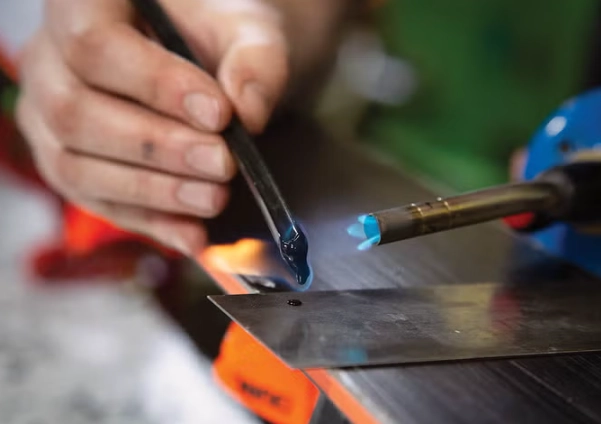
What about those wide, shallow scrapes? Sometimes you see a broad, shallow area where the base looks "thirsty" and white. This is often from abrasion on rocks. A standard wax won't fix it. Here, I use a trick: after cleaning, I'll gently heat the area with a heat gun (on low) or carefully with the torch from a distance, then immediately press a black P-tex candle into the warm base. It melts and flows into the micro-grooves, effectively "topping up" the base material before I scrape and wax.
Expert Tips & Common Mistakes to Avoid
After years of fixing my own and friends' skis, here are the subtle errors I see constantly.
- Overheating the Base: Holding the flame too close or too long. It makes the P-tex burn black (creating weak, sooty filler) and can melt and distort the surrounding base. A yellow, dripping flame from a distance is correct.
- Not Letting It Cool: Scraping too soon pulls the soft P-tex out of the hole. Wait until it's room-temperature hard.
- Using the Wrong P-tex: Clear P-tex is softer. Use black, graphite-filled P-tex for any repair on the running surface (the center of the ski). Save clear for edges or top sheets.
- Ignoring the Bevel: Repairing a hole with straight sides guarantees it will lift out after a few runs. That 45-degree bevel is your insurance policy.
- Forgetting to Wax After: An unwaxed repair is slow and will collect dirt. The hot wax seals the deal.
When to Take It to a Professional Shop
DIY is great, but know your limits. Take your skis to a reputable shop if:
- The damage is on or directly beside the metal edge. Edge work requires specific tools and epoxy.
- The core shot is massive (bigger than a quarter). They have base-welding machines for large patches.
- You see any sign of delamination (the layers of the ski separating, often looking like a bubble or a raised area).
- You're simply not comfortable or the repair didn't work the first time. A pro can fix it and it's cheaper than new skis.
The cost for a basic core shot repair at a shop is usually between $20 and $50. It's worth it for peace of mind on major damage.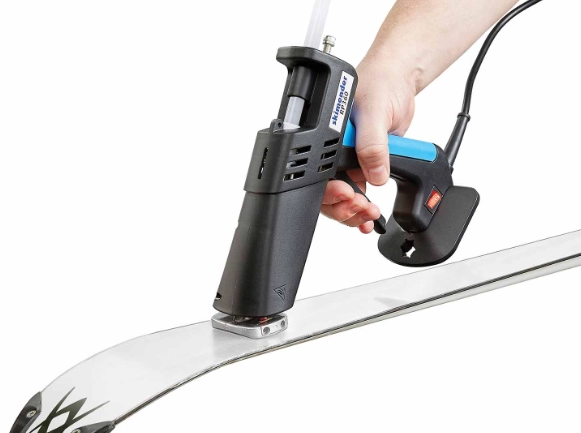
Your Ski Base Repair Questions Answered