You're at the top of the beginner slope, excited and maybe a little nervous. You drop your skis on the snow, go to step in, and... one ski starts sliding away. You hop awkwardly, your friends are waiting, and suddenly this simple task feels impossible. I've been there, and I've taught hundreds of people who've been there too. Putting on skis seems trivial until you're doing it wrong. It's the very first skill you need on the mountain, and doing it correctly sets the tone for your entire day—saving time, preserving energy, and most importantly, keeping you safe.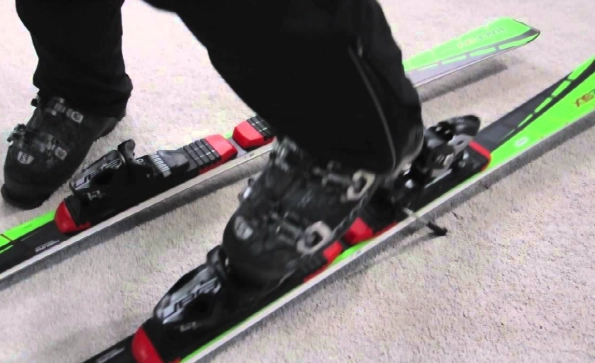
This isn't just about clicking a boot into a binding. It's about understanding the mechanics of your equipment and the physics of snow. A proper start prevents runaway skis, avoids frustrating falls before you even move, and ensures your safety bindings work as designed. Let's break down the exact process, including the subtle mistakes most guides don't mention.
What You'll Learn in This Guide
Step 1: Preparation is Everything (The Flat Spot Rule)
Ninety percent of the struggle happens before you even touch the binding. Get this part wrong, and you're fighting gravity from the start.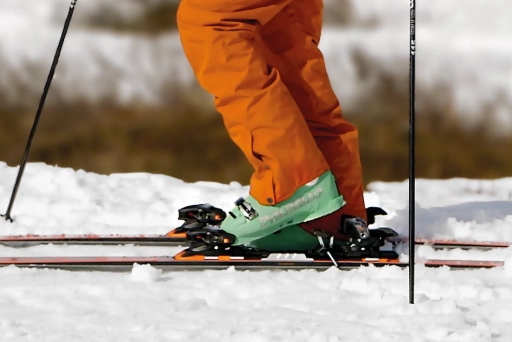
Find Truly Flat Terrain. I can't stress this enough. A "mostly flat" spot on a beginner run often has a slight grade. Your ski will act like a sled on even a 2-degree incline. Look for a area that's visibly level. If you're coming off a lift, move away from the merge area to a wide, flat section near the trail map. It's worth the 10-second walk.
Position Your Skis. Place them perpendicular to the fall line (the natural downhill direction). If you're on a perfectly flat area, it doesn't matter. If there's any doubt, lay them across the slope, not pointing down it. Space them about hip-width apart, parallel to each other. Knock off any clumps of snow from the top sheets.
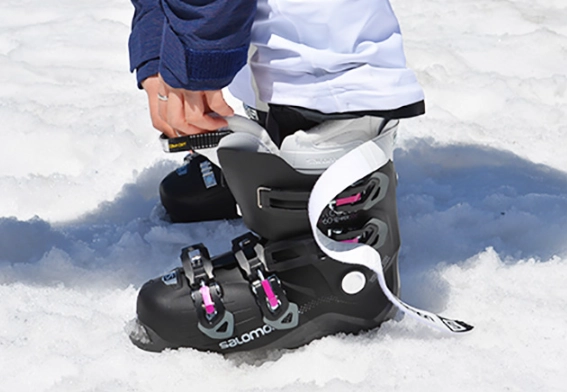
Prepare Your Boots. This is the most overlooked step. Before you step anywhere near your ski, stomp your boot firmly on a clean patch of snow or a ski rack base. Do it twice. You're dislodging any loose snow. Then, visually inspect the sole—especially the grooves in the toe and heel. Use a glove or a quick tap with your ski pole to flick out any compacted ice. A pea-sized piece of ice here can prevent the binding from locking, a direct ticket to a premature ejection.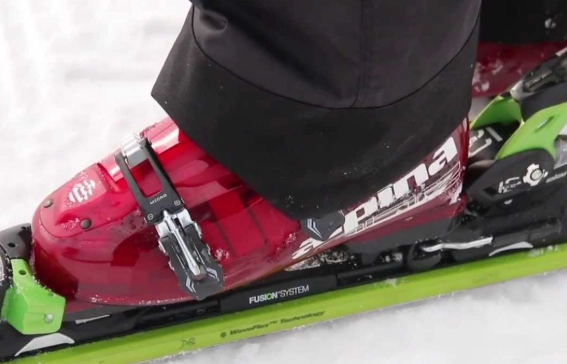
Pro Tip: The Pole Plant
Before you start, plant both ski poles firmly in the snow, one on each side, just ahead of where your skis will be. Grip them for balance. This gives you a stable "handrail" and prevents you from instinctively reaching out and grabbing a person (or thin air) if you wobble.
Step 2: The Exact Sequence for Putting Skis On
Now for the main event. We'll do one ski at a time. Repeat this for the second ski.
For Your First Ski (Usually the Downhill One)
If there's any hint of a slope, always put on your downhill ski first. Once it's on, its edge can be dug into the snow to act as a brake, stabilizing you while you put on the second, uphill ski.
- Position Your Body. Stand with your back to the tip of the ski, facing the tail. The ski should be directly below you, its length running between your feet.
- Align the Toe. Lift your foot and guide the toe of your boot into the front jaws (the toe piece) of the binding. You should feel it slot into place. Don't try to stomp the heel down yet.
- Stomp the Heel. This is the key action. While keeping your boot toe engaged, shift your weight onto that foot and bring your heel down firmly and decisively onto the heel plate of the binding. You should hear and feel a solid CLICK or SNAP as the heel piece closes and locks.
That sound is everything. No click? It's not on.
For Your Second Ski (The Uphill One)
With one ski securely on, you're now more stable. Turn your body so you're facing sideways across the slope (or just stand normally if you're on flat ground). Repeat the exact same three steps for the second ski: align toe, stomp heel.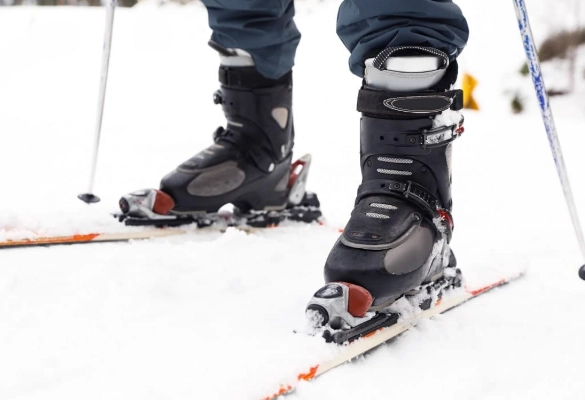
Warning: The "Walk Mode" Trap
Many modern bindings, especially alpine-touring hybrids, have a "walk mode" that lifts the heel piece for hiking. If your heel piece is in the upright position, it will not lock when you stomp. Before you start, look at the back of your binding. If there's a lever or catch holding the heel up, flip it down. The heel piece must be flush with the ski's top sheet for engagement.
The 3 Most Common Pitfalls & How to Avoid Them
After years of instructing, I see the same three errors on repeat. Fix these, and you'll look like a pro.
1. The "Hop-and-Stomp" Panic. The ski starts sliding, so the beginner hops on it with both feet, trying to pin it down. This almost never works and looks ridiculous. Solution: If a ski starts sliding, let it go. It'll slide a few feet and stop. Calmly retrieve it, find a flatter spot, and start over. Use your poles for balance to avoid the hop.
2. The "Partial Click". You hear a faint noise but not the definitive snap. You assume it's on and push off. A few turns later, your ski pops off unexpectedly. Solution: After the stomp, perform a visual and physical check. Look down. Is the heel piece completely down? Then, use your ski pole to give the back of your binding a firm tap. It shouldn't move or open. If it does, it wasn't fully engaged—likely due to snow under the boot.
3. Relying on Someone Else to Hold You. Friends mean well, but having someone hold you up creates a false sense of security. If they let go unexpectedly, you tumble. Solution: Use the pole plant method described earlier. Be self-sufficient from step one.
Gear-Specific Tips: Alpine vs. Touring Bindings
Not all bindings are the same. Here’s a quick rundown.
Standard Alpine Bindings: These are the most common at resorts. The process is exactly as described above. They require the cleanest boot sole for a reliable closure.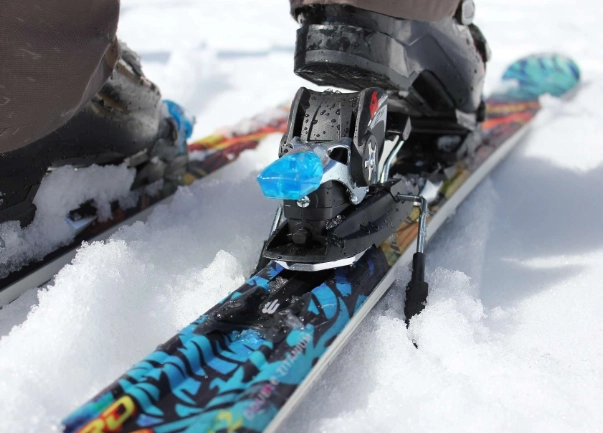
Alpine-Touring (AT) or Frame Bindings: These have more moving parts. Before you start, ensure the heel piece is locked in "ski mode" (heel down). Some models require you to physically slide the heel piece forward before stepping in. Check the model's manual (brands like Marker, Salomon, and Dynafit have good online resources). The step-in might feel different—sometimes more of a forward slide than a straight-down stomp.
The principle of a clean boot and a flat spot is universal, but know your gear. A quick glance at the United States Ski Association equipment guidelines reinforces that proper binding function is the cornerstone of ski safety.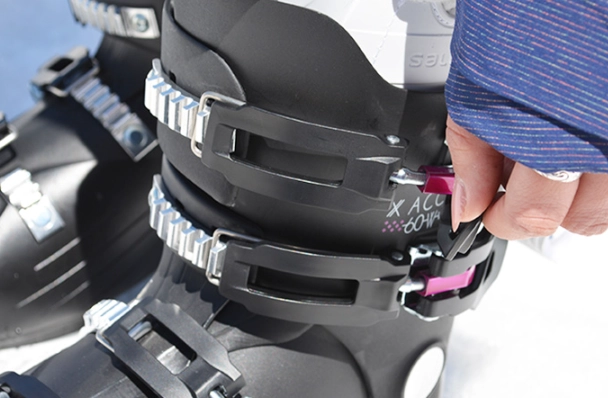
Your Top Questions, Answered
Mastering how to put on your skis transforms that initial moment from a chaotic struggle into a calm, controlled start. It builds confidence. It keeps you safe. It saves your energy for the actual skiing. Next time you're on the mountain, take those extra seconds to find the flat spot, clean your boots, and stomp with purpose. You'll feel the difference immediately, and you'll be ready to focus on the fun part—making turns down the mountain.