There's nothing quite like the feeling of floating through fresh powder in a quiet glade, the world reduced to the sound of your skis and the swish of pine branches. But for many skiers, the idea of heading into the trees is equal parts thrilling and terrifying. I get it. I've spent over a decade chasing powder stashes in the back bowls and gladed areas of resorts from Whistler to the Alps, and I've seen the common mistakes that turn a dream run into a stressful ordeal. This isn't about being a daredevil; it's about applying a specific set of skills and mindsets that make tree skiing not just possible, but incredibly rewarding. Let's break down the real tree skiing tips that go beyond the obvious "don't hit a tree."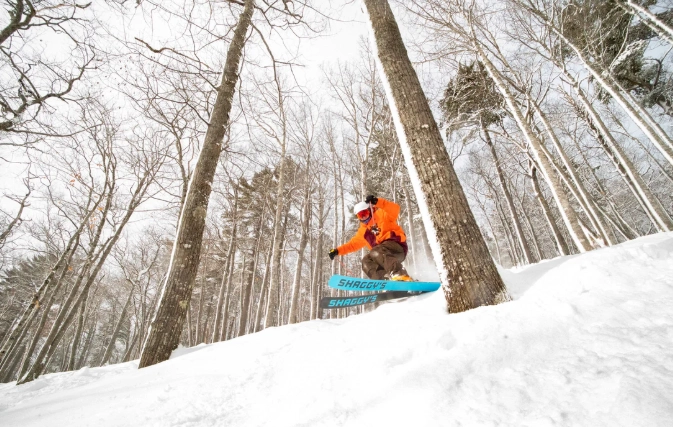
What You'll Learn
The Right Mindset: Your First Line of Defense
Before we talk about skis or turns, we need to talk about your head. The biggest barrier to great tree skiing isn't skill—it's fear. Your brain is wired to see the trees (the threats) and not the spaces between them (your path).
I tell people to stop trying to ski through the trees and start skiing around them. It's a subtle shift that changes everything. You're not a pinball; you're a river flowing around rocks.
Here’s a drill I use with friends: On a wide, groomed run, pick two imaginary trees about 20 feet apart. Ski between them, focusing only on the center point of the gap. Now, bring them closer in your mind. Your job is to plan your turn before the gap, not in reaction to it. This proactive planning is the core mental skill.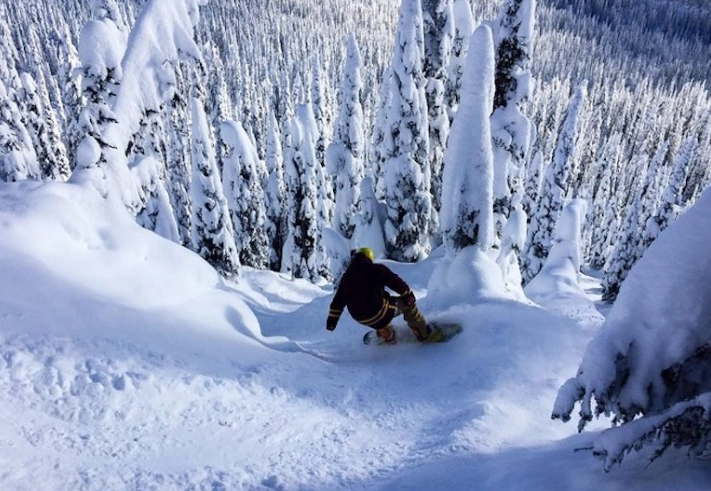
Panic sets in when you feel trapped. So, never commit to a line where you can't see at least two or three turns ahead. If the trees get too tight, stop. Sidestep or herringbone back up to a wider lane. There's no shame in a tactical retreat; it's a sign of good judgment.
Gear Non-Negotiables for Gladed Terrain
You can have the perfect technique, but the wrong gear will let you down. This isn't the place for your slalom race skis or that old, skinny pair in the garage.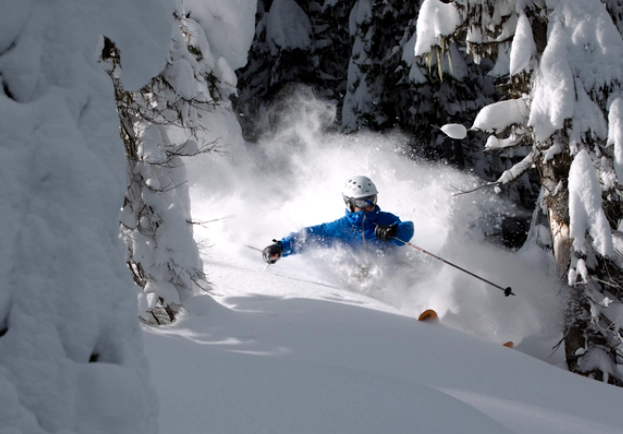
| Gear Item | Why It Matters for Trees | My Recommendation |
|---|---|---|
| Ski Width | Float in powder, stability on variable snow around tree wells. | 95mm - 110mm underfoot. Enough float without being sluggish. |
| Bindings | Quick, reliable release in a twisting fall (the most common kind in trees). | Set DIN conservatively. Check that heels and toes are ice-free. |
| Helmet | Low-hanging branches, not just trees. | A newer model with MIPS. Non-negotiable. |
| Goggles | Flat light under canopy is a norm. You need to see contours. | Low-light or photochromic lens. Carry a spare. |
| Clothing | Branches can snag and rip. You'll be working hard. | Durable, breathable shell. Avoid loose straps. |
A specific note on ski length: The old advice was "shorter is quicker." I disagree for most modern skiers. A slightly longer ski (around chin height) provides better stability at the moderate speeds you should be aiming for and gives you a more stable platform to pivot from. The quickness comes from your technique, not sacrificing all your swing weight.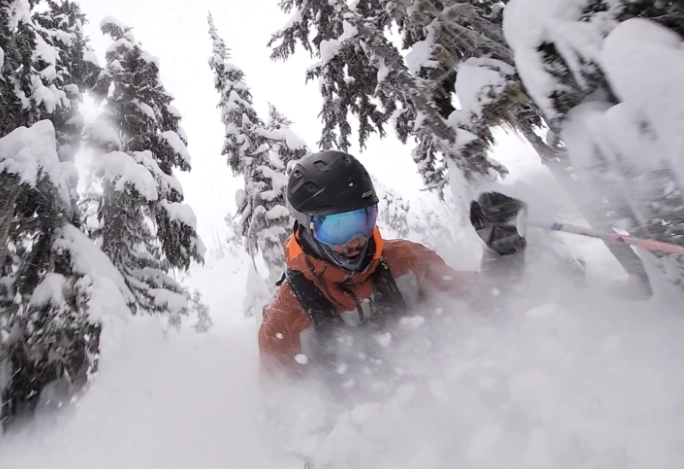
How to Read the Terrain Like a Local
Not all glades are created equal. Picking your first—or your daily—tree run is a skill. Look for these indicators from the lift or the entrance:
- Tree Spacing: Look for consistent "lanes." If you see a tight cluster, assume it's tight all the way through. Resorts like Jackson Hole (Casper Bowl) or Whistler Blackcomb (Symphony Amphitheatre) grade their glades well—start with the ones marked as "low angle" or "widely spaced."
- Snow Coverage: Thin cover means hidden stumps and rocks. If you see brown patches or the bases of trees aren't fully buried, reconsider. The best time is 24-48 hours after a big storm.
- The Fall Line: Watch where other skiers' tracks go. The natural path is usually the safest. Don't be tempted to drop into a pristine, untracked chute that dives sharply between tight trees unless you're very confident.
- Aspect (Direction): North-facing glades hold cold, dry powder longer. South-facing ones get sun-affected and can develop heavy, sticky snow or crust.
I have a personal rule: the "Three-Tree Scan." Before dropping in, I visually trace a potential line that connects at least three clear gaps. If I can't find three, I look for a different entry point.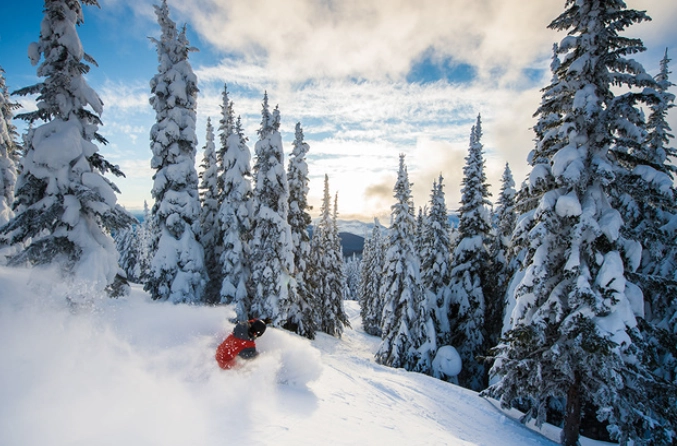
Technique for Tight Spaces: The 60/40 Rule
Here’s the technical core that most intermediate skiers miss. Your standard carved turn takes too much space and time to initiate. In trees, you need a quicker, more pivoted turn.
The 60/40 Rule
This is my non-consensus tip. 60% of your focus should be on your next turn, and 40% on executing your current turn. Most people do the opposite—they're 90% focused on the tree they're trying to avoid now, which means they're already late for the next one.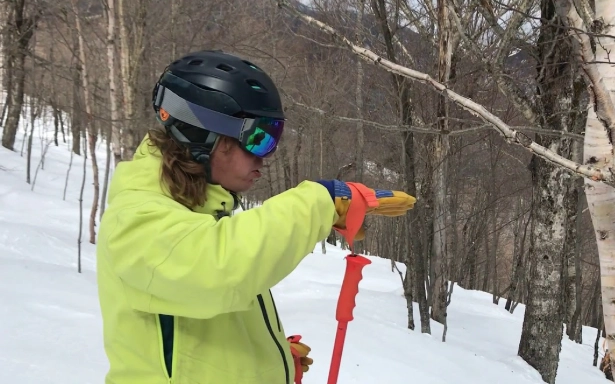
How it looks in practice:
- Stance: Athletic, centered, but slightly forward. You need to be able to unweight the skis quickly.
- Turn Initiation: Use a quick, light pole plant (just a tap) on the side of your next turn. This commits your upper body and starts the pivot.
- The Turn Itself: Don't carve. Use a smeared, skidded turn. Think of kicking your heels out slightly to redirect momentum. It's less graceful but far more efficient.
- Vision: Your eyes should be bouncing between your immediate ski tips (to adjust for snow texture) and the gap two trees ahead. Never lock eyes on a single tree trunk.
Practice this on a bumped-up blue run first. Find a rhythm: pole plant, pivot, look ahead, repeat. The rhythm is more important than the raw speed.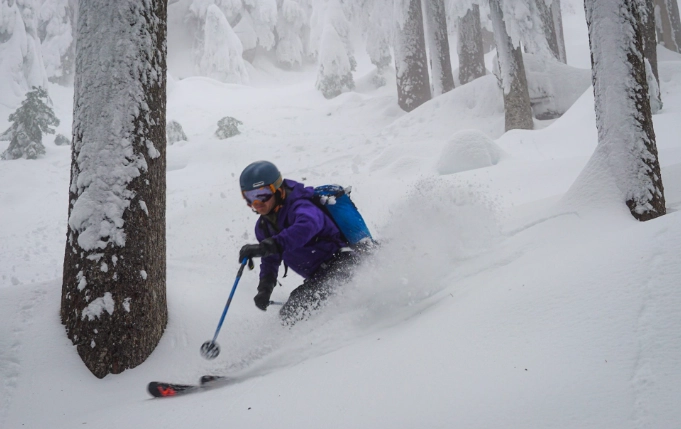
Safety Protocols That Aren't Optional
This is where we get serious. The mountains don't care about your skill level.
Your safety checklist:
- Buddy System: Always have a partner. Agree on a plan: "I'll go first to that big pine, then stop and watch you." Keep visual or auditory contact at all times.
- Communication: Simple whistles or shouts like "Next!" or "Stopping!" are crucial. Assume cell service is zero.
- Know Your Exit: Always identify a run-out or a cat-track below the glade. Don't get funneled into a terrain trap.
- Avalanche Awareness: Even in-bounds glades can slide after major storms. Check the resort's avalanche report (e.g., from the local avalanche center). If it says "considerable" or above, think twice.
- Fatigue Factor: Tree skiing is mentally and physically exhausting. Quit while you're ahead. Most mistakes happen on the last run of the day.
3 Common Mistakes Even Good Skiers Make
After coaching dozens of skiers, I see these patterns again and again.
1. The "Deer in Headlights" Stare: Fixating on a single tree. Your body follows your eyes. If you stare at the tree, you will drift toward it. Force your gaze to the safe zone, the light, the path.
2. Over-Edging and Over-Carving: Trying to make perfect, high-angle carves. This locks you into a turn arc you can't adjust. In trees, you need sloppy, adjustable turns. Let the skis skid a bit. It feels wrong but is right for the environment.
3. Speed as a Coping Mechanism: Thinking more speed equals more control. It doesn't. It reduces reaction time. Controlled, rhythmic speed is key. If you feel you're going too fast to plan your next turn, you are. Slow down by making more turns, not by skidding sideways across the hill.
Your Tree Skiing Questions, Answered
How do I pick a good gladed run for my first time?
What's the one piece of advice for skiing trees in deep powder?
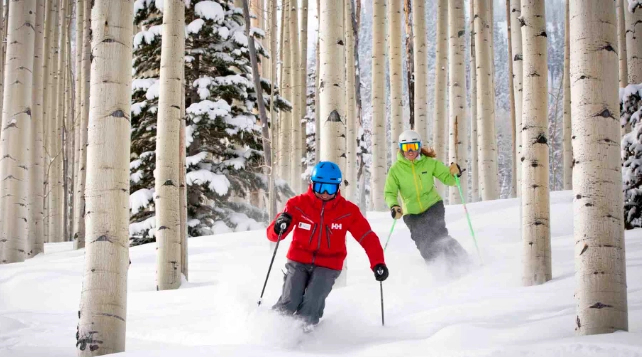
I keep getting my ski tips crossed or catching an edge in tight spots. What am I doing wrong?
Are there specific drills to practice before hitting the trees?
How important is fitness for tree skiing?
Tree skiing unlocks a magical part of the mountain. It's quiet, the snow is often better, and it feels like a personal adventure. It demands respect, preparation, and a humble approach. Start small, focus on the spaces, trust your gear, and never stop learning from the terrain itself. The trees have a lot to teach you—not just about skiing, but about reading a landscape and moving with intention. Now go find your line.