What You'll Learn in This Guide
- What is Artificial Snow and How is it Made?
- Why Ski Resorts Can't Live Without Artificial Snow
- The Downsides and Controversies of Artificial Snow
- How Artificial Snow Affects Your Skiing Experience
- The Future of Artificial Snow: Innovations and Sustainability
- Your Questions Answered: Artificial Snow FAQ
Let's cut to the chase: if you've skied in the last decade, you've almost certainly skied on artificial snow. It's not just a backup plan; for many resorts, it's the main event. I remember a trip to Lake Tahoe a few years back—natural snowfall was pathetic, but the runs were perfectly groomed thanks to relentless snowmaking. It saved the vacation. But what exactly is this stuff, how does it work, and why should you care? This guide dives deep into the world of artificial snow, stripping away the myths and giving you the real scoop.
What is Artificial Snow and How is it Made?
Artificial snow, often called machine-made snow, is essentially water that's been frozen into tiny ice crystals. It's chemically identical to natural snow, but the process is controlled by humans. The basic idea? You blow water and air into cold temperatures, and voilà—snow. But it's more nuanced than that.
The Science Behind Snowmaking
Snowmaking relies on a simple principle: when water is atomized into fine droplets and exposed to freezing air, it crystallizes into snow. The key factors are temperature (usually below 28°F or -2°C), humidity (lower is better), and water pressure. Resorts use massive pumps and compressors to push water through snow guns, which spray it into the air. If conditions aren't right, you get ice or slush—something I've seen firsthand at a resort in Pennsylvania where they struggled with warm spells.
Types of Snowmaking Machines
Not all snow guns are created equal. Here's a quick breakdown of the main types you'll find on slopes:
| Machine Type | How It Works | Best For | Water Efficiency |
|---|---|---|---|
| Air-Water Guns | Mixes compressed air and water to create snow; older technology but reliable. | Cold, dry climates like Colorado. | Moderate—uses more energy. |
| Fan Guns | Uses a fan to blow water droplets into the air; more efficient and common today. | Variable conditions, such as the Alps. | High—better output per gallon. |
| Low-Energy Snowmakers | Relies on high-pressure water without compressed air; eco-friendlier. | Resorts focusing on sustainability, like those in Vermont. | Very high—cuts energy use by up to 80%. |
I've toured a facility in Utah that uses fan guns exclusively. The manager told me they can cover an acre in 12 hours under ideal conditions. Impressive, but it comes at a cost—both financial and environmental.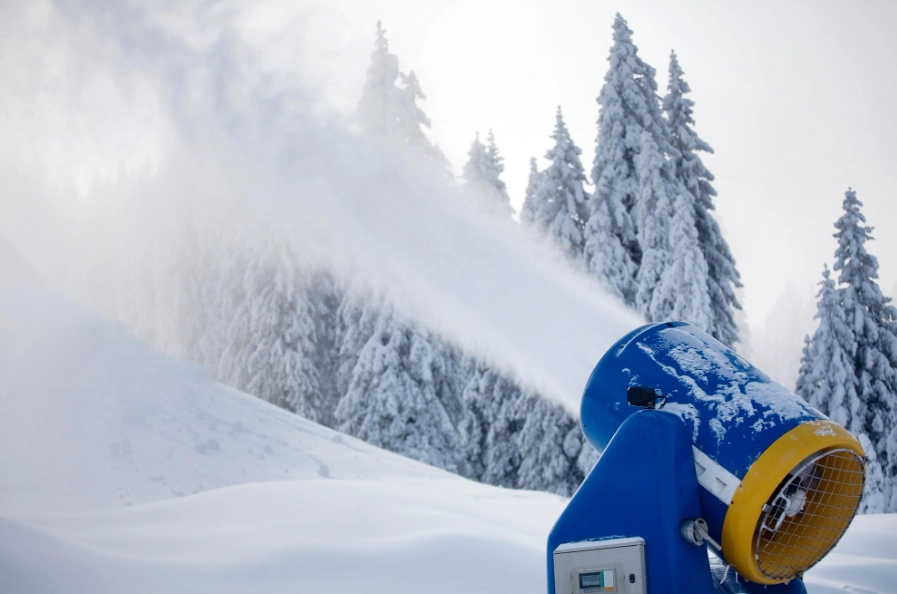
Why Ski Resorts Can't Live Without Artificial Snow
Artificial snow isn't a luxury; it's a necessity for the ski industry. With climate change making winters unpredictable, resorts lean on snowmaking to stay open. Take Breckenridge, for example. Last season, natural snow was scarce, but they kept 80% of runs operational through aggressive snowmaking. It meant the difference between a profitable winter and a disaster.
Economic Lifeline
For resorts, snowmaking is an investment that pays off. According to the National Ski Areas Association, resorts with robust snowmaking systems see up to 30% longer seasons. That translates to more ticket sales, lodging bookings, and overall revenue. Small resorts, though, often struggle with the upfront costs—a snowmaking setup can run into millions. I've spoken to owners in the Midwest who've had to take out loans just to keep up.
Consistency for Skiers
As a skier, you want reliable conditions. Artificial snow delivers that. It's denser and more durable than natural snow, so it holds up better under foot traffic and warmer temps. This means fewer closures and more predictable grooming. On a personal note, I've planned trips around snowmaking schedules—checking resort reports for when they'll fire up the guns. It removes the guesswork.
But here's a catch: some resorts over-rely on it, creating a homogenized experience. All runs start to feel the same, lacking the variety that natural snowfall brings. It's a trade-off.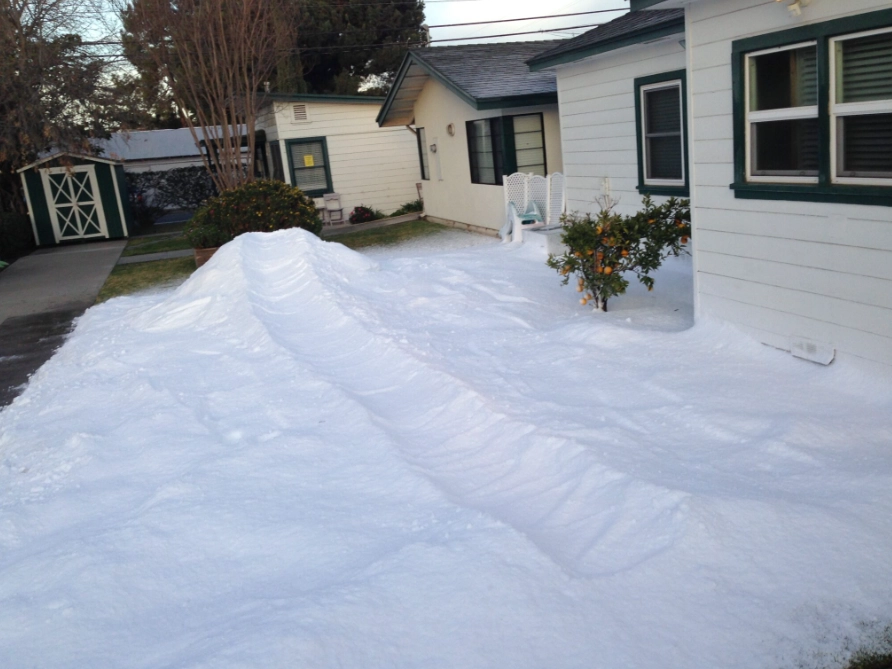
The Downsides and Controversies of Artificial Snow
Let's be honest: artificial snow isn't perfect. It has real drawbacks that often get glossed over in marketing brochures.
Environmental Impact
Snowmaking is resource-intensive. It guzzles water—a single acre-foot of snow can require 200,000 gallons. In drought-prone areas like California, this sparks conflicts with local communities and agriculture. Energy use is another headache; snowmaking can account for 15-20% of a resort's carbon footprint, based on data from the U.S. Environmental Protection Agency. I've seen protests in the Rockies where activists argue that resorts are prioritizing profits over sustainability.
Financial and Social Costs
The upfront cost for snowmaking infrastructure is steep. A high-efficiency system can cost $2-5 million, pricing out smaller resorts. This leads to consolidation in the industry, with big players dominating. Plus, the noise from snow guns can be a nuisance for nearby residents—I've stayed at lodges where the constant hum kept me awake at night. It's a side effect few talk about.
And then there's the snow itself. Artificial snow is often icier and harder, which can be tough on your joints if you're not careful. I've had days where my knees ached after skiing on machine-made slopes all afternoon.
How Artificial Snow Affects Your Skiing Experience
So, what does this mean for your ski day? A lot, actually. The quality of artificial snow varies, but with some know-how, you can still have a blast.
Snow Quality and Grooming
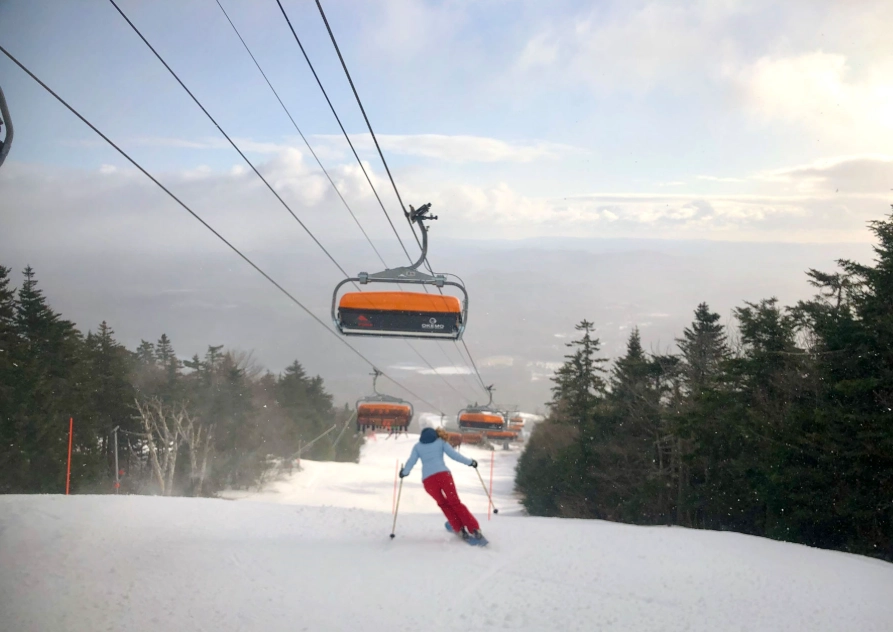
Artificial snow tends to be denser and more consistent than natural powder. When groomed well, it creates a firm, carveable surface that's great for beginners and racers. But if it's not groomed properly, it can turn into a sheet of ice—something I've encountered at budget resorts that cut corners. The key is moisture content: too much water, and it's slushy; too little, and it's abrasive.
Tips for Skiing on Artificial Snow
- Adjust your technique: Carve more than slide, as artificial snow holds edges better. Keep your weight centered to avoid catching an icy patch.
- Check grooming reports: Resorts often update which runs have fresh machine-made snow. Aim for those groomed within the last 24 hours.
- Maintain your gear: Artificial snow can wear down ski edges faster. Get a tune-up before the season and consider using harder-wax bases.
I learned this the hard way on a trip to Michigan—my skis were chattered after a week on artificial slopes. Now, I always pack a file for quick edge touch-ups.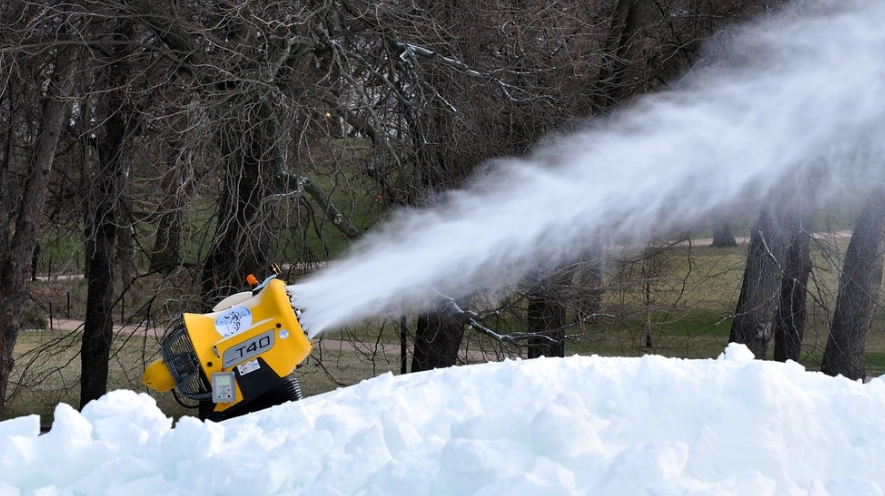
The Future of Artificial Snow: Innovations and Sustainability
The industry isn't standing still. Innovations are popping up to make snowmaking greener and more efficient.
Sustainable Snowmaking
New technologies focus on reducing water and energy use. For instance, some resorts in Europe are using recycled wastewater for snowmaking, a practice endorsed by environmental groups. Others are investing in solar-powered snow guns or AI systems that optimize spraying based on weather forecasts. I visited a resort in Switzerland that cut its water consumption by 40% with these upgrades—proof that change is possible.
Case Study: Whistler Blackcomb's Approach
Whistler Blackcomb in Canada has become a leader in sustainable snowmaking. They've installed low-energy snowmakers across 70% of their terrain, using real-time data to minimize waste. According to their sustainability report, this has reduced energy use by 25% while maintaining snow quality. It's a model others are starting to follow, though the initial investment is hefty.
Looking ahead, expect more resorts to adopt these practices as pressure from skiers and regulators grows. The goal? Make artificial snow a tool for resilience, not just a stopgap.
Your Questions Answered: Artificial Snow FAQ
 Can artificial snow damage ski equipment?