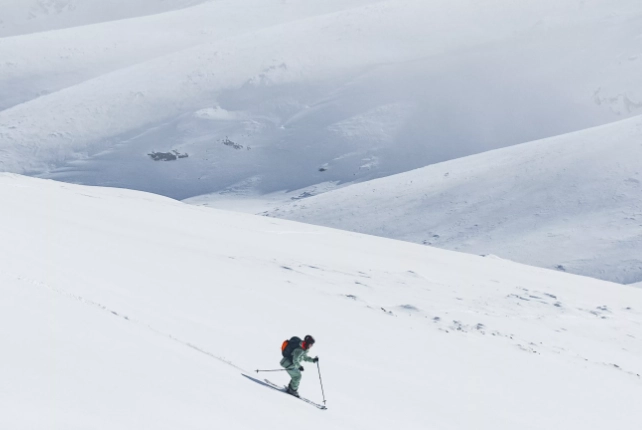
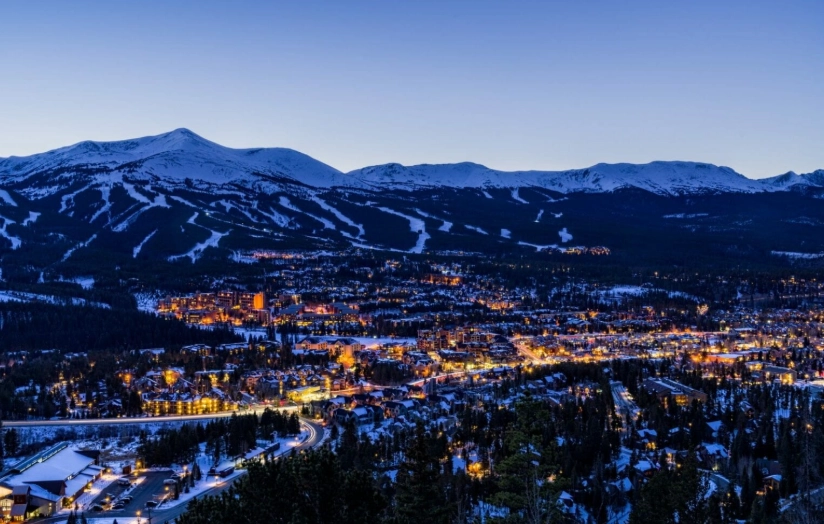
You've seen the videos. Endless, untracked powder, serene mountain landscapes, and the pure joy of skiing lines no lift can reach. That's the siren song of backcountry skiing. But between that dream and reality lies a gap filled with questions about gear, avalanche danger, and whether you're even capable. Let's cut through the noise. Backcountry skiing basics aren't about buying the most expensive equipment or being an extreme athlete. They're about a mindset shift: from being a passenger on a resort to becoming a self-sufficient traveler in the mountains. Your first tour might only be a few hundred vertical feet, but the principles are the same as for a multi-day expedition.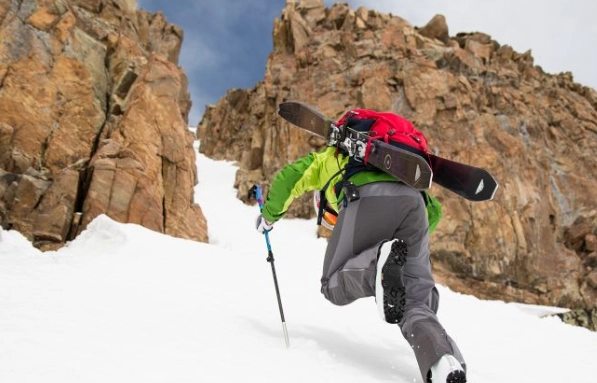
What's in This Guide?
The Gear: Your Non-Negotiable Kit
Gear talk can be overwhelming. Brands, models, tech specs—it's easy to get lost. Instead of listing every option, let's break it into a simple table of essentials versus "nice-to-haves" for your first season. Remember, you can rent touring setups and avalanche safety gear from many reputable shops, which I highly recommend before dropping thousands.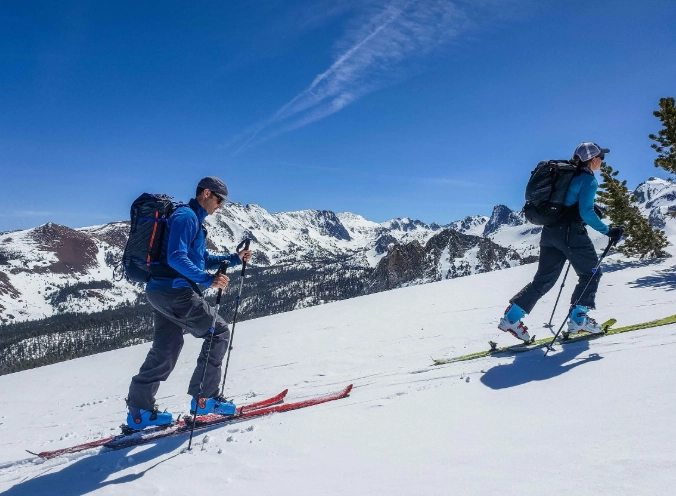
| Essential Gear (Don't Leave Without) | Why It's Critical & Beginner Tip |
|---|---|
| Avalanche Transceiver (Beacon) | This is for finding someone buried in an avalanche. Tip: Buy a modern, three-antennae model (like from BCA, Ortovox, or Arva). Practice with it weekly at home—turning it on/off, doing a quick search—so it's second nature. |
| Probe | To pinpoint a burial location after your beacon gets you close. A 240cm or longer is standard. Don't cheap out on a flimsy one. |
| Shovel | A metal-bladed, sturdy shovel for digging. A plastic blade will fail in hard avalanche debris. This is your rescue tool. |
| Touring Skis/Bindings/Boots | Skis with tech bindings that free your heel for climbing and lock down for skiing. Boots must be compatible ("tech" or "hybrid" soles). Rent first to feel the difference. |
| Climbing Skins | Sticky strips that attach to your ski bases for traction going uphill. They must be trimmed to fit your specific ski width. |
| Backpack (30-40L) | Dedicated pack with ski carry, gear loops, and easy access to safety gear. Your shovel and probe should be in a dedicated, quick-access sleeve, NOT buried under your lunch. |
The stuff below matters, but you can build up to it: an airbag pack (incredible safety tool, but expensive), lighter carbon skis, high-end goggles, satellite communicator.
Here's a mistake I see constantly: people buy the gear, throw it in their pack, and never touch it until the trailhead. Your beacon needs fresh batteries. Your shovel should assemble smoothly with gloves on. Practice that in your living room.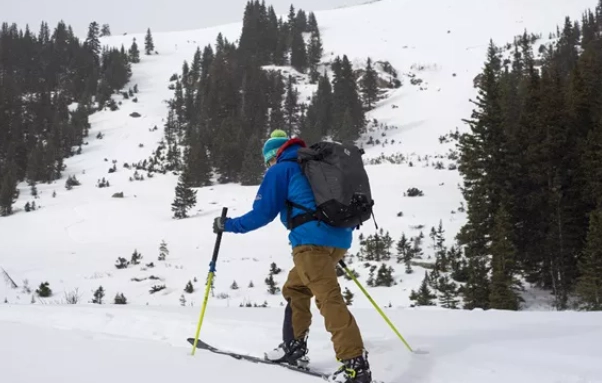
Avalanche Education: Your First and Best Investment
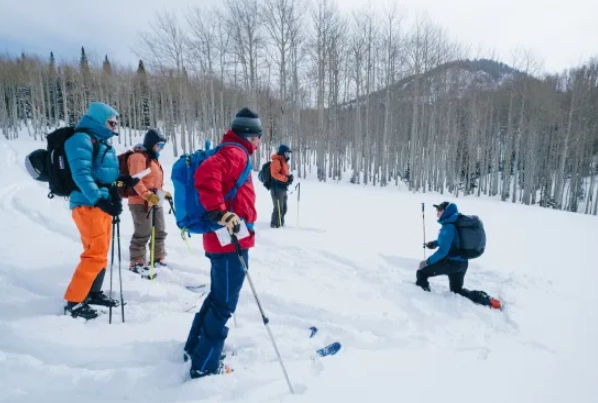
No piece of gear is as important as the knowledge in your head. An avalanche education course isn't a nice-to-have; it's the foundation. In the U.S. and Canada, the standard entry point is an Avalanche Rescue Course followed by an AIARE 1 (or equivalent).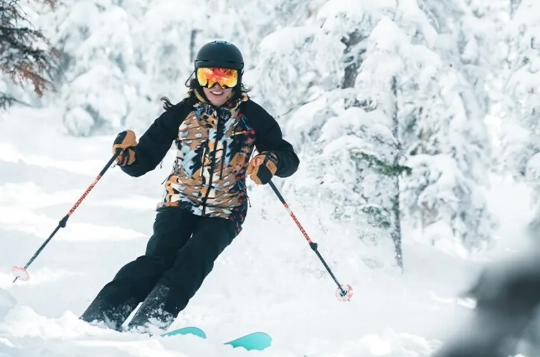
What do you actually learn? It's not just about using your beacon. You learn to read the avalanche forecast (a daily ritual), identify terrain traps (like gullies and convex rolls where risk spikes), make group decisions, and perform a rescue. The biggest takeaway isn't a checklist, but a risk management mindset.
A non-consensus point from a decade in the snow: The most dangerous person in your group is often the one who took a course 5 years ago and hasn't refreshed their skills. Avalanche safety protocols and gear evolve. Take a refresher or practice rescue scenarios at least once a season. Complacency kills.
Planning Your First "Real" Tour
Your first foray shouldn't be a steep, complex bowl. Aim for a low-angle (less than 30 degrees), forested slope with a simple approach. How do you find this?
Step 1: The Forecast. Every morning, check your regional avalanche forecast center. Look for a "Low" or "Moderate" danger rating for the aspect (direction) and elevation you're targeting. If it says "Considerable" or above, change your plans. Full stop.
Step 2: The Map. Use CalTopo, Gaia GPS, or Fatmap. Identify a known, popular beginner route. These are often called "ski tours" rather than "descents." Look for a consistent, moderate slope angle (use the slope angle shading feature).
Step 3: The Human Factor. Go with at least one other person, ideally someone more experienced. Talk about expectations, fitness, and turn-around time before you drive to the trailhead. "We'll turn around at 1 PM no matter what" is a good rule.
A Sample Beginner Mindset, Not Just a Route
Instead of giving a specific location (which can become outdated or overcrowded), let's walk through the thought process for a hypothetical first tour in the Rockies on a "Low" danger day.
**Objective:** A mellow, east-facing ridge in a well-traveled area, max slope angle 25 degrees, 1500ft of climbing. **Morning of:** Forecast confirms Low danger on E aspects. Weather: clear, no new snow, moderate winds. Good. **At the trailhead:** We do a beacon check—everyone turns on, everyone searches for a hidden beacon. We discuss the plan one more time. **During the tour:** We stick to the skin track. We take breaks, drink water, eat snacks. We're not racing. We watch the snow, feel how it changes. **At the top:** We reassess. The snow feels right, the slope looks as mellow as the map said. We ski down one at a time, regrouping at safe spots. **Success?** Yes, because we came home safe, practiced our systems, and learned a bit more about moving in the mountains. The powder was just a bonus.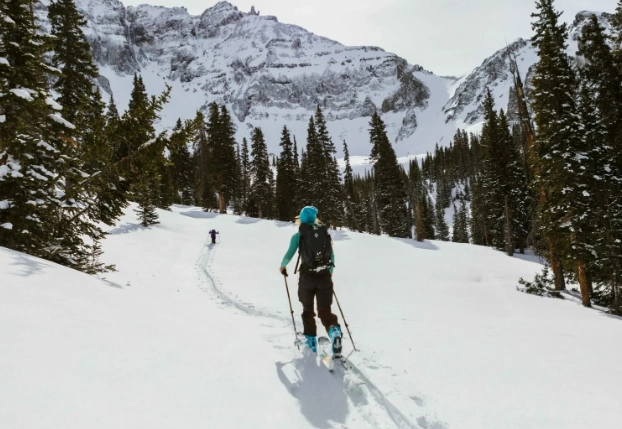
Skills You Can (and Must) Practice at the Resort
You don't need a backcountry pass to build crucial skills. Use your resort lift ticket as a training ground.
- Skinning Technique: Find a resort with an uphill policy. Practice putting on/taking off skins, efficient herringbone and kick-turn techniques on gentle slopes. It's harder than it looks.
- Skiing with a Pack: Ski a full resort day with your loaded backcountry pack. It changes your balance and pivot point dramatically.
- Fitness: Backcountry skiing is 80% uphill cardio. Get strong hiking, trail running, or on the stairmaster. Legs and lungs are primary gear.
- Skiing Variable Snow: Seek out the ungroomed, the crud, the bumps at the resort. The backcountry is rarely perfect corduroy.
The Subtle Mistakes Most Beginners Make
Beyond the obvious (no beacon, going into high danger), here are the subtle errors that can ruin your day or put you at risk.
Ignoring the Uphill. Beginners obsess over the downhill line. But if you can't efficiently climb to it, you're stuck. Practice skinning.
"It's a Short Tour." They pack no extra layers, minimal food/water, and no headlamp. Mountains don't care about your planned timeline. A simple mechanical issue (broken binding, torn skin) can turn a 3-hour tour into a 6-hour epic. Always pack the Ten Essentials.
Following Tracks Blindly. Just because someone else skied it doesn't mean it's safe for you. They might have had different knowledge, conditions, or just been lucky. Make your own assessments.
Not Eating or Drinking Enough. You burn calories like a furnace on the climb. Dehydration and bonking lead to poor decisions and slow reactions. Eat before you're hungry, drink before you're thirsty.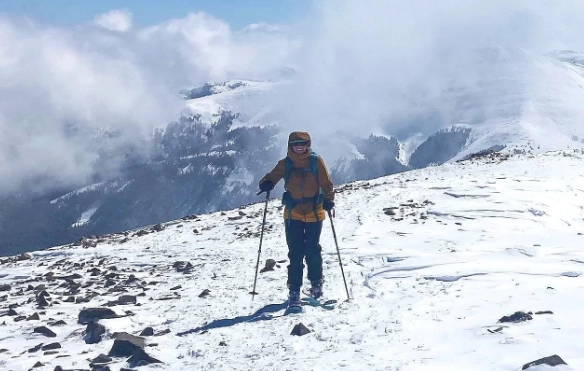
Your Backcountry Skiing Questions, Answered