Quick Navigation
You're typing an email about your ski trip, or maybe you're writing a product description for a home accessibility device. Your fingers hover over the keyboard. Is it a chair lift or a chairlift? You've seen it both ways. Your brain does a quick search through memory—was it one word in that resort brochure, but two words on that safety manual website? The doubt creeps in. It feels like a tiny thing, but getting it wrong can make you look just a bit less professional, or maybe confuse your reader. I've been there. I used to second-guess myself all the time.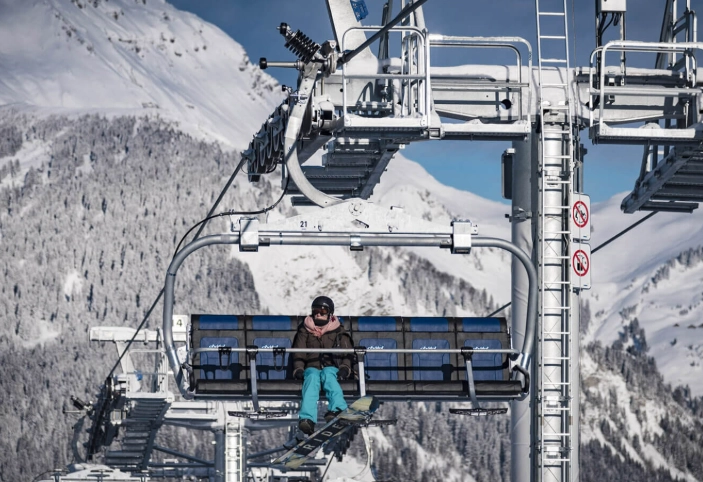
Well, let's clear the air right now. After digging through dictionaries, style guides, and how the industry actually talks, I can give you a straight answer. The most common, modern, and generally accepted spelling for the ski resort apparatus is chairlift, as one single word. For the device that helps people go up stairs, it's almost universally stairlift, also one word. The two-word versions, "chair lift" and "stair lift," aren't necessarily wrong in a catastrophic sense, but they've largely fallen out of favor and can look outdated or less precise.
The Quick Answer: If you want to sound current and use the standard industry terminology, go with chairlift (skiing) and stairlift (accessibility). The closed compound word is the winner.
But if we stopped there, this would be a pretty short article. The real story is why this happened, and where you might still see the old form. Language is a living thing, and these shifts tell a story about how we use tools and have fun. It also gets tricky because we're talking about two different pieces of equipment that share a name root. So, let's unpack it all.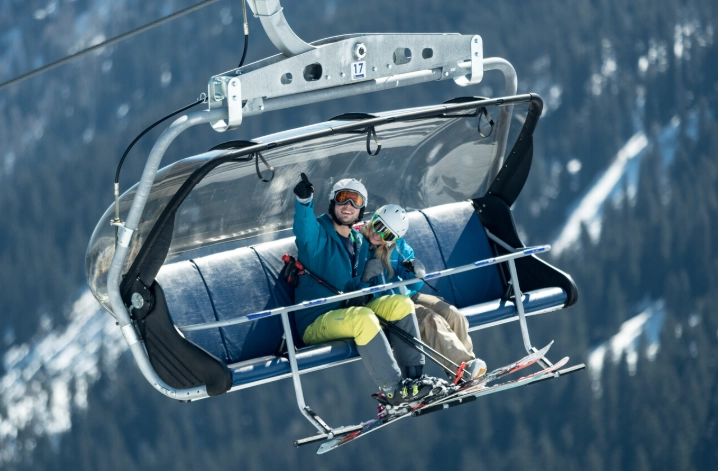
Why the Spelling Actually Matters (It's Not Just Pedantry)
Some folks might roll their eyes. "Who cares? Everyone knows what I mean." And they're not entirely wrong—communication would probably succeed either way. But there are a few solid reasons to pick the right one.
First, professionalism. If you're writing a blog about ski gear, a technical manual for resort workers, or marketing copy for a medical equipment company, using the standard industry spelling shows attention to detail. It signals you're in the know. I remember reading a otherwise great article on backcountry safety that used "chair lift" throughout, and a little voice in my head kept whispering, "Amateur." Harsh, maybe, but that's the subconscious effect.
Second, clarity and searchability. This is a big one. When people search online, they tend to use the most common form. A product manufacturer optimizing their page for "stair lift" might miss a huge chunk of traffic looking for "stairlift." The Merriam-Webster dictionary lists "chairlift" as the main entry, which heavily influences what people consider correct. Using the dominant spelling helps people find your content.
Finally, it avoids a specific, subtle confusion. A "chair lift" could theoretically be read as a generic action—the act of lifting a chair. A "chairlift" is unambiguously the machine. Closing the word removes that faint ambiguity.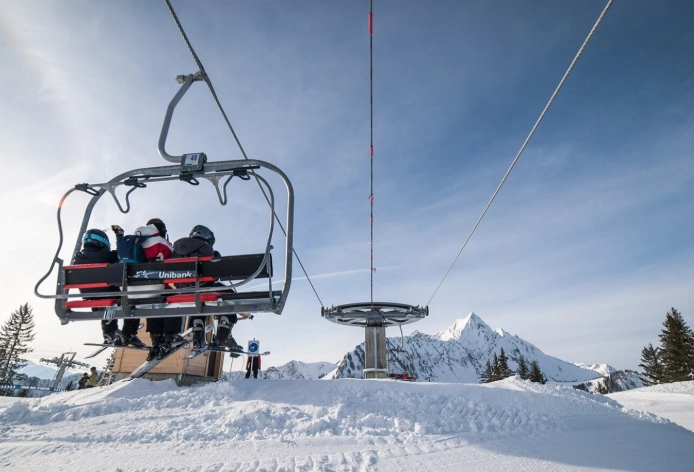
A Tale of Two Machines: Ski Lifts vs. Stair Lifts
This is where it gets interesting. The spelling journey for the ski lift and the home mobility aid have run in parallel, but not always perfectly in sync. They started as descriptive phrases and evolved into compound nouns, which is a very common process in English (think "web site" becoming "website").
The Ski Chairlift: From Novelty to Standard Term
The first ski chairlifts were built in the 1930s in Sun Valley, Idaho. They were a revolution. Naturally, they were described in newspapers and pamphlets as "chair lifts"—two words, because it was a new thing. A lift. For chairs. Makes sense.
Over decades, as the technology became ubiquitous at ski areas worldwide, the term solidified. By the late 20th century, "chairlift" had become the standard in industry publications, resort maps, and equipment catalogs. Major style guides followed suit. The Associated Press Stylebook, the bible for much of journalism, lists it as one word. So does the Chicago Manual of Style.
I have an old ski guidebook from the 1970s on my shelf. Flipping through it, I see "chair lift" used consistently. Compare that to a modern resort website—it's all "chairlift." That shift happened right under our noses. The two-word version now feels charmingly retro, like saying "ice box" instead of refrigerator.
You'll still find "chair lift" in some older regulatory documents or in the writing of folks who learned the term a long time ago and haven't updated. But in contemporary use, especially in digital content, the single word dominates.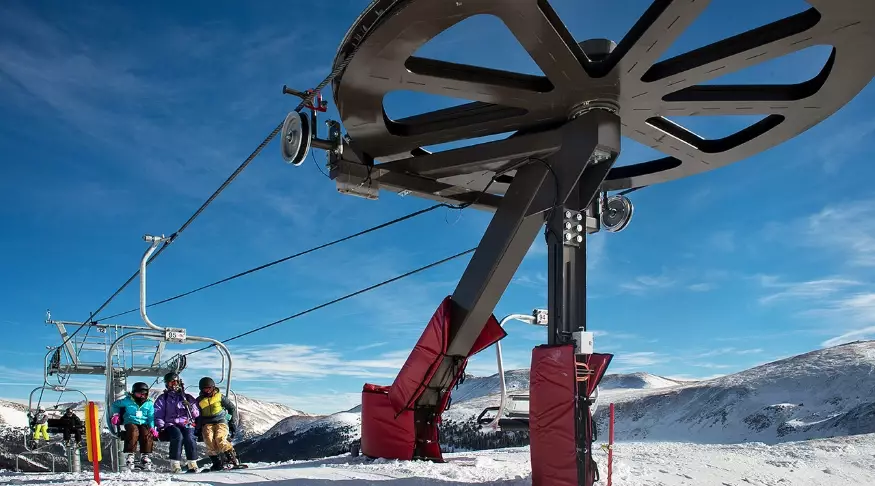
The Stairlift: A Clear-Cut Case
The story for the indoor mobility device is even more straightforward. Perhaps because it entered common home use later, or because it's a more specialized medical/accessibility product, it seemed to standardize as a single word more quickly. From major manufacturers like Acorn and Stannah to healthcare advisories, stairlift is the overwhelming norm.
The NFPA 101 Life Safety Code, a key standard for building safety, uses terms like "stairway chair lifts" in its descriptions, which is a fascinating hybrid. But for the product itself, the industry settled on "stairlift." Using "stair lift" might make a potential customer wonder if your company is behind the times.
So, for the home device, the answer is even more clear-cut.
What Do the Authorities Say?
Let's consult the references. This isn't about blind authority, but seeing where consensus has formed.
- Merriam-Webster Dictionary: Lists "chairlift" as the main entry, with "chair lift" listed as a less common variant. For the indoor device, it's "stairlift".
- Oxford English Dictionary (OED): The historical record-keeper. Its entry is for "chair-lift" (with a hyphen), tracing early uses. But it notes the term is "frequently as one word." Hyphenated forms are often a middle stage between two words and one word. The OED entry for the stair-climber is "stairlift."
- Wikipedia: As a reflection of common modern usage, its articles are titled "Chairlift" and "Stairlift."
The trend is undeniable. The closed compound is the modern standard.
Beyond the Chair: The Whole Ski Lift Family
While we're solving the "chair lift or chairlift" puzzle, it's helpful to look at the whole family of ski lifts. Their naming conventions are surprisingly consistent and reinforce the pattern.
| Lift Type | Standard Spelling | Description | Typical Capacity |
|---|---|---|---|
| Chairlift | One word | Seats hung from a cable, no enclosure. | 2-8 people per chair |
| Gondola | One word | Enclosed cabins hung from a cable. | 4-15 people per cabin |
| T-bar | Hyphenated | A pulling device shaped like an inverted T. | 2 people |
| Rope tow | Two words | A simple, moving rope to hold onto. | Many, in line |
| Magic carpet | Two words | A conveyor belt on the snow surface. | Many, in line |
See the pattern? The more complex, permanent, and "institutional" the lift, the more likely its name has condensed into a single word or hyphenated form. "Chairlift" and "gondola" sit at that top tier. Simpler, often older technologies retain their two-word descriptive names.
This consistency across terms is a strong clue that "chairlift" is the evolved, technical term for that specific machine.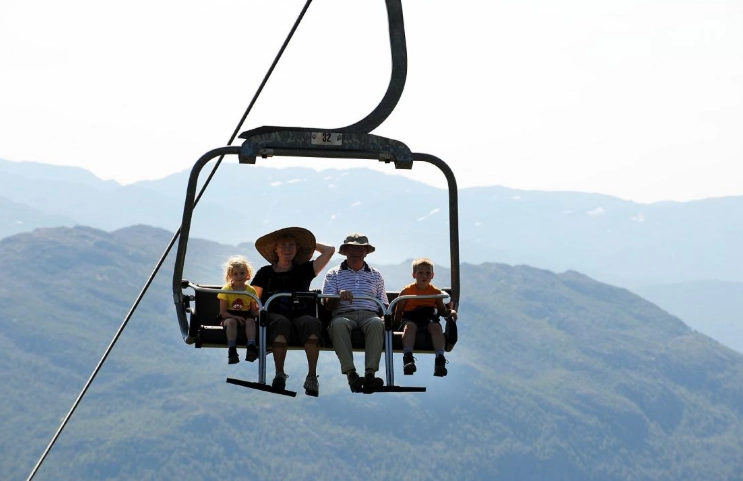
Common Questions and Tangled Situations
Okay, so the rule is pretty clear. But language is messy. Here are some specific situations where you might still wonder.
What if I'm writing in a very formal or legal context?
Always check the specific style guide or document set you're aligning with. Some government or legacy industry documents may cling to older forms. If you're quoting a source that uses "chair lift," you should quote it accurately, of course. But for your own new writing, adopting the modern standard (chairlift) is almost always the better choice, even in formal contexts.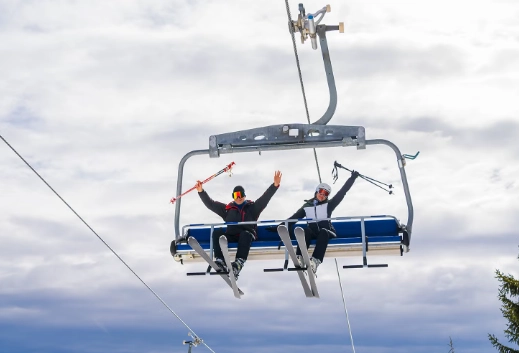
Is "chairlift" one word or two in British vs. American English?
This is a great question. Often, compounds solidify faster in American English. But in this case, both major variants have settled on the single word. The UK's Collins Dictionary lists "chairlift" as the primary spelling. So, no transatlantic conflict here.
What about other similar terms, like "ski lift"?
"Ski lift" remains solidly two words. It's the generic, umbrella term for all these devices (chairlifts, gondolas, etc.). You wouldn't say "skilift." This is an important distinction. A chairlift is a type of ski lift. So, you'd write: "The resort installed a new high-speed chairlift to improve its ski lift network."
Handy Mnemonic: Think of the lift itself. For the big, permanent machine, the lift is part of the name (chairlift). For the general category, it's a lift for skiing (ski lift).
My Personal Take and Final Recommendation
I used to be a "chair lift" holdout. It felt more logical, more transparent. But language isn't always about logic; it's about usage. After seeing "chairlift" everywhere from The New York Times to the website of every major ski resort in North America and Europe, I surrendered. Fighting it felt like insisting on "to-day" instead of "today."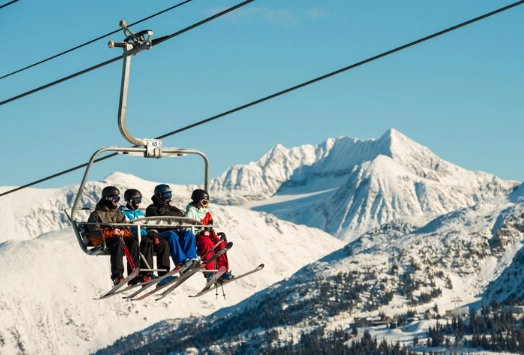
My final, bottom-line advice for anyone wondering is it a chair lift or a chairlift:
- For the Ski Resort Machine: Use chairlift. It's the professional, modern, and search-friendly standard. Reserve "chair lift" only for historical context or direct quotes.
- For the Home Accessibility Device: Use stairlift. This is even more settled. "Stair lift" will mark you as out of touch with the industry.
The only real exception is if you are deliberately writing in an old-fashioned style or directly engaging with historical documents. For 99% of contemporary writing—blogs, marketing, technical sheets, emails—the single word is the correct choice.
So next time you're typing, you can do it with confidence. No more hesitating. The answer to "chair lift or chairlift?" is clear. It's chairlift. Now go enjoy the ride, or write that product description with authority.