In This Article
Let's be honest, for the longest time, if you searched for "Nordic combined," you'd be greeted by a wall of men. Ski jumping followed by cross-country skiing, a classic test of versatility and grit, but one that seemed like a boys' club for decades. That changed, and it changed in a big way. The story of Nordic combined women isn't just about a new sporting category; it's a story of persistence, breaking down doors, and athletes who trained for a dream without a guaranteed Olympic stage. I remember watching winter sports coverage years ago and wondering where the women were in this incredibly demanding event. The answer was complicated, wrapped up in old-fashioned notions and a lack of institutional support. But now? It's one of the most exciting narratives in winter sports.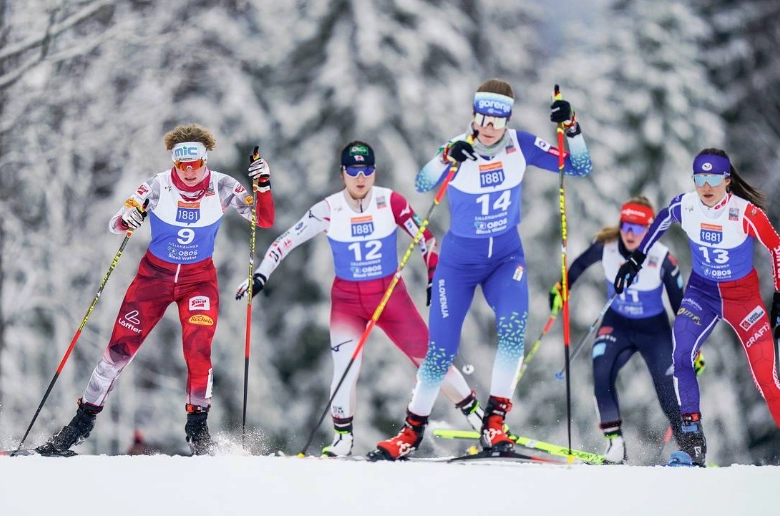
So, what's the big deal now? Well, everything. We have a World Cup circuit buzzing with talent, a world championship podium, and the holy grail: Olympic inclusion starting at Milan-Cortina 2026. This guide is for anyone who's curious, for new fans who want to know the names to watch, for aspiring athletes wondering if there's a path, and for sports lovers who appreciate a good comeback story. We're going past the basic Wikipedia entry. We'll talk about the athletes who paved the way, the unique challenges they face, how the competition actually works, and where you can even try it yourself. Strap in.
From Pioneers to the Present: A Rocky Road to Recognition
The history isn't long, but it's dense. Women have been ski jumping for a while, and cross-country skiing has a rich women's history. But combining them? That was the hurdle. For years, the International Ski Federation (FIS) and the International Olympic Committee (IOC) didn't see a "competitive field" for women's Nordic combined. It was a classic catch-22: without support and visibility, how do you build a field? A handful of athletes, mostly in Europe and North America, kept training and pushing anyway. They competed in lower-tier Continental Cups, basically building the sport from the ground up with sheer willpower.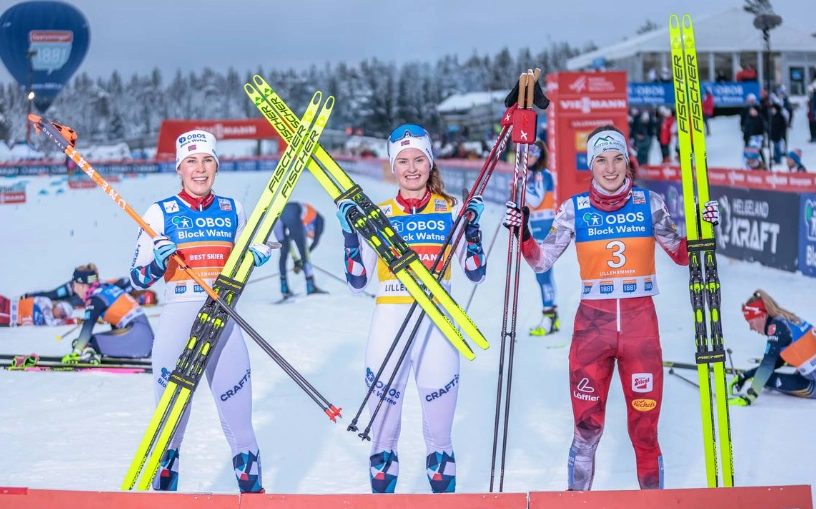
The tide really started to turn in the late 2010s.
Pressure from athletes, national federations, and advocacy groups grew louder. The inclusion of women's ski jumping as a standalone Olympic event in 2014 was a huge precedent. It showed the demand was there. Finally, in 2020, FIS officially integrated women's Nordic combined into its World Cup calendar. The first World Cup event was held in 2021 in Ramsau, Austria. It felt like a validation decades in the making. You can read the official FIS announcement from that pivotal period on their website, which archives these milestones.
The first FIS Nordic World Ski Championships to feature a women's Nordic combined event was in Oberstdorf 2021. Norway's Gyda Westvold Hansen won that historic first gold. That championship moment was the final, undeniable proof of concept the IOC needed. The announcement of inclusion for the 2026 Olympics felt less like a surprise and more like a long-overdue correction.
Meet the Athletes: The Stars of Women's Nordic Combined
This is the fun part. The field is growing, but a few names have already established themselves as the ones to beat. It's a fascinating mix of backgrounds. Some came from pure cross-country, others from ski jumping, and a few dedicated themselves to the combined path from a young age. The skill sets are diverse, which makes the competition unpredictable and thrilling.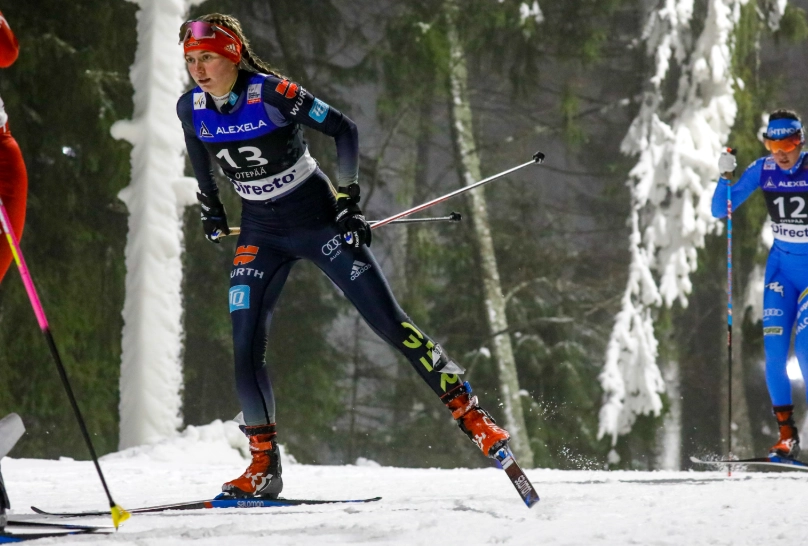
Let's look at some of the top contenders who dominate the conversation around Nordic combined women today. This isn't just a ranking; it's a look at their profiles and what makes them stand out.
| Athlete (Nationality) | Key Strength | Notable Achievement | What Makes Her a Threat |
|---|---|---|---|
| Gyda Westvold Hansen (NOR) | Dominant Cross-Country Skier | First Women's World Champion (2021), Multiple World Cup Crystal Globes | Her racing speed is often unmatchable. Even with a mediocre jump, she can chase down the leaders. She's the consistent force. |
| Ida Marie Hagen (NOR) | Powerful & Technical Jumper | World Championship Silver (2023), Strong Jumping Results | If she lands a big jump, she gets a huge head start. The challenge for her is holding off the pure skiers like her teammate. |
| Annika Sieff (ITA) | All-Rounder, Great Technician | World Championship Bronze (2023), First Italian Podium | Represents the growing depth. Extremely steady in both phases, rarely makes big mistakes. A podium regular. |
| Mari Leinan Lund (NOR) | Explosive Junior Talent | Youth Olympic Champion, Junior World Champion | Part of the frighteningly deep Norwegian pipeline. Shows the future of the sport is in young, specialized talents. |
| Jenny Nowak (GER) | Strong Jumper, Improving Skier | World Cup Podiums, Key Figure for German Team | Germany's top hope. Her jumping can put her in the lead pack, and her skiing has improved dramatically year over year. |
| Natalie Armbruster (USA) | Pioneering Spirit, Determined Racer | Top American Finisher in World Cups | Represents the North American effort. Her progress shows the global spread of the sport beyond its European heartland. |
Watching the dynamic between Hansen and Hagen is a masterclass in strategy. Hansen is the hunter, often starting 30-40 seconds back but moving through the field like a train. Hagen is the front-runner, trying to build a gap so big it can't be closed. It's a beautiful tension. And seeing athletes like Sieff break the Norwegian dominance is crucial for the sport's international appeal.
The American and Canadian Scene: Building from Scratch
It's tough over here, I won't sugarcoat it. Infrastructure for ski jumping is limited, and finding coaches who understand the combined discipline for women is even harder. Athletes like Natalie Armbruster (USA) and Alexa Brabec (USA) are essentially writing the manual as they go. They spend chunks of the year training in Europe to access proper facilities. The U.S. Ski & Snowboard website has a dedicated page for Nordic combined that, while still heavily male-focused, is starting to feature these women's results and stories. Their progress, even if not yet on the podium, is monumental. Every top-15 finish in a World Cup is a victory for the program.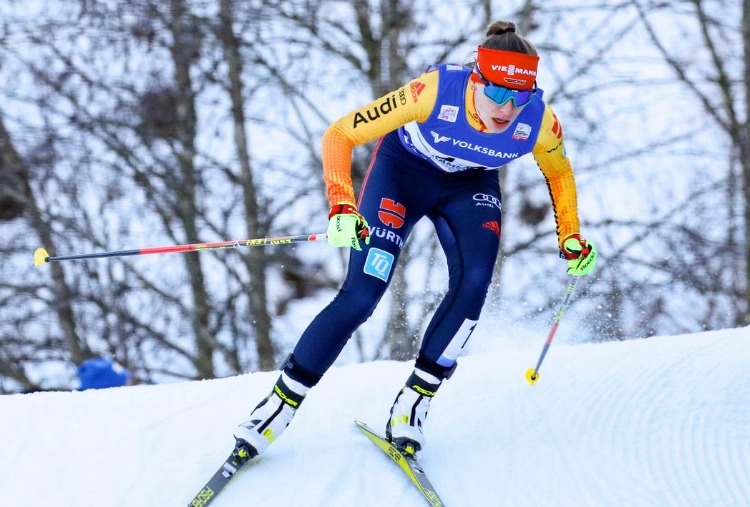
How It All Works: Rules, Formats, and the Nitty-Gritty
Okay, so you know it's jump then ski. But the devil's in the details, and for Nordic combined women, some specifics are still evolving as the sport establishes itself.
The Jump: Currently, women compete on the normal hill (HS around 98-106 meters). There's ongoing discussion about potentially introducing a large hill event in the future as the athletes' technical level progresses, but for now, the normal hill is the standard. Each athlete gets one competition jump. Distance points and style points from five judges are combined. A longer jump isn't automatically better if the form is messy. This score is then converted into time advantages for the race.
The Race: The standard individual distance is 5km for women. It's a mass start, but staggered based on the jumping results. They use the free technique (skating) in cross-country. It's a pure pursuit race. The first person to cross the finish line wins the entire event. No complicated calculations needed at the end. What you see is what you get, which is part of its beauty. The athlete who started 1st after the jump isn't necessarily the winner; they have to hold off the faster skiers behind them.
Other formats exist, like the Compact Version (shorter race, sometimes used in team events) and there's talk of a Team Event (like a relay) being developed for women, which would be incredibly fun to watch.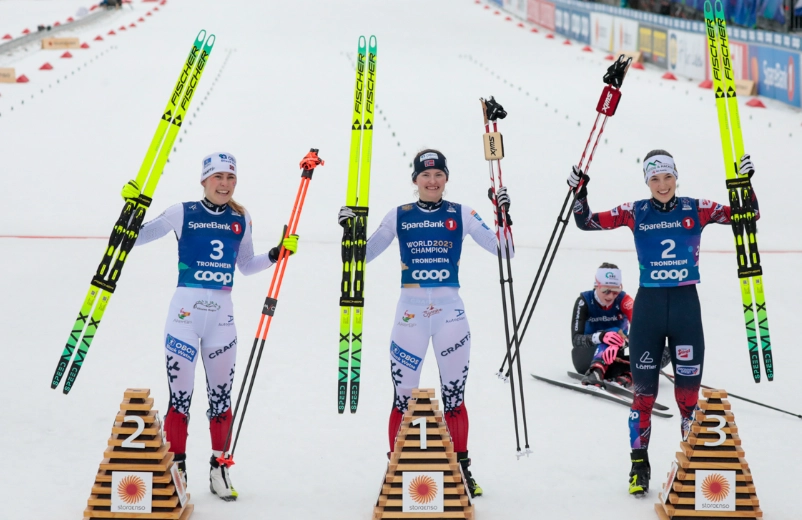
What's the Biggest Misconception?
That it's just two separate sports glued together. The training is completely integrated and unique. It's not like training for jumping half the day and skiing the other half. The fatigue management is key. How do you train your legs for explosive jumping without trashing them for a long, endurance-based ski session later in the day? The athletes and coaches have developed highly specialized year-round plans that balance strength, power, technique, and massive aerobic volume. It's a constant puzzle.
Thinking of Giving It a Try? A Realistic Pathway
Maybe you're a young skier reading this, or a parent. The pathway is clearer now than ever, but it's still not easy. Here’s a blunt, step-by-step look.
First, you need a base.
Most successful Nordic combined women come from a background in either cross-country skiing or ski jumping. Starting in one of those disciplines is almost a prerequisite. Join a local club. For jumping, that will likely mean being in a region with a ski jumping club (think Lake Placid, Park City, parts of the Midwest and Canada, or obviously in Europe).
- Age 10-14: Focus on fundamentals in one primary sport. Develop a love for skiing and being outdoors. General athleticism is key—gymnastics, soccer, anything that builds coordination.
- Age 15-18: This is where the combination can start. If you're a jumper, you must add serious cross-country volume. If you're a cross-country skier, you need to learn to jump (which is a huge mental and technical hurdle). Attend combined-specific camps if you can find them. The U.S. holds periodic tryout camps.
- Post-High School: The European model often involves sports schools or military sports groups (like in Norway). In North America, some NCAA ski racing programs might support a combined athlete, but it's rare. The most direct path is to aim for the national team development program and train where the facilities are.
Is it worth it? If you love both sensations—the flight of a jump and the grind of a race—there's nothing else like it. The community is small but incredibly supportive because everyone has fought the same battles.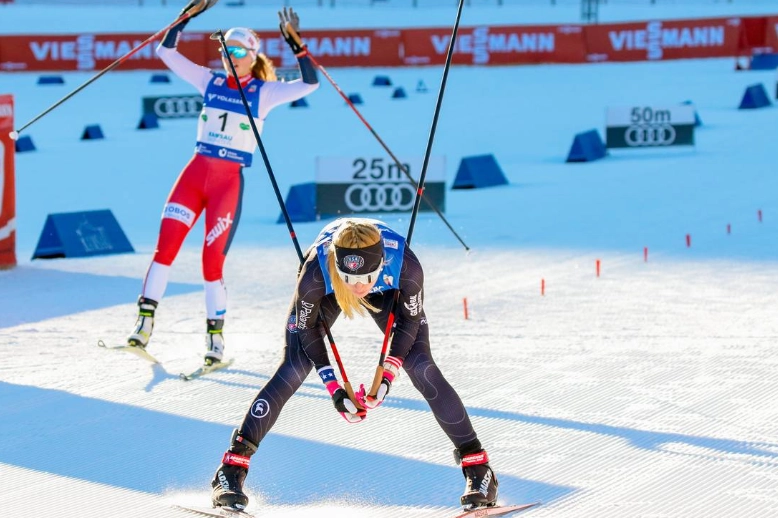
The Road to Milan-Cortina 2026 and Beyond
The 2026 Winter Olympics will be the landmark moment. The spotlight will be immense. For the athletes who struggled in obscurity, it will be vindication. For the sport, it's a chance to capture a global audience. The hope is that Olympic exposure will trigger a domino effect: more media coverage, more sponsorship dollars for athletes, more funding for national programs, and more kids seeing it as a viable option.
What needs to happen for the sport to thrive long-term?
- Depth Beyond Norway: Norway's dominance is impressive but can be a problem for viewer interest. The growth of strong programs in Germany, Italy, Austria, Japan, and the USA/Canada is essential.
- Media Investment: Broadcasters need to treat it as a premier event, not a curiosity. Good storytelling about the athletes' journeys will hook people.
- Grassroots Growth: This is the big one. Creating more accessible entry points for young girls, like combined introductory camps linked to existing ski clubs.
Personally, I'm excited to see if new formats emerge. A mixed-gender team event (one man, one woman) would be dynamic. A sprint version? The evolution is just beginning.
Your Questions, Answered (FAQ)
I've gotten a lot of the same questions from friends when I nerd out about this sport. Here are the straight answers.
The final turn.
The journey for Nordic combined women has been a marathon, not a sprint. From fighting for a start gate to preparing for an Olympic debut, it's a testament to the athletes who never stopped. For fans, it offers a chance to get in on the ground floor of a sport that's raw, competitive, and filled with compelling stories. It's no longer a historical footnote. It's the main event, finally getting its due. Keep an eye on those World Cup standings, and definitely clear your schedule for February 2026. You'll want to see history made.