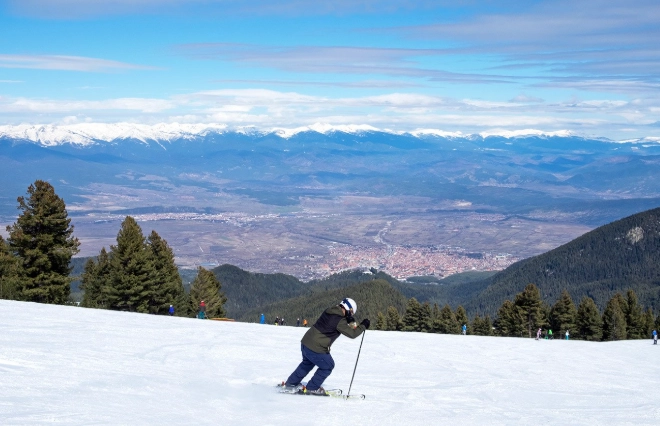
Quick Navigation
- It All Starts With the Terrain: Where You'll Actually Be Skiing
- The Gear Showdown: What's Actually Strapped to Your Feet
- The Fitness Factor: What Your Body Is In For
- Learning Curve and Skills: Which Is Harder to Learn?
- Cost Analysis: The Wallet Impact of Cross Country Skiing vs Alpine
- Who Is Each Style Best For? A brutally honest matchup.
- Bridging the Gap: Backcountry Touring and Telemark
- Common Questions About Cross Country Skiing vs Alpine
- Final Thoughts: Making Your Choice
So you're looking at getting into skiing this winter, or maybe you're just curious about the different flavors out there. You've probably heard the terms "cross country" and "alpine" thrown around. They're both skiing, right? How different can they be?
Let me tell you, the difference is about as big as the one between a leisurely bike ride through the park and downhill mountain biking on a black diamond trail. They share a common ancestry—sliding on snow with planks attached to your feet—but the experience, the gear, the mindset, and even the crowds are worlds apart.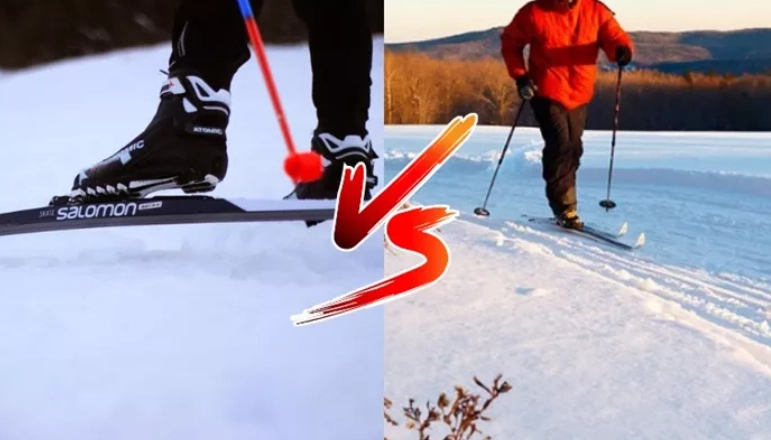
I've spent seasons doing both, from the serene, rhythmic crunch of cross country tracks in the quiet woods to the adrenaline-pumping, gravity-fueled rush of alpine resort runs. I've also had my share of spectacular wipeouts in both disciplines, so trust me, I've learned the hard way.
This whole cross country skiing vs alpine debate isn't about which one is "better." That's like arguing whether coffee is better than tea. It's about which one is better for you, for your fitness, your budget, your idea of a good time, and the kind of winter scenery you want to immerse yourself in.
The 10-Second Snapshot
Alpine (Downhill) Skiing: You ride a lift up, you point your skis down, and gravity does most of the work. It's about speed, carving turns, and navigating variable terrain. Think resorts, packed snow, and après-ski lodges.
Cross Country (Nordic) Skiing: You propel yourself across mostly flat or rolling terrain. Your heel is free, and you're the engine. It's about endurance, rhythm, and exploring trails through forests and fields. Think tranquility, cardio burn, and self-powered adventure.
If you're trying to decide between cross country and alpine skiing, you're asking the right first question. Let's dig into the gritty details so you can make a choice you won't regret.
It All Starts With the Terrain: Where You'll Actually Be Skiing
This is the most obvious split. Your environment dictates everything.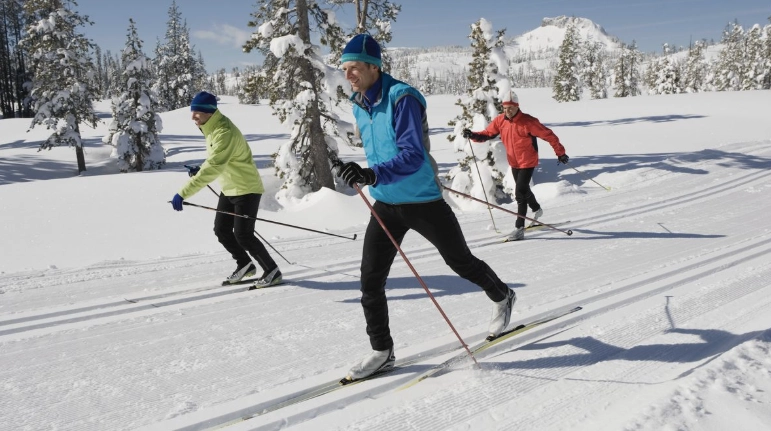
Alpine Skiing Terrain: The Manufactured Mountain
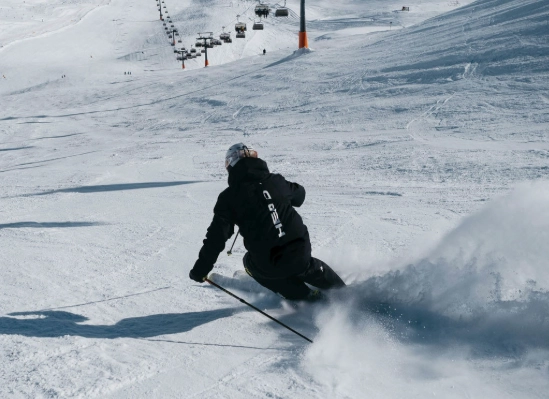
Alpine skiing happens at ski resorts. These are engineered landscapes. Trails (or "runs") are meticulously groomed, graded by difficulty (green circle, blue square, black diamond), and cut into the side of a mountain. You access them via lifts—chairlifts, gondolas, sometimes a tram.
The vibe is social, often bustling. You're sharing the space with hundreds, sometimes thousands, of other skiers and snowboarders. The focus is vertical: how many vertical feet can you descend in a day? The view from the top is often breathtaking, a reward for the ride up.
I love a perfect corduroy groomer on a bluebird morning as much as anyone. But let's be real—holiday weekends can feel like navigating a highway during rush hour. And if you're on a budget, staring at the lift ticket price can induce a different kind of vertigo.
Cross Country Skiing Terrain: The Tamed Wilderness
Cross country skiing terrain is lateral. It's about distance covered, not vertical dropped. You'll find it in dedicated Nordic centers, which groom intricate networks of trails, or out in the backcountry on un-groomed snowmobile trails and forest roads.
Nordic centers groom two parallel tracks for your skis to glide in (called "classic" skiing) and a wide, smooth lane for "skate" skiing. The trails wind through quiet pine forests, across frozen lakes, and over gentle hills. The sound is often just your own breathing and the swish of your skis.
It's a solitary, meditative experience. You might pass a handful of other skiers, often with a quiet nod. The cost? Usually a trail pass that's a fraction of an alpine lift ticket. You can even ski for free in many public parks if there's enough snow. The trade-off is you don't get the dramatic, wide-open mountain vistas—you get intimate, woodsy scenes.
So in the cross country skiing vs alpine skiing terrain battle, ask yourself: Do I crave the thrill of a mountain descent, or the peace of a forest journey?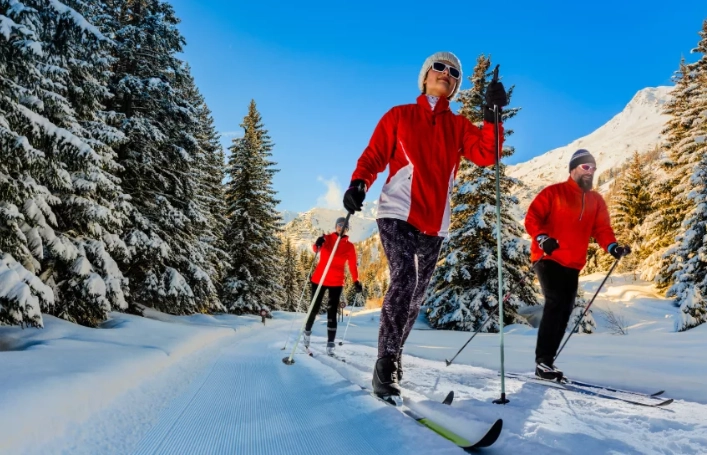
The Gear Showdown: What's Actually Strapped to Your Feet
This is where the technical differences hit home. The equipment is fundamentally different because the jobs are fundamentally different.
| Gear Component | Alpine (Downhill) Skiing | Cross Country (Nordic) Skiing |
|---|---|---|
| Skis | Shorter, wider, heavily sidecut for turning. Stiff construction to handle speed and variable snow. Edges are sharp metal for grip on ice. | Longer, narrower, very little sidecut. Lightweight and flexible to allow a "kick and glide" motion. No sharp edges for classic skiing. |
| Bindings & Boots | Boots are rigid, plastic shells that clamp your ankle and calf. They click into bindings that fix your heel down securely. It's all about control and power transmission to the ski edges. | Boots are soft, like sturdy hiking boots or sneakers. Bindings only secure the toe, leaving your heel free to lift. This freedom is essential for the striding motion. |
| Poles | Shorter poles, designed for balance and timing turns while descending. | Longer poles, reaching up to your armpit or higher, to provide powerful propulsion with each plant. |
| The Core Concept | Control Descent. Equipment is designed for stability at speed, leveraging gravity, and executing precise turns. | Enable Propulsion. Equipment is designed for efficiency of movement, minimizing weight, and maximizing glide on flat ground. |
What You Actually Need to Buy (or Rent)
For Alpine Skiing: You need it all—skis, boots, poles. Helmet (non-negotiable, in my opinion). Goggles. Appropriate cold-weather layers. Renting is extremely common and a great way to start. Buying alpine gear is a significant investment.
For Cross Country Skiing: You need skis, boots, poles. Clothing is simpler—you'll heat up fast, so think breathable layers. You can often rent a complete package from a local Nordic center or outdoor shop for very little money. The barrier to owning your own gear is much lower.
I made the mistake of using my alpine socks for my first long cross country ski. Big error. Your feet sweat completely differently. Alpine is about staying warm while stationary on lifts; cross country is about managing heat while working constantly.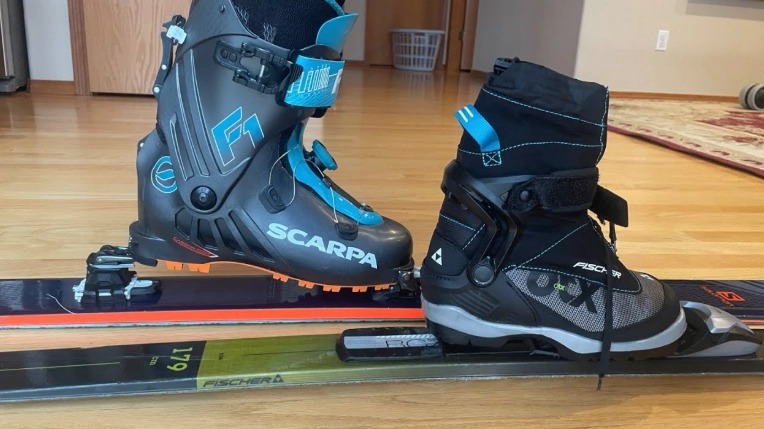
The Fitness Factor: What Your Body Is In For
This is a huge differentiator that doesn't get enough attention.
Alpine Skiing Fitness: Bursts of Intensity
Alpine skiing is anaerobic. It's a series of powerful, isometric contractions. Your thighs burn on a long run as you control your descent. It demands core strength, balance, quick reflexes, and leg endurance. A day of alpine skiing feels like doing hundreds of lunges and squats on a moving, unstable platform.
But here's the secret: the lifts do the uphill work. You can tailor your day. Take a break on the chairlift. Stop for a hot chocolate. The cardiovascular demand is in bursts, tied to the length of your run. It's tough, but it's punctuated by rest periods.
Cross Country Skiing Fitness: Sustained Cardio Engine
Cross country skiing is often cited as one of the best cardiovascular workouts on the planet. It's aerobic, full-body endurance. You're using your legs, your core, your arms, and your back in a coordinated, rhythmic motion for potentially hours.
There is no lift. You are the lift. If you want to go up a hill, you have to herringbone or sidestep up it. It's relentless in the best way. You set your own pace, but stopping means you stop moving forward (unless you're on a downhill section).
My Take: I find alpine skiing more physically punishing in a localized, muscle-fatigue way (the infamous "jelly legs"). Cross country skiing is more of a total-body drain, leaving me evenly tired but wonderfully satisfied. If you're a runner, cyclist, or hiker, you'll likely adapt to cross country fitness demands faster. If you're into strength sports or HIIT, alpine's demands might feel more familiar.
Learning Curve and Skills: Which Is Harder to Learn?
Another common question in the cross country vs alpine skiing discussion.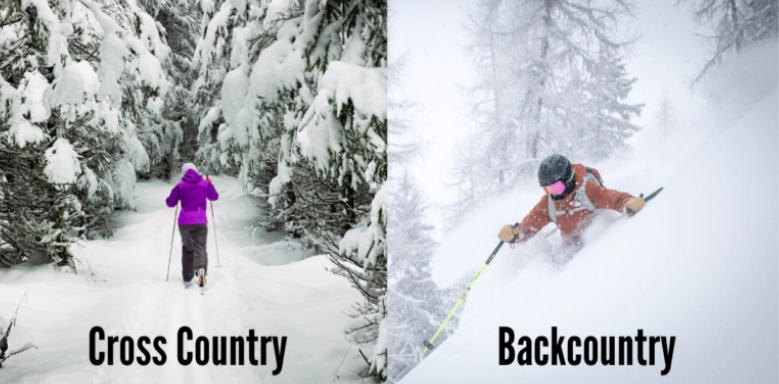
Alpine Skiing: Has a steeper initial learning curve. Simply standing, sliding, and making a basic wedge (pizza!) to stop requires coordination and overcoming fear. Falling hurts more at higher speeds. Becoming proficient—linking parallel turns, handling varied snow—takes time and practice. But the basics to have fun on easy greens can be learned in a day or two of lessons.
Cross Country Skiing: Has a deceptively gentle initial curve but a long road to mastery. The basic "diagonal stride" in the tracks is intuitive. You can be moving forward pleasantly within an hour. Falling is less scary (lower speeds, softer snow). However, to become efficient, fast, and graceful requires significant technique. Learning to skate ski is like learning to ice skate from scratch—it's a whole new skill set. And going downhill on skinny skis with free heels is its own unique, often wobbly, challenge.
Beginners often feel a sense of accomplishment faster in cross country.
But both sports have depths you can spend a lifetime exploring.
Cost Analysis: The Wallet Impact of Cross Country Skiing vs Alpine
Let's talk money, because this is a major deciding factor.
- Lift Tickets vs Trail Passes: This is the big one. A single-day lift ticket at a major alpine resort in North America can easily exceed $200 on peak days. A season pass can run into the thousands. A day pass at a top-tier Nordic center is typically $25-$40. A season pass is often a few hundred dollars.
- Gear Cost: High-performance alpine gear (skis, boots, bindings) is expensive. A solid new setup can be $1500+. Entry-level packages start around $500-$700. Cross country gear is cheaper. A good new classic ski package can be $400-$600. Skate ski packages are more, but still generally under alpine costs.
- Apparel: Alpine requires serious winter armor: insulated pants, heavy jacket, good gloves. Cross country requires technical, breathable layers, which you may already own from running or hiking.
- Travel & Lodging: Alpine resorts are destination locations. Travel, parking, and on-mountain food are premium priced. Nordic centers are often closer to population centers or are day-trip friendly.
It's not even close. Cross country skiing is dramatically cheaper for ongoing access. Alpine skiing is a premium, destination-oriented activity. You can make alpine cheaper with season passes, off-peak days, and bringing your own food, but the baseline cost is high.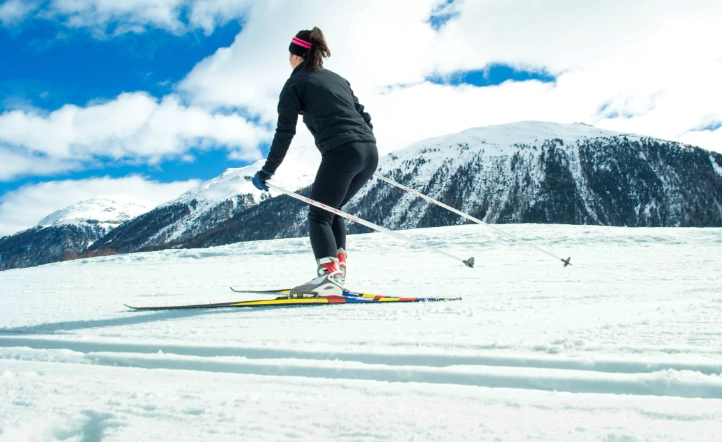
This cost difference is why I ended up doing way more cross country skiing after college. Alpine was a special weekend or vacation splurge. Cross country became my regular winter workout and escape. It kept me connected to the snow without bankrupting me.
Who Is Each Style Best For? A brutally honest matchup.
You might prefer Alpine Skiing if...
- You love adrenaline, speed, and a sense of controlled risk.
- You view a vacation as hitting a resort with friends and family.
- You enjoy a social, bustling atmosphere (lodges, bars, people-watching).
- You prefer shorter bursts of intense activity followed by breaks.
- You have the budget for lift tickets and travel.
- Your primary goal is fun and thrill, not necessarily a workout.
You might prefer Cross Country Skiing if...
- You seek peace, quiet, and connection with nature.
- You want an exceptional, full-body winter cardio workout.
- You're budget-conscious but want regular winter activity.
- You enjoy endurance sports like running, hiking, or cycling.
- You prefer solitude or small-group outings.
- You like the idea of exploring landscapes under your own power.
Bridging the Gap: Backcountry Touring and Telemark
The lines aren't always absolute. There are hybrid disciplines that borrow from both worlds.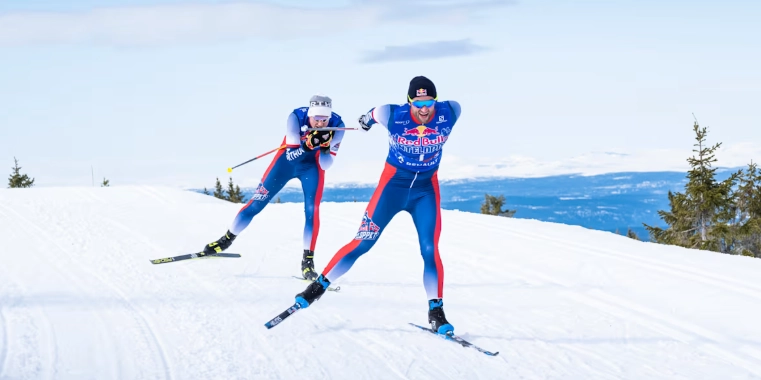
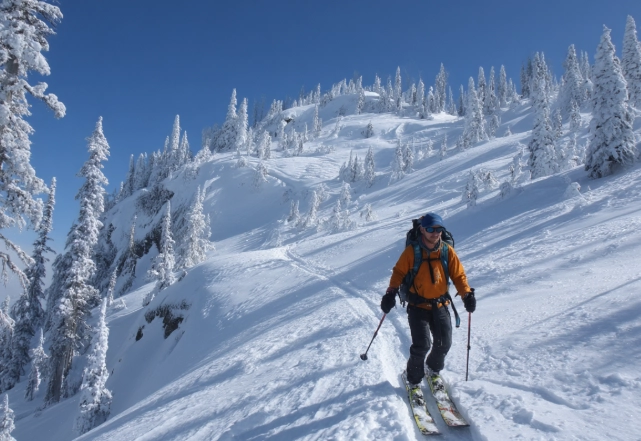
Backcountry Alpine Touring (AT): This uses alpine-style skis and boots, but with special bindings that let your heel lift for the ascent (like cross country) and lock down for the descent (like alpine). You climb up untouched mountains using "skins" on your skis for grip, then ski down pristine powder. It combines the fitness and self-propelled ethos of cross country with the thrilling descent of alpine. It's gear-intensive and requires avalanche safety knowledge.
Telemark Skiing: A historic technique using cross country-style free-heel bindings to make graceful, lunging turns down alpine slopes. It's incredibly athletic and beautiful to watch. It's a niche but passionate community. The gear is its own category.
These are for the adventurer who wants it all, and they beautifully illustrate the spectrum between our two main contenders.
Common Questions About Cross Country Skiing vs Alpine
Is cross country skiing harder than alpine?
It depends on your definition of "hard." Alpine is technically harder to learn initially and more physically demanding on your legs in short bursts. Cross country is aerobically harder, requiring sustained cardiovascular output. Going downhill on cross country skis with free heels is a unique technical challenge many find tricky.
Can I use my alpine gear for cross country?
Absolutely not. They are incompatible systems. Alpine boots cannot attach to cross country bindings, and the skis are designed for entirely different purposes. Trying would be futile and dangerous.
Which one is better for weight loss?
Cross country skiing, hands down. It burns more calories per hour (often 600-1000+ depending on intensity) because you are powering your entire movement. Alpine skiing can burn a significant amount too (400-600 per hour), but the rest periods on lifts lower the average hourly burn.
I'm afraid of speed. Which should I choose?
Cross country skiing. You control your speed entirely. While there are downhills, they are generally gentle, and speeds are low. Alpine skiing inherently involves higher speeds, which can be managed but not entirely avoided.
Where can I find reliable information on technique and safety?
For foundational knowledge, you can't go wrong with the official governing bodies. U.S. Ski & Snowboard has resources for both disciplines. For in-depth cross country technique and trail information, Cross Country Ski Areas Association (CCSAA) is a fantastic resource. For alpine-specific safety, including the responsibility code, checking sites like National Ski Areas Association (NSAA) is wise. Always take a lesson from a certified instructor when starting out—it's the fastest and safest way to learn.
Final Thoughts: Making Your Choice
Look, you don't have to pledge allegiance to one forever. Many of us happily do both, appreciating them for their different gifts.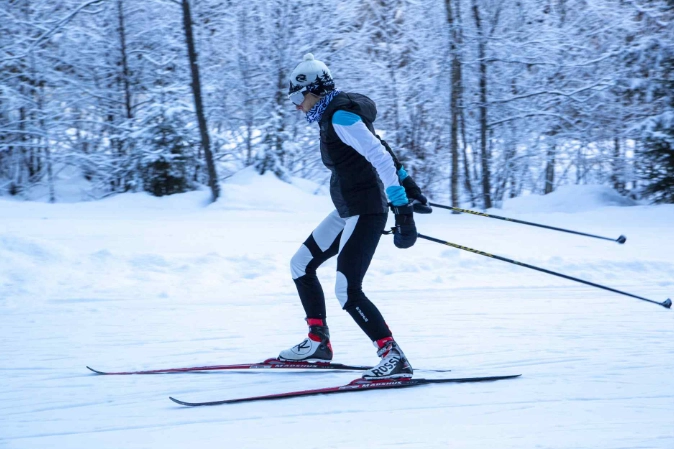
But if you're starting out and need to pick a lane, here's my blunt advice:
Choose Alpine Skiing if you want excitement, a social scene, and the iconic mountain experience, and you're okay with the higher cost for a periodic, high-intensity thrill.
Choose Cross Country Skiing if you want fitness, tranquility, a deep connection to winter landscapes, and a sustainable, affordable hobby you can do regularly right out your back door (if you have snow).
The beauty of the cross country skiing vs alpine decision is that there's no wrong answer, only the right next adventure for you. Rent some gear, take a beginner lesson in whichever calls to you, and get out on the snow. That's the only way you'll truly know which rhythm—the heartbeat-pounding descent or the steady, meditative glide—resonates with your soul.
See you out there.