In This Guide
So you've seen clips of skiers flying down a mountain or flipping through the air, and it got you wondering. What are these ski competition events all about? Is it just the fastest person wins? Why do some wear skin-tight suits and others baggy jackets? I remember the first time I tried to watch a World Cup event on TV, the commentator was throwing around terms like "GS" and "aerials" and I had absolutely no clue what was happening. It felt like they were speaking another language.
Let's change that. This guide isn't written by a distant AI. It's put together by someone who's spent cold mornings at the finish line, who's been confused by the scoring, and who's come to appreciate the insane skill involved. We're going to strip away the complexity and look at what makes these events tick, how you can actually enjoy watching them, and maybe even how you could dip a toe in the water yourself.
What Exactly Are You Watching? The Main Families of Ski Competitions
Think of competitive skiing like a big family reunion. You've got different branches, each with their own personality and rules. They all share a love for snow and speed, but that's about it. The big governing body pulling the strings for most of the world's elite events is the International Ski and Snowboard Federation (FIS). Their website is the ultimate source for rules, calendars, and results if you really want to dive deep.
I'll be honest, the FIS rulebook is drier than day-old toast. We're here for the good stuff.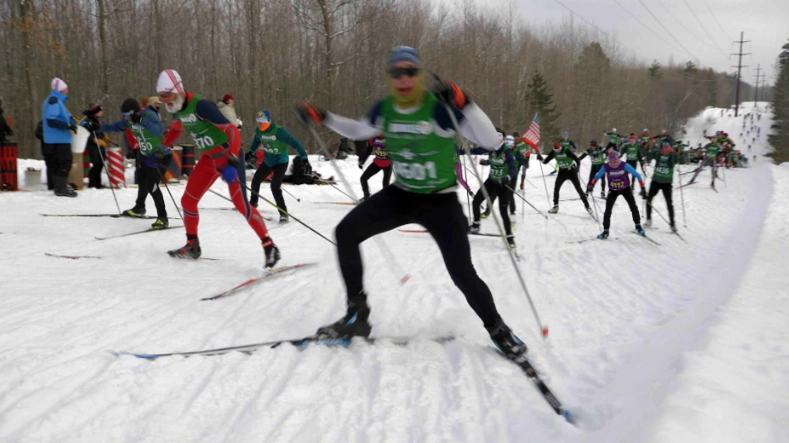
Alpine Skiing: The Need for Speed (and Precision)
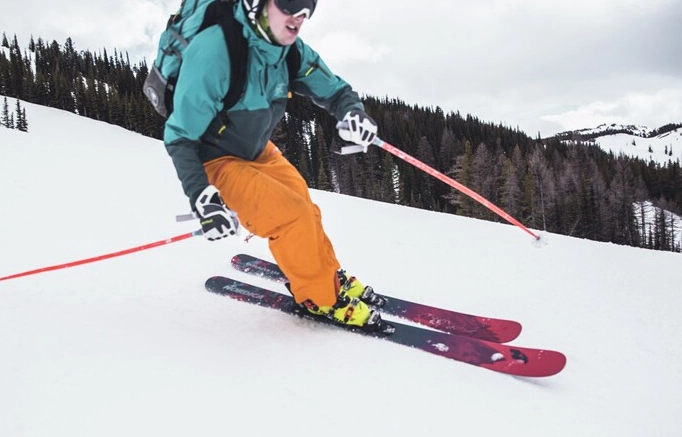
This is the classic image. Pointy helmets, curved skis, and pure, unadulterated speed. Alpine events are the backbone of the FIS Alpine World Cup circuit, which is basically the premier league of downhill skiing. It's not one thing, though. It's a spectrum from pure insanity to technical chess on snow.
| Discipline | The Vibe | Key Thing to Watch For | My Take |
|---|---|---|---|
| Downhill | Raw, terrifying speed. Courses are long, steep, and have big jumps. | Who carries the most speed through the turns and over the jumps. The clock is everything. | It's the Formula 1 of skiing. A mistake here isn't just a lost second; it can be a crash you see replayed for years. The bravery is off the charts. |
| Super-G (Super Giant Slalom) | A slightly tamer downhill. Shorter, with more turns, but still very fast. | The blend of speed and technical turning. Racers get only one inspection run before the race. | This is where you see who the real all-rounders are. It demands the guts of a downhiller and the touch of a slalom skier. |
| Giant Slalom (GS) | The technical speed event. More, tighter turns than Super-G. | The clean, carved turn. Skis should be slicing the snow, not skidding. Racers take two runs. | My personal favorite to watch. The rhythm of a skier linking perfect carved turns is like music. When they get it right, it looks effortless (it's not). |
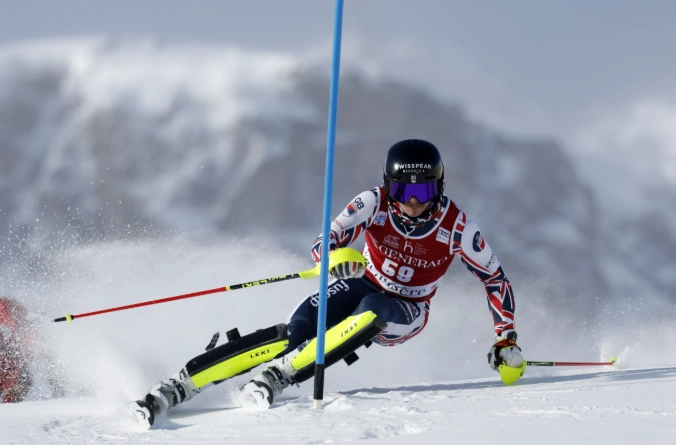
| Slalom | The quick-step. The tightest, quickest turns around plastic poles called gates. | Agility and rhythm. The skis are short, the turns are rapid-fire. Two runs, combined time. | It looks chaotic from the outside, but it's incredibly precise. Hit a gate with your arm? That's allowed—expected, even. It's a brutal test of stamina. |
See? Already it makes more sense. An Alpine combined event, by the way, is a throwback that mixes one speed run (usually Downhill) with one technical run (Slalom). It's a brutal test of versatility that you don't see as a standalone event too often anymore.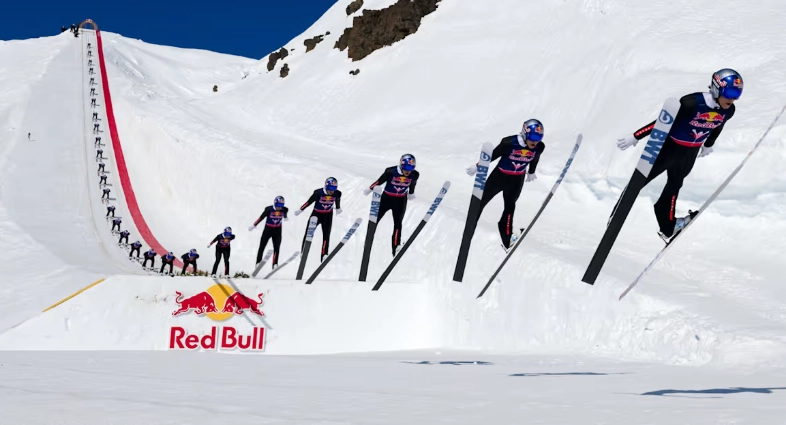
Freestyle & Freeskiing: Where Creativity Meets the Sky
If Alpine is classical music, Freestyle is jazz. It's younger, louder, and constantly evolving. This branch of ski competition events is all about tricks, style, and amplitude (that's just a fancy word for how big you go). The progression here is insane; tricks that won gold a decade ago might not even make a final now.
Let's break down the big ones:
- Moguls: Don't be fooled. This isn't just bouncing over bumps. Skiers have to rip down a steep hill of man-made bumps (moguls), perform two precise jumps with spins or flips, and do it all while staying in a perfect rhythm. The judging is based on turn quality, air, and speed. It's a leg-burner like no other.
- Aerials: Pure aerial gymnastics on skis. Skiers launch off massive jumps, perform mind-bending multi-flip, multi-twist combinations, and try to land smoothly. They're judged on take-off, form in the air, and landing. The height they get is unbelievable.
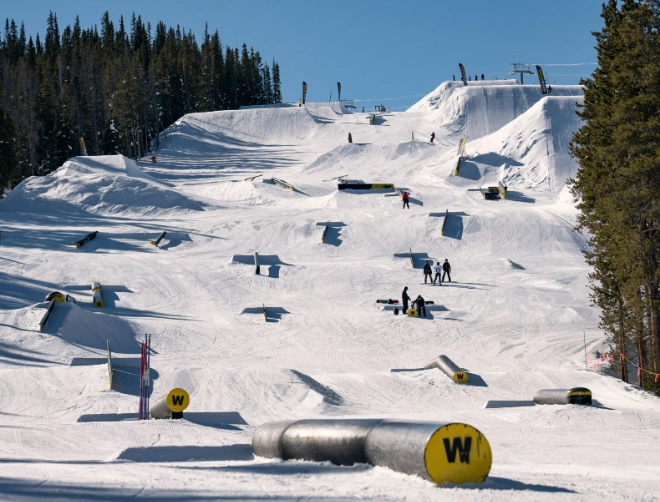
- Slopestyle: Probably the most popular to watch. Skiers navigate a course full of rails, boxes, and massive jumps, linking together their most creative and difficult tricks. Style matters as much as difficulty. A clean, stylish run can beat a messy, harder one.
- Halfpipe: Skating's vert ramp, but with snow. Skiers ride up the walls of a giant U-shaped pipe, launching out to perform tricks. They're judged on amplitude, difficulty, variety, and execution. The goal is to link multiple huge hits together.
- Big Air: One jump. One massive trick. Go for broke. It's simple, spectacular, and sometimes the landing is… dramatic.
Watching Tip:
With Freestyle events, sound on! The crowd reaction and the commentator's call are a huge part of the experience. When you hear a collective gasp followed by a roar, you know someone just did something special, even if your untrained eye missed the triple cork 1440.
Nordic & More: It's Not All Downhill
This is the endurance side of the family. It's less about gravity and more about human-powered motion across snow.
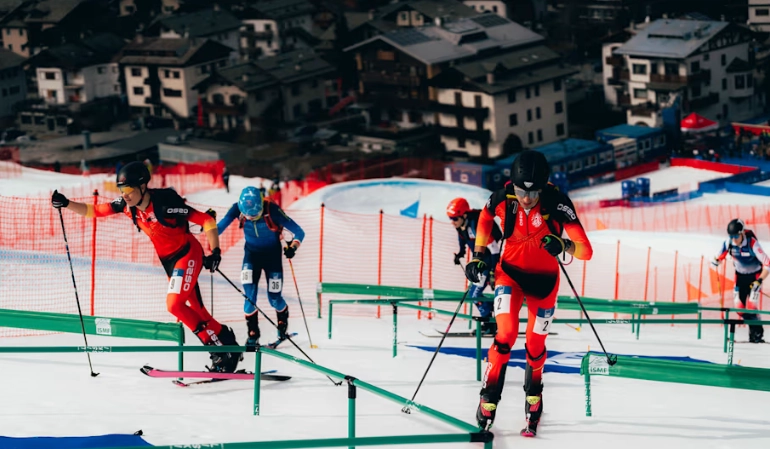
Cross-Country (XC) Skiing: Think of it as long-distance running on skis. Races range from sprints to 50km marathons. There are two main techniques: classic (a straight-ahead, striding motion) and skate skiing (which looks more like ice skating). The fitness level is inhuman. Watching a close sprint finish in XC is one of the most intense things in sports.
Then you have Nordic Combined, which is arguably the toughest test of all. It mixes ski jumping (the guts part) with a cross-country race (the lungs part). Your performance in the jump determines your start time in the XC race. It's wild.
Ski Jumping stands alone. It's pure flight. Judged on distance and style. The hill sizes (like HS140) refer to the "hill size" point where the landing slope starts to flatten. Jumping past that is the goal. The silence as they glide down the in-run, then the roar of the crowd when they land… it's iconic.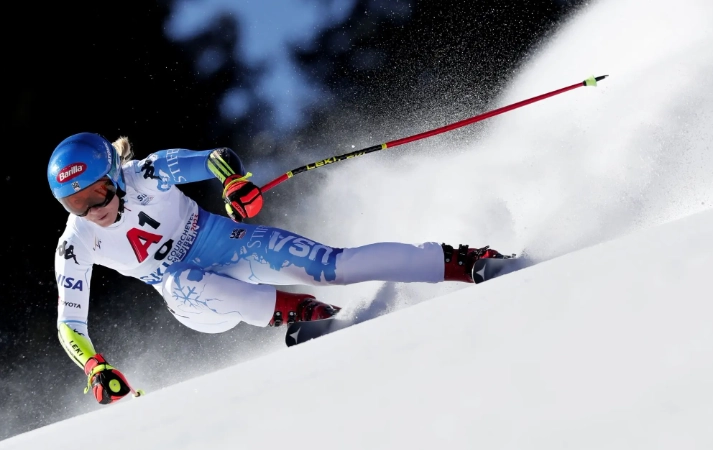
From Your Couch to the Course: How to Actually Follow These Events
Okay, so you know the players. Now how do you watch the game? This used to be the frustrating part—figuring out when and where anything was happening.
It's gotten better, but it's still not perfect.
Finding the Action: Broadcasts and Streams
Major events like the World Championships or the Winter Olympics are easy. Every major network has them. The real challenge is following the annual circuits, like the FIS World Cup tours, which are the lifeblood of the sport.
- Official Sources: The FIS YouTube channel often has highlights, and sometimes even live streams for certain events or regions. It's the first place I check.
- Sports Networks: Channels like Eurosport (in Europe) or networks like NBC/Peacock in the US hold broadcasting rights. You often need a sports package or a specific streaming subscription. It's the biggest hurdle for casual fans, honestly.
- Social Media: This is the secret weapon. Follow the FIS, teams, and athletes on Instagram and TikTok. They post incredible behind-the-scenes content, training clips, and race-day updates that you won't get anywhere else. The athletes' own stories give you a real feel for the event.
Understanding the Clock and the Scoreboard
For timed events (Alpine, Cross-Country), it's simple: fastest time wins. But look for the interval time or the split times. That's the real drama. You'll see a skier is +0.45 at the second split. That means they're four-tenths of a second behind the leader at that point on the course. Seeing them claw that back by the finish is the thrill.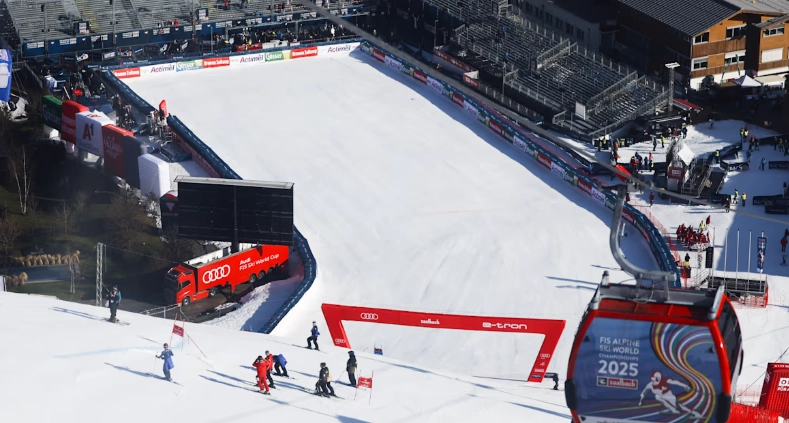
For judged events (Freestyle, Jumping), it gets subjective. Scores are out of 100, usually from a panel of judges. They'll break it down: Difficulty (DD), Execution (E), and sometimes Amplitude (A) or other criteria. The key is to not get hung up on the absolute number. Watch for the score range. If the first few skiers score in the low 80s, and someone pops an 88, you know it was a great run. The commentators are usually good at explaining why a score was high or low.
Pro Insight: In slopestyle and halfpipe, the "overall impression" score is huge. It's not just a math problem of adding trick difficulty. A run that tells a story—starting big, building to a huge trick, and finishing clean—will score better than a run with the same tricks thrown down in a random order. It's an art form.
Thinking of Giving It a Go? The Path from Enthusiast to Competitor
Maybe you're not content just watching. You ski a bit, and the idea of entering a local race has crossed your mind. Is that even possible? Absolutely. This is how the vast majority of ski competition events function—at the grassroots level.
The path usually looks like this:
- Local Club Races/NASTAR: This is the absolute starting line. Resorts run fun, low-pressure gate races. NASTAR in the US is a fantastic, nationwide program. You get a handicap, you race against people your own age and gender, and you can win medals. It's social, it's fun, and it gives you a taste.
- USSA/FIS “Citizen” Races: The next step up. These are more formal, often run under the national governing body's rules (like U.S. Ski & Snowboard). The competition gets stiffer, the courses more challenging.
- Masters Racing: This is a whole world unto itself—competitive skiing for adults. It's incredibly popular, fiercely competitive in a friendly way, and has its own circuits and championships. It's proof you're never too old to start.
For freestyle, look for local terrain park competitions or “rail jams.” Many mountains host these for amateur riders. The vibe is usually super supportive. Everyone cheers for everyone else to land their trick.
Questions You're Probably Asking (FAQ)
Wrapping It Up: The Real Appeal
After all this talk of rules and formats, let's not forget the point. Ski competition events are compelling because they're a raw battle against elemental forces. It's a person, on sticks, on a slippery mountain, trying to exert control where control is fragile. In Alpine, it's a fight against time and gravity. In Freestyle, it's a fight against physics and fear. In Nordic, it's a fight against your own body's limits.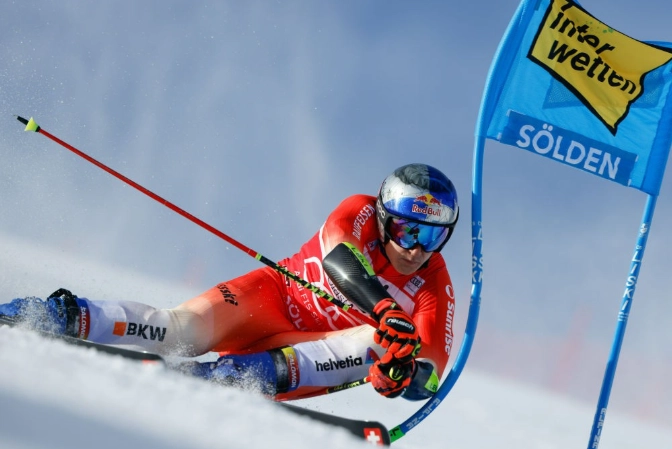
The next time you see a clip, you'll see more. You'll understand why the slalom skier is slapping gates, why the mogul skier's upper body is so quiet, why the cross-country skier looks like they're in agony at the finish. You'll get the drama behind the start number, the significance of a green light on the timing clock.
And maybe, just maybe, you'll look up the date of the next World Cup event in your timezone, or even the local NASTAR race at your home mountain.
The world of competitive skiing is deep and varied. It's got something for everyone who loves winter, sport, and human stories played out on a canvas of snow. Dive in. The water's cold, but it's refreshing.