I've been teaching skiing for over a decade, and I can spot a self-taught skier from the lift line. It's not just in their tense posture or the awkward way they carry their gear. It's in the hesitation, the missed opportunities for fun, and frankly, the increased risk they carry with them onto every run. The single biggest decision a new skier makes isn't which resort to visit or what jacket to buy—it's whether to invest in proper ski instruction. Let's cut through the noise: skipping lessons to save money or time is the most expensive mistake you can make on the mountain.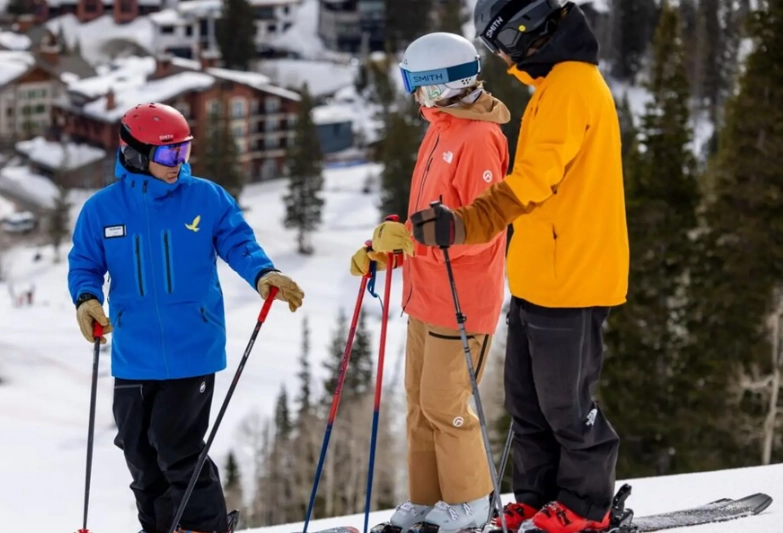
What You'll Learn in This Guide
Safety First: Lessons Drastically Reduce Your Injury Risk
This isn't scare-mongering; it's statistics. According to data compiled by the National Ski Areas Association, the risk of a serious injury is significantly lower for skiers and snowboarders who take lessons. Think about it. You're strapping two slick planks to your feet and pointing yourself down a frozen hill. Without the fundamentals of how to stop, turn, and control your speed, you're not skiing—you're a passenger on a out-of-control sled.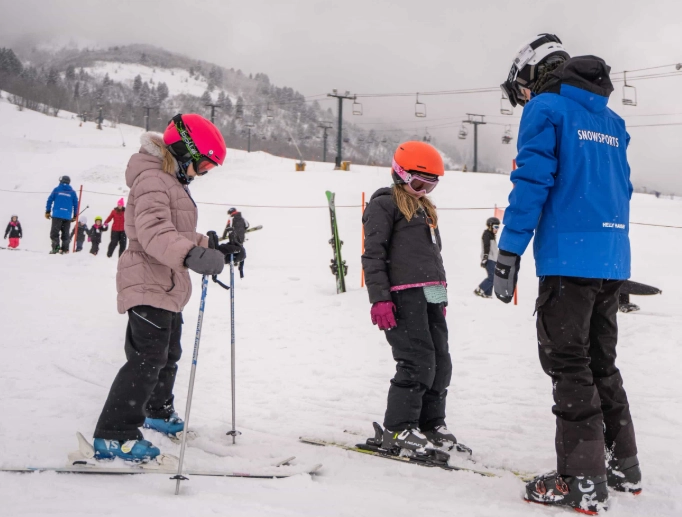
A certified instructor does three critical things for your safety on day one:
- Teaches you how to fall. Yes, you will fall. Learning to fall correctly—relaxed, away from your edges, not bracing with an outstretched arm—can prevent the most common wrist, shoulder, and knee injuries.
- Instills situational awareness. You learn to read the slope, understand trail markings (a green circle isn't just a suggestion), and be aware of other skiers around you. The "Skier's Responsibility Code" isn't just a poster in the lodge; it's the law of the land, and instructors explain what it means in practice.
- Provides terrain management. A good instructor won't take a first-timer to a blue square run. They progress you through appropriate terrain, building skills in a controlled environment. I've seen too many well-meaning friends drag a novice to a run that's way over their head, leading to panic, injury, or a lifelong fear of the sport.
Quick Reality Check: The cost of a half-day group lesson is often less than your ski rental. Compare that to the deductible on your health insurance, the cost of physical therapy, or simply the ruined vacation from a preventable injury. The math is painfully clear.
Learn 5x Faster (And Avoid Painful Bad Habits)
Let's talk about efficiency. The friend or partner who "kind of knows how to ski" is not a teacher. They might show you a wedge (pizza slice), but they can't explain the subtle weight shift, the role of your ankles, or how to transition from a wedge to parallel turns. You'll spend hours frustrated on the beginner slope, muscles burning from fighting your skis, while someone with instruction is already exploring green runs with a smile.
Here's the expert insight most blogs miss: Bad habits are incredibly hard to unlearn. The skier who learns to "stem" their turns (pushing one ski out) or who rides the backseat (leaning away from the slope) because no one corrected them on day two will hit a skill ceiling by week two. Correcting these ingrained movements takes three times longer than learning them right the first time. An instructor provides immediate, actionable feedback you simply cannot get on your own.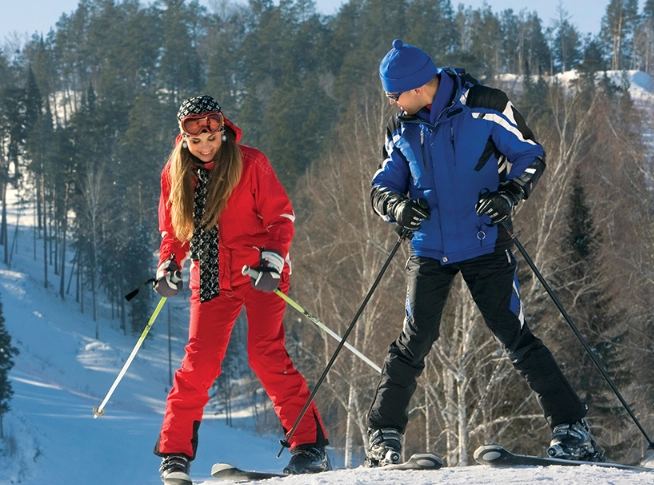
Think of it like learning a language. You can memorize phrases from an app, but without understanding grammar and pronunciation from a teacher, you'll never have a real conversation. Skiing is a physical language of balance and movement.
Building Confidence & Conquering the Mental Game
Fear is the number one limiter for adult beginners. The fear of looking foolish, the fear of speed, the fear of losing control. A structured lesson environment is designed to dismantle that fear piece by piece.
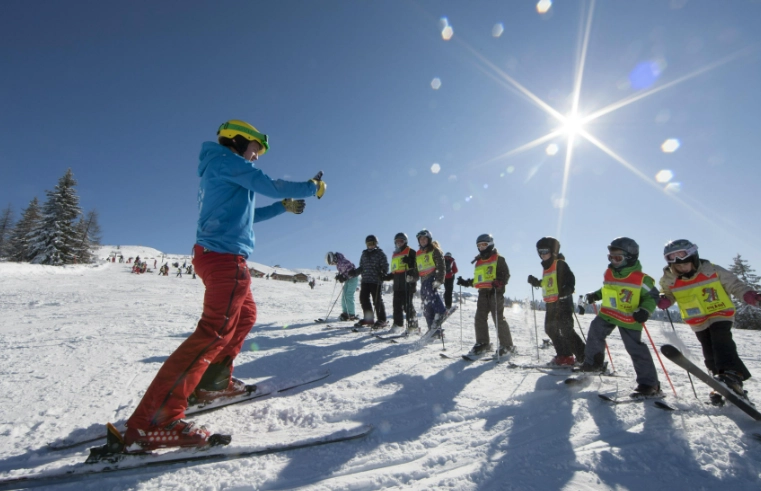
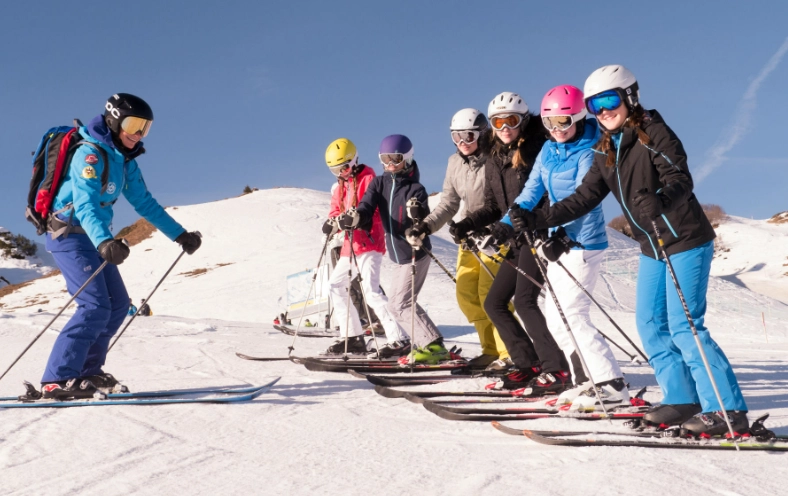
In a lesson, everyone is there to learn. The pressure to "keep up" with friends vanishes. You start on flat ground, learning how to shuffle and glide. The first tiny slope feels like a victory. An instructor's primary job, especially early on, is to be a cheerleader and a safety net. They create a zone of psychological safety where it's okay to fail, because each failure is a learning moment.
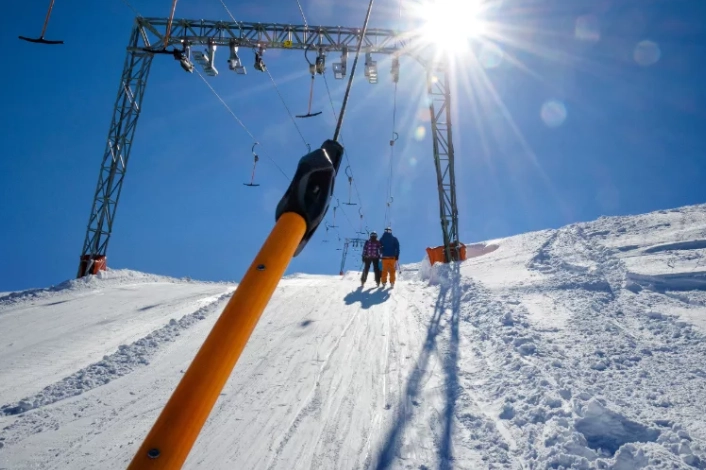
I once taught a woman in her 50s who was terrified of the mountain. Her husband was an expert skier, and she felt like a burden. We spent a full hour just on the magic carpet area, doing turning drills where speed was impossible. By the end of the second day, she was linking gentle turns down a real green run, beaming with a pride I'll never forget. That transformation doesn't happen when you're being nervously watched by an impatient partner.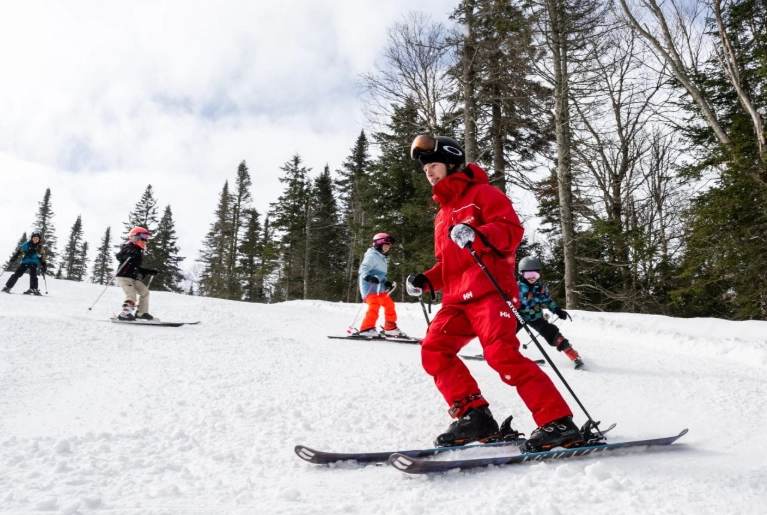
How to Choose the Right Lesson for You
Not all ski lessons are created equal. Picking the right format is key to getting your money's worth.
| Lesson Type | Best For | Key Benefit | Approx. Cost Range (Half-Day) |
|---|---|---|---|
| Private Lesson | Fast-track learning, specific goals, families with mixed abilities, overcoming fear. | 100% personalized attention and itinerary. You call the shots on what to work on. | $250 - $500+ |
| Small Group Lesson (Max 4-6) | Most beginners and intermediates. Great value and social atmosphere. | Learn from others' questions and mistakes. Often the best blend of attention and cost. | $100 - $200 |
| Large Group Clinic | Budget-conscious skiers looking for a basic introduction. | Most affordable way to get the core fundamentals and lift line access. | $60 - $120 |
| Specialty Clinic (e.g., bumps, carving) | Intermediate/Advanced skiers stuck on a plateau. | Breaks down a specific skill with expert, focused coaching. | $150 - $300 |
Pro Tip: Book your lessons in advance, especially during peak holidays. The best instructors get snapped up. Also, don't be shy about communicating your goals and fears to your instructor at the start. The more they know, the better they can help you.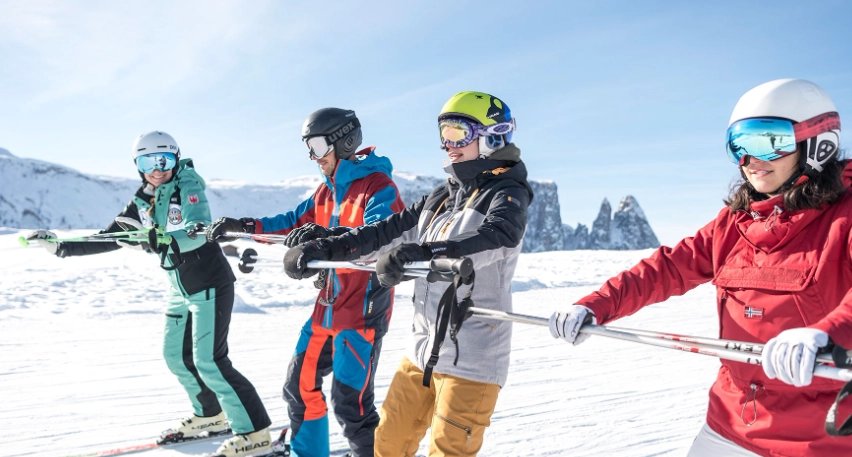
Common Myths and Costly Mistakes to Avoid
Let's debunk some of the nonsense I hear in the lodge.
"I'm athletic, I'll just pick it up."
Being athletic helps, but it can also work against you. Strong athletes often use brute force to muscle their skis around, developing terrible technique that fails them on steeper or icier terrain. Finesse beats force in skiing every time.
"I'll take one lesson and be set."
Skiing is progressive. A day-one lesson gets you safe on greens. To comfortably tackle blues, you need instruction on linking parallel turns, edge control, and speed management. Think of lessons as chapters in a book, not a one-page pamphlet.
"My kids don't need lessons; they're fearless."
This is the most dangerous myth. Fearless kids are injury magnets. Children's ski schools are phenomenal. They teach through games, use specialized learning terrain (like magic carpets and gentle slopes), and have instructors trained in child psychology and safety. Your kid will have more fun with peers than trailing behind a stressed parent.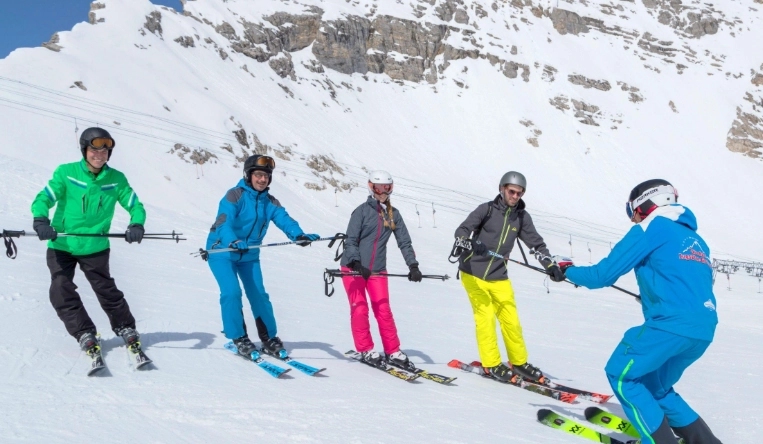
Your Ski Lesson Questions, Answered
The mountain will always be there. Your knees, your confidence, and your time are more fragile. View ski lessons not as an optional extra, but as the essential foundation of your entire skiing life. It's the difference between surviving the slopes and truly thriving on them. That investment pays dividends in fun, safety, and progression for every single day you ever spend on snow.