You check the snow report. It says "packed powder." You get to the mountain, and your first run feels like skiing on a mix of mashed potatoes and ball bearings. What happened? The truth is, snow conditions aren't a static label you read once. They're a dynamic, living story written by wind, sun, temperature, and time. Understanding this story is what separates a reactive skier from a proactive one. It's the difference between fighting the mountain and dancing with it. This isn't just about finding powder; it's about safety, efficiency, and unlocking the mountain's potential all day, every day.
What You'll Learn in This Guide
What Are the Different Types of Snow Conditions?
Forget the vague resort descriptions. Let's talk about what your skis actually feel. Snow exists on a spectrum, and most days offer a cocktail of several types.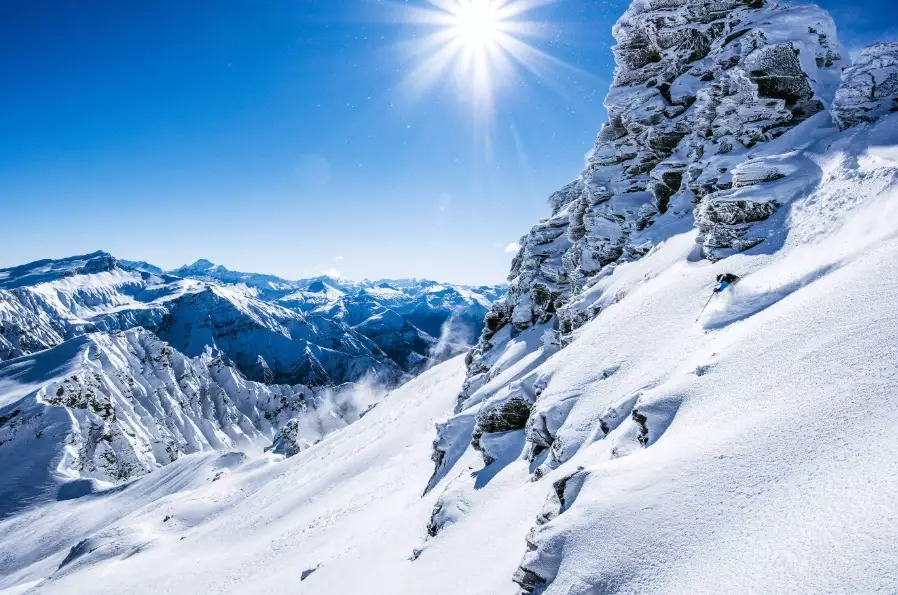
The Dream Team: Light & Dry
Cold Smoke/Powder: The holy grail. This is dry, low-density snow that billows around your knees. It's forgiving and quiet. The catch? It needs consistent cold temperatures (typically below -5°C / 23°F) during and after the storm. A slight warming can ruin it fast.
Champagne Powder: A specific, legendary subtype found in places like Steamboat, Colorado, and parts of Japan. It's exceptionally light due to unique atmospheric conditions. It feels like skiing on air.
I once spent a week chasing a forecast in Utah. We got the storm, but the temperature hovered right around freezing. What fell was "Sierra Cement"—heavy, wet powder that was exhausting to ski by 10 AM. Lesson learned: temperature is as important as snowfall amount.
The Variable Middle Ground
Packed Powder: The resort workhorse. It's settled powder that's been groomed. It should be firm but edgeable. Quality varies wildly based on overnight temps and grooming timing.
Corn Snow: A spring miracle. The sun melts the top layer overnight, which then refreezes. Morning sun softens this frozen surface into perfect, corn-like granules. It's fast, smooth, and predictable—but only for a short window (usually 10 AM to 2 PM). Miss it, and you get...
Slush/Mashed Potatoes: Overcooked corn. The snow becomes wet, heavy, and grabby. It's slow and can twist knees if you're not careful.
The Challenging Stuff
Crud: Skied-out powder or wind-blown snow that forms uneven, chunky mounds. It requires active, aggressive skiing. Fun for some, a nightmare for others.
Crust: A hidden menace. A firm layer on top of soft snow, created by sun, wind, or a light freeze. Sometimes it supports you; sometimes you punch through unexpectedly. It's mentally exhausting.
Ice/Hardpack: The great equalizer. Often found on high-traffic runs or north-facing slopes in cold weather. It's not always shiny black ice; often it's just extremely firm, slick snow. This is where technique and sharp edges are non-negotiable.
How to Actually Read the Terrain and Snow
The snow report is a suggestion. The mountain tells you the truth. Here's how to listen.
First, look up. Watch the wind. See those plumes of snow blowing off the ridge? That's snow being transported from the windward side (scoured, likely icy) to the leeward side (where it's depositing as potentially dangerous wind slab). Your powder stash is almost always on the leeward side, in sheltered areas like glades or behind ridges.
Second, look at the sun. South-facing slopes get the most sun. They thaw first in the spring, creating that perfect corn, but they also refreeze hardest at night. East-facing gets morning sun (good for softening), west-facing gets afternoon sun. North-facing slopes are the refrigerators—they hold cold, often powdery snow longer, but can also harbor persistent ice.
Third, do the hand test. Get off the lift, ski to a safe spot, and just poke the snow. Take your glove off. Feel it. Is it light and fluffy? Dense and wet? Is there a crust an inch down? This 30-second ritual gives you more useful data than any app.
I learned this the hard way in the backcountry. The forecast was stable, but a quick hand test on a convex slope revealed a layer of sugary facets underneath a thin crust—a classic weak layer. We turned around. An hour later, we saw evidence of a small slide in a similar area. The snow itself gave the final warning.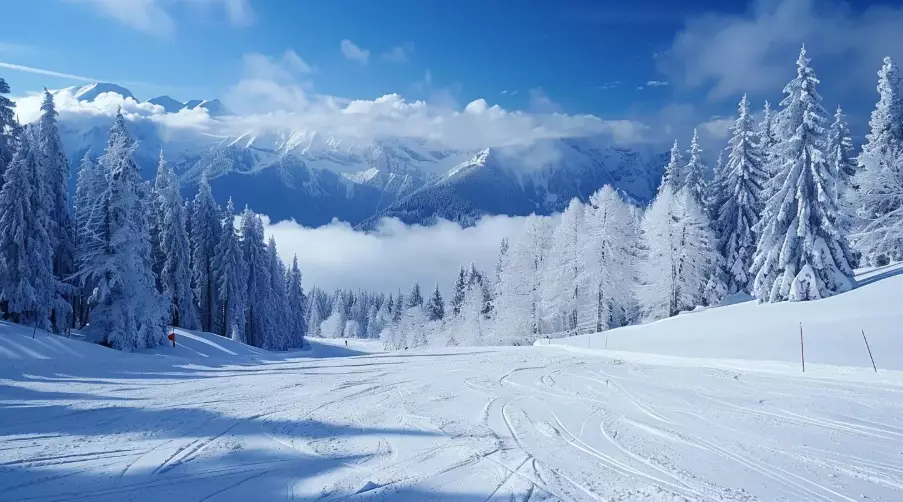
How Do Snow Conditions Affect Your Skiing?
Different snow demands different tactics. It's not one-size-fits-all.
| Snow Condition | What Your Skis Do | Key Technique Adjustment | Equipment Note |
|---|---|---|---|
| Powder | Float and plane on the surface | Stay centered or slightly back, make smooth, rounded turns. Don't fight the snow. | Wider skis (100mm+ underfoot) help immensely. |
| Ice/Hardpack | Want to slide sideways | Aggressive, forward pressure. Engage your edges early and hold them. Short, controlled turns. | Sharp edges are mandatory. Dull edges won't bite. |
| Heavy Crud/Slush | Get grabbed and deflected | Strong, athletic stance. Use your legs as shock absorbers. Plan your line ahead of time. | Stiffer skis help power through the unpredictability. |
| Variable (Mix) | Behavior changes every turn | This is the ultimate test. Stay loose, adaptable, and read two turns ahead. Be ready to shift pressure instantly. | A versatile all-mountain ski is your best friend here. |
The biggest mistake I see? People skiing spring slush with the same static, back-seated stance they use for powder. In heavy snow, you need to drive your shins into the front of your boots to maintain steering authority. If you're leaning back, you're just a passenger.
How to Plan Your Day Around Changing Conditions
Sun and temperature are your schedule makers. Here’s a typical spring day plan that demonstrates the principle: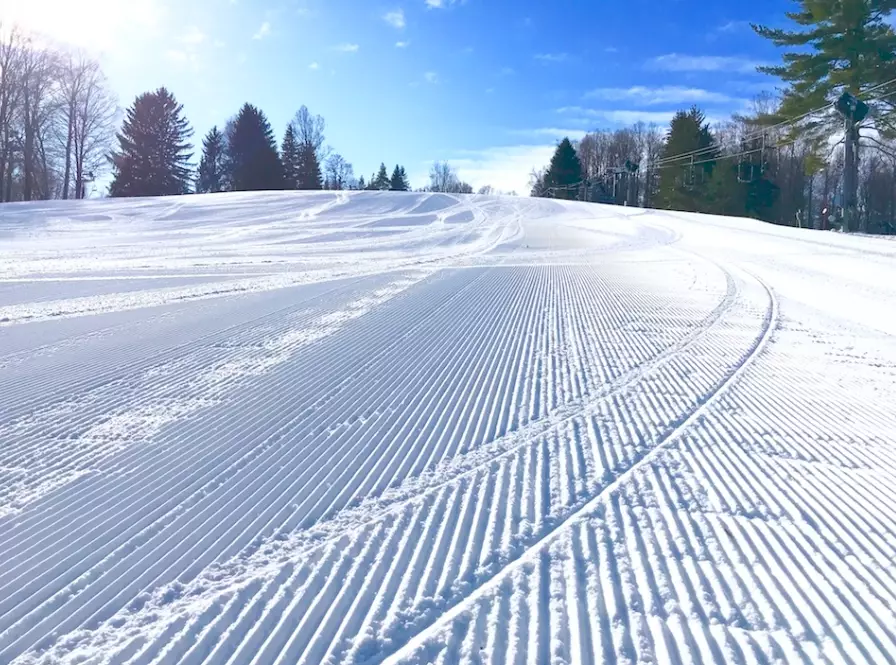
9:00 AM - 11:00 AM: East & South-facing groomers. The sun is softening the overnight freeze. Aim for runs that get early sun. The snow will be edgeable corduroy transitioning to perfect corn.
11:00 AM - 1:30 PM: Prime Corn Window. Head higher up to north-facing slopes or shaded bowls. These areas are now softening to corn, while the lower south faces are turning to slush.
1:30 PM onwards: Slush Management. Either call it a day, or seek out higher-elevation, north-facing aspects that are still holding up. Alternatively, embrace the slush for some slow, surfy turns—just be gentle on your knees.
Always, always check the local avalanche forecast (like those from Avalanche.org for the US) if you're venturing off-piste. That's your non-negotiable first step. For resort skiing, lean on the ski patrol's morning report—they know the specific micro-climates of their mountain.
Your Snow Conditions Questions, Answered
How can I accurately assess snow conditions in an unfamiliar area?
Start with the official avalanche and ski resort forecast, but treat it as a starting point. The real assessment happens on the ground. Look at the aspect: north-facing slopes hold cold snow longer. Check the wind direction; snow gets scoured from windward sides and deposited as wind slab on leeward slopes. Most importantly, do a hand test. Dig a small pit with your ski pole or hand. Feel the layers. Is there a hard crust under soft snow? That's a red flag. Finally, watch other skiers. See where their tracks are sinking in or sliding. This on-the-ground intel is more valuable than any generic report.
What's the biggest mistake skiers make with variable snow conditions?
They get lazy with their technique and equipment setup. In variable snow, you can't just set your edges and forget them. You need to constantly adjust your pressure and balance. A common error is leaning back in heavy snow, which burns out your legs and kills control. Stay centered and drive your shins into the boot tongues. Also, don't ignore your ski tuning. Dull edges on a firm morning will have you sliding sideways. Take five minutes to touch up your edges if you're facing a mix of hardpack and soft snow later in the day. It makes a world of difference.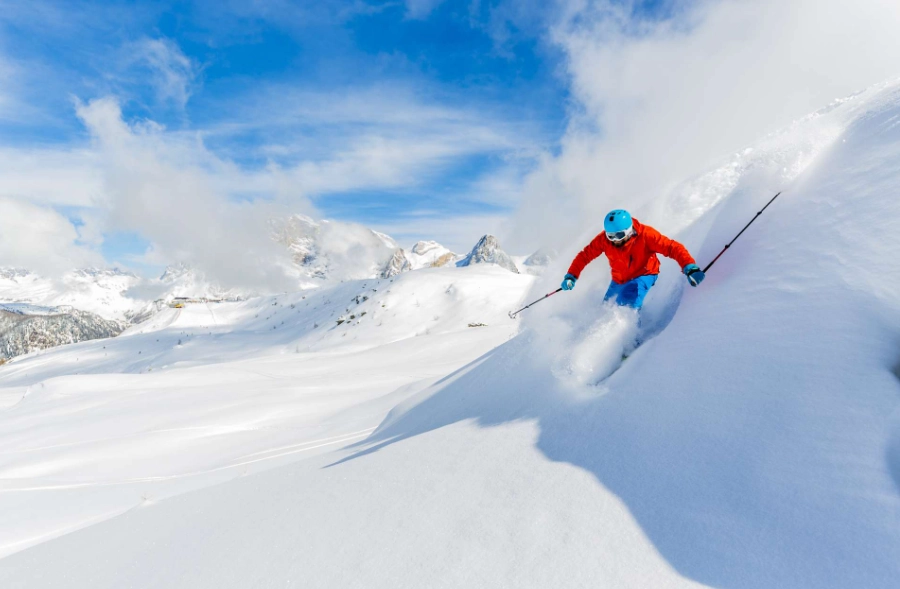
Are spring snow conditions dangerous for skiing?
They present unique hazards that are often underestimated. The main danger is wet slab avalanches, which can release as the sun warms the snowpack. Timing is critical. Ski south-facing slopes early when the snow is firm (frozen), and be off them by the time they turn to deep, wet mush. Corn snow is the sweet spot—a brief window of perfect, supportable granules. Missing that window means dealing with sticky, grabby snow that can twist knees. Also, surface obstacles like rocks become exposed. Spring skiing is fantastic, but it demands strict respect for the solar schedule and increased vigilance for changing stability.
How do microclimates affect resort snow conditions?
Dramatically. One side of a mountain ridge can have deep powder while the other is wind-scoured ice. Resorts have microclimates within their own boundaries. For example, a high-altitude bowl might catch more snow and stay colder, preserving powder days after a storm. Meanwhile, a low-elevation, sun-exposed run nearby turns to slush by 11 AM. The key is to learn your local mountain's personality. Which lifts access sheltered zones? Which runs get the morning sun first? Talk to lifties and local ski patrol—they know these nuances intimately. Planning your day around these microclimates is the secret to consistently finding good snow.
Understanding snow conditions is a lifelong study. It's part meteorology, part physics, and a whole lot of paying attention. The mountain is always talking. The more you learn its language—through the feel of your skis, the look of the wind, and the texture of the snow in your hand—the more you move from being just a visitor to becoming a part of the landscape itself. Now go read the snow.