Let's be honest. The view from the chairlift is getting harder to ignore. Shorter seasons, less predictable snow, that weird rain-in-January event. Skiing depends on a stable climate, and our love for the sport is ironically part of the problem. But here's the good news: eco-friendly skiing isn't about giving up the thing you love. It's about loving it enough to protect it. This is a practical, no-guilt guide to making your next ski trip lighter on the planet—and it might just make the experience better.
Forget the vague "be green" advice. We're talking concrete choices: which resorts are walking the walk, what gear actually performs, and how to get there without a massive carbon hangover.
What's Inside This Guide?
What is Eco-Friendly Skiing? (And Why It's Not Just a Trend)
It's a mindset shift. It's recognizing that every part of the ski trip—transport, accommodation, gear, food, on-slope behavior—has an environmental cost. The goal is to minimize that cost without sacrificing the joy.
Think of it as a system.
The biggest chunk of your trip's carbon footprint? Getting there. The International Transport Forum reports that tourism transport CO2 emissions are a major global contributor. For a ski trip, air travel often dominates. Then comes the resort's operations: snowmaking, grooming, running lifts, heating buildings. Then your gear, most of which is made from petroleum-based plastics.
Eco-friendly skiing tackles these layers. It's not perfection. It's progress. It's choosing the train over the plane when you can. It's picking a resort that powers its lifts with hydroelectricity. It's buying a jacket made from recycled bottles that will last a decade.
How to Choose a Truly Green Ski Resort
"Greenwashing" is rampant. Every resort has a sustainability page now. The trick is separating marketing from measurable action.
Look for third-party certifications. They're not perfect, but they're a vetting process. The Mountain IDEAL standard is a good one, focused on Alpine resorts. ISO 14001 is an international environmental management standard. Green Globe certification is another.
More importantly, look for what they're actually doing. Here’s what separates the leaders from the pack:
- Energy: Do they generate renewable energy on-site? Many Alpine resorts use hydroelectric power from mountain streams. Some, like Switzerland's Saas-Fee, are famously car-free and run largely on hydro.
- Snowmaking: This is energy and water-intensive. Leading resorts use automated, efficient systems that only produce snow when and where needed, often using stored water from spring melt. Austria's Sölden has invested heavily in efficient snowmaking reservoirs.
- Transport Integration: Can you arrive by train and never need a car? Resorts like Zermatt (CH) and Whistler (CA) have excellent rail links and comprehensive, free local shuttles.
- Waste & Water: Do they have robust recycling and composting? Do they treat wastewater? Aspen Snowmass (USA) has been a longtime leader in waste diversion and environmental grants.
Here’s a quick comparison of a few resorts known for substantive action:
| Resort (Country) | Key Eco-Credentials | How to Get There Green |
|---|---|---|
| Saas-Fee, Switzerland | Car-free village, hydroelectric power, glacier protection projects, ISO 14001 certified. | Train to Visp, then efficient postal bus directly to the resort. |
| Whistler Blackcomb, Canada | Zero operational waste to landfill goal, hydroelectric power, extensive habitat protection. | Direct train from Vancouver, excellent resort shuttle system. |
| Chamonix, France | Flèche Verte environmental label, free electric shuttles, heavy investment in renewable energy. |
Don't just read the "green" page on their website. Dig for their sustainability report. Look for hard numbers on energy use, waste diversion, and water conservation.
The Eco-Conscious Skier's Gear Checklist
This is where you have direct control. The outdoor industry has woken up, and there are fantastic options now.
1. The Outer Shell: Ditch the forever-chemicals. Look for PFC-free waterproofing. Brands like Picture Organic, Patagonia (with their Fair Trade Certified sewing), and VAUDE lead here. Their jackets use recycled nylon and polyester, often from post-consumer plastic bottles.
I made the switch five years ago. My recycled-shell jacket has seen over 100 ski days and countless storms. It's not just holding up; it's outperforming my old gear. The tech is legit.
2. Insulation: Natural is making a comeback. Responsible Down Standard (RDS) down is a must for animal welfare. For synthetics, look for recycled content. PrimaLoft now offers bio-based and recycled synthetic insulations that are incredibly warm even when wet.
3. Skis & Snowboards: This is the frontier. Wood cores from sustainably managed forests (FSC-certified) are standard for good brands. The real innovation is in resins and materials. WNDR Alpine uses a plant-based plastic for their ski cores. Salomon and Faction have skis with significant recycled content. Burton’s [reeskate series uses recycled skateboards.
4. The Boots: Harder to find, but progress is happening. Look for brands using recycled plastics in the cuff and liner. More importantly, buy from a shop with a great bootfitter. A perfectly fitted boot lasts longer and performs better—you won't be tempted to replace it in two seasons.
5. The Base Layers: Easy win. Merino wool is renewable, biodegradable, odor-resistant, and regulates temperature beautifully. Brands like Icebreaker and Smartwool offer full traceability on their wool. For synthetics, again, recycled polyester is widely available.
The Most Powerful Choice: Rent or Buy Second-Hand
The greenest gear is the gear that already exists. For beginners or casual skiers, high-performance demos are the way to go. You get top-tier skis, and they get used by hundreds of people over their lifecycle.
Second-hand markets are goldmines. Sites like Facebook Marketplace, Craigslist, and dedicated gear swap events at local shops are full of lightly used, high-quality kit. My favorite touring backpack? A $30 find at a ski club swap. It has another decade in it.
Low-Impact Travel & On-Mountain Habits
Let's plan a hypothetical trip from London to the Alps, minimizing carbon every step.
Transport: The train is the star. Eurostar to Paris, a quick metro hop to Gare de Lyon, then a TGV direct to the Alps—to resorts like Bourg-Saint-Maurice (for Les Arcs/La Plagne) or Moûtiers (for the 3 Valleys). The journey is part of the adventure. You have space, you see the landscape change, and your carbon footprint is roughly 90% lower than flying. Book early for the best prices.
If you must fly, choose carefully. A direct flight on a modern, fuel-efficient aircraft (like an Airbus A350 or Boeing 787) is better than multiple short hops on older planes. Pack light. Once there, do not rent a car. Use the resort transfer bus.
Accommodation: Look for hotels with legitimate eco-labels (Green Key, EU Ecolabel). Or, even better, rent an apartment and cook some of your own meals. This reduces food waste and the energy of large-scale restaurant kitchens.
On the Mountain:
- Stay on the piste. Venturing off-piste can damage fragile undergrowth and disturb wildlife, especially in early and late season.
- Pack it in, pack it out. That energy bar wrapper goes in your pocket. Always.
- Support the mountain. Buy your lift pass online to save paper. Choose resorts that invest their revenue back into local conservation and community projects.
- Lunch smart. Seek out the mountain hut that serves local cheese and meats instead of the imported, pre-packaged burger.
Top 3 Mistakes Even Eco-Conscious Skiers Make
I've been doing this for years, and I still see these pitfalls.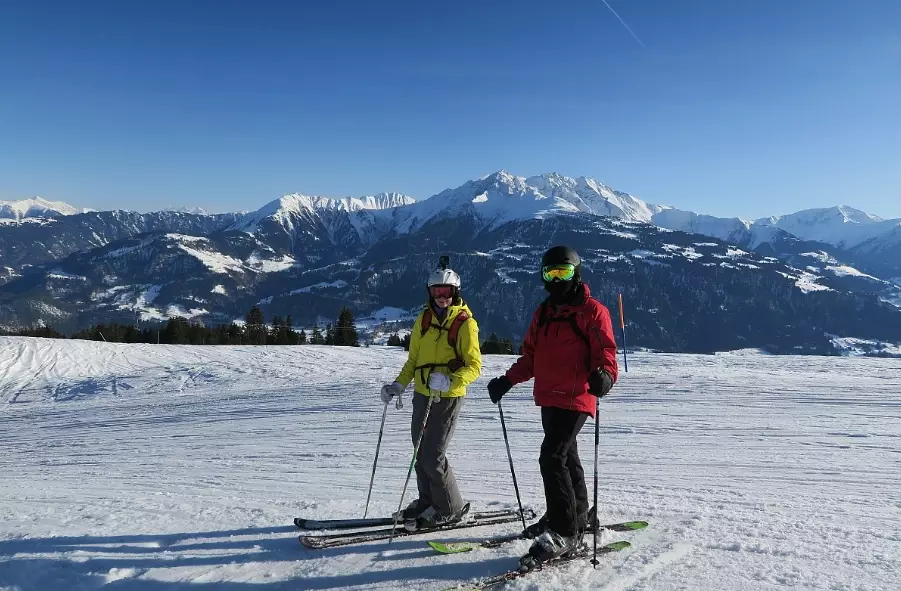
1. Obsessing over new "eco" gear while ignoring what you own. The most sustainable jacket is the one already in your closet. Use it until it truly wears out. When you do buy, buy for longevity. A $500 jacket that lasts ten years is greener than five $100 jackets.
2. Offsetting and forgetting. Carbon offsets can be a helpful band-aid, but they're not a cure. They shouldn't be a license to fly carelessly. The priority is to reduce your emissions first (train over plane, efficient lodging), then offset the unavoidable remainder through a reputable, verified program like Gold Standard.
3. Overlooking the food and water. That imported avocado in your burger has a huge footprint. Eating local, seasonal food in the mountains makes a real difference. And for heaven's sake, carry a reusable water bottle. The Alps have some of the best tap water in the world.
Your Eco-Skiing Questions, Answered
 How can I tell if a ski resort is genuinely "green" or just greenwashing?
The future of skiing depends on the mountains. And the future of the mountains depends, in a small but real way, on the choices we make every time we plan a trip. It’s not about being perfect. It’s about picking one or two things to do better this season. Maybe it's the train. Maybe it's a second-hand shell. Maybe it's just carrying that water bottle.
Start where you are. The snow will thank you for it.