Freestyle skiing tricks look incredible. Seeing someone launch off a jump, spin effortlessly, and land cleanly is what draws so many of us to the terrain park. But for most skiers, the gap between watching and doing feels massive. Where do you even start? Grabs? Spins? Flips? The progression isn't always clear, and trying to figure it out on your own can be frustrating—and sometimes painful.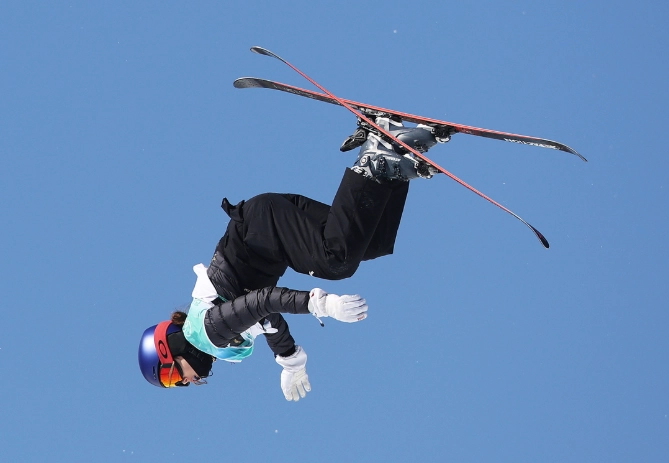
I've spent over a decade coaching and pushing my own limits in the park. I've seen the same mistakes hold people back, and I've learned the subtle cues that make a trick click. This isn't just a list of moves. It's a roadmap. We'll break down the essential freestyle skiing tricks in a logical order, talk about the gear that actually matters (not just the marketing hype), and tackle the mental game that's just as important as the physical one.
What's Inside?
The Foundation: Your First Freestyle Skiing Tricks
You can't run before you walk, and you can't spin before you can pop. The biggest mistake I see? Skiers rushing to a 360 before they have air awareness. Let's build the base.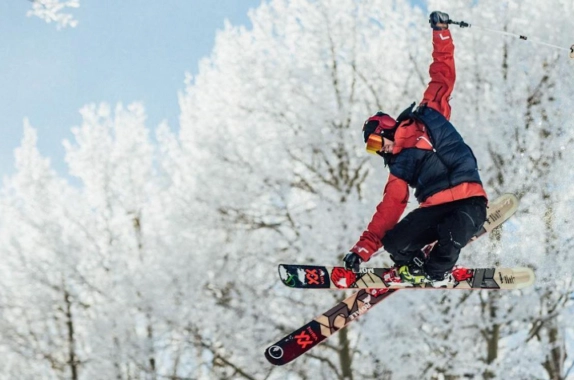
The Ollie: Your Secret Weapon
Forget fancy names. The ollie is the most fundamental trick in skiing. It's how you generate pop off any feature, flat ground, or side hit. It's not a jump with your legs; it's a spring-loaded pop from your skis. Practice this on flat, gentle terrain first. Load your weight slightly back, then drive your knees up while pushing your tails down against the snow. The ski's camber does the work. A solid, controlled ollie is the difference between a sketchy hop and a powerful, confident launch.
Grabs: Style and Stability
Grabs aren't just for looks. A proper grab stabilizes your body in the air, giving you control and a reference point. Start with the Safety or Mute grab. It's the easiest and most natural. The key is to bend your knees to bring the ski up to your hand, not hunch your back to reach down. Here’s a quick breakdown of the first grabs to learn:
| Grab Name | Which Hand? Which Ski? | Why Learn It First? |
|---|---|---|
| Safety / Mute | Front hand, front ski (between bindings) | Most natural body position, teaches you to bring knees up. |
| Japan | Front hand, front ski (tip of the ski) | Forces a strong knee tuck and adds serious style points. |
| Tail Grab | Back hand, back ski (tail) | Improves balance by shifting weight back slightly in the air. |
Practice these on small, straight-air jumps. Get the grab early, hold it, and release before landing. A common error is grabbing too late or not letting go, which can throw you off balance.
Pro Tip: Film yourself. What feels like a huge grab often looks like a timid finger tap on video. Watching yourself is the fastest way to correct your form.
Mastering Spins: From 180s to 540s
This is where most people get excited—and where they plateau. Spinning isn't about brute force. It's about set-up, patience, and spot.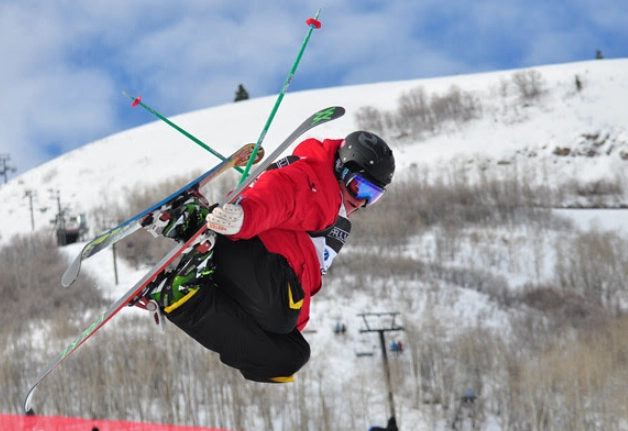
How to Do a 180 on Skis (The Right Way)
The 180 is your spin laboratory. Don't just think "spin." Break it down:
- The Wind-Up: As you approach the lip of the jump, gently rotate your shoulders and hips about 45 degrees in the opposite direction of your spin. This creates tension.
- The Release and Pop: At the exact moment you pop, unwind that tension. Your upper body initiates the spin. Your head and shoulders turn first, and your legs follow.
- The Spot: Your head dictates everything. As soon as you leave the lip, spot your landing over your lead shoulder. Your body will follow your gaze.
- The Landing: You'll land switch (backwards). Absorb the impact with your knees and be ready to ride away fakie.
Practice 180s off side hits before taking them to a park jump. Get comfortable with the takeoff and the switch landing separately.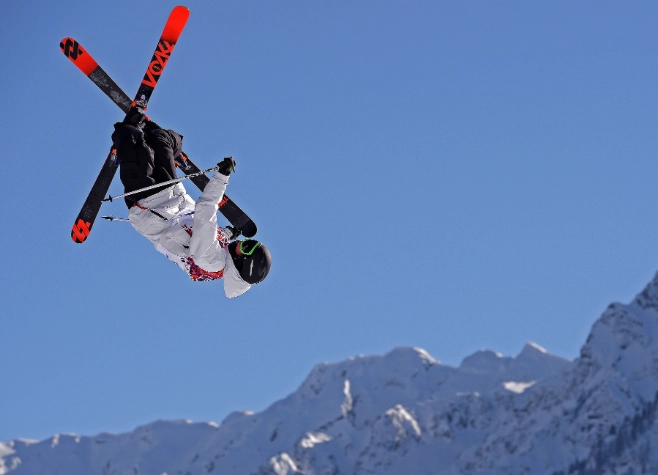
Progressing to 360s and Beyond
A 360 uses the same mechanics, just more wind-up and a faster, more committed unwinding motion. The blocker for most skiers at the 360 stage is commitment. They initiate the spin but then panic, straighten their body, and stop rotating. You have to trust the set-up and see it through.
For 540s, you need to add a grab. The grab tucks your body into a tighter ball, allowing you to spin faster. A Safety grab on a 540 makes the spin feel more controlled and stable. The landing will be forward again, which feels more natural than the switch landing of a 360.
Critical Safety Note: Never attempt a spin larger than you are consistently landing on a medium-sized jump. Progressing from a 360 to a 540 requires a solid, parked 360 on a large jump first. The extra half-spin demands more height and time.
Taking Off: Inverts and Flips
This is advanced territory. I strongly recommend professional coaching for your first backflip or frontflip. No article can replace a spotter and a foam pit. However, understanding the principles is key.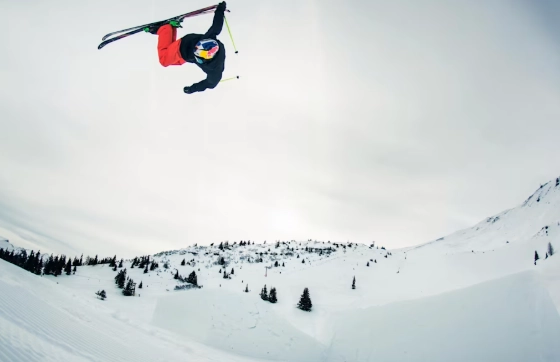
A backflip is less about "flipping" and more about a controlled, backwards rotation around your center of mass. You don't throw your head back. You pop up, tuck your knees to your chest (grabbing them helps), spot the ground behind you, and open up for the landing. The most common mistake is leaning back on the takeoff, which kills your pop and sends you sideways.
Front flips (or front rolls) are technically more challenging for skiers because it's harder to see your landing. They require a very powerful, upward pop and a tight tuck.
The International Ski Federation (FIS) and major ski academies like Windells/Camp Woodward have structured progression parks with specialized features for learning inverts safely. If you're serious, seek out these facilities.
Choosing the Right Gear for Freestyle
Your gear matters, but not in the way you might think. You don't need the most expensive twin-tip ski to start. You need predictable, forgiving gear.
Best Skis for Freestyle Beginners: Look for a true twin-tip ski (identical shape at tip and tail) with a soft to medium flex. A softer flex is more forgiving on landings and easier to press. Length-wise, go for something around chin to head height. Shorter skis are easier to spin and maneuver in the air. Brands like Line, Armada, and Faction make excellent park-focused skis across all ability levels.
Bindings: Use a freestyle binding with a lower DIN setting range. They're designed to release more easily in a twisting fall, which is common in the park. Don't crank your DIN up sky-high because you're afraid of pre-releasing on landings—that's a great way to blow a knee. A proper, centered landing shouldn't cause a release.
Helmet. Always. Non-negotiable. Get a park-specific helmet if you want; they're often lighter and have more ventilation. Wrist guards are a highly personal choice—some swear by them for early rail sessions, others find them restrictive. At a minimum, consider impact shorts for learning rails and boxes.
Smart Training and Non-Negotiable Safety
Freestyle progression is a marathon, not a sprint. Your brain needs reps just like your body does.
Visualization: Before you hit a feature, close your eyes and run through the trick in slow motion. Feel the wind-up, the pop, the grab, the spot, the landing. This mental rehearsal fires the same neural pathways as physically doing the trick.
The Mental Block: Fear of spinning or flipping is normal. The trick is to break the fear cycle. Go back to a smaller feature you've mastered. Do five perfect, confident straight airs with a grab. Then try the spin. The confidence from the successful straight airs often overrides the fear.
Park Etiquette is Safety: Always look uphill before dropping in. Don't sit on the landings. Clear the landing area quickly. Respect the features and don't damage them. This isn't just politeness; it prevents collisions.
Let's be real. You will fall. The goal is to fall safely. If a trick goes wrong in the air, try to avoid reaching out with your hands. Tuck into a ball if you can. If you're falling onto a rail or box, try to slide along it rather than dig an edge in.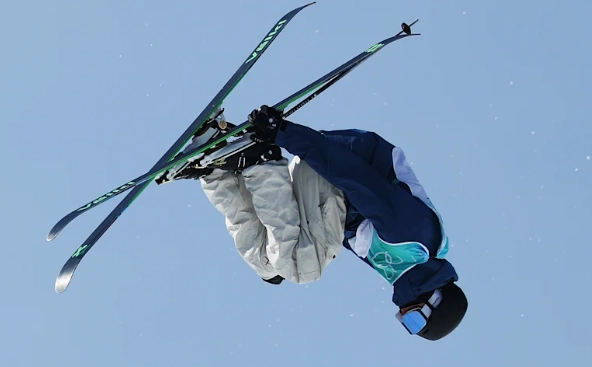
Your Freestyle Questions Answered
I'm terrified of spinning off-axis and landing on my head. How do I get over this fear?
Why does my grab always look weak and sloppy in photos?
Do all the pads and helmets make people take more dangerous risks?