You bought the latest three-antenna digital avalanche beacon. You watched a few YouTube tutorials. You feel ready for the backcountry. But let me tell you a hard truth I learned over a decade of guiding and avalanche safety instruction: owning a beacon is meaningless without deliberate, structured practice. I've seen too many skilled skiers fumble during mock searches, their hands shaking, eyes glued to a screen they don't fully understand. This isn't about gear; it's about building neural pathways under zero pressure so they fire automatically under immense stress. This guide is your roadmap to that level of competence.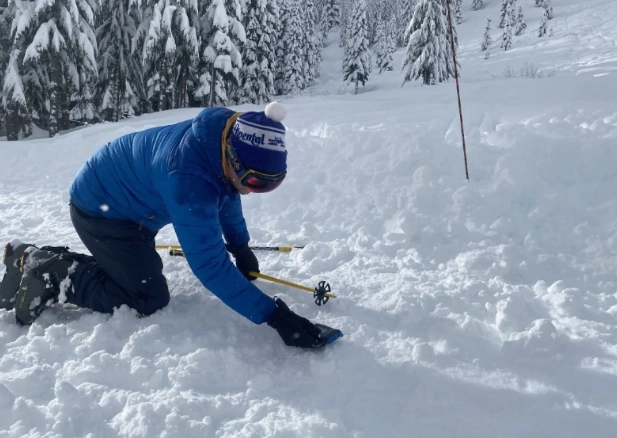
In this article, you'll learn:
Why Just Owning a Beacon Isn't Enough
Think of your avalanche beacon like a parachute. You don't buy it, pack it once, and hope for the best on your first jump. You practice packing it. You practice the hand motions for deployment. You do it until it's boring. The same logic applies here, but the stakes involve your friends' lives.
The primary goal of avalanche beacon practice is to develop muscle memory and mental clarity. In a real burial scenario, the adrenaline dump is colossal. Fine motor skills vanish. Your brain defaults to the most deeply ingrained patterns. If your only pattern is "vaguely remember a video," you're in trouble. Effective practice moves the entire process—turning the unit on, switching to search, interpreting signals, performing the fine and coarse search, pinpointing—into your subconscious.
A sobering data point: Studies referenced by avalanche safety organizations like the American Avalanche Association (Availanche.org) consistently show that survival probability drops dramatically after 15 minutes of complete burial. Your search speed isn't just a metric; it's a direct lifeline. The only way to be fast is to have done it hundreds of times before the real event.
The Essential Gear for Realistic Practice
You can't practice effectively with just your primary beacon. You need a complete, dedicated practice kit. Here’s what that looks like:
- A Dedicated Practice Beacon (or multiple): This is non-negotiable. Use an old model you've retired, or buy a cheap, used single-antenna beacon specifically for burying. Never, ever practice by burying your primary, in-use beacon. I've seen it happen, and it's a recipe for leaving a critical piece of safety gear under a tree.
- A Quality Probe: Not a flimsy ski pole. A proper 240cm+ avalanche probe. Practicing with the real tool matters for feel and technique.
- A Metal Shovel: Again, a real avalanche shovel, not a camping trowel. You need to practice efficient digging techniques and snow displacement.
- Multiple Burial Targets: Start with one, but quickly move to two or three. Real accidents often involve multiple burials.
- A Practice Field: Your backyard, a local park (check regulations), or a safe, flat snowfield.
Step-by-Step Practice Methods (From Beginner to Expert)
Phase 1: The Fundamentals Drill (Your Backyard Boot Camp)
Find a flat, open area free of metal interference. Start simple.
- Transmit/Receive Check: Have a partner stand 50 feet away with their beacon in transmit. Walk toward them with yours in search. Note the distance your beacon first picks up the signal. Do this with every member of your group. This baseline is crucial.
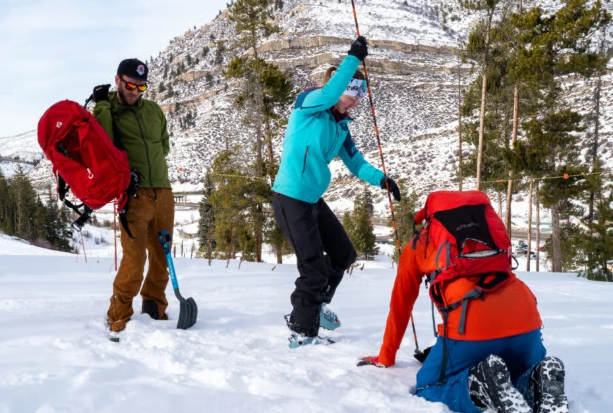
- The Single Burial: Hide one practice beacon under 12-18 inches of snow. Mark the spot visually for now. Start 40 meters away, beacon in search mode. Walk a grid, following your device's instructions. Practice the three phases: initial signal acquisition, distance/direction narrowing (coarse search), and the final pinpointing (fine search) where you drop to your knees and use the "cross method." Probe to confirm, then dig.
- Speed is NOT the goal here. The goal is perfect technique. Move methodically. Listen to the audio cues. Watch the distance indicator drop.
Phase 2: Introducing Complexity
Once the single burial feels slow but comfortable, add challenges.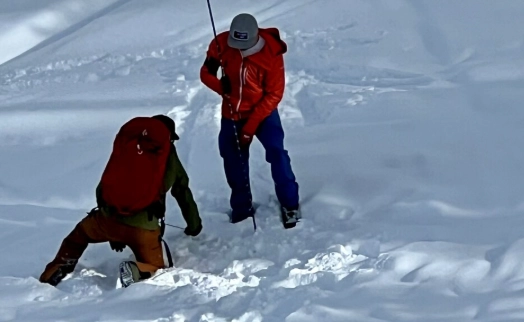
| Practice Scenario | Setup | Key Learning Objective |
|---|---|---|
| Multiple Burials | Bury 2-3 beacons 10-15 meters apart. | Mastering signal separation and the "mark & ignore" function on your device. You must find and mark the first victim before moving to the second. |
| Signal Interference | Bury beacons near a fence, a large rock, or a tree. | Experiencing how real-world obstacles cause signal bounce, distortion, and "dead zones." Teaches you to move to get a cleaner signal. |
| Deep Burial Simulation | Bury a beacon 1.5+ meters deep (if snowpack allows). | Understanding how signal strength weakens and the critical importance of precise pinpointing before digging a massive hole. |
The 3 Most Common (and Dangerous) Practice Mistakes
Here's where my guiding experience gives you an edge. Most articles don't highlight these subtle failures.
Mistake #1: Ignoring the "Body Shielding" Effect. This is huge. A beacon signal is strongest along its longest axis. If you bury a beacon flat (like in a backpack), its signal radiates horizontally. If you bury it standing on its edge (like on a person), the signal pattern changes. Most people practice only with beacons laid flat. Try burying one upright in a boot or mitten. Your search pattern might need slight adjustment.
Mistake #2: Never Practicing the Switch. Everyone practices searching. Almost no one practices the chaotic first moments. With a partner, simulate the scene: you're both skiing, an avalanche occurs, you're safe. Now, physically run through the steps. Yell "AVALANCHE!" Switch your beacon from transmit to search. Check your partners. Call for help. This transition is where panic sets in. Drill it.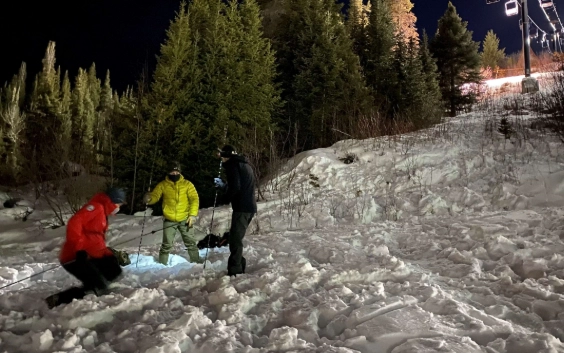
Mistake #3: Practicing Only on Flat, Perfect Snow. The real world has bumps, trees, and slopes. Set up a practice course on a gentle slope. The physics of searching changes. Your probe strike angle changes. Digging stability changes. If you only practice on a manicured lawn, you're building a skill that fails in the mountains.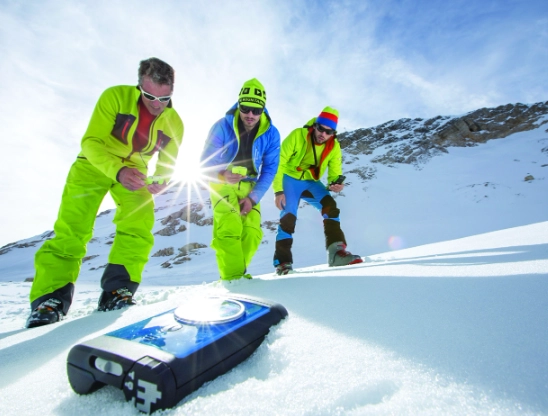
Leveling Up: Advanced Practice Scenarios
Ready to feel uncomfortable? Good. That's where growth happens.
- The Night Drill: Practice with a headlamp. Depth perception vanishes. You rely entirely on your beacon's audio and screen. It's a completely different, more primal experience. Do this with a partner for safety.
- The "Broken Gear" Scenario: Designate one person to search with only their probe and shovel (beacon "failed"). They must assist the primary searcher through strategic probing based on commands. It teaches communication and contingency planning.
- The Full Scenario Drill: Combine everything. A multi-burial on a slope at night with a time limit. Assign roles: leader, searcher, probe line organizer, digger. This isn't just beacon practice; it's full rescue team practice.
Building Your Personal Practice Plan
Don't just practice "when you think of it." Schedule it like a workout.
- Pre-Season (Fall): 2-3 sessions, 60 minutes each. Focus on fundamentals and single burials. Re-familiarize your fingers with the buttons.
- Early Season (First Month of Riding): One session every other week. Introduce multiple burials. Practice with your regular touring partners.
- Mid-Season: One session per month. Introduce one advanced element (slope, interference).
- Before a Big Trip: Mandatory full-team drill. Run through a complex scenario. This is your safety meeting.
The best practice field is one you use regularly. Find a spot, make it yours, and leave it cleaner than you found it.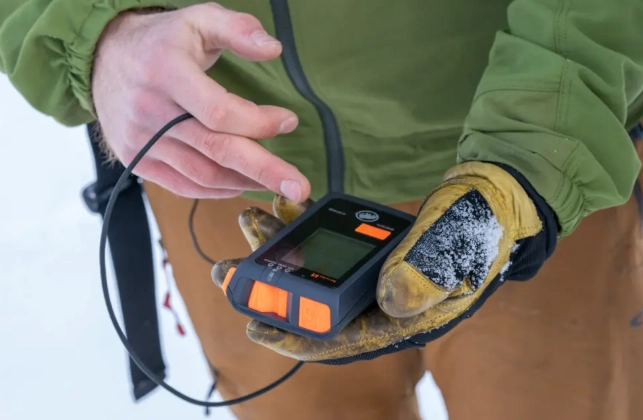
Your Avalanche Beacon Practice Questions, Answered
How do I practice avalanche beacon search effectively in a wooded area?
Woods add massive signal interference. Start by placing your buried beacon away from large tree trunks. As you search, you'll notice the signal strength jumping erratically. The trick is to move in wider arcs to find a clear "lane" toward the signal. Don't trust a single reading if you're right next to a thick tree; take two steps back and check again. It's slower, more methodical, and teaches you to trust the overall trend, not the flickering numbers.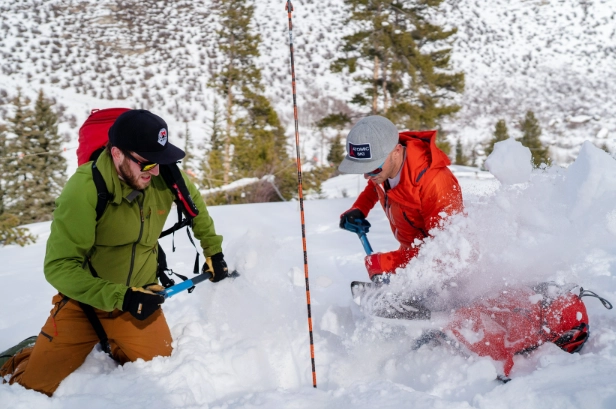
What's the single most overlooked aspect of beacon practice for ski tourers?
Practicing with gloves on. It sounds trivial, but it's critical. Your beacon's buttons are small. In panic, with bulky ski gloves or frozen fingers, fine motor control disappears. Every single practice session should be done with the same gloves you wear in the backcountry. Can you feel the buttons? Can you confidently switch modes without looking? If not, you need to modify your technique or consider a beacon with larger, more glove-friendly controls.
Is practicing with an older analog beacon still useful if I use a digital one?
Absolutely, and it's a fantastic idea. An analog beacon (one that just gives off a consistent beep that gets faster as you get closer) forces you to rely entirely on audio cues and sweeping patterns. It strips away the digital crutch. Using one for a few practice sessions will dramatically improve your fundamental understanding of flux lines and signal interpretation. When you switch back to your digital model, you'll understand what the machine is trying to tell you on a deeper level, rather than just blindly following arrows.