You've booked the flights, secured the lodge, and are counting down the days to fresh tracks. Then it hits you: what on earth do you actually need to pack? Forgetful packing can turn a dream ski vacation into a logistical nightmare—think rental shop panic, frozen toes, and overpaying for essentials you forgot at the mountain boutique.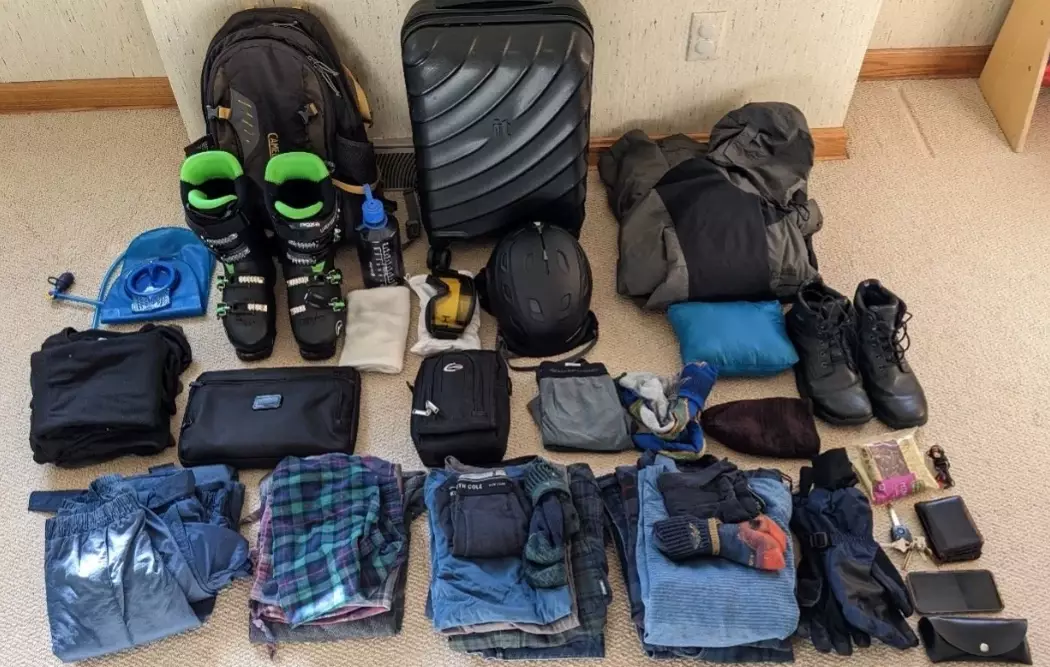
This isn't just another generic list. After a decade of ski trips from the Alps to the Rockies, I've refined this into a system. It’s about packing smart, not just packing everything. We'll cover not just the what, but the why and the how to fit it all without checked baggage fees swallowing your lunch budget.
In This Guide: Your Packing Roadmap
The Non-Negotiable Layering System
Getting cold is the fastest way to ruin a ski day. It’s not about one thick jacket; it’s about a versatile system. This is the core philosophy.
Base Layer: Your Second Skin
Avoid cotton at all costs. Once cotton gets wet with sweat, it stays wet, sucking heat from your body. You want merino wool or synthetic moisture-wicking fabric. Merino is naturally odor-resistant (a godsend for multi-day trips) and regulates temperature beautifully. Bring two sets: one to wear, one to dry.
Mid Layer: The Insulation Engine
This is your adjustable warmth. A lightweight fleece or a thin synthetic puffy jacket works best. On bitter days, wear both. On spring days, maybe just the fleece. The mistake here is bringing one bulky, non-breathable sweater. You need flexibility.
Outer Layer: The Weather Shield
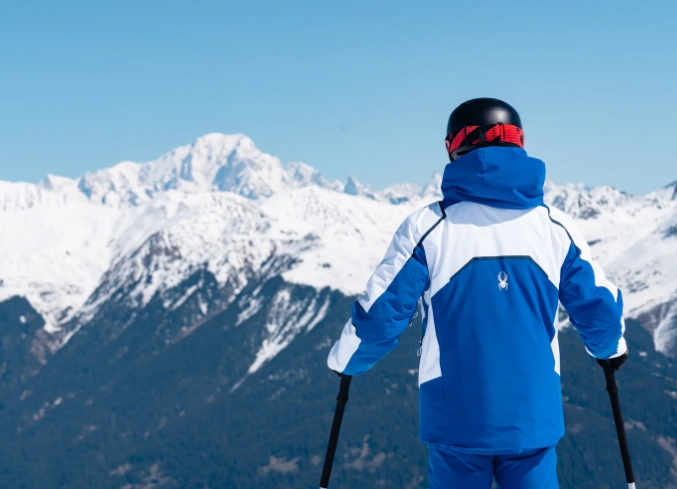
Your ski jacket and pants. Key specs: waterproof rating (aim for 15k+ mm), breathability, and fully sealed seams. A powder skirt and good pit zips are worth their weight in gold for ventilation. Don't cheap out here—a leaky shell makes every other layer pointless.
Essential Ski Gear (To Bring or Rent?)
This is the big decision. The calculus involves airline fees, convenience, and your skill level.
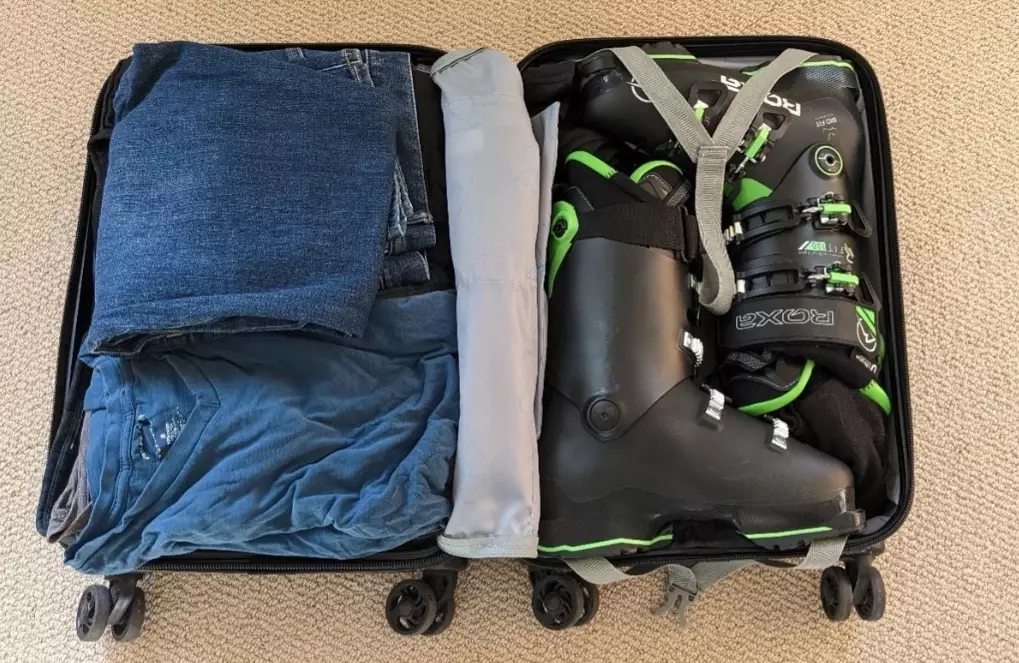
Ski Boots: This is the one item I always carry on. A lost bag means you can rent skis, but finding perfectly fitted boots is a nightmare. Your boots are 80% of your comfort and control. Pack them in a dedicated boot bag with your helmet, goggles, and gloves—your carry-on "ski essentials" kit.
Skis/Snowboard & Poles: For beginners and intermediates, renting at the resort is almost always the better financial and logistical choice. Consider this: round-trip airline baggage fees can be $100-$200. Rental shops now offer high-performance, well-maintained demos tuned for local conditions. You also avoid the stress of damage in transit. Bring your own if you're an expert with a dialed-in setup you trust implicitly.
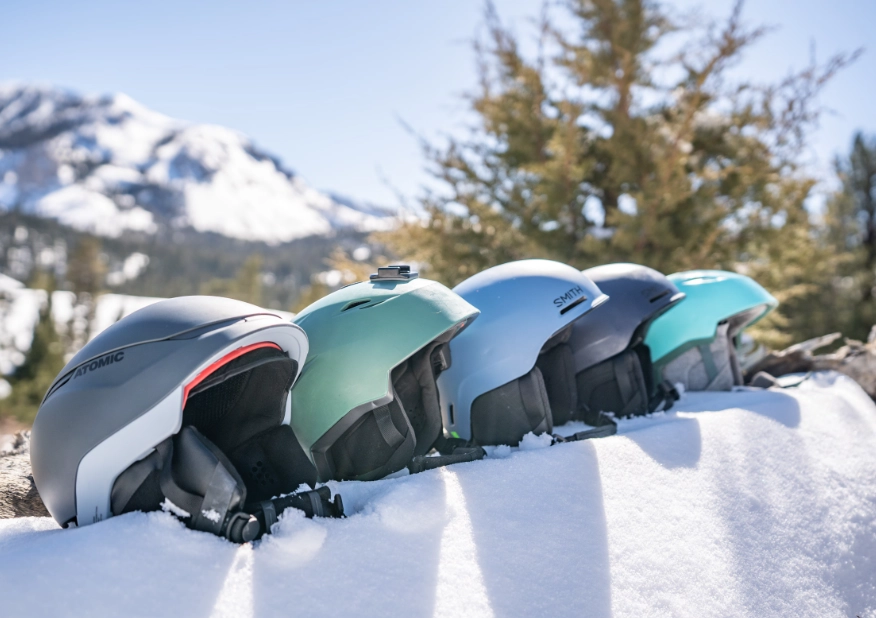
Helmet: Non-negotiable. Bring your own for guaranteed fit and hygiene. Most come with adjustable vents—familiarize yourself with them.
Goggles: Bring two lenses if possible: a low-light (yellow/rose) lens for storms and flat light, and a dark tint for bright sunny days. Anti-fog coating is critical.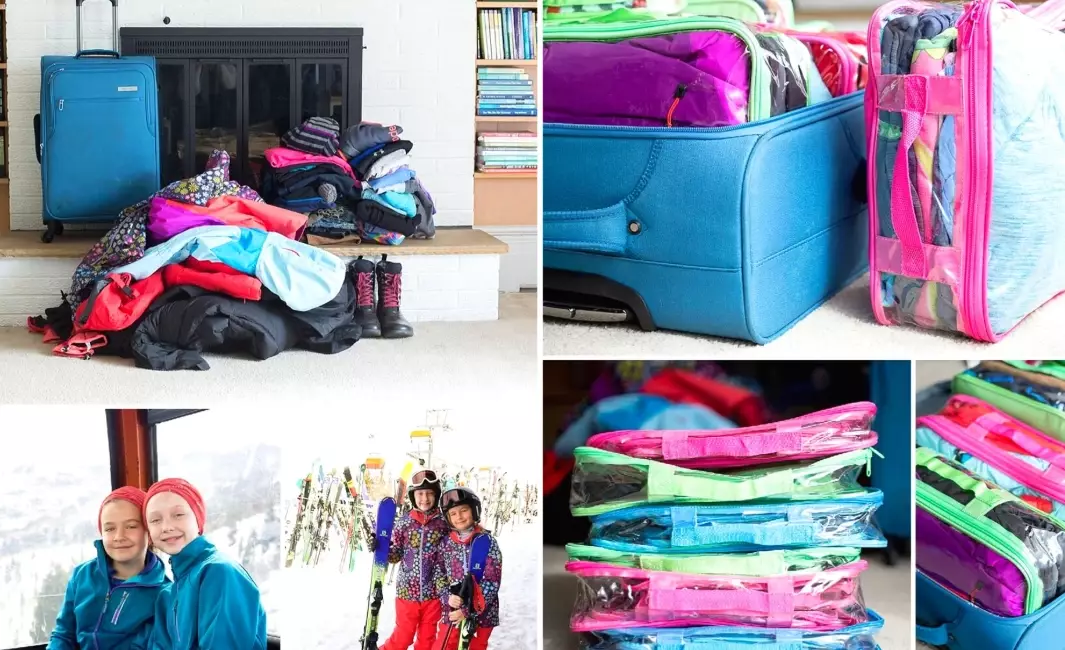
Clothing & Warmth: Beyond the Basics
Here’s where most lists stop, but the devil’s in the details.
Gloves/Mittens: Have a backup. Gloves get wet. I pack a high-quality waterproof pair for skiing and a lighter pair for walking around. Mittens are warmer than gloves for those with perpetually cold hands.
Socks: One pair per ski day, made of merino wool or a wool blend. They should be knee-high to prevent boot chafing. Never wear two pairs—it creates friction and cuts off circulation.
Neck Gaiter/Balaclava: More versatile than a scarf. Protects your face from wind and snow. I pack two: a thin one for moderate days and a thicker fleece-lined one for arctic blasts.
Helmet-Compatible Beanie: For apres-ski or if you get cold on the lifts. It should be thin enough to fit under your helmet.
Apres-Ski & Personal Survival Kit
You don't live on the mountain. Packing for the 16 hours you're *not* skiing is crucial for comfort.
Footwear: Comfortable, waterproof boots for walking in snow (like Sorel-style boots) and casual shoes for indoors. Your feet will crave something different after a day in ski boots.
Apres-Ski Attire: Think cozy, not fancy. A nice sweater, comfortable jeans or pants, and a down vest or casual jacket. Most mountain towns are casual.
Personal Care & First Aid:
- Sunscreen (SPF 30+): Reapply constantly. Snow reflects up to 80% of UV rays.
- Moisturizer & Hydrating Lotion: The air is brutally dry.
- Basic First Aid: Blister pads (moleskin), pain relievers, muscle rub, and any personal medications.
- Portable Charger: Cold drains phone batteries fast. Keep it in an inner pocket.
- Reusable Water Bottle: Hydration is key for avoiding altitude sickness and fatigue.
Expert Packing & Pro-Tips From a Decade on Snow
This is the stuff you learn the hard way.
The 80/20 Rule: You wear 20% of your clothes 80% of the time. Be ruthless. Do you really need three different apres-ski outfits for a 4-day trip? Probably not.
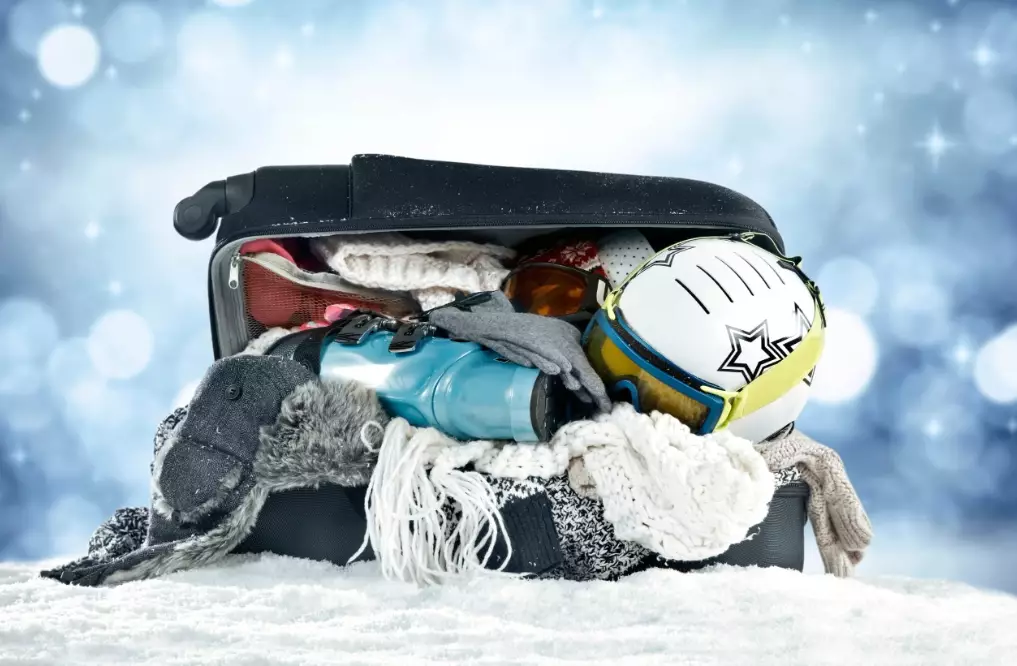
The Boot Bag Rule: Your ski boots, helmet, goggles, gloves, and base layers go in your carry-on. This is your survival kit. If the airline loses your suitcase, you can still ski comfortably by renting the rest.
Pack for the Worst-Case Weather: Checking the forecast? It's wrong. Mountain weather changes in minutes. Pack your full cold-weather layers even if sun is predicted.
Organization is Key: Use packing cubes. One for ski socks/base layers, one for apres-ski clothes, one for toiletries. It keeps your suitcase from becoming a black hole and makes unpacking at the lodge a 2-minute task.
I learned the hard way on a trip to Whistler. I packed "light" and forgot my mid-layer fleece. A cold snap hit, and I spent a small fortune on an overpriced, mediocre replacement in the village. Now, that fleece is the first thing in my bag.
Your Ski Packing Questions, Answered
 What is the most commonly forgotten item on a ski trip?
Packing for a ski trip isn't about filling a suitcase; it's about building a portable comfort and performance system. Focus on the layering principle, protect your core gear (boots!) in your carry-on, and remember the small survival items. Do that, and you'll spend less time worrying about your stuff and more time enjoying the reason you came: the mountains.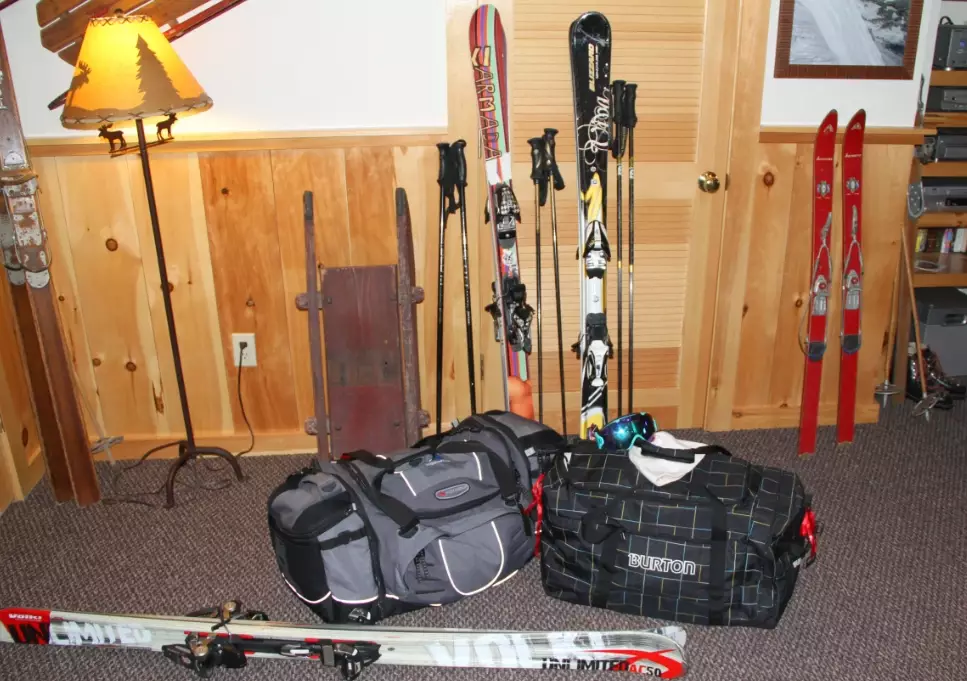
Now go check the weather one more time, and start laying out your base layers.