You've mastered the groomers, maybe even tackled some sidecountry gates. But there's this itch, right? The dream of endless, untracked powder turns, far from the crowded resort slopes. That's where cat skiing enters the picture. It's not heli-skiing's cheaper cousin – it's a different beast altogether, offering a unique blend of access, camaraderie, and pure skiing joy. Having spent over a decade guiding and skiing in these operations, I've seen the magic and the mishaps. This isn't just a brochure description; it's a straight-talk guide on what a cat skiing experience truly is, how to nail it, and whether it's for you.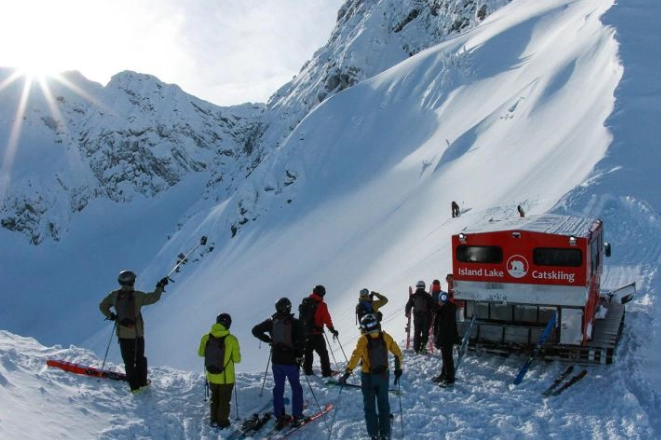
What's Inside This Guide
- What Exactly Is Cat Skiing? (And What It Isn't)
- How to Choose the Right Cat Skiing Operator
- A Minute-by-Minute Look at a Cat Skiing Day
- The Non-Negotiable Gear You Must Bring
- Cat Skiing vs. Heli-Skiing: The Real Differences
- Who Is a Cat Skiing Experience Really For?
- The Safety Talk No One Wants But Everyone Needs
- Your Cat Skiing Questions, Answered
What Exactly Is Cat Skiing? (And What It Isn't)
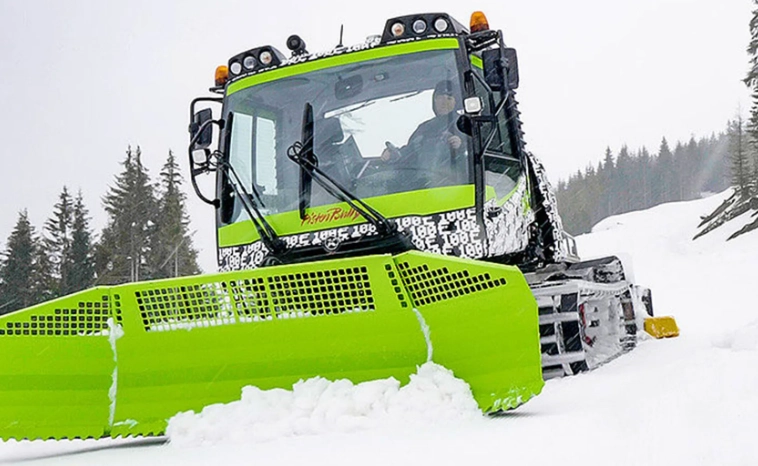
Let's clear the air first. We're talking about a snowcat – a tracked, tank-like vehicle, not a feline. These machines haul you and a small group (usually 10-12 skiers/boarders, plus guides) up into terrain that's inaccessible by chairlift. The cat follows old logging roads or specially cut paths, climbing to ridgetops and bowls filled with deep snow.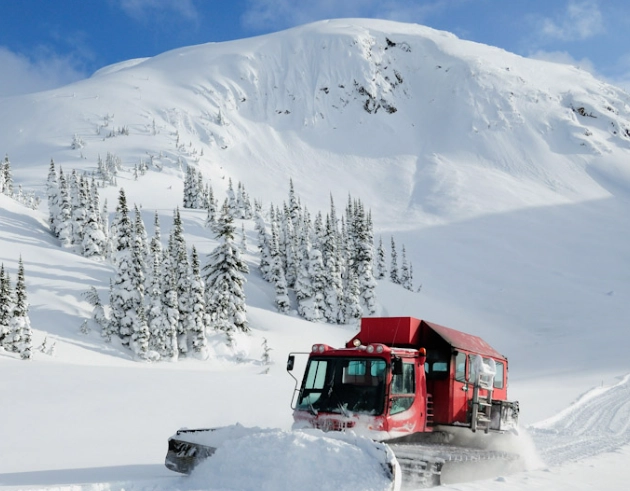
The key distinction from heli-skiing? The journey. A cat skiing trip is slower, more social. You're in a warm cabin for the 15-20 minute ride up, chatting with your group, hydrating, and prepping for the next run. It's less about racking up vertical feet and more about the quality of each descent. You might get 8-12 runs in a day, each one potentially over 2,000 vertical feet of untouched snow.
Quick Reality Check: "Untouched" doesn't always mean "steep couloir." Much cat skiing terrain is open glades and rolling bowls, perfect for making big, surfy turns. Operators manage avalanche risk meticulously, which sometimes means skiing slightly lower-angle, safer slopes. The thrill is in the snow quality, not just the pitch.
How to Choose the Right Cat Skiing Operator
Not all cat skiing experiences are created equal. Picking the wrong one can turn a dream trip into a frustrating slog. Here’s what to scrutinize, beyond the flashy photos on their website.
Terrain and Group Size
Ask specific questions. "What's the average run length?" "What's the mix of tree skiing vs. alpine bowls?" "What's your maximum group size per cat?" A 12-person cat is standard, but some premium ops run with only 8-10, meaning more space and quicker laps. Smaller groups ski better snow for longer.
Guide-to-Guest Ratio
This is critical for safety and enjoyment. One guide for 12 people is bare minimum. Look for operations that run two guides per cat. One can lead and set a track, the other sweeps and manages the group's pace. This also allows them to split the group by ability if needed.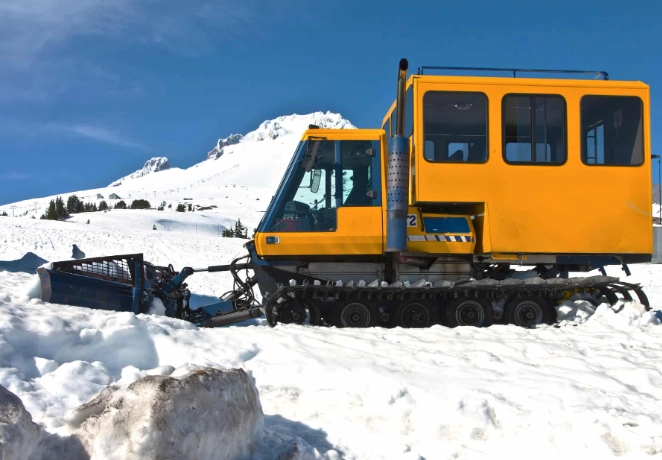
The Booking Fine Print
Read the cancellation policy related to weather. Cat skiing can get weathered out (too much snow, not enough visibility, extreme cold). Reputable operators like Mustang Powder in British Columbia or Selkirk Tangiers have clear policies, often offering partial credit or rescheduling. Be wary of "no refunds, ever" clauses.
Price is a big factor. A single day can range from $500 to over $1,000 USD per person, often including a gourmet lunch. Multi-day packages offer better value and increase your odds of scoring a perfect weather day.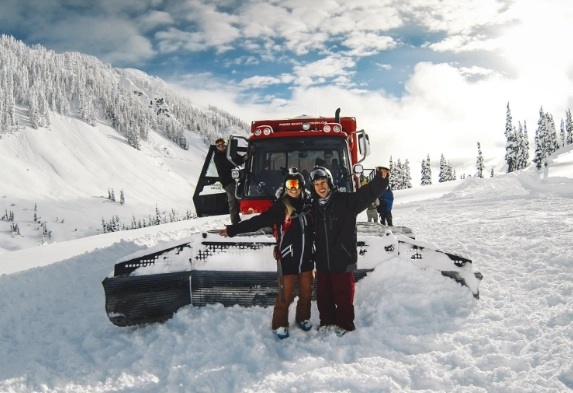
A Minute-by-Minute Look at a Cat Skiing Day
Let's walk through a day at a well-run operation in the Canadian Rockies, based on my last trip.
7:00 AM: Meet at the staging lodge. Not a resort base, but a dedicated, often rustic, building deep in the mountains. You sign waivers, get your avalanche beacon (they provide it), and have a mandatory safety briefing. They check your beacon. Then they check it again. Pay attention here.
8:00 AM: Load into the cat. It's warmer than you think, with bench seats facing each other. Your skis go on the outside rack. The guide goes over the plan for the first run. The vibe is excited, a bit nervous.
8:30 AM: First drop. The cat doors open, cold air rushes in. You hop out, click in, and look down a pristine slope of waist-deep powder. The guide drops in, making the first track. You follow, one at a time. The first run is always a blur of adrenaline and adjustment.
Late Morning: You settle into a rhythm. Cat ride up, 20-30 minutes of blissful skiing down. Repeat. The guides read the group's energy and skill, choosing terrain that challenges but doesn't terrify. You start to recognize the other skiers' styles.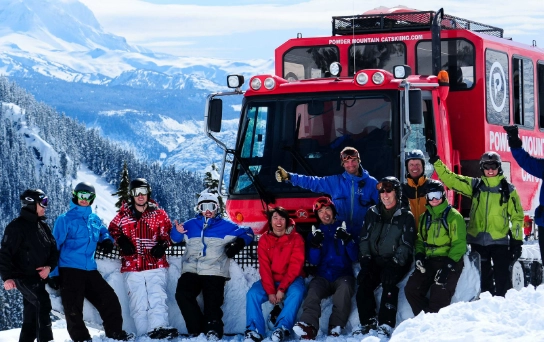
12:30 PM: Lunch. This isn't a soggy sandwich. We're talking hearty soup, fresh salads, maybe a lasagna, baked on-site in the cat's tiny oven or at a mid-mountain cabin. You shed layers, dry gloves, and swap stories. This social break is a hidden gem of the cat skiing experience.
1:30 PM - 3:30 PM: The afternoon session. Legs are burning, but the snow is still good. Guides might take you to a different zone. The light changes, the mood deepens. You're fully in the zone now.
4:00 PM: Last run. Always a bittersweet victory lap. Then it's back to the lodge for boots off, a cold beer, and that deep, satisfying fatigue that only a day like this delivers.
The Non-Negotiable Gear You Must Bring
Your Personal Gear Checklist:
- Powder Skis or Board: Leave the race skis at home. You need width (110mm+ underfoot) for float. Demo if you must.
- Two Pairs of Gloves: One will get wet. Mittens are warmer for those deep days.
- Goggles with Low-Light Lenses: Storm days are common. A sunny lens will leave you blind in the trees.
- Breathable Layers: You sweat on the climb out of a deep snow pit. Merino wool is your friend.
- A Small Backpack: For water, snacks, extra layer, camera. Keep it light.
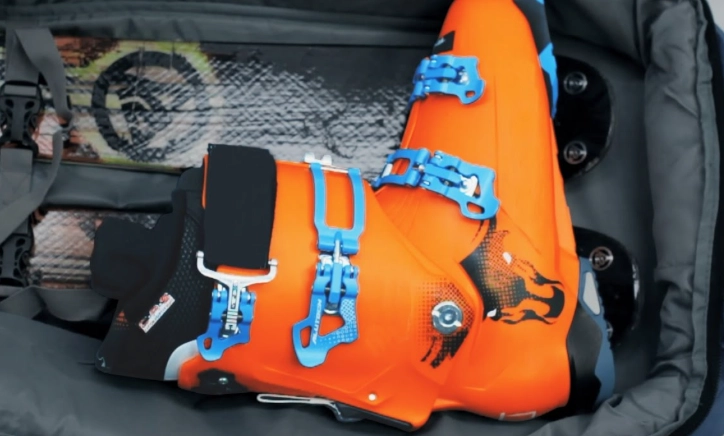
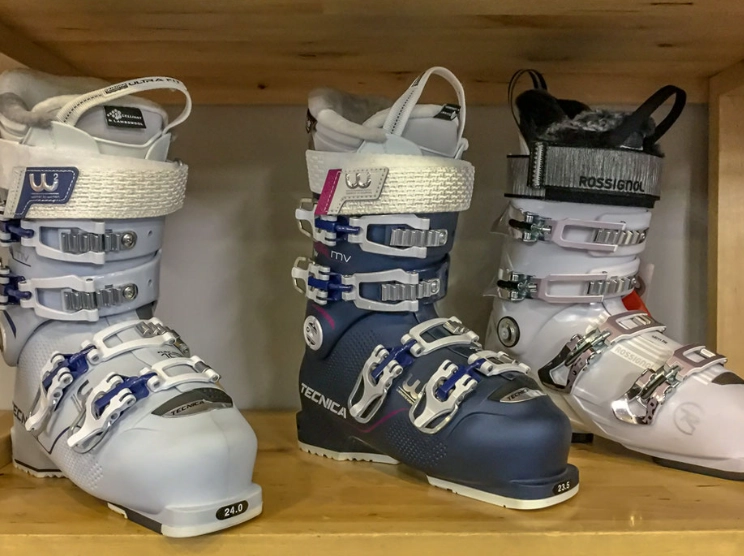
- Solid, Waterproof Boots: Cold, wet feet ruin everything. Ensure yours are heat-molded and dialed.
One pro tip most miss: check your binding's DIN setting. In deep, heavy snow, you can pre-release if it's too low. I've seen it happen. Bumps are rare out here, but the forces in deep snow can be surprising. A quick visit to a shop before your trip is wise.
Cat Skiing vs. Heli-Skiing: The Real Differences
Everyone asks this. It's not just about price. The choice shapes the entire experience.
| Factor | Cat Skiing | Heli-Skiing |
|---|---|---|
| Cost | $$ (More accessible) | $$$ (Premium price) |
| Weather Dependency | More resilient. Can operate in higher winds and lower clouds. | Highly sensitive. Flights get grounded often. |
| Pace & Vibe | Social, steady rhythm. Built-in breaks. Good for building stamina. | Fast, intense, mission-oriented. Maximizes vertical. |
| Terrain Access | Excellent for tree-skiing and protected bowls. May not reach highest alpine. | Unmatched for vast, high-alpine terrain and huge descents. |
| Environmental Footprint | Lower carbon emissions per skier. | Higher due to fuel use. |
| Skill Level Gate | More forgiving. Often better for strong intermediate/advanced. | Usually requires proven expert-level ability. |
My take? If you love the social aspect of skiing, want a more reliable chance of skiing your booked days, and prefer varied tree and bowl skiing, go cat. If your goal is massive, cinematic alpine lines and budget is secondary, go heli.
Who Is a Cat Skiing Experience Really For?
It's not just for ex-racers and film segment stars.
The Ideal Candidate: You're a confident parallel skier or snowboarder who can link turns down a black diamond run in control. You can handle variable snow (crud, chop) without panicking. Most importantly, you have the fitness to ski 15,000+ vertical feet of challenging snow in a day. The cat eliminates the hike, but it's still a demanding physical day.
A huge misconception is that you need to be an expert to enjoy cat skiing. Not true. Many operations have fantastic terrain for strong intermediates. The key is honesty when booking. Operators would rather place you in a slightly easier group where you'll have fun than in over your head where you'll be scared and slow everyone down.
It's also perfect for groups of friends with mixed abilities, as cats can often access zones that cater to different lines within the same area.
The Safety Talk No One Wants But Everyone Needs
You're skiing in avalanche terrain. Period. Reputable operators mitigate this with daily avalanche forecasting (using resources like Avalanche Canada or the Colorado Avalanche Information Center), careful route selection, and possibly controlled avalanching.
Your responsibility? Listen. Follow the guide's instructions exactly – where to stand, when to go, how to regroup. They're not being bossy; they're managing complex risks. Carry the provided beacon, probe, and shovel, and know how they work before you show up. Many ops offer quick refreshers, but don't rely on that as your first lesson.
The biggest safety error I see? Skiers getting overconfacent and straying from the group's track or going too fast. This isolates you and makes you hard to find if something goes wrong. Stay in visual contact with the guide and the skier behind you.
Your Cat Skiing Questions, Answered
I'm a solid intermediate skier who loves blues and easy blacks. Is a cat skiing experience too much for me?
Not necessarily. Communicate your ability clearly when booking. Ask the operator if they have terrain suitable for your level. Many do, especially in places like British Columbia's Monashee Mountains, which feature more rolling, open terrain. The key is being comfortable in ungroomed snow. If you only ski perfect corduroy, you'll struggle. But if you can handle off-piste chop with confidence, you can have an amazing time.
What happens if the weather is terrible on my booked cat skiing day?
This is the gamble. Most operations have a detailed weather policy. Full-on storms with zero visibility or extreme cold will cancel the day. Heavy snow might delay start times. The best operators offer a credit for a future day or a partial refund. Rarely is it a full "no questions asked" refund. When you book, especially for a single day, mentally prepare for this possibility. Booking multi-day trips significantly increases your odds of getting at least one or two epic days.
Can I go cat skiing solo, or do I need a group?
You can absolutely go solo. Most bookings are for individual spots in a shared cat. It's a fantastic way to meet other passionate skiers. In fact, I've made lifelong friends on cat trips. If you have a private group of 8-12, you can often book the entire cat, which gives you more control over the pace and vibe.
What's one piece of advice you never see in guides for a first-time cat skiing experience?
Manage your energy and technique from run one. The biggest mistake is going 100% on the first two runs, burning your legs and your focus. The snow is deep and requires more leg motion than you're used to. Make smooth, rounded turns. Let the skis come up and around. Fight the urge to muscle through it. If you're exhausted by lunch, the afternoon – when the snow might be at its best – becomes a chore. Pace yourself like a marathon, not a sprint.
So, is a cat skiing adventure worth it? If you crave deep snow, stunning scenery, and the unique camaraderie of a small group tackling the backcountry together, the answer is a resounding yes. It's an investment in a type of skiing memory that doesn't fade. Do your homework, be honest about your skills, pack the right gear, and go in with an open mind. You might just find your new favorite way to ski.