Let's be honest. Drills on the ski hill rarely feel glamorous. You're not arcing perfect carves down a black diamond, you're not floating through powder. You're... awkwardly lifting one ski on a boring green run, feeling wobbly and self-conscious.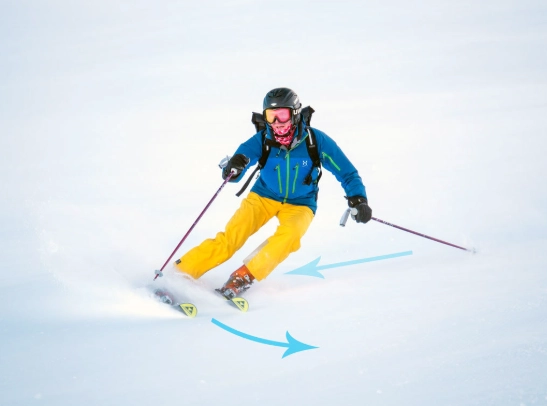
But here's the thing I've learned after a decade of teaching and countless hours of personal practice: the one ski turns drill is the single most effective exercise for building the foundation of expert skiing. It's the bridge between struggling with your parallel turns and making them feel automatic, powerful, and precise.
Most skiers hit a plateau where their turns feel forced, skidded, or unbalanced. They try to muscle through it, buy new equipment, or watch more YouTube tutorials. The real fix, however, is often embarrassingly simple. It's about isolating the fundamental movement pattern that everything else is built upon.
That's what this drill does. It strips away all your crutches and forces your body to learn the correct alignment and pressure management. I've seen it transform intermediate skiers in a single session.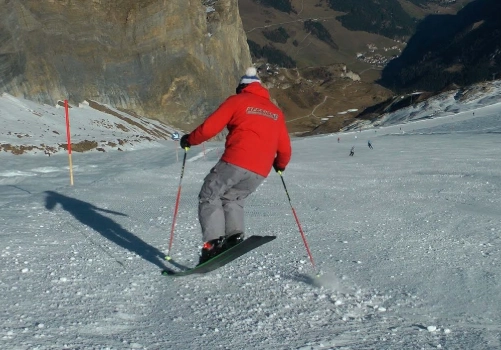
What's Inside This Guide
What is the One Ski Turns Drill? (It's Not What You Think)
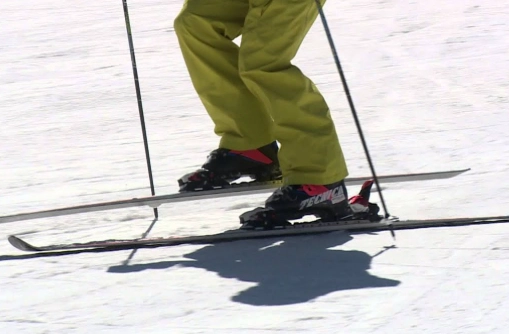
At its core, the drill is exactly what it sounds like: you ski down a gentle slope making turns while one of your skis is lifted off the snow. You hold it up for a few turns, then switch and lift the other ski.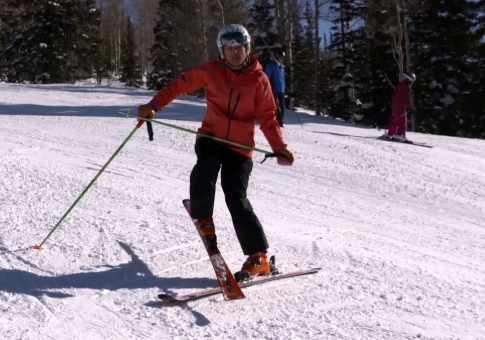
But the goal isn't just to survive. The goal is to feel something specific.
You're aiming to feel your weight centered over the arch and ball of the foot on your supporting ski. You should feel your knee driving forward and slightly into the turn, and your hip stacked directly over that outside ski. The sensation is one of quiet stability, not frantic balancing.
A huge misconception is that this is just a "balance" drill. It's more precise to call it a pressure management and alignment drill. Balance is the result of getting those two things right.
Why This Drill is a Game-Changer for Your Skiing
So why go through the awkwardness? What does this actually fix? Let me break down the three biggest problems it solves, problems that most skiers don't even know they have.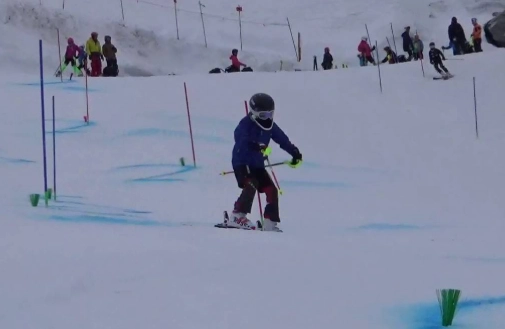
1. It Cures "Leaning In" (The Mother of All Skidding)
This is the number one error in skiing. When you're afraid of the hill, your instinct is to lean your shoulders and hips toward the slope, away from the valley. It feels safe, but it's a trap.
Leaning in puts your weight on your uphill (inside) ski, which has no edge grip. Your downhill (outside) ski, which should be doing all the work, lightens and skids out.
Try leaning in while on one ski. You'll fall over immediately. The drill physically prevents you from making this error. To stay upright, you must stack your hips over your outside foot. This is the holy grail of turn initiation.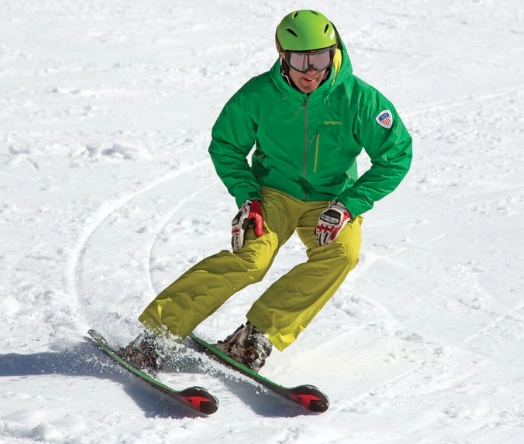
2. It Builds Independent Leg Action
Good skiers turn by pressuring and steering the outside ski. The inside leg is mostly along for the ride, its ski light on the snow. Most intermediates have their weight split 50/50 or even 60/40, with too much on the inside ski.
The one ski drill makes 100% of your weight go to the outside leg. There is no other option. You are literally practicing the exact weight distribution you need for a powerful turn. After doing this, going back to two skis feels easy—your body remembers that the outside leg is the boss.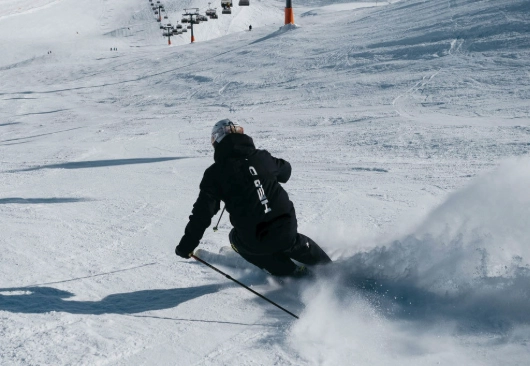
3. It Develops Ankle Flex and Edge Sensitivity
This is the subtle one. Modern ski boots are stiff. It's easy to get lazy and just pivot your whole body instead of flexing your ankle inside the boot to engage the edge.
On one ski, you become hyper-aware of the pressure against the cuff of your boot. You learn to roll your ankle slightly to set the edge, using fine motor control rather than brute leg swing. This connection between your foot and the ski's edge is what allows for clean carving.
I remember a student, Mark, who could link turns but they were always a fight. He'd get tired by lunch. We spent 20 minutes on this drill on a cat track. The next run down a blue, his turns were quieter, smoother. He said it felt like he was finally "listening" to his skis. That's the edge sensitivity kicking in.
Step-by-Step: How to Practice the One Ski Turns Drill
Don't just point yourself down the hill and hop on one foot. That's a recipe for frustration. Follow this progression.
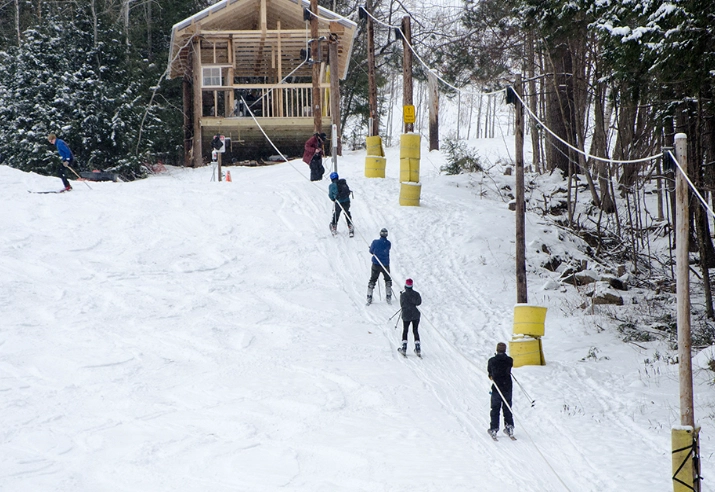
Step 1: The Right Venue. Find a wide, gentle green run. I'm talking about the slope you'd use to teach a first-timer. The flatter, the better. You want zero intimidation factor. Popular beginner areas at 9 AM on a weekday are perfect. Avoid any incline that makes you think "I need to turn to control speed." You should feel bored by the pitch.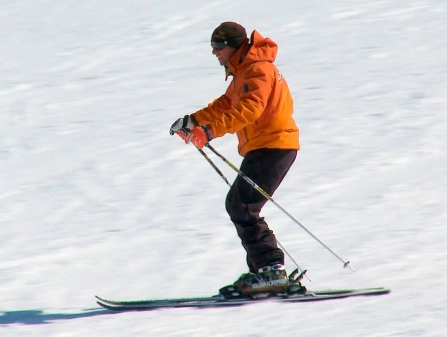
Step 2: The Warm-Up (Straight-Line Glide). Stand across the hill. Lift your uphill ski just an inch off the snow. Hold it for 5 seconds. Put it down. Now try gliding straight downhill for a few feet on that same ski. Don't turn. Just get used to the feeling of all your weight on one foot, with your body stacked over it. Do this on both sides.
Step 3: The Weight Shift (The Magic Moment). This is the core of the drill. Start a very gentle traverse. On your supporting leg, slowly push your knee forward and down the hill. Don't swing your body. Just push that knee. Feel the ski start to bend and initiate a turn. Keep the other ski lifted. Let the turn come around until you're facing across the hill the other way. Stop. Reset. Do it again.
The movement should come from your lower body—ankle, knee, hip. Your upper body stays quiet and facing downhill.
Step 4: Linking Turns. Once you can consistently initiate a turn from the knee press, try linking two. Finish your first turn, and immediately transition the pressure to the new outside leg (you'll be switching the lifted ski in the air) and press the knee again to start the next turn. It will be clunky at first. That's fine.
Step 5: The Full Sequence. Aim for 3-4 linked turns on one ski, then switch and do 3-4 on the other. Your focus isn't on the number, but on the quality of the movement. Are you stacked? Is the turn initiated by knee pressure? Is your upper body calm?
A Critical Tip Most Skiers Miss
Your poles are not for stabbing the snow to regain balance. That's another cheat. Use them for timing and a light touch. Plant your pole as you initiate the turn, but if you're leaning on it, you're avoiding the proper weight shift. Try a run without even planting your poles. It's brutally revealing.
Common Mistakes and How to Fix Them
Even with good intent, it's easy to practice the wrong thing. Here's what to watch for.
Mistake 1: The "Ankle Roll" Instead of the "Knee Drive." People try to turn the ski by rolling their ankle laterally only. This creates a weak, wobbly edge. The correct movement is a forward and lateral drive of the knee. Think "knee to boot tongue and toward the little toe." This engages the entire sidecut of the ski.
Mistake 2: Picking the Wrong Terrain. Practicing on a slope that's too steep is the biggest error. You'll be in survival mode, tense and scared, which reinforces all the bad habits you're trying to fix. If your heart rate is up, you're on too steep a slope. Go flatter. I can't stress this enough.
Mistake 3: The Stiff, Straight Supporting Leg. Locking your knee turns you into an inverted pendulum. You have to balance with your upper body, which is wrong. Keep a soft, slightly flexed knee. Let it act as a shock absorber, moving fluidly to manage pressure.
Mistake 4: Focusing on the Lifted Ski. Your brain will be obsessed with the ski in the air. "Keep it up! Don't touch!" This tenses your whole body. Redirect your focus. Concentrate entirely on the feeling in the foot and knee of the ski on the snow. The lifted leg should be relaxed, just dangling.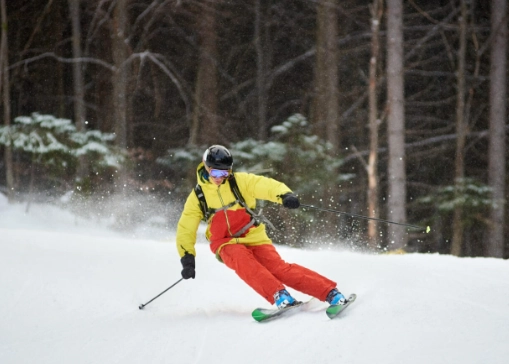
Your One Ski Turns Drill Questions Answered
The one ski turns drill isn't a quick fix. It's a fundamental truth-teller. It shows you exactly where your technique stands. The initial awkwardness is a sign it's working—you're confronting habits your brain has automated.
Embrace the wobble. Seek out that boring green run. Give it 20 minutes of focused effort. When you click back into both skis, you might just find your turns have transformed from something you do into something that simply happens.