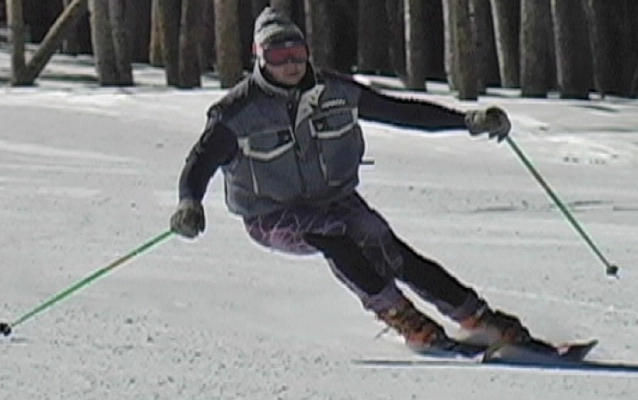
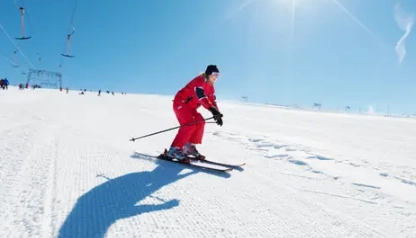
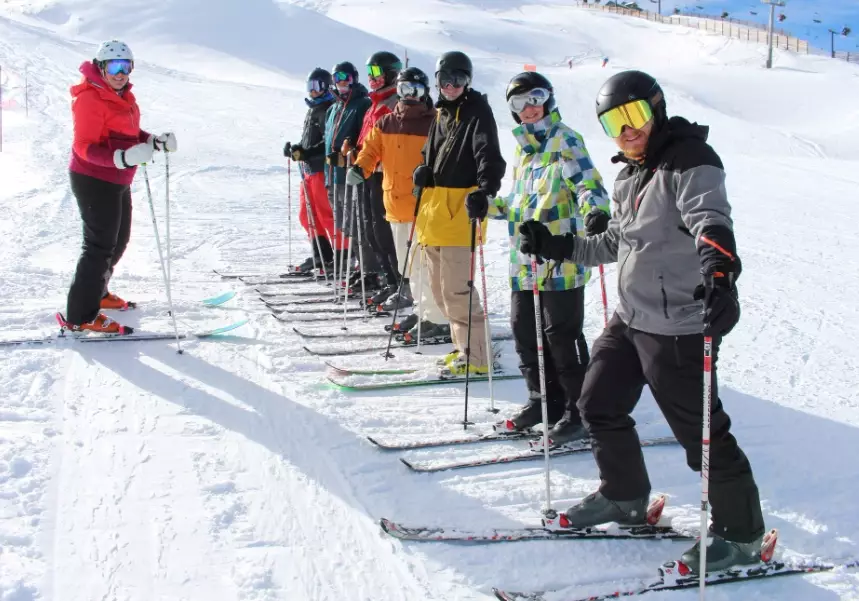
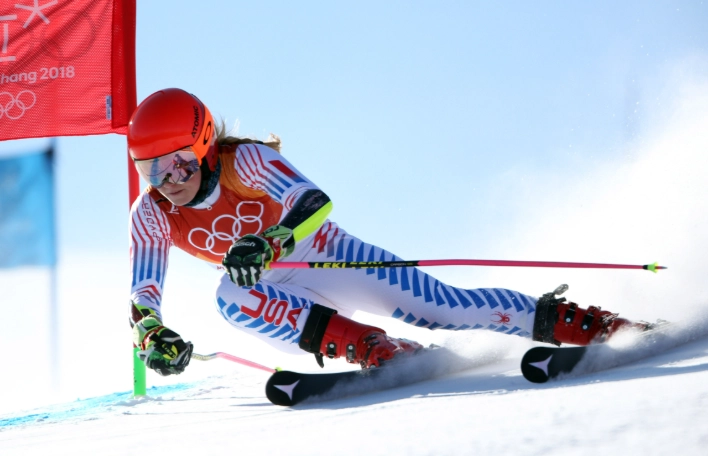
Let's get straight to the point. The basic ski stance is the single most important part of skiing. Forget the fancy carved turns or the dream of floating through powder for a second. If your foundational posture is wrong, everything else is a struggle. It's the chassis of your skiing—the platform from which all power, balance, and control originate. A proper stance feels athletic, ready, and quiet. A bad one feels like you're constantly fighting the mountain.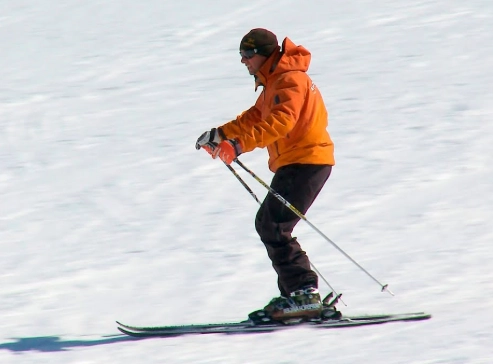
I've been teaching skiing for over a decade, and I can spot a struggling skier from the lift. Nine times out of ten, it's not their turn shape or pole plant. It's their stance. They're sitting in a lawn chair, leaning on their ski tails, or standing stiff as a board. The good news? Fixing your stance is the fastest way to unlock better skiing. This guide isn't about theory. It's the exact framework I use with first-timers and returning experts alike to build a stance that works anywhere on the mountain.
What You'll Discover in This Guide
- Why Your Ski Stance is the Foundation of Everything
- The Anatomy of a Powerful Ski Stance
- The 3 Most Common Stance Mistakes (And How to Fix Them)
- Simple Drills to Program Muscle Memory
- How Your Stance Changes with Terrain and Speed
- Gear Tips That Make a Good Stance Easier
- Troubleshooting: Quick Fixes for Common Problems
Why Your Ski Stance is the Foundation of Everything
Think of your ski stance as the operating system for your entire body. A good OS runs everything smoothly. A buggy one causes crashes. In skiing, a proper stance gives you three superpowers:
- Balance: You become a stable, mobile platform. You can absorb bumps, adjust to ice, and stay upright when things get tricky.
- Control: Your skis become extensions of your feet. You steer with precision, not desperation.
- Power Transmission: You can push into the snow to slow down or spring out of a turn with efficiency. No energy is wasted.
And there's a hidden benefit: injury prevention. A stacked, aligned body is a resilient one. You're far less likely to blow out a knee or tweak a back if you're not fighting your own posture.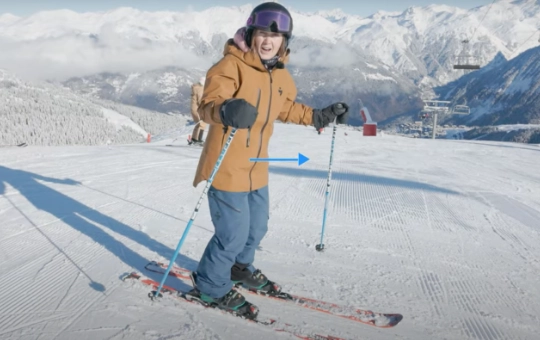
The Anatomy of a Powerful Ski Stance
Let's break down the ideal posture into manageable chunks. Don't try to perfect all of these at once. Pick one, work on it, then layer in the next.
The Neutral Position: Your Home Base
This isn't a rigid pose. It's a dynamic, ready state. Imagine you're on a subway and it lurches forward. You don't lock your knees and lean back. You bend them slightly and let your whole body absorb the movement. That's the feeling.
Feet and Ankles: The Contact Point
Your boots should feel like a firm handshake with your skis—secure but not crushing. A common myth is to "drive your shins into the boot." This often leads to over-flexion and a stiff ankle. Instead, think about keeping your heel planted in the heel cup. When you flex forward, you should feel pressure across the entire foot, not just the ball.
Width is crucial. A stance slightly wider than your walking gait provides a stable base. Too narrow, and you'll wobble. Too wide, and you'll struggle to transfer weight. Your weight should be centered over the middle of your foot. A quick test: can you wiggle your toes inside your boot? If yes, you're probably in the ballpark.
Knees and Hips: The Shock Absorbers
Your knees should be bent, tracking over your toes. Avoid letting them cave inward. Your hips are the powerhouse. They should be over your feet, not behind them. A subtle forward tilt from the hips (not bending at the waist) engages your core and keeps you ready to move.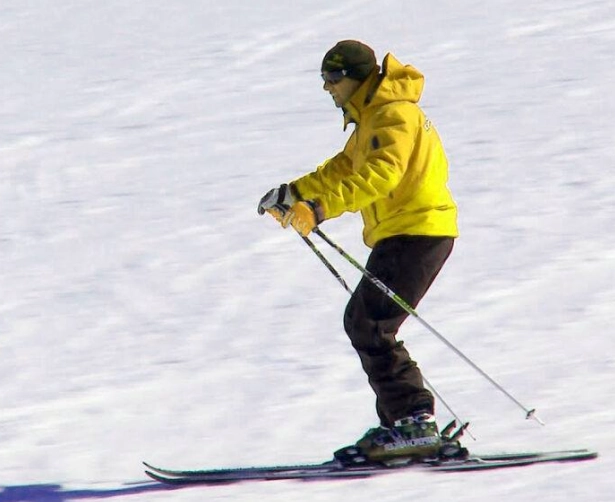
Here's a subtle cue most instructors miss: imagine you have a tail. Tuck it slightly. This pelvic tilt automatically engages your lower core and puts your femurs in a stronger position.
Upper Body: The Stabilizer
Your shoulders, hips, and feet should form a tidy stack. Arms are relaxed, slightly forward, and your hands should be in your peripheral vision. A great visual is to pretend you're holding a large pizza box. This keeps your chest open and your weight forward.
The biggest mistake I see? The "passenger seat" stance. Leaning back against an imaginary headrest. This disengages your core, puts weight on your tails, and makes steering a chore. If you find yourself there, a simple forward shuffle of your hips is often the fix.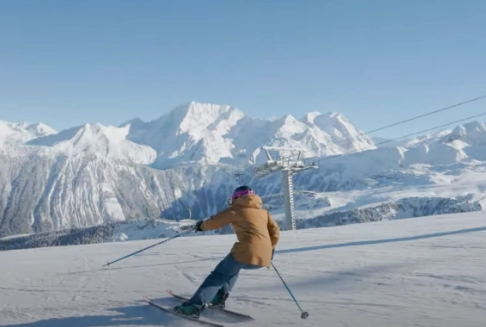
The 3 Most Common Stance Mistakes (And How to Fix Them)
I've taught thousands of lessons. These three errors show up again and again. The good news is they're simple to correct with a bit of awareness.
1. The Backseat Driver
The Problem: Your weight is on your heels. Your quads burn, you feel out of control, and initiating a turn requires a huge effort. This often happens when we're scared—our primal brain tells us to lean away from the perceived danger.
The Fix: The "Hand on Knee" Drill. On a gentle slope, place your hand on the front of your knee. As you ski, press gently forward. You'll feel your shin engage the boot tongue. This small cue shifts your center of mass forward where it belongs.
2. The Staunch Soldier
The Problem: Locked, straight legs. This stance is rigid and unforgiving. You can't absorb terrain, and every bump travels straight up your skeleton. It's exhausting and dangerous.
The Fix: The "Silent Feet" Game. As you ride the lift, let your skis dangle. Notice how your ankles, knees, and hips naturally flex. That's the feeling you want. On your next run, try to keep that loose, shock-absorbing sensation. If you're struggling, think "soft knees" as a mantra.
3. The Leaning Tower
The Problem: Your upper body is either too far forward or, more commonly, leaning back from the waist. This breaks your alignment and forces your legs to work overtime for balance.
The Fix: The "Pizza Box" drill. Actually, hold a pizza box (or imagine one) as you make a few turns. It forces your chest to stay open and your hands to stay forward and visible. Your hips will naturally follow into the correct position.
Simple Drills to Program Muscle Memory
Reading is one thing. Feeling is another. These drills are designed to create new neural pathways. Do them on easy terrain where you can focus on form, not survival.
- The Traversing Tap: On a gentle blue, traverse across the slope. Lightly tap the front of each boot with your pole. If you can't reach without bending excessively, you're in the backseat.
- The Jellyfish Turn: Make a turn and let your arms swing loosely by your sides like jellyfish tentacles. This kills the urge to "steer" with your upper body and keeps your core engaged.
- Flat Light Skiing: In poor visibility, ski with your hands forward and wide. This lowers your center of gravity and widens your balance base. It's a cheat code for stability.
How Your Stance Changes with Terrain and Speed
A rigid stance is a broken stance. Your body must adapt. Here’s a quick reference: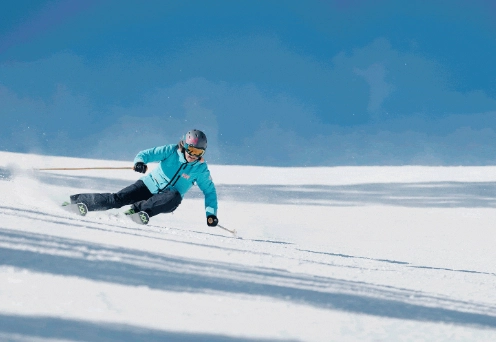
| Terrain / Goal | Stance Adjustment | Why It Works |
|---|---|---|
| Steep Slopes | Lower center, weight forward, skis closer (but not crossed) | Increases edge grip and prevents runaway speed. The forward pressure keeps you in control of the turn. |
| Powder | Wider base, more knee flexion, weight centered or slightly back | Creates a platform to float on. The wider stance prevents the skis from diving, and the centered weight helps them plane on the surface. |
| Bumps (Moguls) | Absorb with knees and hips, keep upper body quiet | Your legs become shock absorbers. A still upper body acts as a gyroscope, allowing your skis to pivot quickly beneath you. |
| High Speed Carving | Taller, more compact, weight drives into the outside ski | Reduces drag and allows the ski to bend into its natural arc. The compact stance is more aerodynamic and stable. |
The most common mistake in variable terrain is "stemming"—throwing a ski out to the side to brake. This comes from a fear of speed. Instead, focus on a smooth, round turn shape. Let the ski do the work; you're just guiding it.
Gear Tips That Make a Good Stance Easier
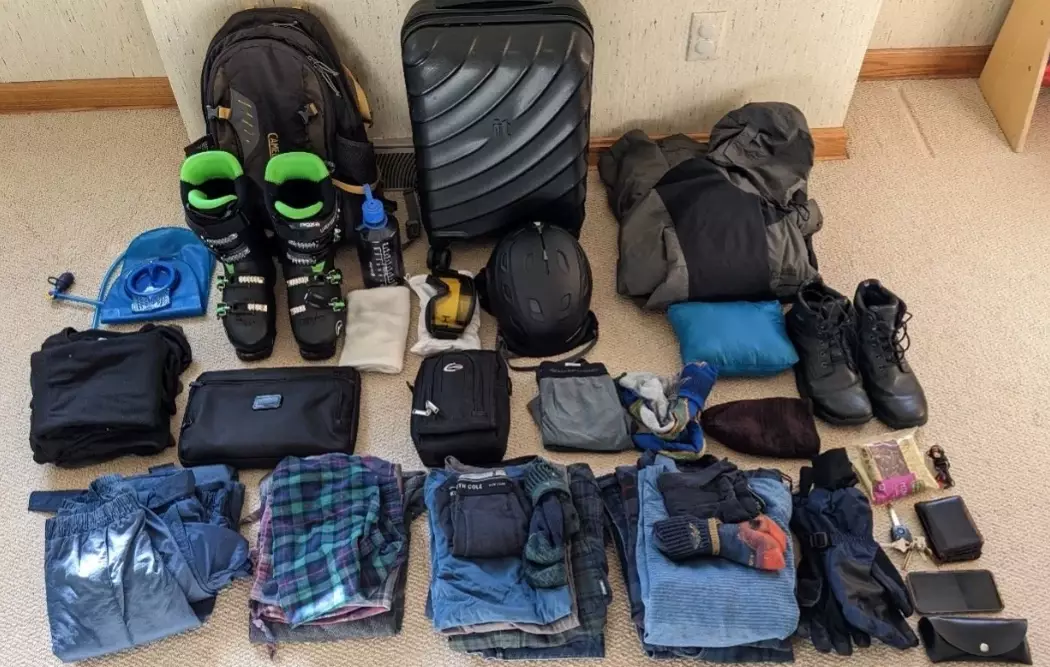
You can't drive a sports car with truck tires. Your gear either helps or hurts your stance.
- Boots: Too loose, and your foot swims, breaking the connection. Too tight, and you lose circulation and feel. A proper fit should be snug but not painful. If your toes are numb after 20 minutes, see a bootfitter.
- Bindings: A forward-leaning binding can help if you chronically sit back. But this is a band-aid, not a cure. Fix the stance first, then adjust gear.
- Poles: Hold them like you're shaking hands, not clutching a hammer. A relaxed grip prevents forearm fatigue.
A quick story: I had a student who was convinced her boots were "dead." She'd lean back constantly. We spent a lesson just on the Hand on Knee drill. By the end, she was carving turns on a black diamond. The boots were fine; her stance was the problem.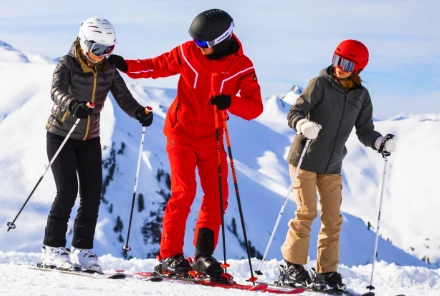
Troubleshooting: Quick Fixes for Common Problems
Stance issues often show up as other problems. Here’s a decoder ring:
- Problem: "My skis feel heavy and hard to turn."
Likely Cause: Backseat stance. You're steering with your heels, not your whole foot.
Quick Fix: The Hand on Knee drill. Re-establish that forward connection. - Problem: "I feel like I'm going to tip over backwards."
Likely Cause: Leaning Tower. Your upper body is fighting your lower body.
Quick Fix: Pizza Box drill. It forces alignment. - Problem: "My legs are on fire by lunch."
Likely Cause: Staunch Soldier. Your muscles are working statically, not dynamically.
Quick Fix: Silent Feet game. Find that loose, shock-absorbing feeling.
Remember, this isn't about creating a perfect robot pose. It's about finding a dynamic, adaptable state of readiness. Your best skiing happens when you stop thinking about your stance and just feel it. These drills are the shortcut to that feeling.
Now, I'm curious—which of these mistakes do you think you make most often? The Backseat, the Soldier, or the Leaning Tower? Try the corresponding drill on your next run and see what shifts.