Quick Navigation
Let's be honest, when you first hear "Chairlift Mountain," you probably picture a snowy slope with, well, chairlifts. I did too. But after spending more time there than I'd like to admit (blame a combination of fresh powder and a misplaced sense of adventure), I can tell you it's a completely different beast depending on when you show up. Summer turns it into a hiker's paradise, fall paints it with colors that don't look real, and winter... winter is where its reputation was forged. This isn't just a resort; it's a full-blown, four-season playground that keeps surprising you.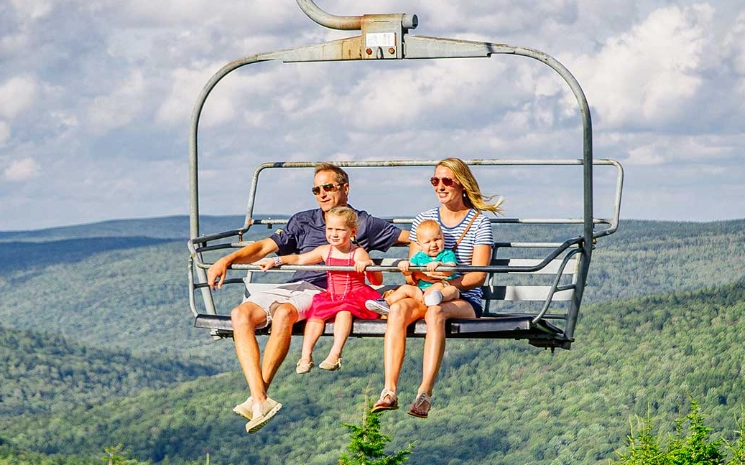
The problem with most guides out there? They pick a lane. They're either hyper-focused on the black diamond ski runs, treating it like a pro-athlete training ground, or they're all about the "top 5 photo spots" without telling you how to actually get to them without getting lost. It's frustrating. You're left piecing together information from a dozen different sites, wondering if the trail is really "moderate" or if that's just code for "you'll be sore for a week."
So I'm throwing my hat in the ring. This guide is my attempt to give you the whole, unvarnished picture of Chairlift Mountain. The good, the great, and the occasionally "why is the line for the main lift so long?" We'll talk about carving turns on a perfect bluebird day, the quiet magic of a wildflower hike most visitors miss, what to actually pack, and how to plan a trip that doesn't break the bank. Consider this your one-stop shop, written by someone who's learned a few lessons the hard way so you don't have to.
Getting to Know the Lay of the Land
Before you start booking lessons or lacing up hiking boots, it helps to understand what you're dealing with. Chairlift Mountain isn't one single peak; it's more of a sprawling massif with several distinct areas, each with its own personality. The main base village is where you'll find most of the lodges, restaurants, and gear rental shops. It's bustling, convenient, and can feel a bit crowded on peak weekends.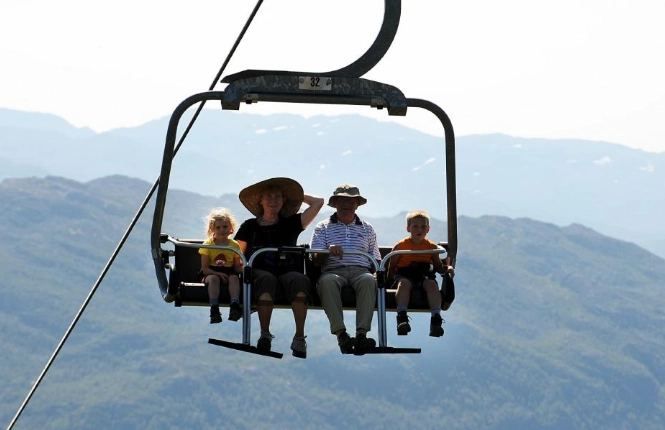
From the village, the mountain unfolds in three primary zones, accessible by—you guessed it—a network of chairlifts (and a couple of gondolas, thank goodness).
The Three Faces of Chairlift Mountain
The North Bowl: This is the iconic face you see in all the brochures. Steep, challenging, and holding snow long after other areas have turned to slush. It's where expert skiers and riders flock. In summer, the sheer cliffs make for dramatic scenery, but the hiking here is serious business—not for a casual stroll.
The Western Glades: My personal favorite. A series of rolling, tree-lined trails and glades. It's protected from the wind, so on a stormy day, it's often the most pleasant place to be. The trails here are mostly intermediate, perfect for building confidence. When the snow melts, these glades transform into stunning aspen and pine forests crisscrossed with well-maintained hiking and mountain biking trails.
The Sunrise Slopes: As the name implies, this east-facing area gets the first light. It's fantastic for corduroy cruisers first thing in the morning. It's also the family hub, with gentler terrain, a dedicated learning area, and the infamous "magic carpet" lifts for beginners. This is the heart of the Chairlift Mountain experience for many first-timers.
The Winter Playground: Skiing & Snowboarding at Chairlift Mountain
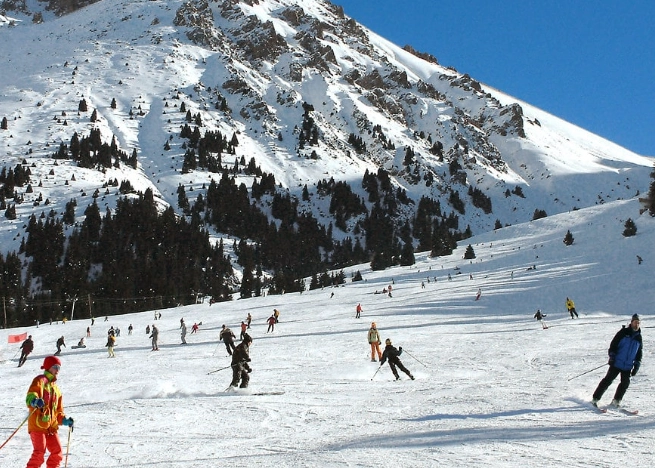
Alright, let's talk about the main event. The skiing and riding at Chairlift Mountain is what put it on the map, and for good reason. The snowpack is generally reliable, the terrain is diverse enough to keep anyone entertained for a week, and the lift infrastructure is modern (mostly). But is it worth the hype?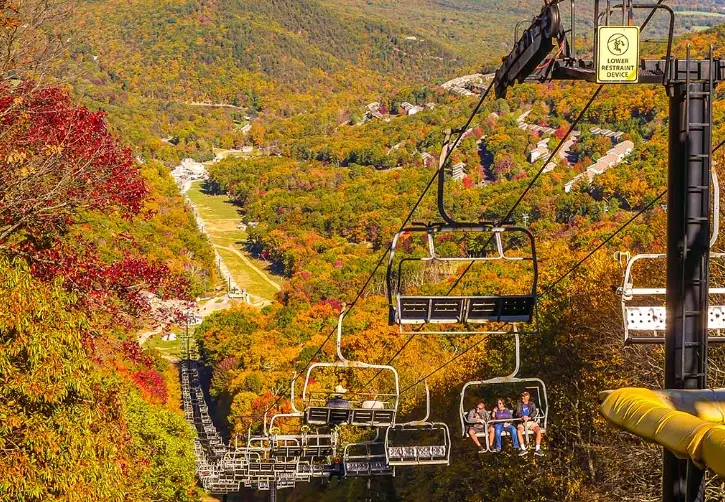
In my opinion, yes, but with caveats. The vertical drop is impressive, offering long, sustained runs that make you feel like you've actually earned your après-ski drink. The snowmaking coverage on key beginner and intermediate trails is excellent, ensuring a good base even in drier spells. However, on powder days, the secret is out. The lines for the lifts accessing the best off-piste terrain can get long, and the fresh tracks get tracked out fast. You need a strategy.
Breaking Down the Terrain: Who's It Really For?
I find the standard trail maps can be misleading. A blue square here might feel like a black diamond at a smaller hill. Here's a more realistic breakdown:
| Skill Level | Best Area on Chairlift Mountain | What to Expect | My Honest Take |
|---|---|---|---|
| First-Timer | Sunrise Slopes Learning Zone | Designated, fenced-off area with gentle slopes and magic carpet lifts. Dedicated ski school meeting spot. | Perfectly safe and stress-free to learn. Gets crowded by 11 AM. Book lessons early. |
| Confident Beginner/ Low Intermediate | Sunrise Slopes (green circles) & lower Western Glades (easy blues) | Wide, groomed cruisers. Perfect for practicing turns without steep drop-offs. | This is where Chairlift Mountain shines. You feel like a "real" skier on these long, scenic runs. |
| Intermediate | Upper Western Glades & groomed runs off the North Bowl lifts | A mix of groomed blues and easier ungroomed terrain. Opportunities to try glade skiing. | The sweet spot. Tons of variety to explore all week. The glades offer a thrilling but manageable challenge. |
| Advanced/Expert | The North Bowl, chutes, and expert glades | Steep, technical, often ungroomed. Requires good conditions and strong skills. | The legendary stuff. Absolutely epic on a good day. Can be rocky/icy if snow cover is low. Not for showing off. |
See what I mean? It's nuanced. A huge part of enjoying Chairlift Mountain in winter is managing expectations. If you're an intermediate skier, you'll have the time of your life. If you're a first-timer, the scale can be intimidating, but the dedicated learning area solves that.
When the Snow Melts: Hiking, Views, and Summer Magic
This is the part that genuinely surprised me. Summer at Chairlift Mountain is a completely different world, and in some ways, I prefer it. The crowds thin out, the air is warm, and the landscape explodes with color. The chairlifts themselves become your best friend, whisking you up thousands of feet so you can focus on the fun part—hiking across alpine ridges, not slogging up them.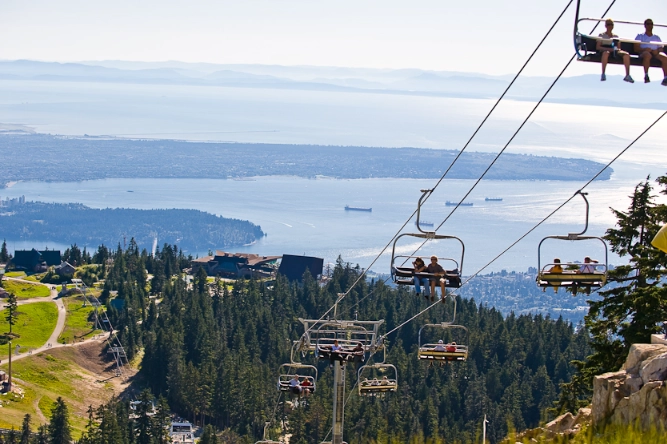
The main summer activity is, without a doubt, hiking. The network of trails is extensive, ranging from paved, wheelchair-accessible paths near the base to rugged, above-treeline adventures that require planning and stamina.
Top Hikes Accessible from the Chairlifts
Using the scenic chairlift ride up cuts out the brutal climb and lets you cover more breathtaking ground. Here are my top picks:
Alpine Vista Loop: Take the Sunrise Chairlift up. This is a moderate, well-defined loop trail that stays above the treeline for almost its entire length. The 360-degree views are staggering. You're looking at a panorama of the entire Chairlift Mountain range. It's about 2.5 miles round trip from the lift. Bring a windbreaker—it's always breezy up there.
Glacial Lake Trail: From the top of the Western Glades lift, this trail descends slightly into a basin holding a pristine, turquoise lake fed by snowmelt. It's a steady but not too difficult hike, about 3 miles out and back. The payoff is incredible. You can have lunch by the lake, and if you're brave, the water is... invigorating. This hike makes you feel the raw power of the landscape at Chairlift Mountain.
Summit Ridge Scramble (Experts Only): For the truly adventurous, a guided hike or a very careful independent trek along the ridge from the top of the North Bowl lift is possible. It's exposed, involves some light scrambling, and the weather can turn in minutes. The sense of accomplishment is unreal, but this is not a hike to underestimate. Check in with the mountain patrol before attempting.
Beyond hiking, mountain biking on dedicated downhill trails is huge. They have bike-specific chairlifts and trails for all levels. There's also alpine sliding, mini-golf, and scenic gondola rides perfect for families or those who just want the view without the sweat.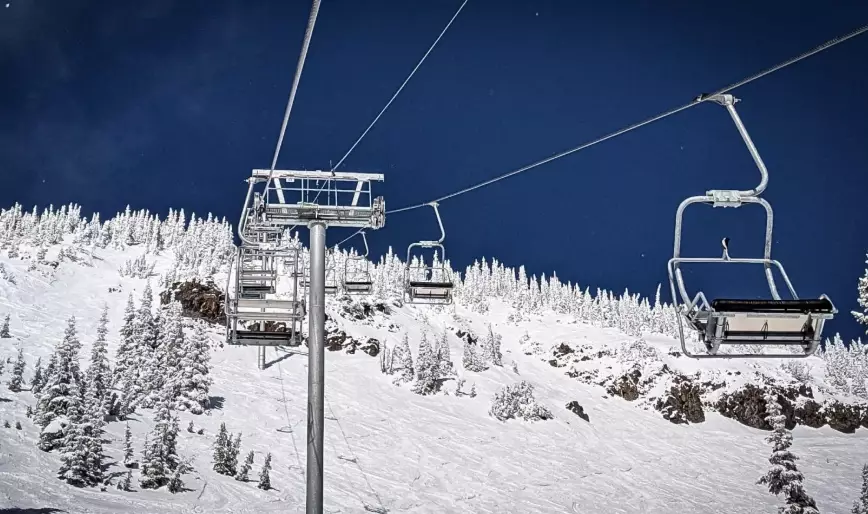
Planning Your Trip: The Nitty-Gritty Details
This is where the rubber meets the road. You're sold on Chairlift Mountain, but how do you make it happen without stress? Let's get practical.
When to Go (The Real Season Breakdown)
Winter Peak (Late Dec - Early Jan, February weekends): Bustling, festive, expensive. Guaranteed operations, but also guaranteed crowds. Book everything months in advance.
Winter Sweet Spot (January weekdays, early March): My recommended time. Fewer people, better prices, still great snow. You might catch a late-season powder day in March.
Summer/Fall (July - October): July/August for wildflowers. September/October for stunning fall foliage and crisp air. Absolutely perfect for hiking.
Getting There & Getting Around
The nearest major airport is about a 2-hour drive away. You will need a rental car. There's no convenient shuttle service that covers all the logistics, especially if you're staying in condos outside the main village. The drive up the mountain road is beautiful but can be steep and snowy in winter—ensure your rental has all-wheel drive or snow tires (it's often a legal requirement during winter months).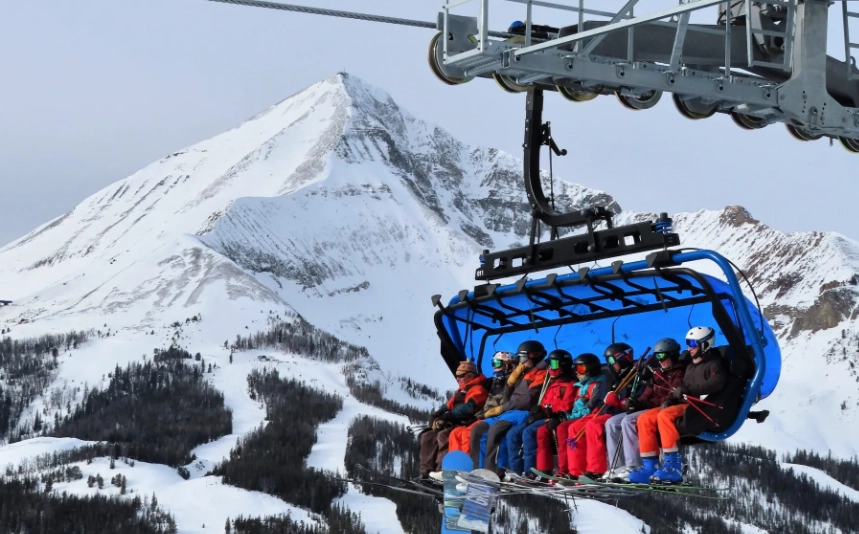
Where to Stay: On-Mountain vs. Off-Mountain
Ski-In/Ski-Out (The Village): The ultimate convenience, especially with kids or gear. Roll out of bed and onto the lift. You're also in the heart of the restaurants and shops. The downside? The price tag. It's premium.
Condos on Access Road: A 5-10 minute drive (or shuttle ride) from the base. More space for your money, often with kitchens to save on food costs. You trade a bit of convenience for value. This is where I usually stay.
Town at the Base of the Mountain: A 20-30 minute drive. Significantly cheaper lodging and dining options. The commute adds time to your day, and you're at the mercy of road conditions.
Tickets, Passes, and Saving Money
Lift tickets at the window are painfully expensive. Always buy online in advance, usually at least 7 days prior, for a significant discount. If you're skiing multiple days, look into multi-day pass products. For summer, the scenic chairlift ticket is separate from the activity pass (for biking, etc.), so buy based on what you actually plan to do.
Check if your credit card, employer, or alumni association has any discount partnerships. Also, industry passes like the Ikon Pass often include days at Chairlift Mountain, which can be a game-changer for frequent skiers.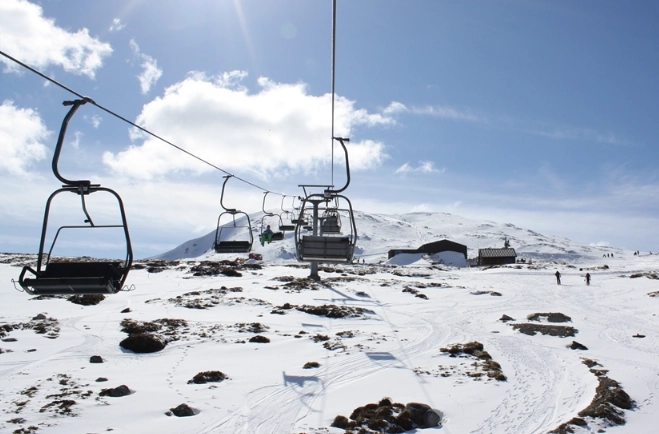
Frequently Asked Questions (The Stuff You Actually Google)
Final Thoughts: Making It Your Own
Chairlift Mountain can be whatever you want it to be. It can be an adrenaline-fueled week charging down steep chutes. It can be a peaceful family hike to a wildflower meadow. It can be a scenic getaway where your biggest decision is which hot chocolate to try.
The key is to ditch the "must-do-everything" mentality. You can't conquer it all in one trip, and that's okay. Pick your season based on what you love. Focus on one area of the mountain each day. Talk to the lifties and mountain hosts—they know the current hidden gems.
It's a special place.
It has its flaws—the crowds, the cost, the occasional logistical headache. But when you're standing on an alpine ridge with the wind in your face and a view that stretches forever, or carving a perfect turn on a silent, tree-lined trail, all that fades away. You're just there, in the middle of it all. That's the magic of Chairlift Mountain. It's not just a destination; it's an experience waiting to be shaped by you.