Quick Guide
- What Exactly is Nordic Combined?
- The Two Disciplines: A Tale of Contrast
- The Heart of the Matter: How Nordic Combined is Scored
- Getting Equipped: The Gear Breakdown
- Training for Nordic Combined Ski: More Than Just Skiing
- The Mental Game: More Than Physical Prowess
- Nutrition and Recovery Strategies
- Common Mistakes Beginners Make
- The Future of Nordic Combined Ski
- Frequently Asked Questions
- Final Thoughts
Let's be honest, when most people think of winter sports, they picture downhill skiers carving turns or snowboarders catching air. Few think about the guy who just hurled himself off a massive ski jump and now has to race 10 kilometers on cross-country skis. That's Nordic combined ski for you. It's arguably the most demanding, niche, and fascinating sport in the Winter Olympics. If you've ever wondered what it takes, how it works, or why anyone would put themselves through it, you're in the right place.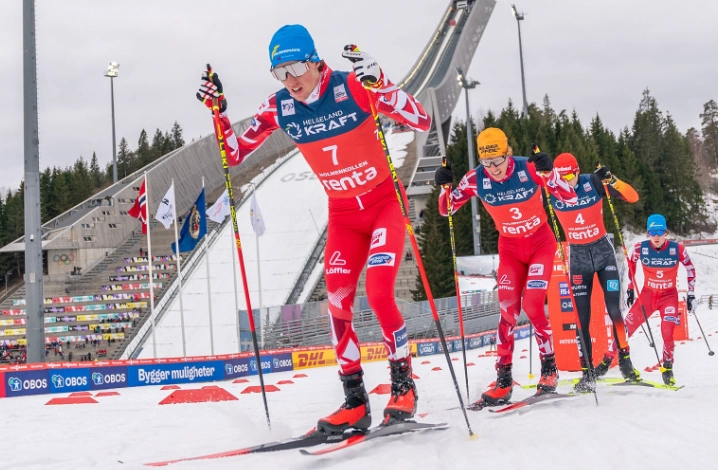
I got hooked during the 2018 PyeongChang Games. Watching those athletes transition from the sheer, explosive terror of the jump to the grueling, rhythmic endurance of the cross-country race was a revelation. It's not just two sports slapped together; it's a unique beast with its own culture, heroes, and brutal requirements. This guide is my attempt to unpack it all for you.
What Exactly is Nordic Combined?
At its core, Nordic combined is exactly what the name says: a combination of two Nordic skiing disciplines. We're talking about ski jumping and cross-country skiing. One after the other, in the same event. The athlete's performance in the ski jump determines their starting position and time handicap for the subsequent cross-country race. The better your jump, the earlier you start the race. The first one across the finish line after the race wins the whole event.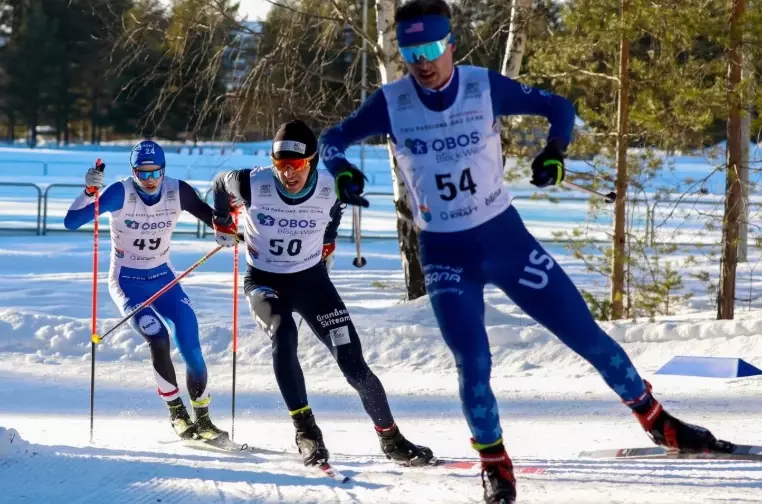
Quick Definition: Nordic combined is a winter sport where athletes compete first in a ski jumping event and then in a cross-country skiing race. The results from the jump are converted into time advantages for the race, making the cross-country portion a thrilling chase.
It's a sport of brutal contrasts. The jump requires explosive power, technical precision, nerves of steel, and a touch of madness. The race demands insane cardiovascular fitness, efficient technique, and the mental fortitude to push through lactic acid and exhaustion. Mastering just one of these is hard enough. Mastering both? That's the realm of a special kind of athlete.
The Two Disciplines: A Tale of Contrast
To understand Nordic combined, you have to look at its two halves separately. They're like two different languages, and these athletes have to be fluent in both.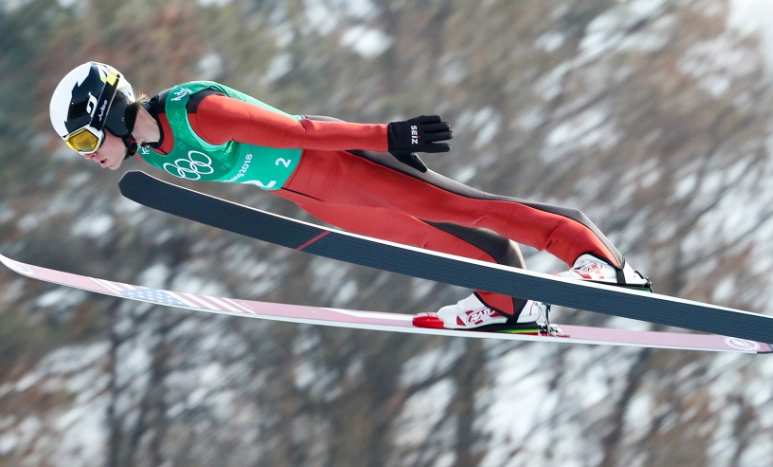
Ski Jumping: The Art of Flight
This isn't just about going far. It's about style, control, and physics. The jump is scored on distance and style (or "judges' points"). The takeoff is everything. You need perfect timing to convert your downhill speed into lift. Then, you have to hold the V-shaped aerodynamic position in the air, staying stable and smooth. A shaky landing can cost you precious style points.
The mental game here is huge. Standing at the top of the in-run, looking down at what seems like a vertical drop, takes a particular mindset. There's no room for hesitation. One of the athletes I spoke to (virtually, through their team's media) described it as "a controlled fall where you're trying to convince the air to hold you up." I think that sums it up perfectly.
Cross-Country Skiing: The Engine Room
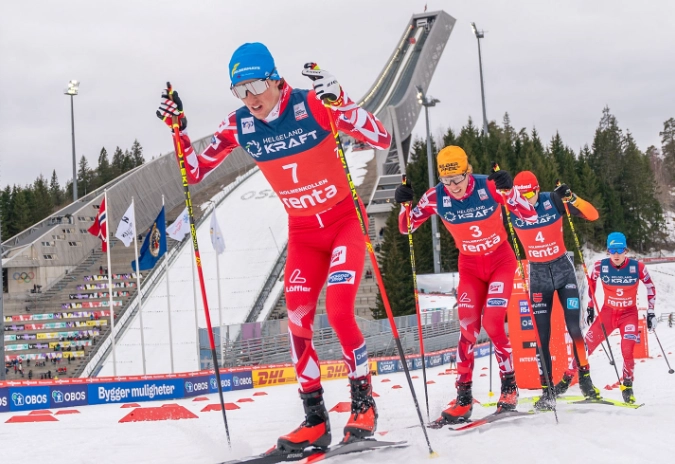
After the adrenaline of the jump, you switch to the diesel engine. Nordic combined uses the freestyle (skating) technique for the cross-country leg. It's faster and more powerful than the classic technique. We're talking about a race that's typically 10km for individual events, which is an all-out, lung-burning sprint for these guys.
The challenge is unique. Your legs might be jelly from the jump landing. You have to manage your energy perfectly. Start too fast and you'll blow up before the finish. Start too slow and the guys who started behind you will hunt you down. It becomes a strategic pursuit race, which is what makes it so fantastic to watch.
The Heart of the Matter: How Nordic Combined is Scored
This is where newcomers get lost. It seems complicated, but the basic principle is elegant. The jump comes first. Each athlete gets points for their jump. These points are then converted into time.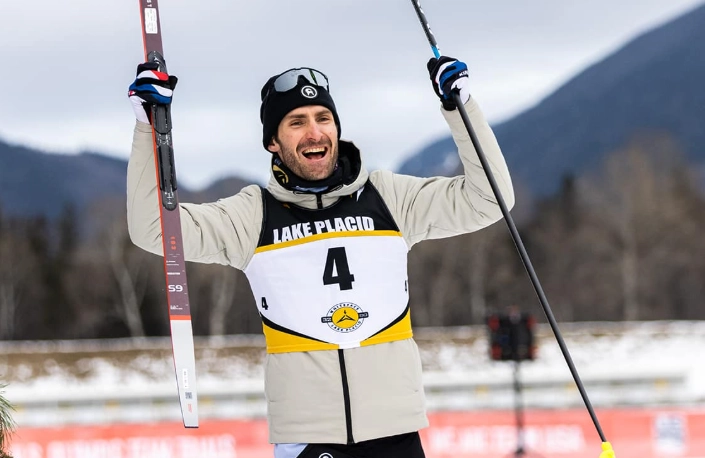
Here’s the simple version: The leader after the jump starts the cross-country race first. Everyone else starts behind them, with time delays based on how many points they finished behind the jumper. The current system is called the Gundersen method. It's named after a Norwegian athlete and official, and it revolutionized the sport by making the race a direct, head-to-head chase where the first across the line wins the whole event. Before this, they used to add up points from separate competitions, which was less exciting for spectators.
How many seconds do you lose per point? It depends on the race format, but a common conversion is:
| Event Format | Points to Time Conversion | What It Means |
|---|---|---|
| Individual Normal Hill (10km) | ~1 point = 4 seconds | If you're 10 points behind the jump leader, you start 40 seconds after them. |
| Individual Large Hill (10km) | ~1 point = ~1.2-1.3 seconds* | The larger hill hasstrong>Budget Warning: Don't underestimate the cost of getting into Nordic combined ski seriously. Between two sets of equipment, travel to specialized facilities, and coaching, it can easily run into thousands of dollars annually even at amateur levels. |
The Ski Jumping Equipment Deep Dive
Let's talk about why jumping skis are so different. They're significantly longer than regular skis – up to 146% of the athlete's height. This extra length provides more surface area and stability during flight. The boots have high backs but flexible soles that allow athletes to lean forward into the aerodynamic position crucial for distance.
The jumping suits might look baggy and strange, but there's serious science behind them. They're made of specific materials that allow air to pass through at controlled rates, creating optimal aerodynamics. The International Ski Federation (FIS) has strict regulations about suit permeability – too porous and you lose lift, not porous enough and it's considered an unfair advantage.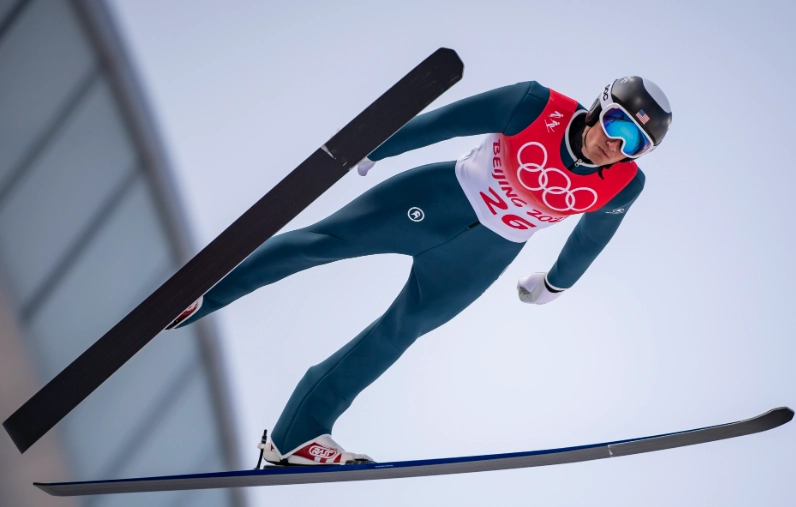
I've tried on a jumping suit once, and it feels like wearing a slightly oversized wetsuit. The material is stretchy but firm, and the fit has to be just right – not too tight, not too loose. Getting this wrong can cost precious meters on the jump.
Training for Nordic Combined Ski: More Than Just Skiing
How do athletes train for two such different disciplines? The training regimen is brutal and incredibly diverse. It's not just about logging hours on snow – there's strength training, technique work, mental preparation, and endless transitions between the two sports.
Most elite Nordic combined athletes follow a periodized training program that looks something like this:
- Spring (April-May): Active recovery, light strength maintenance, technique analysis
- Summer (June-August): Heavy strength training, roller skiing, jump hill training on plastic
- Autumn (September-November): Sport-specific intensity, competition simulation, mental preparation
- Winter (December-March): Competition season, maintenance training, travel and recovery
The summer months are particularly intense. Without snow, athletes use roller skis (skis with wheels) for endurance training and special plastic-covered jump hills for jumping practice. The transition from summer training to winter competition is always tricky – snow conditions change everything.
Strength and Conditioning Specifics
The strength requirements for Nordic combined ski are unique. You need explosive power for the jump takeoff, but also incredible endurance for the cross-country portion. This creates interesting training conflicts.
Most athletes focus on compound movements: squats, deadlifts, cleans, and plyometrics. But the volume and intensity vary throughout the year. During base building phases, the focus is on building muscular endurance with higher reps. As competition approaches, the training shifts toward power development with heavier weights and lower reps.
What many people don't realize is how much upper body strength is required. The jump takeoff relies heavily on arm drive, and poling in the cross-country race demands tremendous upper body endurance. I've seen athletes who can bench press impressive weights while maintaining the lean physique needed for endurance sports.
The Mental Game: More Than Physical Prowess
This is where Nordic combined ski really separates itself. The psychological demands are enormous. Imagine having a terrible jump – you know you're starting minutes behind the leaders, and you have to mentally reset for a race where catching up seems nearly impossible.
I've spoken with athletes who describe the jump as requiring intense focus and almost meditative calm, while the cross-country race is about embracing pain and pushing through exhaustion. Switching between these mindsets in the short break between events is incredibly challenging.
Many athletes use visualization techniques, practicing both perfect jumps and comeback races in their minds. They develop strategies for different scenarios – what to do if they jump well versus poorly, how to pace themselves based on their starting position, when to make moves during the race.
Weather conditions add another layer of complexity. Wind can completely change jump strategy, while snow conditions affect wax choices and racing tactics. Athletes need to be adaptable problem-solvers, not just physically gifted skiers.
Nutrition and Recovery Strategies
Fueling for Nordic combined is a science in itself. Athletes need to maintain power-to-weight ratio – heavy enough to generate jump power, but light enough for efficient cross-country skiing. This creates a delicate balancing act.
During competition days, nutrition timing becomes critical. The gap between jumping and racing can be several hours, requiring careful planning of meal timing and composition. Too much food too close to the jump can cause discomfort, but not enough fuel means bonking during the race.
Most athletes work with sports nutritionists to develop individualized plans. Carbohydrate loading before competition is common, with emphasis on easily digestible foods on event days. Hydration is equally important, especially at high-altitude venues where dehydration occurs faster.
Recovery Protocols
With the intense training load, recovery is non-negotiable. Elite athletes use various techniques:
- Sleep optimization: 8-10 hours nightly, plus naps when possible
- Nutrition timing: Protein and carbs within 30 minutes post-training
- Active recovery: Light exercise on rest days
- Physiotherapy: Regular massage and mobility work
- Cold exposure: Ice baths and cryotherapy
The travel schedule during competition season makes recovery particularly challenging. Time zone changes, unfamiliar beds, and different food options can all impact recovery. Successful athletes become experts at creating consistent routines regardless of location.
Common Mistakes Beginners Make
Having watched many athletes progress through the ranks, I've noticed several patterns in what holds beginners back. The learning curve in Nordic combined ski is steep, and these mistakes can cost years of development.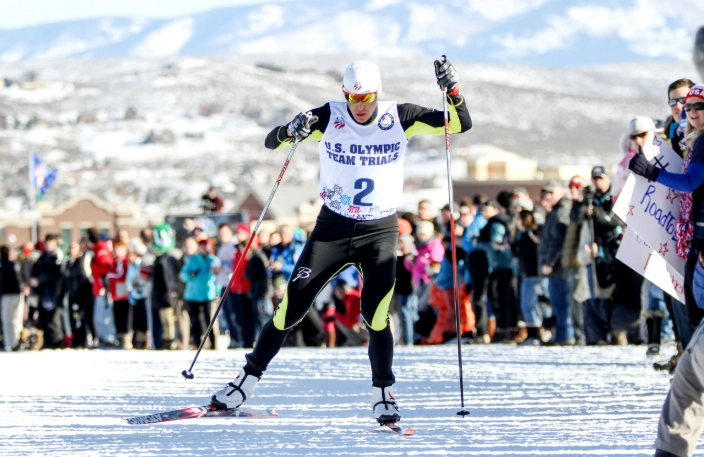
The biggest error I see is specializing too early. Young athletes often want to focus on their stronger discipline – either jumping or cross-country. But true mastery requires developing both simultaneously, even if progress seems slower initially.
Another common mistake is neglecting technique for fitness. It's easy to think that being in great shape will compensate for technical flaws. But in jumping especially, poor technique limits progress regardless of fitness level. I've seen incredibly fit cross-country skiers struggle to improve their jumps because they prioritized endurance over technical work.
The Future of Nordic Combined Ski
Where is this sport heading? There are some exciting developments happening. The International Ski Federation has been experimenting with format changes to make the sport more spectator-friendly. There's talk of adding women's events to more major competitions, which would be a welcome expansion.
Technology is also changing training methods. Video analysis has become incredibly sophisticated, with systems that can analyze jump technique frame by frame. Wearable technology provides real-time feedback on skiing efficiency and pacing strategies.
Equipment continues to evolve too. Lighter materials, better waxes, and more precise manufacturing techniques are pushing performance boundaries. The challenge for governing bodies is ensuring these advances don't create unfair advantages based on budget rather than talent.
Frequently Asked Questions
Final Thoughts
Nordic combined ski remains one of the most challenging and rewarding winter sports. It tests every aspect of athletic ability – power, endurance, technique, and mental toughness. While it may never have the mainstream popularity of alpine skiing or hockey, it has a dedicated following who appreciate its unique demands.
What continues to impress me about Nordic combined athletes is their versatility. They're not specialists who excel at one thing – they're complete athletes who have mastered multiple disciplines. In an era of increasing sports specialization, there's something refreshing about a sport that still values all-around ability.
Whether you're a spectator or aspiring athlete, understanding the nuances of Nordic combined ski deepens appreciation for what these athletes accomplish. It's not just two sports combined – it's a unique challenge that demands everything an athlete has to give.