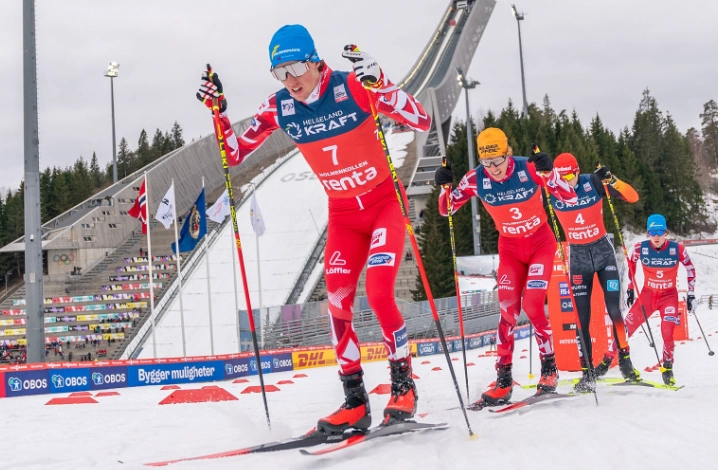
You've seen them. The skiers who seem to float down the mountain, their turns connected in a silent, fluid dance with the snow. They aren't necessarily the fastest or the most aggressive, but they move with an economy of effort that's mesmerizing. That's ski flow. It's the holy grail of the sport, the feeling of pure connection and rhythm. And here's the secret: it's not a mystical talent reserved for the few. It's a set of skills you can learn, and I'm going to break down exactly how, based on two decades of chasing that feeling from the Alps to the Rockies.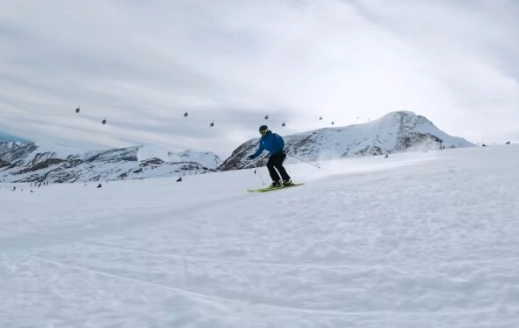
What's Inside This Guide
The Biggest Misconceptions About Ski Flow
Most skiers think flow is about going faster. It's not. Speed is a byproduct, not the goal. The real enemy of flow is hesitation—those micro-pauses where you second-guess your next move. Another common mistake? Trying to muscle your skis around with your upper body. I spent years doing this, thinking stronger turns meant better turns. I was wrong. It just made me tired and jerky.
True flow comes from letting the ski's design do the work. A modern ski wants to turn. Your job is to guide it, not force it.
Posture: The Non-Negotiable Foundation
Forget everything you've heard about an "athletic stance." That term is too vague. Let's get specific. Your posture is your command center.
Ankle Flex, Not Hip Hinge
This is the most common subtle error I see. People bend at the waist, pushing their butt back. This disconnects your shins from the boot tongue and puts you in the backseat. Instead, focus on pressing your shins forward into the front of your boots. Feel the pressure on the tongue. This "ankle flex" keeps your weight centered over the middle of your ski, which is where it has the most power and precision.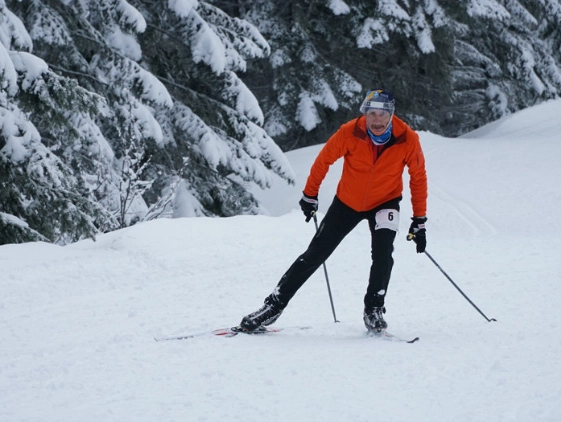
Quiet Upper Body
Your shoulders and chest should face roughly downhill, following the general fall line. Your turning comes from the feet and legs rotating under this stable platform. If your upper body twists with every turn, you're wasting energy and creating instability. Practice keeping your hands in front and wide, as if you're holding a steering wheel. It naturally stabilizes your torso.
Deconstructing the Flowing Turn
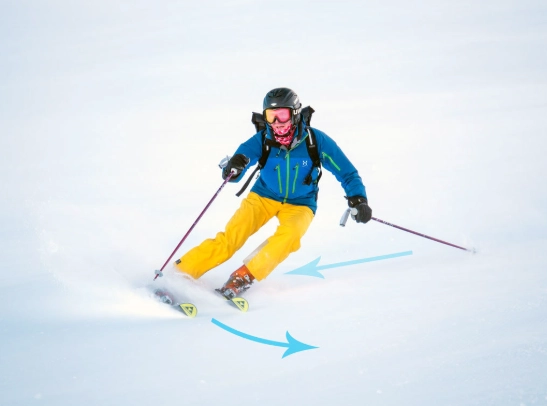
A choppy skier makes turns. A flowing skier links phases of a single, continuous movement. Let's break down the cycle.
1. Initiation: The Subtle Roll
Don't steer or kick your skis. Initiate by gently rolling your knees and ankles downhill, towards the new turn. Think of tipping a glass of water. This engages the ski's edge with minimal effort. The ski will start to bend and naturally arc into the turn.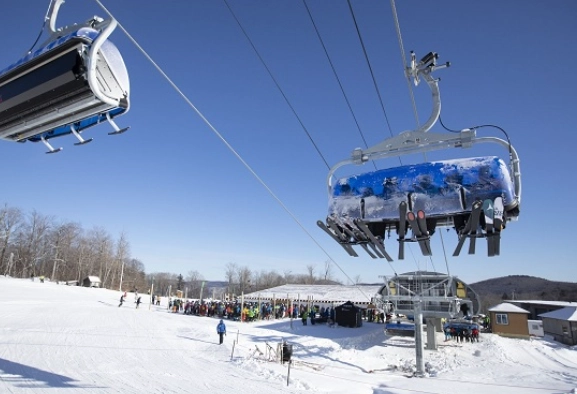
2. Shaping: Patience and Pressure
As the ski arcs, be patient. Let it travel across the hill. Gradually increase the pressure by continuing to flex your ankles and driving your knee toward the snow. This is where you build energy—not by muscling, but by letting centrifugal force work with your body position.
A common flow-killer here is rushing to finish the turn. Hold the arc.
3. Transition: The Release and Re-center
This is the magic moment. To finish one turn and start the next, you don't "stand up." You simply ease the pressure off the edges and allow your body to move across your skis, back to a neutral, centered position. It's a release, not a jump. Your skis will flatten and become ready to be rolled into the next turn. This transition should feel like a swing—the bottom of one arc is the beginning of the next.
Finding Flow in Challenging Terrain
Flow on a groomer is one thing. Flow in bumps, trees, or crud is the real test. The principles don't change, but the application does.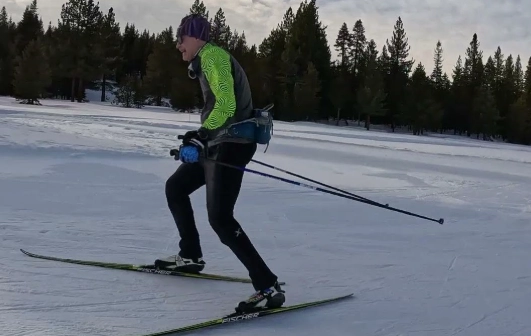
In bumps (moguls), the key is absorption and timing. Your legs must act as independent shock absorbers, going up and down while your upper body stays level and faces downhill. Look two or three bumps ahead. Your turn initiation happens on the top or backside of the bump, using its shape to help you. The rhythm is everything: absorb, turn, extend, absorb, turn.
In variable or deep snow, you need a more neutral, balanced stance. Get your weight centered and let the skis plane on the surface. Flow here comes from making broader, more rounded turns and using a bouncing, unweighting motion to help the skis come around. Fighting the snow is exhausting. Flowing with it is exhilarating.
How Your Gear Helps or Hurts Your Flow
Your equipment is a partner in this dance. The wrong partner will step on your toes.
Boots are 80% of the feel. If your boots are too loose, you'll have a dead zone between your input and the ski's reaction, destroying any chance of a precise, flowing rhythm. If they're too tight, you'll cut off circulation and become hypersensitive to every bump. A professional boot fitter is worth every penny—it's the single best investment for improving your ski flow.
Ski selection matters. For developing flow, avoid ultra-stiff, demanding race skis or overly wide powder boards on hardpack. Look for an all-mountain ski with a moderate waist width (85-100mm underfoot) and a sidecut radius around 16-18 meters. This gives you a ski that's easy to bend and initiate into a turn but still stable enough to hold an edge. A ski that's too hooky or too sluggish will constantly interrupt your rhythm.
I made the mistake of buying overly aggressive skis too early in my progression. They looked cool, but they made me work three times as hard for every turn. Switching to a more forgiving, playful ski was a revelation—it wanted to flow, and it taught me how.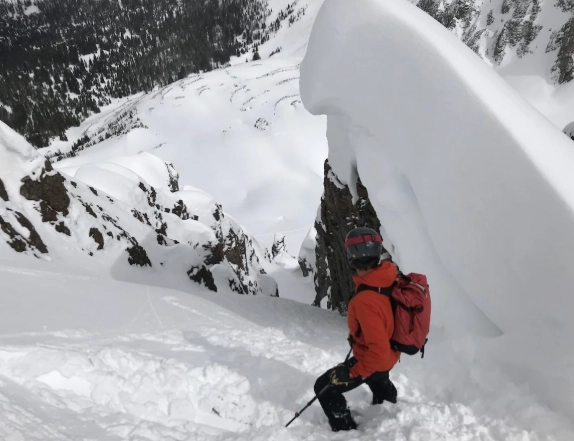
The Mental Game of Ski Flow
Your brain is the conductor of this orchestra. If it's screaming in panic, the music stops.
Vision: Look where you want to go, not at the tree you're afraid of hitting. Your body follows your eyes. Scan the run ahead for your line, not down at your ski tips.
Breathing: When tense, we hold our breath. Consciously exhale as you initiate each turn. It sounds simple, but it releases chest and shoulder tension instantly.
Focus on one thing: Don't try to fix your posture, turns, and fear all at once. Pick one element per run. "Today, I'm just focusing on keeping my hands forward." Mastering one piece builds confidence and lets other elements fall into place.
Finally, give yourself permission to ski easy terrain perfectly. We often only practice new skills on hard runs where we're scared to fail. Go to a green or easy blue and practice the feeling of a flawless, linked turn. Burn that rhythm into your muscle memory. Flow is a feeling you cultivate, and you can't cultivate it when you're terrified.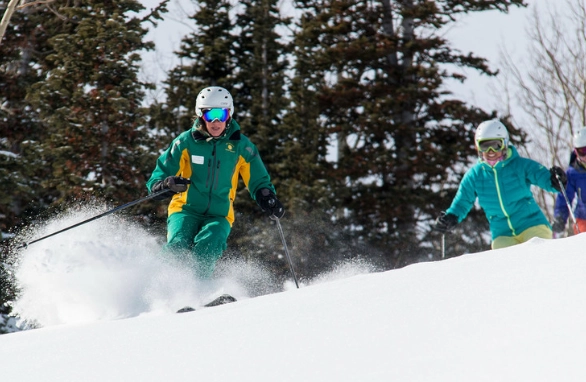
Your Ski Flow Questions, Answered
The path to better ski flow isn't about a single magic trick. It's about linking these fundamentals—posture, turn mechanics, terrain reading, equipment trust, and mental calm—into one continuous loop. Start with one piece. Master the ankle flex. Feel the turn release. Find the rhythm on an easy slope. The feeling of gliding down the mountain in perfect harmony isn't a fantasy. It's a skill waiting for you to unlock it. Now go out there and find your flow.