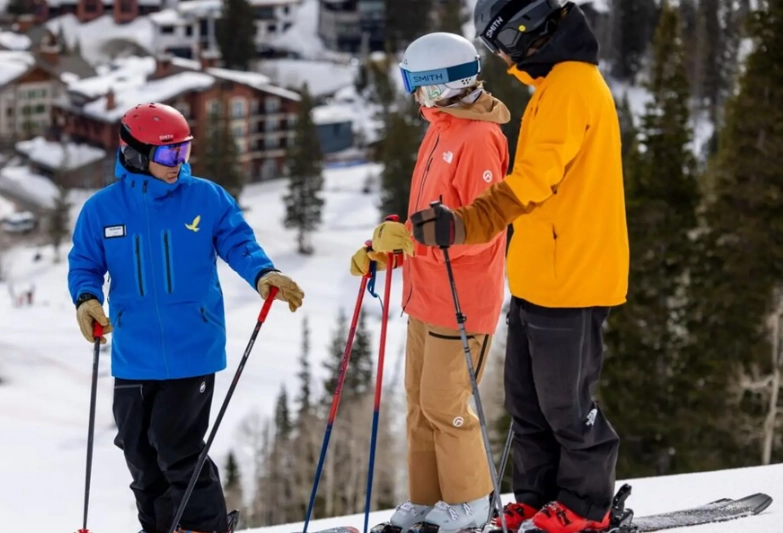
You've booked the flights, secured the lodge, and daydreamed about fresh tracks. Then it hits you: the dread of packing. It's a unique form of travel anxiety, isn't it? Forgetting your swimsuit for a beach trip is annoying. Forgetting your ski socks or a critical layer for a mountain trip can mean a miserable, cold, and expensive day. I've been there—shivering in a lodge because I brought a cotton hoodie instead of a proper mid-layer. Let's fix that.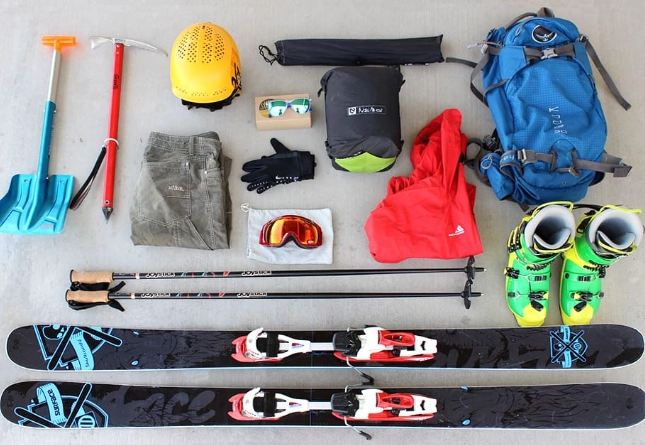
After a decade of ski trips across three continents, from the powder of Hokkaido to the groomers of the Alps, I've refined my packing process to a science. This isn't just a list; it's a system to eliminate guesswork and ensure you're comfortable, safe, and ready for anything the mountain throws at you.
Your Quick Packing Guide
The Core System: Layering
Forget just throwing a big jacket in your bag. Dressing for skiing is about managing moisture and temperature through layers. Get this wrong, and you'll be sweaty on the lift and frozen on the run.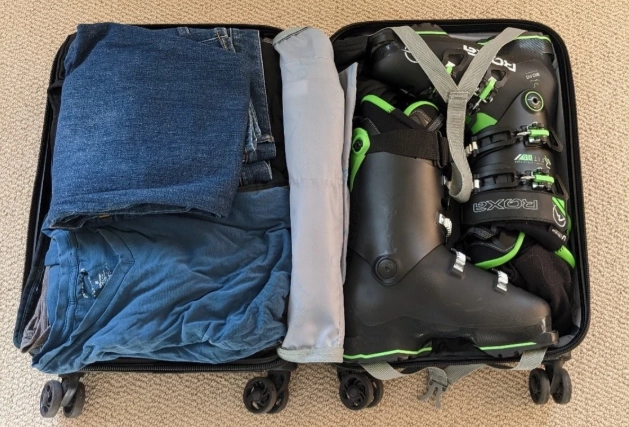
Base Layer: Your Second Skin
This is non-negotiable. No cotton. Ever. Cotton absorbs sweat and holds it against your skin, making you cold. You need moisture-wicking fabric. Merino wool is the gold standard—it regulates temperature, doesn't hold odors, and is naturally antimicrobial. Synthetic fabrics like polyester work too and are often cheaper.
Pack one set per ski day, plus an extra. A typical 5-day trip needs 6 sets (top and bottom).
Mid Layer: The Insulator
This traps warmth. A common mistake is choosing something too bulky that restricts movement. My go-to is a lightweight, packable puffy jacket (synthetic or down fill) or a technical fleece. This layer goes on for cold chairlift rides and comes off if you start heating up on a sunny run.
Outer Layer: The Shield
Your ski jacket and pants. Focus on two numbers: waterproof rating (in mm, e.g., 10k, 20k) and breathability. For most resort skiing, 10k/10k is the bare minimum. For wet snow or frequent storms, aim for 15k or higher. Features matter: a powder skirt, good pockets, ventilation zippers under the arms, and a well-designed hood that fits over a helmet.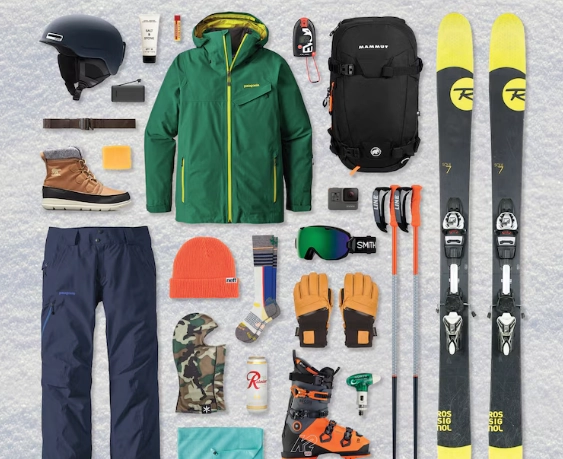
The Absolute Essentials Checklist
Here’s the breakdown. Use this table as your master list and check items off as they go in your bag.
| Category | Essential Items | Notes & Why It Matters |
|---|---|---|
| Head & Neck | Helmet, Goggles (2 lenses: low-light & sunny), Neck Gaiter/Balaclava, Beanie, Sunglasses | Helmet is a must. Two goggle lenses cost less than a day lift ticket lost to poor visibility. A neck gaiter is more versatile than a scarf. |
| Upper Body | Base Layer Tops (x6), Mid Layer Jacket/Fleece, Ski Jacket, Lightweight Down Vest (optional), Long-Sleeve Apres Shirts (x3) | The vest is a secret weapon for variable days. It adds core warmth without bulk under your arms. |
| Lower Body | Base Layer Bottoms (x6), Ski Pants, Apres Pants/Jeans (x2), Comfortable Lodge Pajamas | Consider insulated vs. shell pants. Shells offer more versatility with your base layer system. |
| Hands & Feet | Ski Socks (x6 – thin, ski-specific!), Ski Gloves/Mittens, Liner Gloves, Apres Socks, Comfortable Shoes/Boots | Thick socks are a myth. They cause blisters and cut off circulation. Thin, merino blend ski socks are key. Pack heavy mittens for very cold days. |
| Technical Gear | Ski Boots, Skis/Poles (or rent), Boot Bag, Ski Lock | Carry your boots on the plane. A ski lock is a $15 peace-of-mind item for lunch breaks. |
| Health & Toiletries | High-SPF Sunscreen (face stick & lotion), Lip Balm with SPF 30+, Moisturizer, Pain Relievers, Blister Kit, Prescription Medications | The sun is intense at altitude, and snow reflects 80% of UV rays. Reapply lip balm constantly. |
| Apres & Lodge | Swimsuit (for hot tubs), Compact Travel Towel, Flip Flops, Card Games/Book, Portable Power Bank | Don't assume your rental has towels. A compact microfiber towel is a lifesaver. |
Packing Like a Pro: Strategy
Packing the right stuff is half the battle. Packing it intelligently is the other half.
The Carry-On Rule: Your ski boots and one full set of essentials (base layers, mid-layer, apres clothes, toiletries, medications) MUST go in your carry-on. I learned this the hard way when my luggage spent two days in Frankfurt while I was in Innsbruck. Rental boots destroyed my feet. Your boots are personalized to you; don't risk them.
Compression is Your Friend: Use packing cubes or compression sacks for clothes. Roll your base layers and soft items. This saves an incredible amount of space and keeps you organized.
Boot Bag as Personal Item: Most airlines allow a boot bag as a personal item if it only contains boots and safety equipment (helmet, goggles). Stuff your helmet with gloves, goggles, and neck gaiters to maximize space. Check the airline's specific sports equipment policy before you go.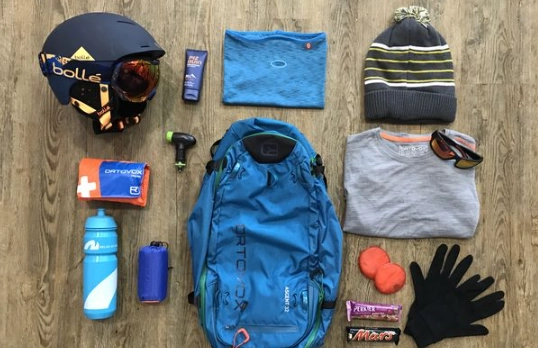
The Often-Forgotten Game Changers
These are the items that separate the prepared from the merely packed.
A Small Backpack or Hip Pack: For carrying water, snacks, an extra layer, and your phone on the mountain. Hydration is crucial at altitude.
Hand and Toe Warmers: A few disposable packets can salvage a brutally cold day. Stick them to the back of your phone too to prevent battery death.
Multi-Tool with a Ski Brake Retractor: For adjusting bindings on the fly. The brake retractor hook lets you carry your skis over your shoulder without the brakes splaying out.
Duct Tape:
A few feet wrapped around a pencil or water bottle. It can temporarily fix a torn gaiter, a broken backpack strap, or even a leaking boot seam.
Earplugs: For noisy hotel hallways, snoring roommates, or long flights. Quality sleep is performance fuel.
Your Questions Answered