If you're planning a ski trip to Snowshoe Mountain Resort in West Virginia, you might be wondering: does Snowshoe have a town? The short answer is yes, but it's not your typical small town. Snowshoe Village is the central hub of the resort, designed to offer everything you need for a ski vacation without leaving the mountain. I've been visiting Snowshoe for over a decade, and I'll walk you through what this village really offers, from lodging and dining to some insider tips you won't find elsewhere.
Jump to What Matters
What Exactly is Snowshoe Village?
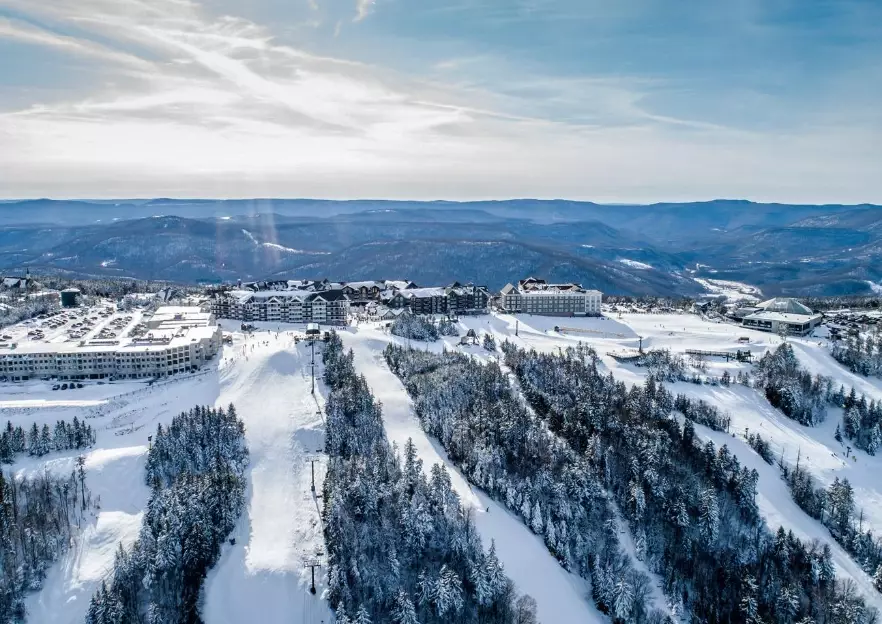
Snowshoe Village isn't a standalone town with a post office and year-round residents. It's a purpose-built resort village at the top of Snowshoe Mountain, sitting at an elevation of 4,848 feet. Think of it as a compact, pedestrian-friendly area where all the action happens. When I first visited, I expected a few scattered buildings, but I was surprised by how centralized it is. The village spans about 20 acres and includes lodging, restaurants, shops, and entertainment venues, all within walking distance.
The village is divided into sections like the Village Center and the Basin Area, each with its own vibe. The Village Center is where you'll find most amenities, while the Basin Area offers more secluded lodging. According to the Snowshoe Mountain Resort official website, the village was developed in the 1970s and has evolved to cater to skiers and outdoor enthusiasts. It's open year-round, but peak season is from December to March for skiing, and summer brings mountain biking and festivals.
One thing newcomers often miss: Snowshoe Village is car-free in the core areas during winter. You'll park in designated lots and use shuttles or walk. This reduces traffic but means you need to plan your gear haul carefully.
Lodging, Dining, and Shopping in Snowshoe Village
Let's break down the practical details. If you're looking for a place to stay, eat, or shop, Snowshoe Village has you covered, though it's not as extensive as a big city. Here's a snapshot based on my experiences and recent visits.
Lodging Options in Snowshoe Village
Accommodations range from hotels to condos. I've stayed in a few, and each has pros and cons. For example, the Snowshoe Mountain Resort-owned properties like the Allegheny Springs or Expedition Station are convenient but can be pricey during holidays. Expect rates from $200 to $500 per night depending on season and room type. Off-resort options exist nearby, but they require a drive or shuttle.
Here's a quick table comparing top lodging picks:
| Property Name | Type | Approx. Price/Night (Peak Season) | Key Features |
|---|---|---|---|
| Allegheny Springs | Hotel | $300 - $450 | Ski-in/ski-out, indoor pool, near village center |
| Expedition Station | Condos | $250 - $400 | Family-friendly, kitchenettes, shuttle access |
| Highland House | Luxury Condos | $400 - $600 | Fireplaces, mountain views, premium amenities |
| Off-Resort Cabins (e.g., near Slatyfork) | Vacation Rentals | $150 - $300 | More privacy, 15-20 minute drive to village |
Booking early is crucial, especially for weekends. I once waited too long and ended up in a basic room with no view—lesson learned.
Dining and Restaurants
Dining in Snowshoe Village is decent but not gourmet heaven. There are about 15 restaurants and bars, catering to casual skiers. My go-to spots include The Junction for burgers and beers (open 11 AM to 10 PM, entrees around $15-$25) and Old Spruce Cafe for breakfast (opens at 7 AM, known for pancakes). For a nicer dinner, Foxfire Grille offers steaks and seafood, but reservations are a must during peak times.
A common mistake: assuming all restaurants are open late. Many close by 9 PM, so plan your apres-ski accordingly. Also, prices are higher than in nearby towns like Marlinton, but that's typical for resort areas.
Shopping and Entertainment
Shopping is limited to ski gear, souvenirs, and basics. Stores like Snowshoe Sports sell equipment rentals and apparel. For entertainment, there's a cinema, arcade, and seasonal events like live music. It's enough to keep you busy for an evening, but don't expect Broadway shows. The village also has a grocery store, but it's small and expensive—I usually stock up in Elkins or Lewisburg before arriving.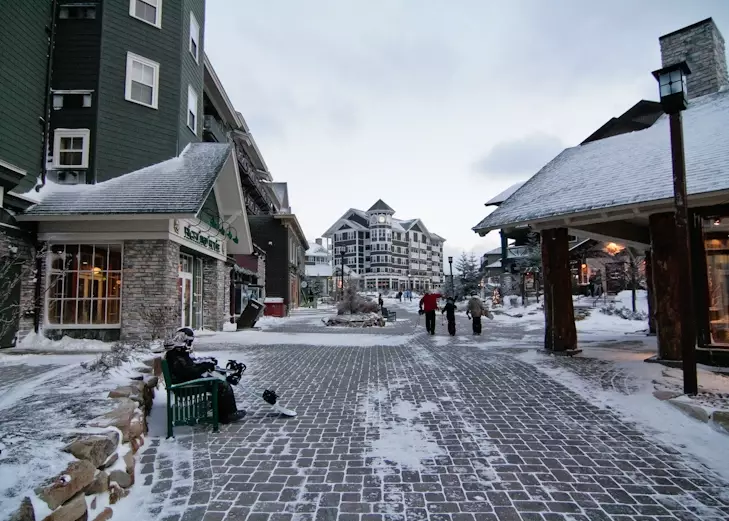
How to Plan Your Trip to Snowshoe
Planning a trip here requires some strategy. Based on my trips, here's a step-by-step approach.
First, decide when to go. Winter is obvious for skiing, but summer offers mountain biking and hiking with fewer crowds. Check snow reports on the National Weather Service site for accuracy.
Second, book lodging early. Use the resort's website or trusted platforms like VRBO. If you're driving, note that parking is free in outer lots, but in-village parking requires a fee or permit during busy periods.
Third, plan your meals. Make reservations for dinner, especially at popular spots. Pack snacks if you're on a budget—those village prices add up quickly.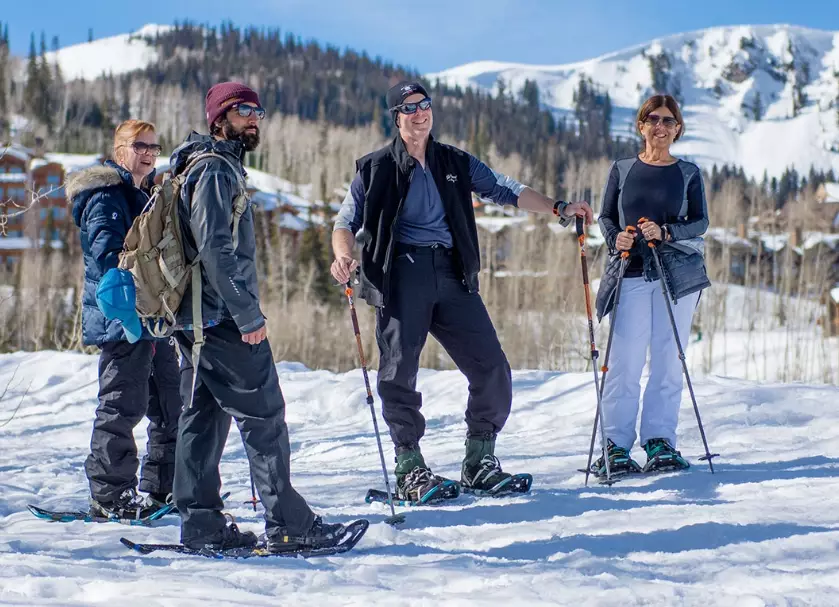
Fourth, consider activities beyond skiing. Snowshoe offers snowshoeing (ironically), tubing, and spa services. In summer, the bike park is a major draw. I've seen families overlook these and miss out on fun alternatives.
Here's a sample 3-day itinerary for a winter trip:
- Day 1: Arrive, check into Allegheny Springs, rent gear at Snowshoe Sports, dinner at Foxfire Grille.
- Day 2: Ski all day, lunch at The Junction, evening cinema or arcade.
- Day 3: Morning snowshoeing tour, checkout, lunch at Old Spruce Cafe, depart.
Adjust based on your group's interests. Kids might prefer the tubing park, while adults enjoy the spa.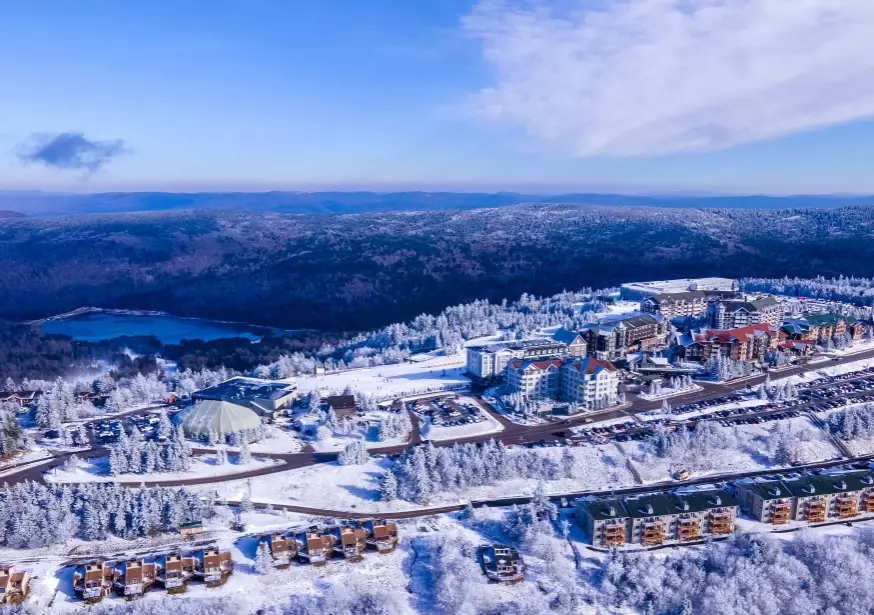
Common Misconceptions About Snowshoe
Many first-timers have wrong ideas about Snowshoe Village. Let me clear some up.
Misconception 1: Snowshoe Village is a full-fledged town with year-round services. It's not—it's a resort village that operates seasonally with limited off-season hours. For example, some shops close in April and reopen in November.
Misconception 2: You can easily drive everywhere. Nope, the village core is pedestrian-only in winter, so you'll rely on shuttles. This can be frustrating if you're lugging heavy bags, but it keeps the area safe and quiet.
Misconception 3: It's only for skiing. Snowshoe has invested in summer activities, making it a four-season destination. I've visited in July and found the mountain biking trails excellent, with fewer crowds.
Misconception 4: Dining options are plentiful and cheap. Reality: choices are limited, and prices are resort-level. I've had mediocre meals at some spots, so read reviews on sites like TripAdvisor before committing.
From my experience, the biggest letdown is the grocery store—it's tiny and overpriced. I always bring extra snacks from home to avoid paying $8 for a bag of chips.