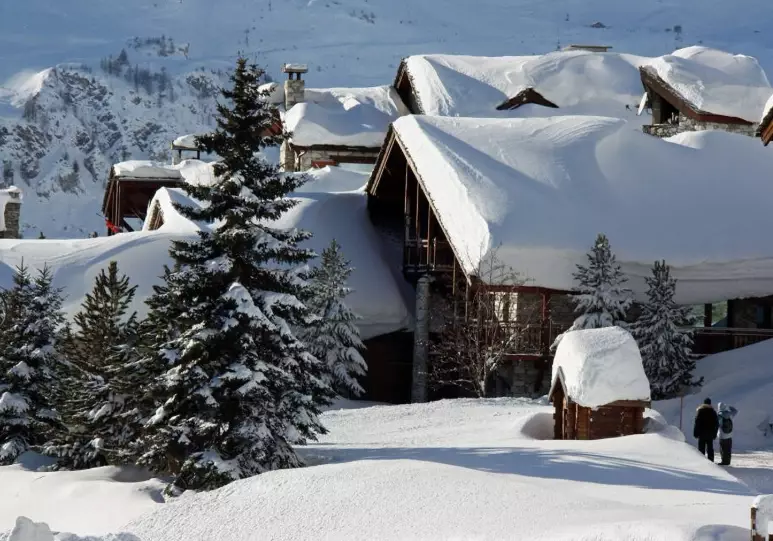
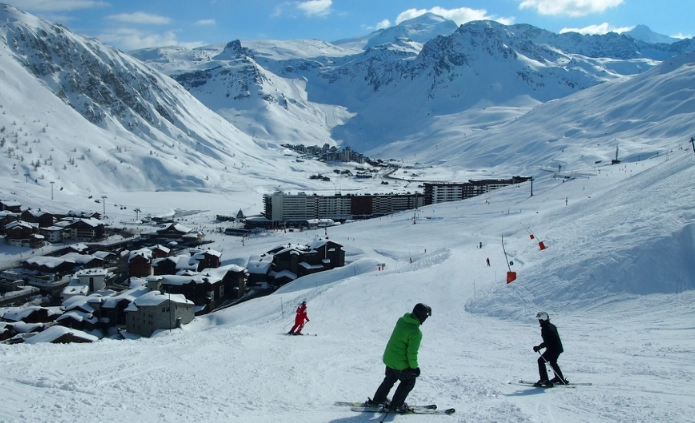
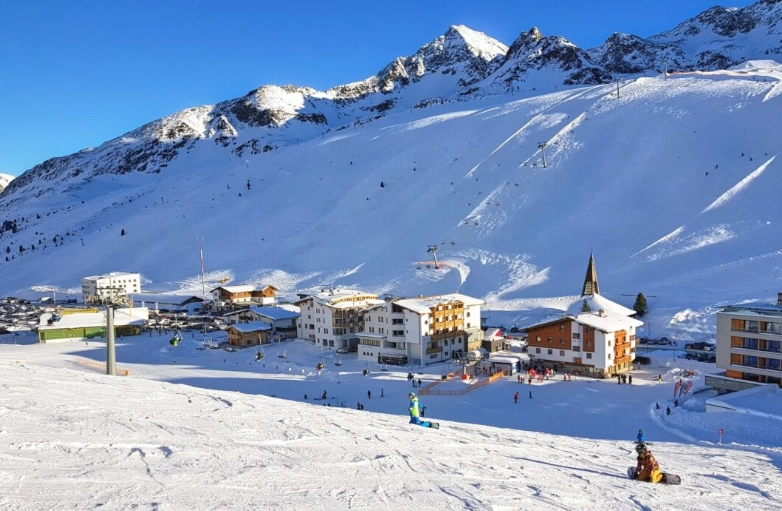
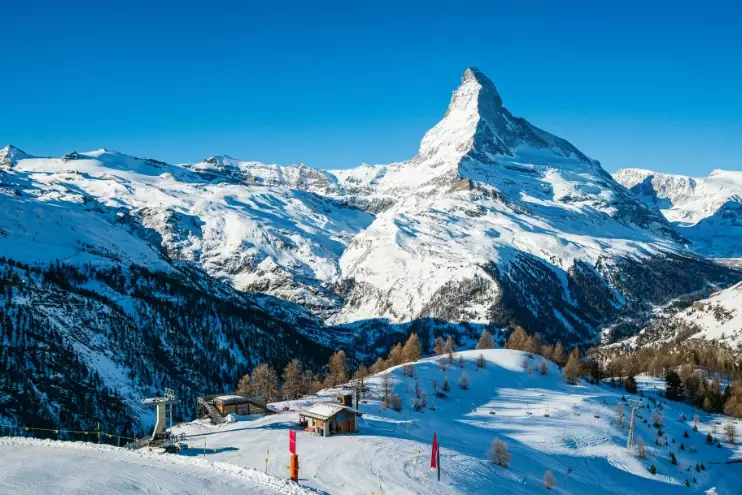
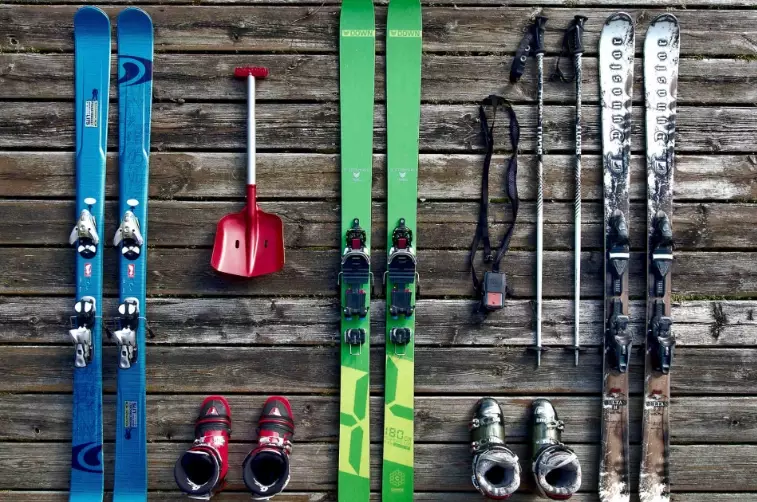
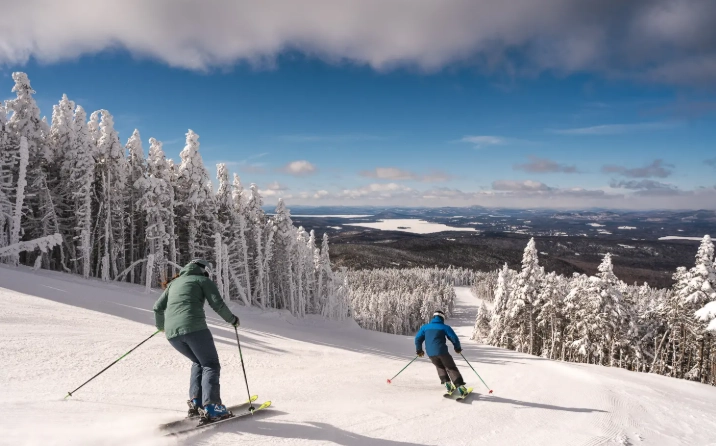
Nothing kills the vibe of a ski trip faster than arriving to find brown patches, closed lifts, and a general sense of snow-related despair. We've all been there, or at least feared it. That's why the hunt for truly snow sure resorts isn't just about luxury or nightlife—it's about peace of mind. A snow sure resort is your insurance policy against a wasted vacation. It combines natural advantages with human ingenuity to deliver reliable skiing, season after season.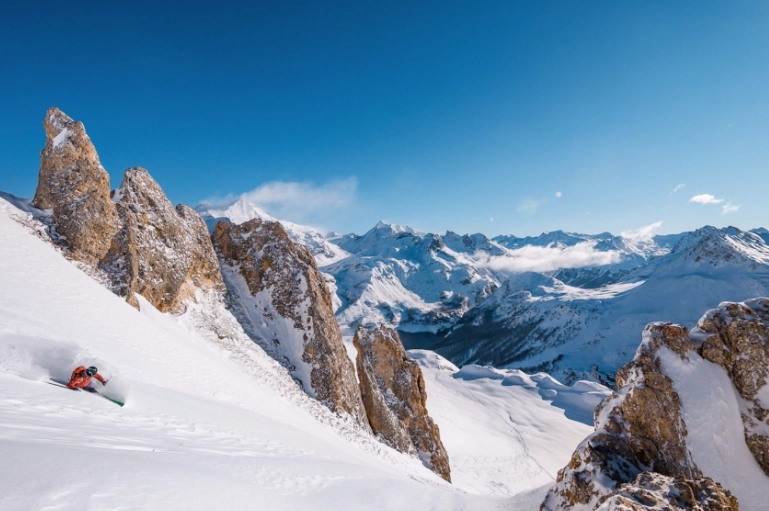
But what does "snow sure" really mean? It's not just about the highest average snowfall. I've seen resorts with massive dumps get rained on a week later, turning powder to concrete. True reliability comes from a combination of factors: high altitude, favorable latitude, protective terrain, and, increasingly, a massive investment in snowmaking. After more than a decade of chasing snow across continents and getting burned a few times, I've learned where to put my money for a guaranteed turn.
Your Quick Guide to Snow Sure Skiing
What Makes a Resort ‘Snow Sure’?
Let's break down the science and strategy behind reliability. Most skiers look at annual snowfall totals and call it a day. That's the first mistake. A big number is great, but if it all falls in two storms and then melts, you're out of luck.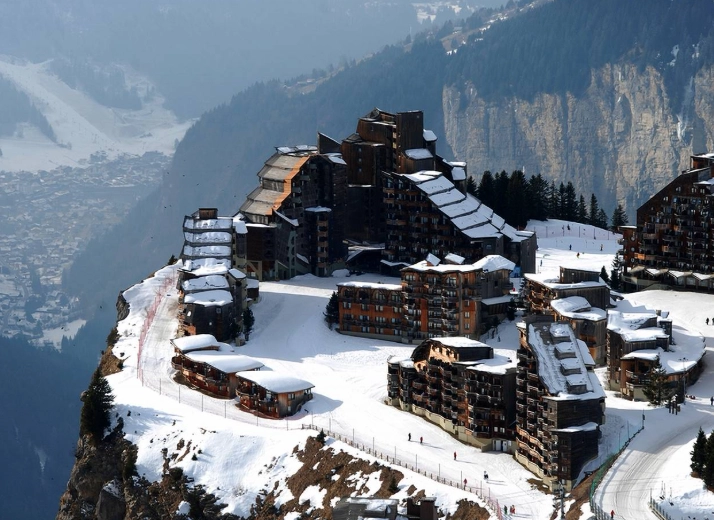
The key pillars are:
- Altitude: This is the big one. Higher elevation means colder temperatures, which preserves snow. A resort with a base above 2,000 meters (6,500 feet) and slopes reaching over 3,000 meters (9,800 feet) starts with a massive advantage. The snow that falls up there is less likely to see a damaging thaw.
- Latitude and Aspect: Resorts further north (in the Northern Hemisphere) have longer, colder winters. But aspect—the direction a slope faces—is just as crucial. North-facing slopes in the Alps or shady bowls in North America see far less sun, protecting the snowpack.
- Microclimate & Geography: Some places are just blessed. The Japanese Alps get insane snowfall from Siberian storms crossing the Sea of Japan. The interior ranges of British Columbia sit in a perfect storm path for Pacific moisture. These are geographic jackpots.
- Snowmaking Arsenal: This is the modern game-changer. A top-tier snow sure resort doesn't just pray to the snow gods; it invests millions in a network of snow guns that can cover 80-95% of its terrain. Look for resorts that boast high-capacity, automated systems that can operate even at marginal temperatures. The Ski magazine's annual resort rankings often highlight leaders in snowmaking technology.
A Quick Reality Check
No resort is 100% guaranteed. Climate variability is real. But the places on the list below are the closest thing we have to a sure bet. They've built their reputations—and their infrastructure—around delivering consistent conditions, making them worth the often higher price tag and longer travel times.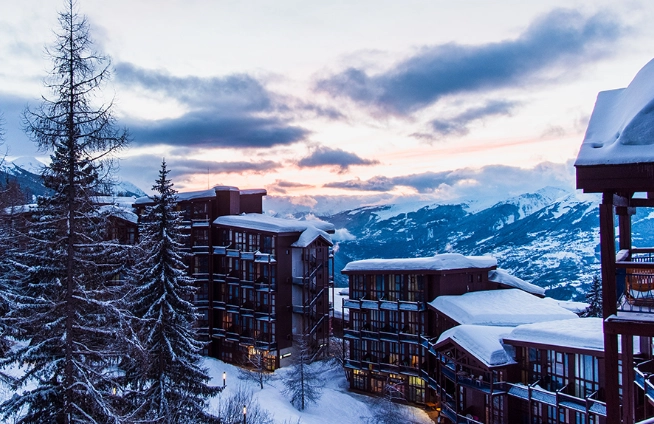
Top 5 Most Snow Sure Resorts in the World
This isn't just a list of high-snowfall resorts. It's a curated selection based on consistency, terrain quality, and backup systems. I've prioritized places where you can confidently book a trip months in advance.
| Resort & Location | Key Stats (Avg. Snowfall, Altitude) | Why It's Snow Sure | Best For / Vibe |
|---|---|---|---|
| 1. Val Thorens, France (Three Valleys) |
Snowfall: 6m+ (236") Base Altitude: 2,300m (7,546ft) Top: 3,230m (10,597ft) |
The highest resort in Europe. Its altitude is its superpower. Combined with extensive snowmaking across the entire Three Valleys area, it's almost immune to poor early or late-season conditions. The glacier skiing on Grande Motte provides a summer option. | Intermediates, park skiers, groups wanting guaranteed snow. Lively, purpose-built village with a young crowd. |
| 2. Arapahoe Basin, USA (Colorado) |
Snowfall: 8m+ (315") Base Altitude: 3,178m (10,428ft) Top: 3,978m (13,050ft) |
"The Legend." Famous for its long season (often into June). Its extreme altitude on the Continental Divide means cold, dry snow. It's less about fancy snowmaking and more about raw, natural conditions. The East Wall terrain is for experts only. | Experts, powder hounds, locals, those who prioritize skiing over resort frills. No-frills, authentic ski area vibe. |
| 3. Niseko United, Japan (Hokkaido) |
Snowfall: 15m+ (590") Base: ~200m (656ft) Top: 1,200m (3,937ft) |
The ultimate powder reliability. While its base is low, the constant stream of cold, moisture-laden storms from Siberia dumps the lightest snow on earth consistently all winter. The low altitude is offset by relentless snowfall and cold temperatures. | Powder seekers of all levels, tree skiing enthusiasts, foodies. International, bustling vibe across four interconnected villages. |
| 4. Whistler Blackcomb, Canada (British Columbia) |
Snowfall: 11m+ (433") Base: 675m (2,214ft) Top: 2,284m (7,494ft) |
Volume and infrastructure. It gets massive Pacific storms, but its lower base can be vulnerable to rain. This is where its world-class snowmaking system (covering over 800 acres) saves the day. The high alpine on both mountains holds cold snow beautifully. | Everyone. Vast, varied terrain. Perfect for mixed-ability groups and long vacations. Full-service, world-class resort town. |
| 5. Obergurgl-Hochgurgl, Austria (Ötztal Alps) |
Snowfall: 6m+ (236") Base: 1,800m (5,906ft) Top: 3,080m (10,105ft) |
"The Diamond of the Alps." Another high-altitude champion. Its villages are among the highest in the Alps, ensuring a long, snow-sure season from November to May. Excellent snowmaking and mostly north-facing slopes lock in the conditions. | Families, intermediates, early/late season skiers. Traditional, charming Austrian village atmosphere, less rowdy than some. |
Digging Deeper: Val Thorens vs. Arapahoe Basin
These two represent different philosophies. Val Thorens is a masterclass in engineered reliability. You're paying for the certainty that comes from altitude and technology. A-Basin is pure, untamed natural reliability. It's cheaper, more rugged, but if a storm cycle is dry, there's less backup. For a week-long trip I'm locking in months ahead, I lean towards Val Thorens. For a flexible weekend chasing a forecast, A-Basin is magic.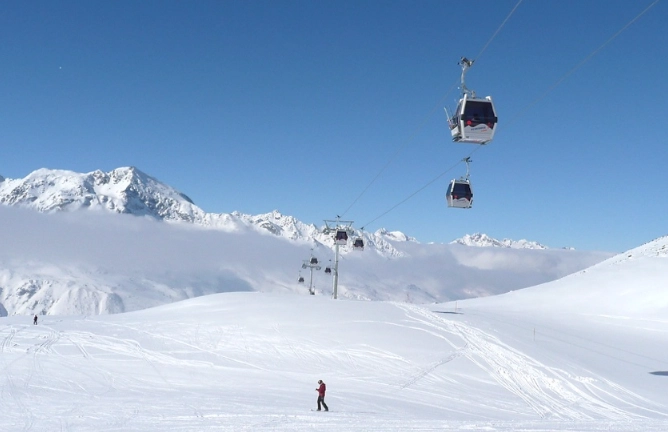
The Underrated Factor: Glacier Resorts
Don't overlook places like Tignes (France) or Saas-Fee (Switzerland). Their glacier skiing provides a guaranteed snow base from October onwards, making them brilliant choices for early or late season. The glacier runs can be limited and often crowded, but they're a literal safety net.
How to Plan Your Trip to a Snow Sure Resort
Booking a trip to these reliable spots requires a slightly different strategy. Demand is high, and prices reflect the certainty.
When to Go: The sweet spot is mid-January to mid-March. You've avoided the holiday price spikes, the days are getting longer, and the snowpack is deepest. For European high-altitude resorts, late March and April offer fantastic spring skiing with more sun and fewer crowds—the snow is still great up high.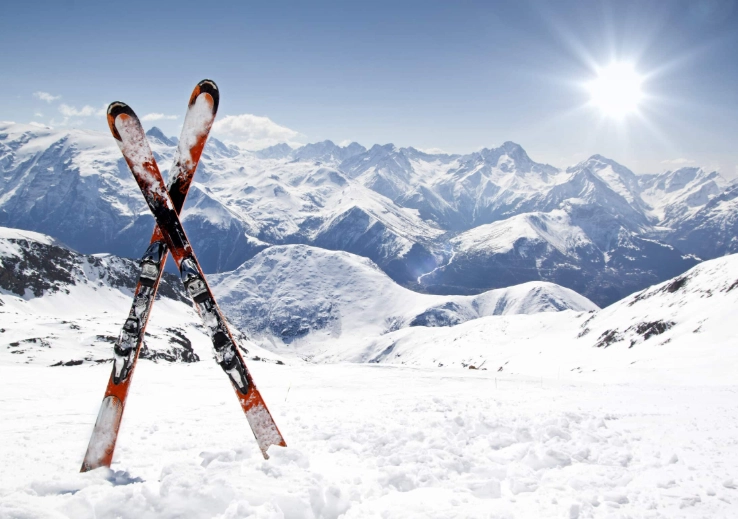
Booking Strategy:
- Book Early: I'm talking 6-9 months out for peak periods. Accommodation in these prime locations sells out.
- Lift Passes: Look for regional passes. For the Alps, the Ikon Pass or Epic Pass now cover many top resorts (like Val Thorens and parts of the 3 Valleys). In North America, these passes are essential for value. Always buy lift passes online in advance for a significant discount.
- Flights: For Japan (Niseko), fly into New Chitose (CTS) near Sapporo. For the French Alps, Geneva (GVA) is the main hub. For Whistler, Vancouver (YVR). Factor in transfer time—a 3-hour bus from Geneva is standard.
What to Pack (Beyond the Basics):
- High-Quality Goggles with Low-Light Lenses: Stormy days are common at snow sure resorts. A good low-light lens (rose, yellow) is as important as a sunny-day one.
- Neck Gaiter/Balaclava: Wind and cold at altitude are no joke.
- Boot Warmers: A small luxury that makes a huge difference on cold, early mornings.
- Sunscreen (SPF 50+): The sun at high altitude is intense, even on cloudy days.
My Personal Booking Hack
I never book a non-refundable hotel room anymore. I use booking platforms that offer free cancellation right up to a week or two before. This lets me lock in a price and a spot, but gives me a last-minute out if a truly catastrophic weather forecast emerges (rare for these resorts, but possible). The small premium is worth the flexibility.
Your Snow Sure Questions, Answered