Quick Guide
- How Does a Magic Carpet Ski Lift Actually Work? No Engineering Degree Needed.
- Magic Carpet vs. The Old School: Why It's Won the Beginner Hill
- How to Use a Magic Carpet Ski Lift Like a Pro (Yes, There's a Technique)
- Magic Carpet vs. Chairlift: A Side-by-Side Showdown
- Beyond the Bunny Slope: Other Uses for Magic Carpets
- Buying a Magic Carpet? What You Need to Know (For Resorts & Large Properties)
- Your Magic Carpet Ski Questions, Answered.
You're standing at the bottom of a gentle, snowy slope, skis on for the first time, feeling a mix of excitement and sheer terror. The thought of tackling a chairlift—figuring out how to get on, sit still, and then, god forbid, get off without face-planting—sounds like a recipe for disaster. Then you see it: a wide, moving walkway, like something from an airport, but covered in snow and leading right up the hill. That, my friend, is your new best friend: the magic carpet ski lift.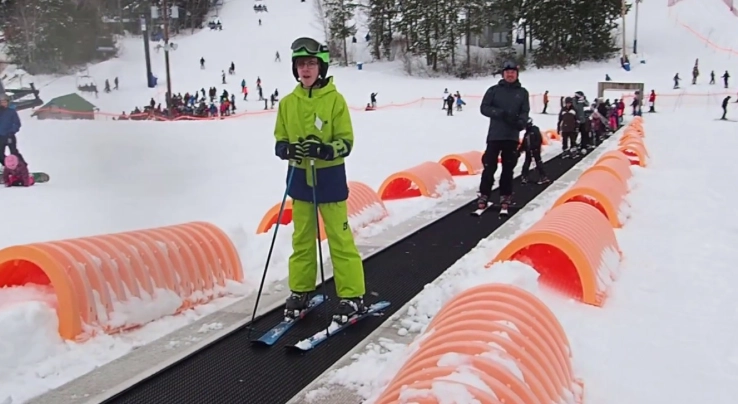
I remember my first time seeing one. I was with my niece, who was about five. The look of pure relief on her face (and probably on mine too) when the instructor pointed away from the scary chairlifts and towards this gentle, rolling path was priceless. It completely changed the first-day experience. No more tears before we even started! That's the real magic of it.
Let's get straight into it. A magic carpet for skiing is essentially a conveyor belt for people. It's a wide, rubberized or fabric mat that moves continuously uphill. You just step onto it, stand still (or shuffle forward a bit), and let it carry you and your skis or snowboard to the top of the beginner area. It's as simple as using an escalator, but horizontal. The name "magic carpet" is pretty spot-on—it feels effortless, almost like you're being whisked up the hill without having to do a thing.
Now, you might be thinking, "It's just for little kids." I thought that too, at first. But hang on. Have you ever tried to teach a complete adult beginner how to side-step up a hill? It's exhausting for them, and they're gassed before they even practice their first pizza slice (snowplow). The magic carpet ski lift eliminates that brutal, energy-sapping climb. It conserves energy for what actually matters: learning to turn and stop. It's a game-changer for learners of all ages.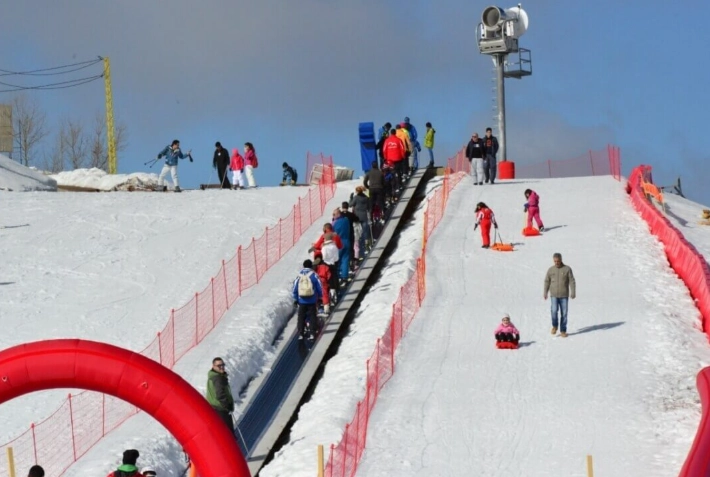
How Does a Magic Carpet Ski Lift Actually Work? No Engineering Degree Needed.
Okay, let's peel back the curtain. The magic isn't real sorcery, but it's clever, simple engineering. Imagine a giant, heavy-duty treadmill laid flat on the ground. Underneath the riding surface is a series of rollers. A powerful electric motor (usually housed in a building at the top or bottom) drives these rollers, which in turn move the belt. The belt itself is made of a super tough, textured rubber or synthetic material that provides grip even when wet or snowy.
The whole thing is slightly recessed into the ground or mounted on a slight platform. The "carpet" moves at a slow, constant speed—usually around 100-150 feet per minute. That's a walking pace. Slow enough for a toddler to step on confidently, but fast enough that you're not standing there forever.
One key feature is the safety system. The entire lift is designed to stop instantly if anything gets caught. The edges are typically smooth, and there are emergency stop buttons along the sides. It's a remarkably safe piece of equipment, which is why ski areas love them for their most vulnerable guests.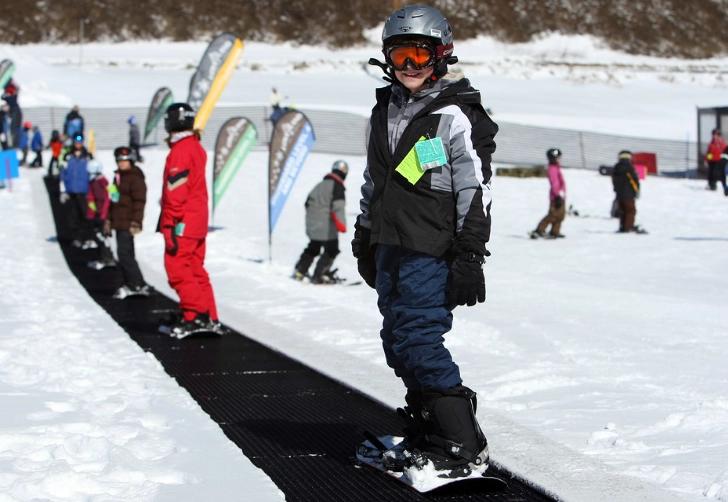
Magic Carpet vs. The Old School: Why It's Won the Beginner Hill
Before magic carpets, beginner areas relied on rope tows, T-bars, or the dreaded "walking up." Let's be honest, rope tows are tricky. They require coordination to grab and can be tough on gloves (and shoulders). T-bars are a step up in complexity for a true novice. Walking up in ski boots is just plain hard work.
The magic carpet ski lift demolished these barriers. Its primary advantage is its passive nature. You don't need to grab anything, sit on anything, or hold on. You just stand there. This reduces fear, eliminates a complex step in the learning process, and lets the instructor focus on skiing, not lift mechanics.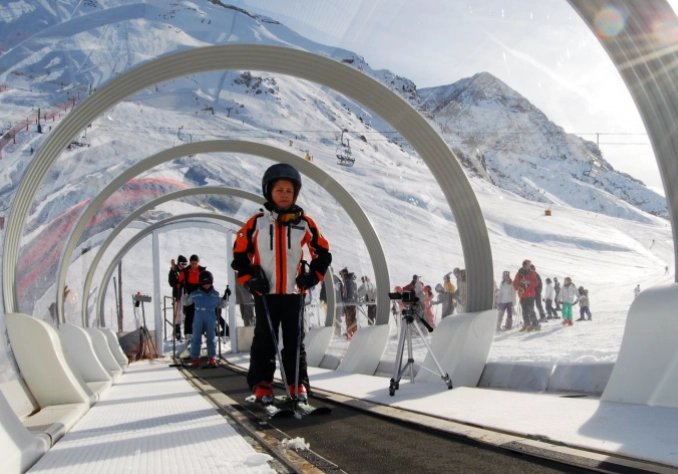
Think about it from a resort's perspective. Happier beginners who aren't intimidated by the lift mean more returning customers. It allows them to process more first-timers through lessons efficiently. It's a win-win. The National Ski Areas Association (NSAA) has noted the significant role surface lifts like magic carpets play in improving the beginner experience and safety.
But it's not just for the bunny slope anymore. Longer, faster magic carpets are being installed on longer beginner runs, and even as connectors between terrain areas at some massive resorts. They're becoming a part of the mountain's transportation fabric.
The Not-So-Magical Parts: Let's Talk Drawbacks
I don't want to just sing its praises. It has flaws. The biggest one? Capacity. A magic carpet is slow. On a busy Saturday morning at a popular resort, the line for the magic carpet can snake further than the line for the high-speed quad. You're moving a lot of people, but very slowly compared to a chairlift.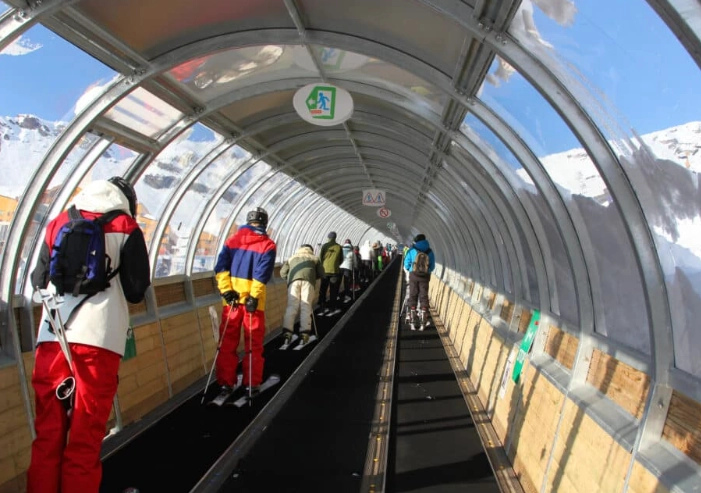
Then there's the weather. Heavy, wet snow can sometimes build up on the surface, making it slick. Most have built-in scrapers and heaters, but in a real dumping, they can struggle. And if the power goes out, well, it's just a long, flat rug.
Also, let's be real, they are boring. After your third or fourth run, the novelty wears off. You'll crave the speed and views of a chairlift. That's a good sign! It means you're progressing. The magic carpet is a starter home; you don't want to live there forever.
How to Use a Magic Carpet Ski Lift Like a Pro (Yes, There's a Technique)
Even though it's simple, a few tips can make your first (or hundredth) ride smoother and safer. It's not just step-and-go.
- The Approach: Ski or snowboard up to the loading area. Keep your tips up slightly to avoid catching them on the edge of the carpet. Look for the loading line.
- The Step-On: This is the key moment. Don't hesitate. Look down, and step onto the moving carpet with one foot, then immediately bring your other foot alongside it. Get both feet firmly on and centered. A hesitant, shuffling step is how people lose balance.
- The Ride: Stand upright, with your weight evenly distributed. Keep your skis parallel and pointed straight uphill. Don't try to turn around or look back—you might drift off the side. Relax your knees a little. If you're with a small child, hold their hand or keep them directly in front of you.
- The Exit: As you see the end approaching, get ready. Just before the end, gently shift your weight forward and step off with one foot, then the other, pushing yourself slightly forward onto the snow. Don't jump. Don't panic. Just walk off, as if you're stepping off a moving sidewalk. Then immediately ski or slide away from the exit area to clear it for the person behind you.
What about snowboards? Same principles. Stand sideways, but keep your body facing somewhat uphill. It can feel a bit awkward at first because your hips are twisted, but just focus on keeping your board straight and flat.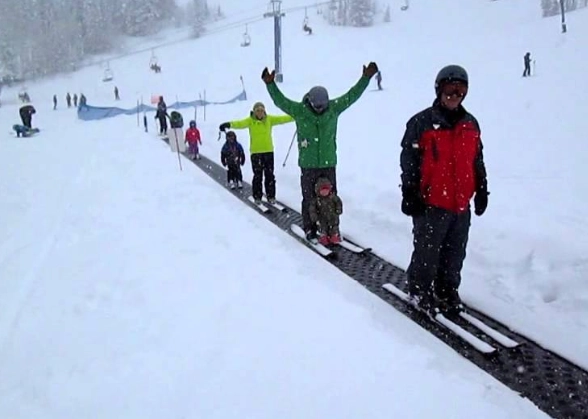
Magic Carpet vs. Chairlift: A Side-by-Side Showdown
When are you ready to graduate? This table breaks down the core differences. It's not about one being better, but about which is right for your current skill level.
| Feature | Magic Carpet Ski Lift | Chairlift |
|---|---|---|
| Skill Required | Minimal. Can stand and step. | Moderate. Requires balance to load, sit, and unload while moving. |
| Physical Demand | None. Passive ride. | Low, but requires some core engagement and timing. |
| Speed & Capacity | Slow (~2 mph). Lower capacity, longer lines on busy days. | Fast (5-12 mph). High capacity, moves crowds quickly. |
| Terrain Served | Beginner (green) slopes only. | All terrain, from beginner to expert. |
| Fear Factor | Very low. Grounded and slow. | Can be high for beginners (height, movement). |
| Best For... | First-timers, young children, nervous adults, building confidence. | Anyone who can confidently link turns and control their speed on green runs. |
The rule of thumb most instructors give: You're ready for a chairlift when you can confidently make controlled turns (snowplow or parallel) and come to a complete stop on the beginner slope served by the magic carpet. If you're still falling frequently on the way down, stick to the carpet a bit longer. There's no shame in it.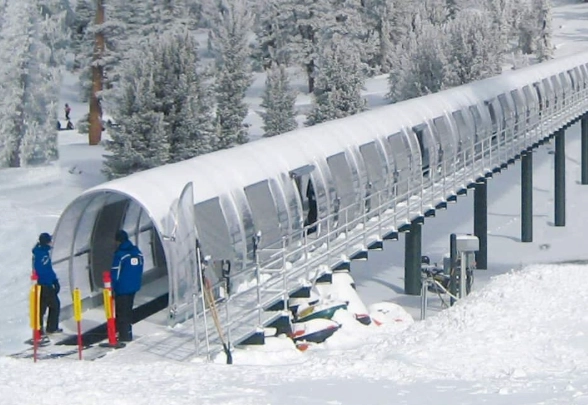
Beyond the Bunny Slope: Other Uses for Magic Carpets
While the beginner hill is their home turf, you'll find magic carpets in other spots. Some large resorts use them as easy, slow connectors between base areas or to access specific beginner zones from a hotel. They're fantastic for terrain parks too—a magic carpet lift allows skiers and snowboarders to easily get back to the top of a practice jump or rail line without having to re-ride a big chairlift.
They're also popping up at tubing parks! It's the perfect way to get you and your tube back to the top without the hike. The versatility is a huge part of their appeal for mountain operations.
Buying a Magic Carpet? What You Need to Know (For Resorts & Large Properties)
Most of us will just use them, but if you're curious about what goes into one, or you run a ski hill (hey, dream big), here's the lowdown. Major manufacturers like Poma and Leitner produce them. They're not a small purchase. Costs vary wildly based on length, speed, and features (lighting, heaters, canopies), but you're looking at hundreds of thousands of dollars for a full installation.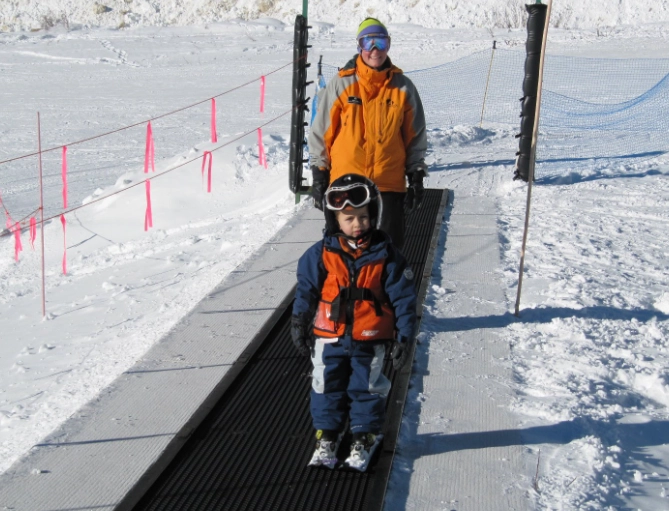
Key considerations for a resort are length (which dictates horsepower), reliability for harsh conditions, and ease of maintenance. The carpet material itself is a wear item and will need replacing over time. It's a significant investment, but one that directly pays off in customer satisfaction and retention for that crucial first-time skier market.
Top Features to Look For in a Quality Magic Carpet
- Heated Drive System: Prevents ice buildup in the mechanism.
- Automatic Tensioning: Keeps the belt tight and running smoothly.
- Canopy or Cover: Protects riders from snow and rain, making the experience more pleasant.
- Multiple Safety Cut-Offs: Along the sides and at the drive station.
- Durable, High-Grip Surface: Textured to prevent slips even in slushy conditions.
Your Magic Carpet Ski Questions, Answered.
Are magic carpet ski lifts safe for really young kids?
Yes, they are considered the safest lift type. The speed is slow, it's close to the ground, and there are no gaps or heights to fall from. However, supervision is non-negotiable. A small child should always be directly with an adult, either holding hands or immediately in front of them. The International Ski Instructors Association (ISIA) emphasizes constant supervision for children on all mountain equipment, as outlined in their safety guidelines.
Can I use a magic carpet on a snowboard?
Absolutely. The technique is just slightly different. Stand sideways on the carpet, but try to keep your shoulders somewhat facing uphill. It feels a bit twisty, but focus on keeping your board flat and pointing straight up the fall line. The same step-on and step-off rules apply.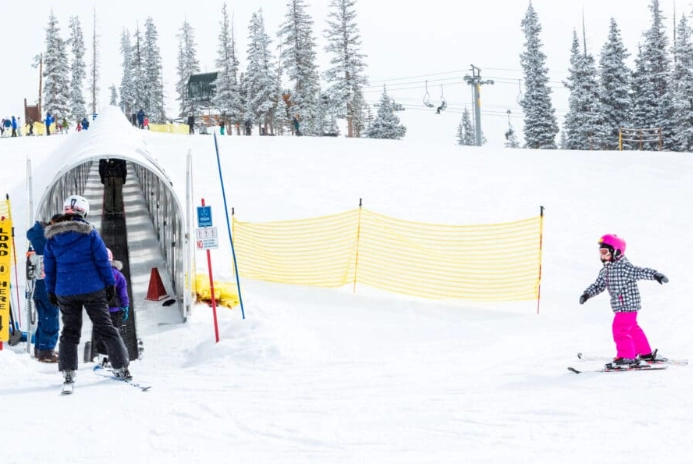
How fast does a magic carpet go?
Typically between 100 and 200 feet per minute. That's roughly 1.1 to 2.3 miles per hour. A slow walking pace. It's designed for stability, not speed.
What's the longest magic carpet in the world?
This record changes, but resorts are building longer ones. Some now exceed 500 feet in length. They serve longer beginner trails, allowing learners to get more vertical in a single, stress-free ride.
Do I need a lift ticket for the magic carpet?
This varies by resort. Most major resorts include access to the beginner-area magic carpet with any standard lift ticket, and often it's part of a cheap "beginner area only" ticket. Some very small hills or standalone learning areas might charge a small fee specifically for the carpet slope. Always check the resort's website.
The magic carpet ski lift might not be glamorous. You won't see it featured in ski movies. But in the world of skiing and snowboarding, it's a quiet hero. It has lowered the barrier to entry more than almost any other piece of equipment in the last 30 years. It reduces fear, builds confidence, and lets people focus on the joy of sliding on snow, not the struggle of getting back up the hill.
Next time you're at a resort, take a glance over at the beginner area. You'll see the magic carpet ski lift doing its thing, silently creating new skiers and riders, one gentle ride at a time. And if you're one of those people nervously eyeing it up, just go for it. Step on. It's the first, and maybe the most important, ride you'll take on the mountain.
Trust me, from someone who's been the nervous adult and the relieved uncle, it's the best place to start. The chairlifts and the whole mountain will still be there when you're ready. The magic carpet is your first key to unlocking it all.