In This Guide
- Where Did This Knee-Dropping Madness Come From?
- Gearing Up: Your Ticket to the Telemark World
- The Core of It All: Breaking Down the Telemark Turn
- From Green Circles to Steep and Deep: Advancing Your Technique
- Training Your Body: It's a Physical Game
- Telemark vs. Alpine: A Side-by-Side Look
- Your Telemark Technique Questions, Answered
- Final Thoughts Before You Drop a Knee
I remember the first time I saw someone telemark skiing. It was in the backcountry, a quiet morning except for the crunch of snow. This skier came flowing down a powder field, making these deep, graceful turns where one knee would dive down towards the snow. It looked like a mix of skiing, lunging, and pure magic. I was hooked. I had to learn how to do that. But let me tell you, the journey from thinking "that looks cool" to actually linking smooth telemark turns was... humbling. It's a different beast from alpine skiing.
That's what this guide is for. If you're curious about the telemark skiing technique, you're in the right place. We're not just going to skim the surface. We're going to dig into everything—the why, the how, the gear, the pain points (yes, your knees will be mentioned), and the sheer joy of it. Forget dry, textbook explanations. I've made most of the mistakes so you don't have to.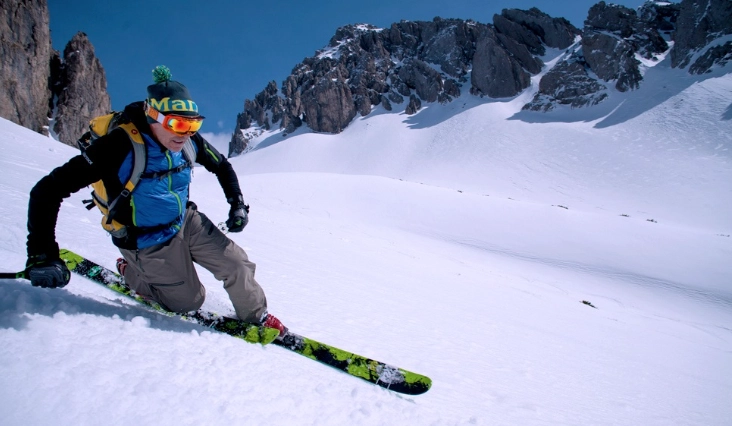
Why bother with telemark skiing at all? In an era of fat skis and high-tech alpine bindings, telemark can seem like a quirky, old-school discipline. But it offers a freedom of movement that's hard to match. Your heel isn't locked down. You can stride across flat sections like a cross-country skier and then drop a knee for a controlled, powerful turn downhill. It's the original free-heel skiing, and it opens up the mountain in a unique way.
Where Did This Knee-Dropping Madness Come From?
It's easy to think of telemark as a modern niche sport, but its roots are deep. The technique is named after the Telemark region of Norway. Back in the 19th century, a fellow named Sondre Norheim (a name you'll hear a lot in tele circles) popularized this style of turn. He didn't have metal edges or plastic boots. He had wooden skis, leather straps, and a lot of skill. The telemark turn was born out of necessity—it was a stable, controllable way to turn on the primitive gear of the day.
Fast forward to the 1970s in the US, and you had the "telemark revival." Skiers looking for a new challenge and a connection to skiing's roots rediscovered the turn. They started using adapted cross-country gear to ski downhill. It was crude, it was tough, and it was incredibly rewarding. Modern telemark gear—with its stiff plastic boots and reliable cable or NTN (New Telemark Norm) bindings—is a world away from those early days, but the soul of the movement is the same. It's about rhythm, balance, and that distinctive lunging posture.
A piece of living history, right under your feet.
Gearing Up: Your Ticket to the Telemark World
You can't just take your alpine skis and boots and try to telemark. The gear is fundamentally different, and getting it right is half the battle. Choosing the wrong setup can make learning the telemark skiing technique feel impossible. Let's break down what you need.
The Telemark Trinity: Skis, Boots, Bindings
These three components work together. Your choice in one affects the others. Modern telemark skis are, frankly, fantastic. You can use a dedicated telemark ski, which often has a slight bit of sidecut and flex pattern tuned for free-heel skiing, or a versatile all-mountain alpine ski. For beginners, a forgiving, medium-width all-mountain ski is a perfect start.
Boots are where you'll feel the biggest difference. Telemark boots have a flexible bellows at the forefoot—that's what allows your knee to drive forward and down into the turn. They come in different stiffness levels. A softer boot is more forgiving for learning, while a stiffer boot offers more power and precision for aggressive skiing. Try them on. Walk around the shop. If they're brutally uncomfortable, that's a problem you can't "ski through."
Then there are the bindings. This is the mechanical interface that connects your free heel to the ski while allowing that crucial knee travel. There are two main systems today:
- Cable/Plate Bindings: The classic. A cable hooks behind your boot's heel, providing tension and retention. They're robust, relatively simple, and have a direct, active feel. They require a boot with a dedicated "duckbill" toe.
- NTN (New Telemark Norm) Bindings: The newer standard. These look more like an alpine binding and use a second pivot point under your foot. They offer more control, often have a step-in convenience, and release laterally for safety—a huge advantage. They require specific NTN-compatible boots.
Which is better? That's a holy war among telemark skiers. NTN is easier for most beginners because the release safety and consistent flex are great. But cable bindings have a loyal following for their simplicity and feel. I learned on cables and have a soft spot for them, but I won't deny the technical benefits of a good NTN setup.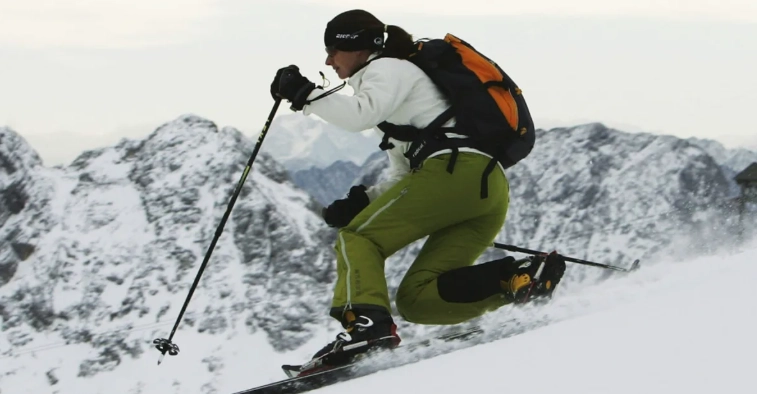
The Core of It All: Breaking Down the Telemark Turn
Alright, let's get to the meat of it. The telemark skiing technique. The turn. It's not just dropping a knee. It's a coordinated, weighted, flowing movement. Let's peel it back layer by layer.
The Stance: It's a Lunge, Not a Squat
This is the first big mental hurdle. In a telemark turn, your feet are staggered fore and aft, one ski leading, one trailing. Your weight is distributed between both skis—roughly 60% on the front foot and 40% on the back foot. Your knees are bent, and your hips are low and centered between your feet.
Here's the visual: think of a lunge position, not a squat.
Your upper body should remain relatively quiet and facing downhill, your hands in front for balance. The power and steering come from your legs and feet, driving the skis through the turn. A common mistake is to twist the upper body to initiate the turn. Don't. Let your lower body do the work.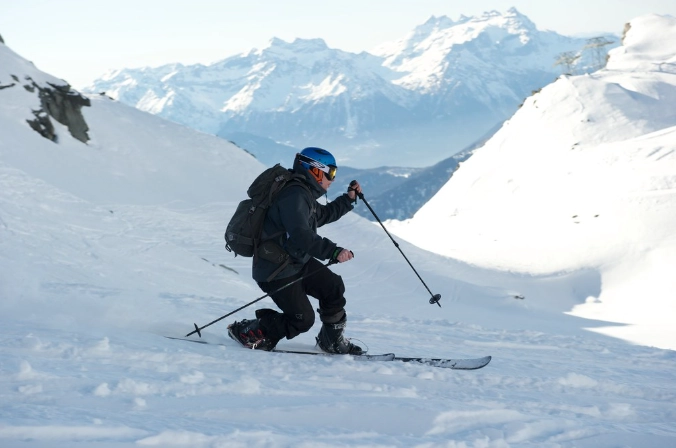
The Turn Phases: Initiation, Control, Transition
Let's walk through a basic telemark turn on a gentle, groomed slope.
- Initiation: You're in a neutral, balanced stance. To start a turn to the left, you gently shift your weight forward onto your right foot (which will become the new lead ski) while simultaneously stepping that right foot forward. Your left foot slides back. As you commit to this weight shift, your right knee drives down and forward over your right toe. You are now in the telemark stance, initiating a left turn.
- Control & Shaping the Turn: This is where you pressurize the skis. You maintain that forward knee drive, keeping your weight centered over the middle of your skis (the "sweet spot"). You steer both skis through the arc of the turn by rolling your feet and ankles and applying pressure. The inside edges of both skis engage. The front ski does most of the guiding, but the back ski is absolutely critical for support and power.
- Transition: As you complete the turn and start thinking about the next one, you rise up slightly to unweight the skis. You smoothly bring your back foot forward to meet the front foot, returning to a neutral stance for a split second before immediately stepping the other foot forward to initiate the next turn in the opposite direction. The goal is a continuous, flowing motion—down, up, down, up.
Why is this telemark turn technique so effective? That staggered stance creates a long, stable platform. When done right, it's incredibly stable in variable snow and powder. The independent leg action allows for amazing adaptability.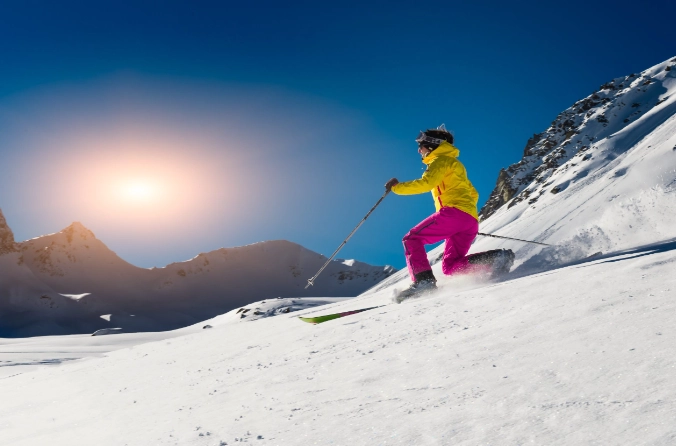
From Green Circles to Steep and Deep: Advancing Your Technique
Once you can link turns on a mellow slope, the whole mountain opens up. But each new challenge requires refining your telemark skiing technique.
Taming the Steeps
On steeper terrain, everything happens faster. Your stance needs to be more aggressive and athletic. You need to commit to your edge angles and pressure the skis more decisively. A wider, more stable stance (a bit more distance between your feet front-to-back) helps. The turns become quicker, more like a series of powerful hops or rebounds from one turn to the next. Hesitation is your enemy here. Look ahead, pick your line, and let your legs work.
The Joy of Powder
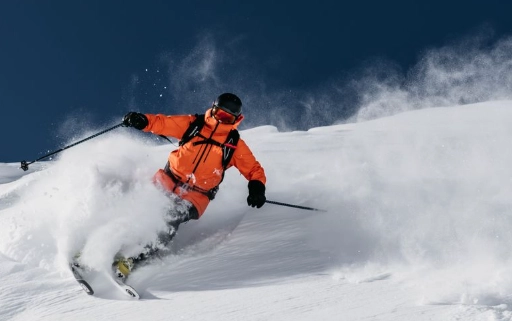
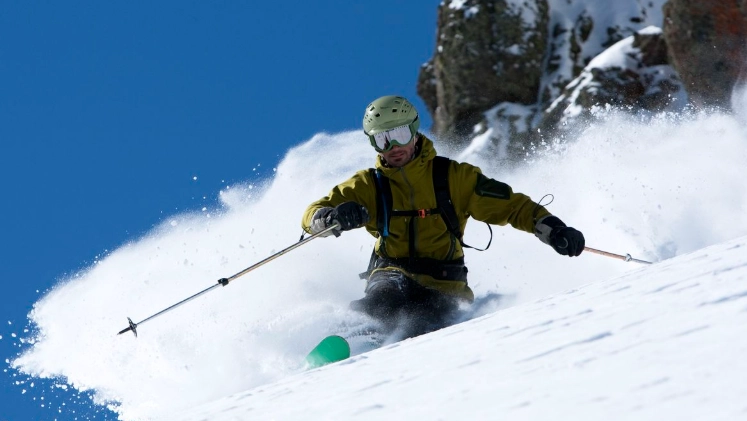
This is where telemark skiing truly sings. That floating, surfy feeling is unmatched. In deep snow, you need to stay centered and balanced. Let the skis plane up to the surface. Your turns become slower, rounder, and more patient. You might not need as deep a knee bend. The snow supports you. The key is to keep your weight even and avoid getting thrown into the backseat by the resistance of the snow. It's less about carving and more about guiding and banking.
Crud, Ice, and Variable Conditions
Telemark can be brilliant in rough snow because your legs act as independent suspension units. The technique becomes about absorption and quick, adaptive movements. On ice, it's about precision and absolute commitment to your edges. This is where a solid, confident telemark skiing technique proves its worth. You learn to trust your edges and your stance.
Training Your Body: It's a Physical Game
Let's be honest. Telemark skiing is physically demanding. It uses muscles that alpine skiing doesn't—your quads, glutes, and hip flexors in a sustained, lunging motion. A day of telemarking can leave you feeling it in places you forgot you had.
And then there's the knee question. Is telemark skiing bad for your knees? It's the most common concern. The short answer is: it doesn't have to be. With proper technique—especially avoiding that "sitting back" position—the stress is distributed fairly evenly. The motion is a controlled, aligned lunge, not a twisting shear force. However, if you have pre-existing knee issues (especially with the patella or ligaments), it's wise to consult a physio. Listen to your body. Start slow. I've found it strengthens the muscles around my knees, but that's just my experience.
Telemark vs. Alpine: A Side-by-Side Look
People always ask how it compares. It's not better or worse, just different. This table sums up the key distinctions from a skier's perspective.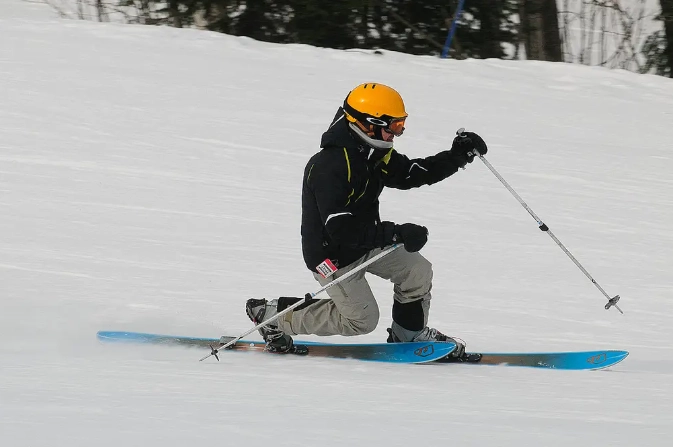
| Aspect | Alpine Skiing | Telemark Skiing |
|---|---|---|
| Heel Connection | Fixed. Heel is locked down to the ski. | Free. Heel lifts off the ski. |
| Primary Stance | Parallel, feet together, hips facing skis. | Staggered lunge, one foot forward, hips low and centered. |
| Turn Initiation | Often involves lower-body rotation and edge engagement. | Weight shift and forward knee drive combined with foot steering. |
| Fluidity on Flat/Uphill | Requires poling or skating; inefficient for touring. | Natural kick-and-glide stride possible; ideal for ski touring. |
| Learning Curve (for an alpine skier) | The familiar standard. | Steep. Requires unlearning some habits and building new muscle memory. |
| Physical Demand | Demanding, especially on legs. | Very demanding. Higher sustained muscle engagement in quads/glutes. |
| "Feel" & Reward | Powerful, precise, high-speed stability. | Rhythmic, flowing, connected to terrain, deeply satisfying mastery. |
See? Different tools for different feelings. I love both, but the sense of accomplishment from a good telemark run is uniquely personal.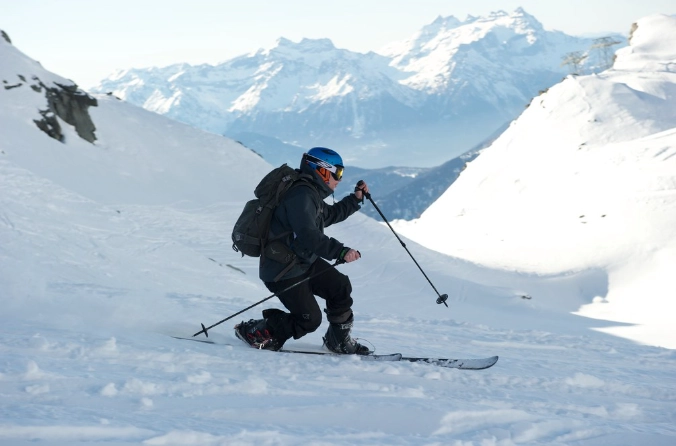
Your Telemark Technique Questions, Answered
Final Thoughts Before You Drop a Knee
Learning to telemark ski is a commitment. It's frustrating, physically taxing, and at times, you'll wonder why you're putting yourself through it. But then you'll have that one run. The run where everything clicks. Your turns flow together without thought, your skis whisper through the snow, and you feel that unique, rhythmic connection to the mountain. That feeling is worth every fall, every sore muscle.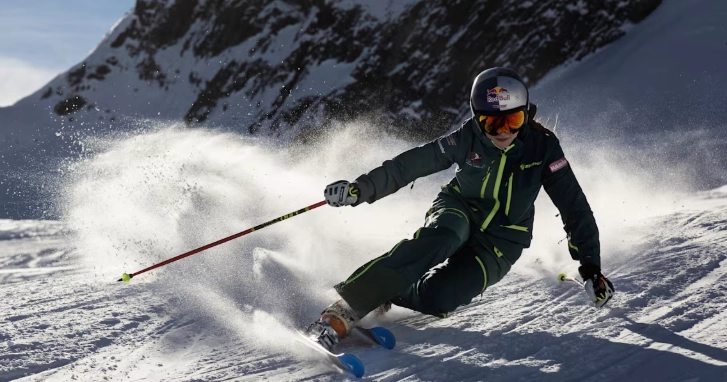
It's more than a technique. It's a culture, a history, and a profoundly rewarding way to experience the mountains. Start on the gentle stuff, focus on that forward knee drive, and don't be afraid to take a lesson from a certified instructor. A good teacher can shortcut months of frustration.
The mountain is waiting. Go get that turn.