What's Inside This Guide
Stopping on skis can feel like trying to stop a runaway train. You're gaining speed, the slope seems steeper than before, and that tiny patch of flat ground you spotted is getting closer. Knowing how to stop on skis isn't just a skill; it's the difference between a fun day on the slopes and a trip to the clinic.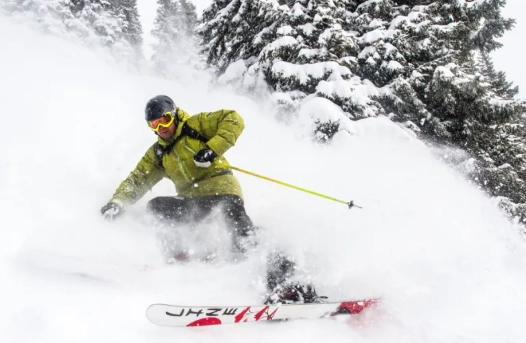
I've been skiing for over a decade, and I've seen countless beginners panic and bail into a snowbank because they never learned proper stopping techniques. It's a subtle error that most instructors don't mention: they focus too much on the mechanics of the turn and not enough on the mental preparation for stopping. You need to anticipate your stop, not just react.
The Basic Stop: Snowplough
The snowplough stop is the foundation of all ski stopping techniques. It's the first method every skier learns, and for good reason. It's simple, effective, and works in almost any snow condition.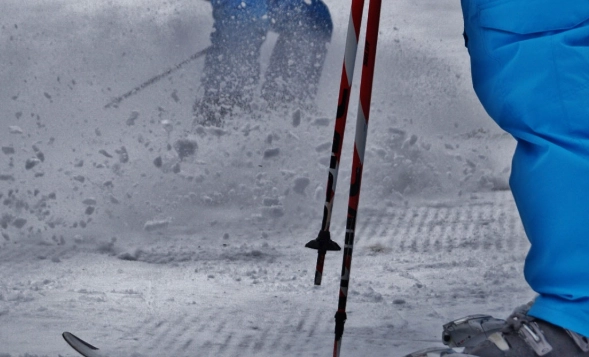
Here's how to do it:
- Shift your weight to the inside edges of your skis.
- Turn your skis inward to form a 'V' shape.
- Apply pressure to the edges of your skis to create friction.
- Gradually slow down until you come to a complete stop.
I remember my first time trying to stop on a steep black diamond run. I was so focused on turning that I forgot to shift my weight forward. The result? I ended up sliding backwards down the slope, much to the amusement of my friends. It was a humbling experience that taught me the importance of proper weight distribution.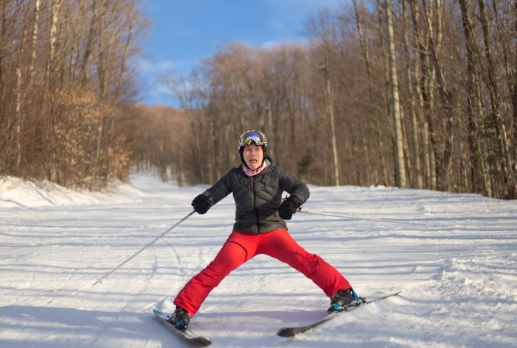
Why the Snowplough Stop Works
The snowplough stop works by creating a large surface area of friction between your skis and the snow. This friction slows you down quickly and allows you to stop without losing control. It's a technique that relies on your ability to control your speed and direction, which is why it's so effective for beginners.
The Parallel Stop: Advanced Control
Once you've mastered the snowplough stop, you can move on to the parallel stop. This technique is more advanced and requires a higher level of skill, but it offers greater control and precision.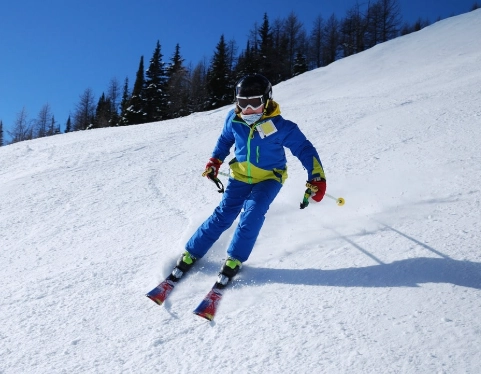
The parallel stop involves turning both skis in the same direction simultaneously. It's a more dynamic and powerful stop that can be used in a wider range of situations. However, it also requires more precise timing and coordination.
How to Execute a Parallel Stop
To execute a parallel stop, you need to:
- Shift your weight to the outside edges of your skis.
- Turn both skis in the same direction at the same time.
- Apply pressure to the edges of both skis to create friction.
- Gradually slow down until you come to a complete stop.
This technique is particularly useful when you need to stop quickly or in a controlled manner. It's also the basis for many other advanced stopping techniques, such as the hockey stop.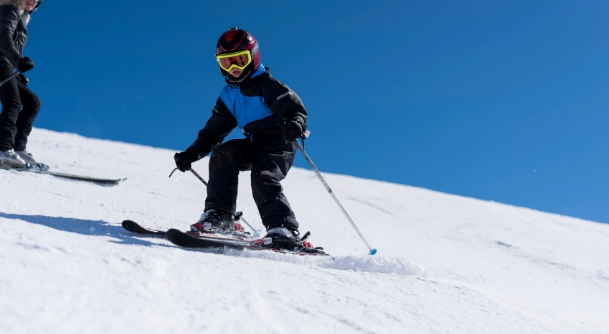
Common Mistakes and How to Avoid Them
One of the most common mistakes I see beginners make is leaning back too far when trying to stop. This causes the skis to slide out from under you, leading to a loss of control. Instead, keep your weight forward and centered over your skis.
Another mistake is applying too much pressure too quickly. This can cause your skis to skid or slide, making it difficult to maintain control. The key is to apply gradual, consistent pressure and use your edges effectively to control your speed and direction.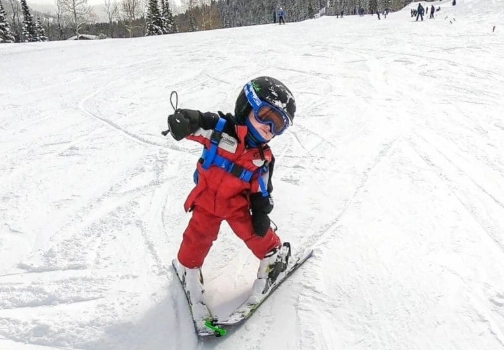
The Importance of Edge Control
Edge control is crucial for stopping on skis. It's what allows you to dig into the snow and create the friction needed to slow down. Without proper edge control, you'll find yourself sliding out of control or unable to stop at all.
I've spent countless hours practicing and refining my edge control, and I can tell you that it's a skill that takes time and patience to develop. But once you have it, you'll be able to stop on a dime, even in the most challenging conditions.
Frequently Asked Questions