I still remember that icy morning in Colorado when my skis slipped out from under me on a blue run. It wasn't speed that got me—it was balance. Or lack thereof. Since then, I've spent years refining ski drills for balance, and let me tell you, most skiers overlook them until it's too late. Good balance isn't just about staying upright; it's the foundation for carving, handling variable snow, and skiing with confidence. This guide dives into practical, no-nonsense exercises that work, whether you're a beginner or a seasoned pro.
What You'll Learn in This Guide
Why Balance is Your Secret Weapon in Skiing
Think of balance as your ski's invisible edge. Without it, even perfect technique falls apart. The U.S. Ski and Snowboard Association emphasizes balance training for injury prevention—something I've seen firsthand with clients who skip it. Most falls happen from minor shifts in weight, not dramatic crashes.
Here's the thing: skiing challenges balance in three dimensions. Forward-backward (anteroposterior), side-to-side (lateral), and rotational. If you only train one, you're setting yourself up for trouble on steeps or moguls. A study from the Journal of Sports Sciences notes that elite skiers exhibit superior dynamic balance, often honed through specific drills.
Common Balance Killers on the Slopes
Ever feel like your skis have a mind of their own? These might be the culprits:
- Stiff ankles: Locking up reduces micro-adjustments. I've skied with folks who blame their boots, but it's often ankle mobility.
- Over-reliance on poles: Using poles as crutches throws off center of mass. Try skiing without them for a run—it's humbling.
- Eyes down: Looking at your tips shifts weight forward. Focus downhill, not at your feet.
Balance drills address these by building proprioception—your body's sense of position. It's like upgrading your internal GPS.
5 Effective Ski Drills for Balance (With Steps)
These aren't theoretical; I've used them with everyone from kids to retirees. Start slow, focus on form, and progress as you feel steady. You don't need fancy gear—just a bit of space and consistency.
Drill 1: One-Legged Stands (The Foundation)
Sounds simple, right? Most skiers do it wrong. The goal isn't to stand still; it's to control wobbles. Here's how:
- Stand on one leg, knee slightly bent, arms out for balance.
- Hold for 30 seconds, then switch. Do 3 sets per leg.
- Advanced version: Close your eyes. It amplifies instability, mimicking flat light conditions. I add this before ski trips—it's a game-changer.
Common mistake: Leaning too far forward. Keep your torso over your foot.
Drill 2: Side-to-Side Hops (For Lateral Stability)
This drill saved me on an icy cat track last season. Lateral balance is often neglected, but it's key for edging.
- Stand with feet hip-width apart. Hop gently side to side, landing softly.
- Aim for 20 hops, rest, repeat 3 times.
- Progress by hopping onto a low cushion or Bosu ball. The uneven surface trains your legs for variable snow.
I've seen skiers who can carve beautifully but struggle with side slips—this drill fixes that.
Drill 3: Bosu Ball Squats (Dynamic Control)
If you have access to a Bosu ball (the half-dome trainer), use it. If not, a folded towel works. This mimics the unpredictability of powder or crud.
- Stand on the Bosu ball (dome side up), feet shoulder-width.
- Perform slow squats, going as low as you can without losing balance. 15 reps, 3 sets.
- Focus on engaging your core. Your abs should feel it more than your legs.
Pro tip: Don't grip your toes—it creates tension. Relax and let your ankles adapt.
Drill 4: Heel-Toe Rocks (Anteroposterior Balance)
This one targets forward-backward shifts, crucial for initiating turns and stopping.
- In a neutral ski stance, rock forward onto your toes, then back onto your heels. Do it slowly, 10 rocks each direction.
- Add a ski simulation: hold poles lightly and mimic a turn motion while rocking.
- I recommend doing this before hitting the slopes as a warm-up. It wakes up your calves and shins.
Many skiers rock too aggressively. Gentle movements build finer control.
Drill 5: Slackline or Line Walking (For Integration)
If you've tried slacklining, you know it's brutal for balance. No slackline? Use a line on the floor.
- Walk heel-to-toe along a straight line, arms out. Go for 10 steps, turn, repeat.
- Challenge: Carry light weights or look side to side. It trains balance under distraction—like skiing in a crowded area.
This drill integrates all aspects of balance. I do it off-season to maintain skills.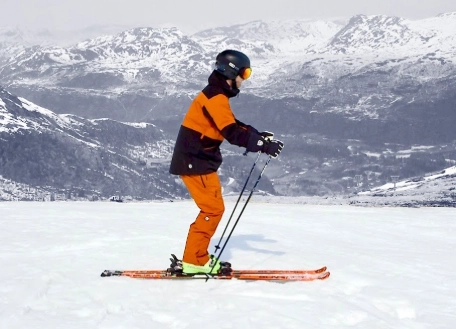
Real-World Case: A friend of mine, a intermediate skier, struggled with moguls. We added side-to-side hops and Bosu squats twice a week. After a month, he reported feeling "planted" in the bumps. His secret? Consistency—he did the drills during TV commercials.
How to Weave Balance Drills into Your Routine
Balance training shouldn't feel like a chore. Here's a sample weekly plan, adaptable to your level:
- Off-season (summer/fall): 20 minutes, 3 times a week. Mix one-legged stands and side hops. Add a Bosu ball if available. I pair mine with morning coffee—it's become a habit.
- Pre-ski season (winter start): Ramp up to 4 sessions, include heel-toe rocks and line walking. Do them after a light cardio warm-up.
- On-snow days: Spend 5 minutes on gentle slopes doing slow turns without poles. Focus on feeling your edges. It's a live drill that reinforces everything.
Timing matters. Don't do intense balance work right before skiing—fatigue can impair performance. Instead, use it as separate training.
Equipment note: You don't need expensive gadgets. A $20 Bosu ball or even a thick book can work. The International Ski Federation (FIS) promotes simple tools for grassroots training.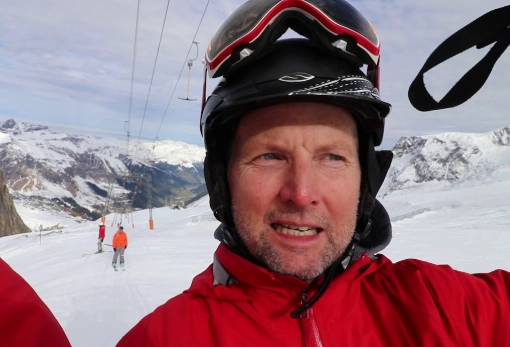
Pro Tips and Common Pitfalls to Skip
From coaching dozens of skiers, here's what I've learned:
- Don't rush progress. Balance improves slowly. If a drill feels easy, add complexity (like closing eyes), not speed. I've seen injuries from people jumping to advanced moves too soon.
- Breathe. Sounds obvious, but many hold their breath during drills. It tenses muscles. Breathe steadily to stay relaxed.
- Record yourself. Use your phone to video a drill. You might spot leaning or stiff arms. I did this and realized I was hunching my shoulders—fixed it in a week.
- Skip static holds only. Balance in skiing is dynamic. Incorporate movement-based drills like hops or squats. A common pitfall is doing only yoga poses; they help, but they're not enough for skiing's demands.
Negative take: Some online programs overcomplicate balance training with fancy equipment. You don't need it. Stick to basics and master them.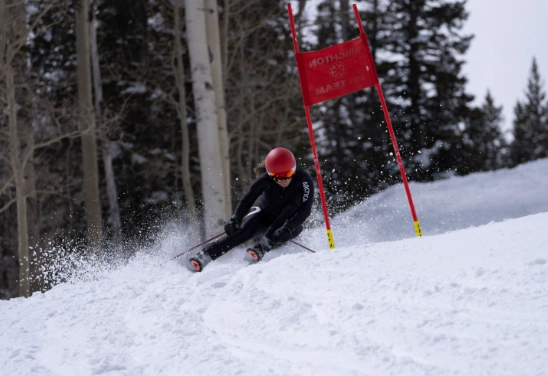
Your Balance Questions Answered
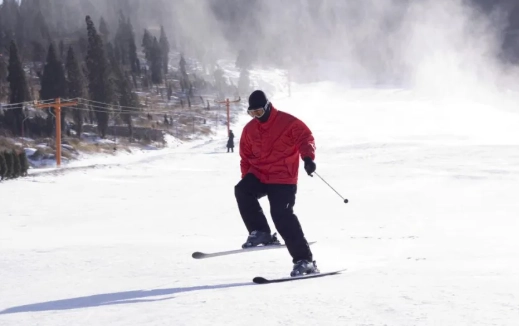
Balance isn't a one-time fix. It's a skill to nurture. Start with these drills, tweak them to your needs, and watch your skiing transform. Remember, the goal isn't perfection—it's progress. Now get out there and find your center.