Quick Guide to This Article
- Why Giro for Kids? It's Not Just Hype
- The Safety Alphabet Soup: Understanding ASTM, CE, and MIPS
- The Single Most Important Factor: Getting the Fit Right
- Breaking Down the Giro Kids Ski Helmet Lineup
- Goggles, Liners, and the Little Things That Matter
- Helmet Care and Lifespan: It's Not Forever
- Your Giro Kids Ski Helmet Questions, Answered
- The Final Run: Making Your Decision
Let's cut right to it.
If you're reading this, you're probably a parent trying to make a smart choice about a Giro kids ski helmet. You've seen the name, maybe a friend recommended it, but now you're staring at a bunch of models with confusing acronyms and price tags that make you wonder what you're actually paying for.
I've been there. The first time I bought my son a helmet, I just grabbed the one with the coolest graphics. Big mistake. It was heavy, he complained it was tight in the wrong spots, and honestly, I had no idea if it was actually any safer than the cheaper option next to it. It was a classic case of not knowing what I didn't know.
The core truth: A Giro kids ski helmet is more than just a plastic shell. It's a piece of safety engineering designed for a child's specific head shape and the unique impacts of winter sports. Getting it right matters for comfort, but more importantly, for protection.
Why Giro for Kids? It's Not Just Hype
You see Giro everywhere – on the heads of World Cup racers and the kids in your local ski school. There's a reason for that. They've been in the helmet game for decades, starting with cycling and bringing that obsession with fit and safety to the slopes.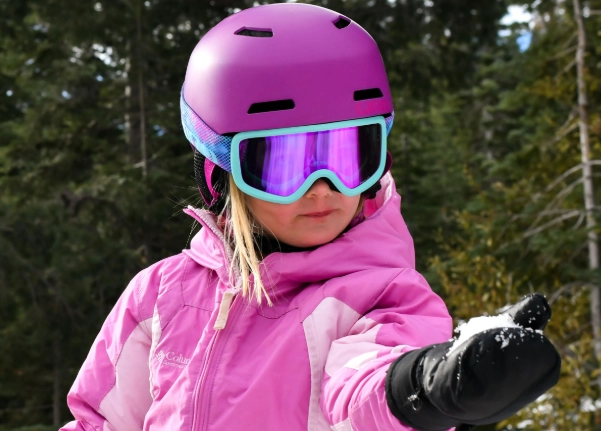
What I've come to appreciate, especially for kids, is their focus on proportional scaling. A child's head isn't just a smaller adult head. The proportions are different. Giro designs their kids' helmets from the ground up to fit those proportions, which is a big deal for comfort and safety. A helmet that's just a shrunken-down adult model can have pressure points or leave gaps.
I remember comparing a generic "small" helmet to a Giro kids ski helmet for my daughter. The generic one felt bulky and sat too high on her forehead. The Giro just... wrapped around her head. It looked integrated, not like an add-on.
The Safety Alphabet Soup: Understanding ASTM, CE, and MIPS
This is where most parents' eyes glaze over. Let's break it down simply.
Every legitimate ski helmet sold in North America must pass the ASTM F2040 standard. In Europe, it's the CE EN 1077 standard. These are baseline safety certifications. They mean the helmet has been tested to withstand certain impacts. A Giro kids ski helmet will always have one or both of these. It's the absolute minimum you should accept. You can verify these standards on official sites like the ASTM International website.
Red Flag: If you're looking at a helmet online and can't find any mention of ASTM F2040 or CE EN 1077 in the specs, walk away. Immediately. It's not a proper ski helmet.
MIPS: The Game-Changer You Keep Hearing About
MIPS is the buzzword you can't escape. It stands for Multi-directional Impact Protection System. Here's the plain-English version: most helmet standards test for straight-on, linear impacts. But in a real crash, we often hit at an angle, which creates rotational forces on the brain.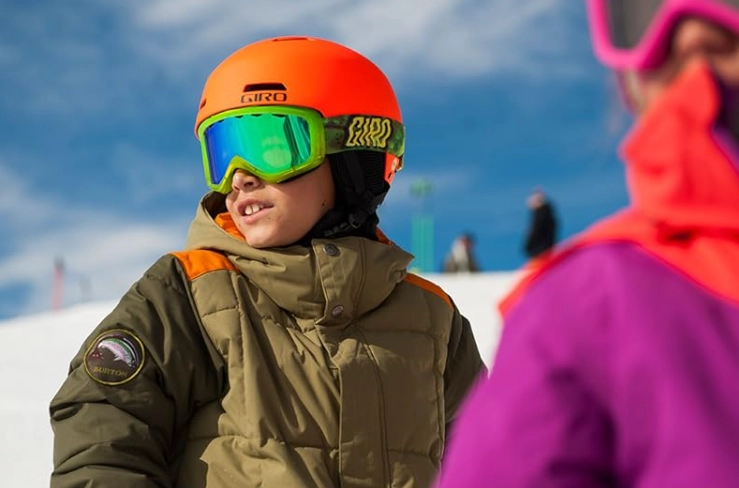
MIPS is a low-friction layer inside the helmet that allows the shell to slide slightly relative to your head during an angled impact. This motion is designed to reduce those rotational forces transferred to the brain.
Look, it adds to the cost. I grumbled about the price difference when I upgraded my kids to MIPS models. But after reading the studies from institutions linked to MIPS itself and independent analyses, I viewed it as non-negotiable for their next helmet. It's become the industry benchmark for a reason.
The Single Most Important Factor: Getting the Fit Right
You can buy the safest helmet in the world, but if it doesn't fit, it's compromised. A poorly fitting Giro kids ski helmet can be unsafe and uncomfortable, leading your kid to unbuckle it on the lift (a parent's nightmare).
Forget hat size. You must measure.
- Get a soft tape measure. A piece of string works too; just mark it and measure against a ruler.
- Wrap it around the widest part of the head, about an inch above the eyebrows, over the ears, and around the bump on the back of the skull.
- Note the measurement in centimeters. Giro and most brands use CM for sizing.
Pro Tip: Do this measurement with your child's hair styled how they'll ski (e.g., a ponytail or braids can affect fit). Measure a couple of times to be sure.
Now, match that measurement to Giro's size chart (S, M, L). Here's the critical part: the helmet should feel snug, not tight. It shouldn't cause pain or pressure points. When you have it on, grab the helmet and try to twist it side-to-side and front-to-back. Your child's head and eyebrows should move with the helmet. If the helmet spins easily on their head, it's too big.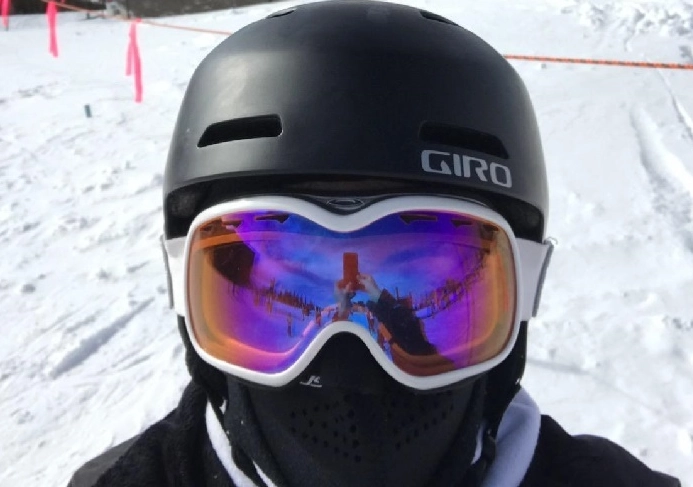
The retention system (the dial in the back) is for fine-tuning, not for making a large helmet fit a small head. It should only adjust the fit by maybe a centimeter or so.
Breaking Down the Giro Kids Ski Helmet Lineup
This is where choice gets overwhelming. Giro has a few core models, each with a different purpose. I've found the best way to understand them is to see them side-by-side.
| Feature / Model | Giro Ledge MIPS | Giro Finch MIPS | Giro Range MIPS | Giro Jackson MIPS |
|---|---|---|---|---|
| Best For | The value-conscious buyer who still wants top safety. | Younger kids, first-time skiers; lightweight & simple. | The all-mountain, do-everything kid (most popular). | The dedicated ripper who wants pro-level features. |
| Key Tech | In-Mold construction, MIPS, adjustable venting. | Super light In-Mold, MIPS, minimal venting. | Hybrid construction (tough + light), MIPS, 14+ vents. | Hardbody hybrid shell, MIPS, fully adjustable vents & audio-ready. |
| Weight | Medium | ✓ Very Light | Medium-Light | Heavier (more robust) |
| Ventilation | Good (adjustable) | Basic | ✓ Excellent (many vents) | ✓ Excellent & fully adjustable |
| Goggle Clip | Yes | No | ✓ Yes (integrated) | ✓ Yes (integrated) |
| Audio Compatible | No | No | Optional (requires separate kit) | ✓ Yes (ready for audio liners) |
| My Take | A solid, no-frills workhorse. You get MIPS safety without paying for extras you might not need. | Perfect for toddlers. Lightweight is key when their necks are still small. Don't expect high-end venting. | The sweet spot for most families. Great blend of features, weight, and price. My personal go-to recommendation. | Overkill for a beginner, but fantastic for a serious junior skier who spends all day on the mountain. |
See? The Giro Range MIPS is the crowd favorite for a reason. It's the Toyota Camry of kids' ski helmets—reliable, does everything well, great value. The Finch is for your little one just starting out. The Jackson is if your kid is racing or skiing 50+ days a year and needs that burlier construction.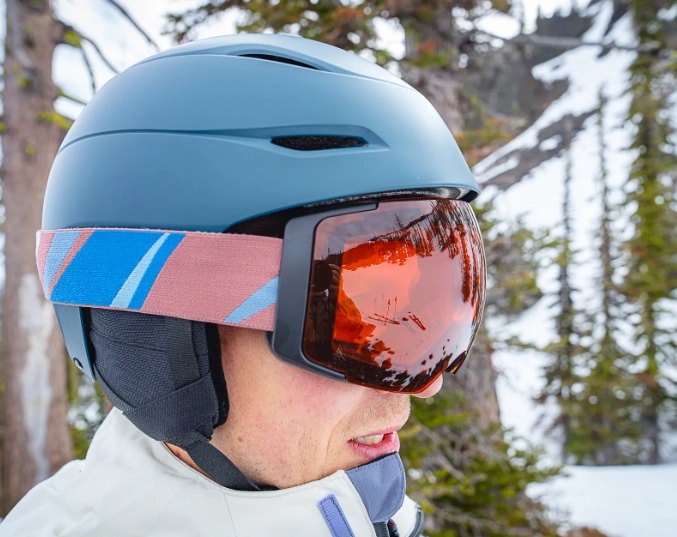
In-Mold vs. Hybrid vs. Hardbody: What's the Difference?
This gets technical, but it affects weight and durability.
- In-Mold (Ledge, Finch): The foam is bonded directly to a thin, hard outer shell. This makes it lighter and better for venting. It's great for most recreational skiing.
- Hybrid (Range): Combines an In-Mold section with a tougher ABS plastic shell over key impact zones (like the rear). Slightly heavier but more durable for frequent use and minor bumps.
- Hardbody Hybrid (Jackson): A full, tough ABS outer shell fused to the foam liner. This is the most durable and impact-resistant, but also the heaviest. Built for aggressive use.
Goggles, Liners, and the Little Things That Matter
A helmet doesn't exist in a vacuum. It has to play nice with goggles.
The dreaded gap between goggle strap and helmet is more than an aesthetic issue. It lets in cold air and snow. Most modern Giro kids ski helmets (like the Range and Jackson) have an integrated goggle clip or a channel to tuck the strap into, creating a seamless seal. This is a feature worth looking for.
Liners and hygiene: Kids sweat. A lot. Most Giro liners are removable and machine washable. This is non-negotiable in my book. A stinky helmet gets left in the closet. Check the care label, but typically, use cold water, mild detergent, and air dry. Never put the whole helmet or liner in the dryer.
Why Giro Often Wins
- Proportional Fit: Truly designed for kids' heads.
- MIPS Standard: Available across almost the entire kids' line.
- Ventilation Focus: Keeps active kids cooler.
- Removable Liners: Easy to keep clean.
- Strong Reputation: Decades of R&D in helmet safety.
Where They Might Fall Short
- Price Point: You pay for the tech; they're rarely the cheapest option.
- Fit Variability: Like shoes, some head shapes just fit other brands better (Smith, for example). Always try on if possible.
- Graphics: Subjective, but some kids might prefer the designs from brands like Anon or Burton.
Helmet Care and Lifespan: It's Not Forever
This is a safety device, not a hand-me-down jacket. The general rule from manufacturers and safety organizations like the National Ski Areas Association (NSAA) is to replace a ski helmet every 3-5 years, regardless of visible damage. The foam and materials degrade over time with exposure to sweat, UV light, and temperature extremes.
Replace it immediately if:
- It suffers any impact, even if it looks fine. The foam is designed to crush once to absorb energy. It won't perform the same way twice.
- You see any cracks, dents, or compression in the foam.
- The retention system or straps are frayed or broken.
For storage, keep it in a cool, dry place out of direct sunlight. Don't leave it in a hot car trunk all summer.
Your Giro Kids Ski Helmet Questions, Answered
Can my child wear a bike helmet for skiing?
No. Absolutely not. Bike helmets are certified for different impact speeds and types. They are not designed for the cold weather performance, the potential for multiple impacts in a crash, or the compatibility with ski goggles. A proper Giro kids ski helmet is built for winter sports physics.
Should the helmet cover the forehead?
Yes. When properly fitted, the front rim of the Giro kids ski helmet should sit about one inch (or two finger widths) above the eyebrows. This protects the frontal bone, a critical area.
My child's head is between sizes. Should I size up or down?
Always start with the smaller size and use the adjustment dial to see if you can achieve a snug fit. It's much safer to have a slightly snug helmet that breaks in a little than a too-large helmet that can shift in a crash. If the smaller size is painfully tight even with the dial fully open, then try the larger size.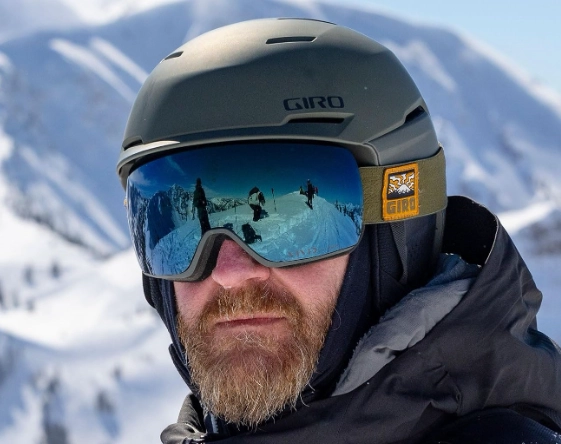
Are the more expensive Giro models really safer?
All Giro kids ski helmets that meet ASTM/CE standards provide a high level of baseline protection. The higher price usually buys you additional safety tech (like MIPS), better materials for durability and weight, and comfort features (ventilation, fit systems). So, a $200 helmet isn't necessarily "safer" in a lab test of a single direct impact than a $100 model with the same certifications, but it may offer broader protection (e.g., rotational impacts via MIPS) and will likely be more comfortable and durable.
Can I buy one used or accept a hand-me-down?
I strongly advise against it. You have no knowledge of its history. It could have been in a crash that compromised the foam with no visible damage. The materials also age. For a critical safety item, buy new so you know its full history and lifespan.
The Final Run: Making Your Decision
Choosing a Giro kids ski helmet boils down to a few clear steps.
- Measure your child's head. Accurately.
- Set your non-negotiables. For me, it's MIPS and a removable/washable liner. For you, it might be a specific price point or weight.
- Pick your model based on activity level. Finch for the little beginner, Range for the all-mountain kid, Jackson for the aspiring pro.
- Fit, fit, fit. If you can't try it on in person, buy from a retailer with a great return policy. Go through the fit checklist: snug, no pressure points, moves with the head.
- Pair it with good goggles that seal properly against the helmet.
At the end of the day, seeing my kids confidently strap on their helmets, comfortable and protected, is worth every bit of research. A Giro kids ski helmet is an investment in their safety and their enjoyment of the mountain. You're buying peace of mind, so you can focus on the fun parts—like watching them nail their first blue run or chase you through the trees.
Just don't let them beat you to the lift line.