In This Guide
Let's cut to the chase. Figuring out how to size a ski helmet for a child isn't about guesswork or hoping they'll "grow into it." Get it wrong, and you're compromising the single most important piece of safety gear they'll wear on the mountain. Too loose, and it can shift or come off in a fall. Too tight, and they'll hate skiing before they even get off the lift. I've seen both happen. My own kid once spent a whole morning complaining of a headache because I misjudged the fit, thinking a snug helmet was a safe helmet. It wasn't.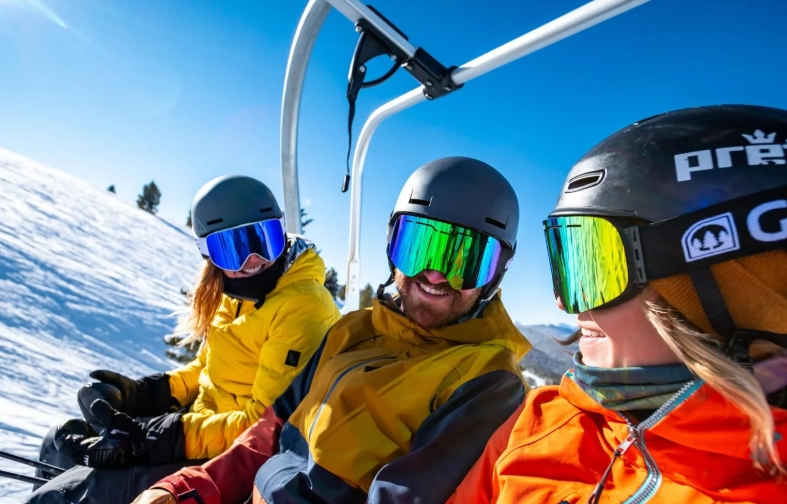
So, how do you size a ski helmet for a child correctly? It's a mix of precise measurement, understanding brand quirks, and knowing what a proper fit feels like on their head. It's more than just matching a number to a chart. This guide walks you through every step, from the tape measure to the final buckle click, so you can buy with confidence.
Step 1: The Measurement – Getting the Number Right
Forget the old "hat size" method. We need precision here. Grab a soft, flexible measuring tape—the kind a tailor uses. If you don't have one, use a piece of string and then measure the string against a ruler. It's worth buying a tape, though; they're cheap.
Here's exactly what to do:
- Wrap the tape around the widest part of their head. This is typically about one finger width above the eyebrows, just above the ears, and around the bump at the back of the skull (the occipital bone).
- Keep the tape level all the way around. Don't let it dip down in the back.
- Pull it snug, but not tight enough to indent the skin or pull their hair. You want the tape to be in contact with the head all the way around.
- Read the measurement in centimeters. The ski industry uses centimeters for helmet sizing. Write it down.
Do this two or three times to be sure. Kids wiggle. Measure in centimeters. Got it? Good. That's your golden number.
Step 2: Decoding the Size Chart Jungle
This is where most parents get tripped up. You have a number—say, 52cm. You look online and see a helmet labeled "52cm." Seems simple, right? Not quite.
Brands have different interpretations of size ranges. A 52cm head might be a Medium in Giro, a Large in Smith for toddlers, and sit right on the line between sizes in a POC helmet. You must check the specific size chart for the specific helmet model you're looking at. Never assume.
Here’s a simplified comparison to show you what I mean. These ranges are approximate and always check the manufacturer's site.
| Brand (Example) | Typical X-Small Range (cm) | Typical Small Range (cm) | Typical Medium Range (cm) |
|---|---|---|---|
| Giro (Junior Models) | 47-50 | 51-54 | 55-58 |
| Smith (Scope Jr.) | 48-51 | 52-55 | 56-59 |
| POC (Obex Jr.) | 49-52 | 53-56 | |
| Salomon (MTN Jr.) | 48-51 | 52-55 | 56-59 |
See the variation? A 52cm head is a solid Small in Giro, but at the very top end of an X-Small in POC. If your child's measurement is at the extreme top or bottom of a brand's range, you need to be extra careful. Sometimes sizing up is better, sometimes staying at the lower size is fine—it depends on the helmet's internal shape.
Which brings me to a key point: round vs. oval head shapes. Some brands build for more rounded heads (often European brands), others for longer oval shapes. If a helmet feels tight front-to-back but loose side-to-side, or vice versa, it's a shape mismatch, not necessarily a size mismatch. Trying on multiple brands is the only real fix.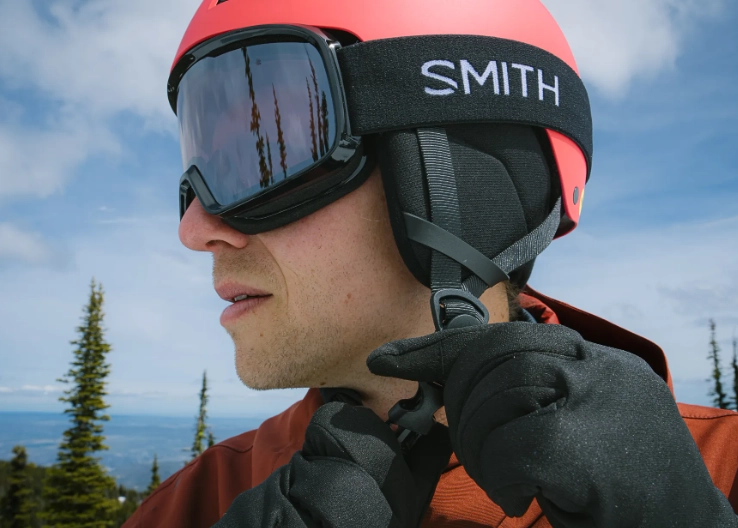
Step 3: The In-Store Fitting Ritual (Or How to Simulate It at Home)
If you can buy in person, do it. It's the best way to learn how do you size a ski helmet for a child. If you're buying online, choose a retailer with a great return policy. Order two sizes if you're unsure.
The Initial Placement
Put the helmet on their head. It should sit level, covering the forehead (about one or two finger widths above the eyebrows). It shouldn't tilt back like a baseball cap or slump down over their eyes. The ear pads should align with their ears.
The "Shake Test"
This is crucial. With the chin strap unbuckled, have your child look down at their toes, then shake their head side-to-side and up-and-down vigorously. A properly fitting helmet should not shift or rotate on their head. If it slides around, it's too big. No amount of strap tightening will fix a shell that's too large.
Checking for Pressure Points
Now, have them wear it for a good 5-10 minutes. Walk around the store or your living room. Ask them specific questions: "Does it feel tight anywhere? Do you feel a hot spot on your forehead? On the sides?" Don't just ask "Does it feel okay?" Kids often say yes to get it over with. Press gently on the sides and top of the helmet. There should be uniform, firm pressure. Not a vise-like squeeze, but no major gaps either.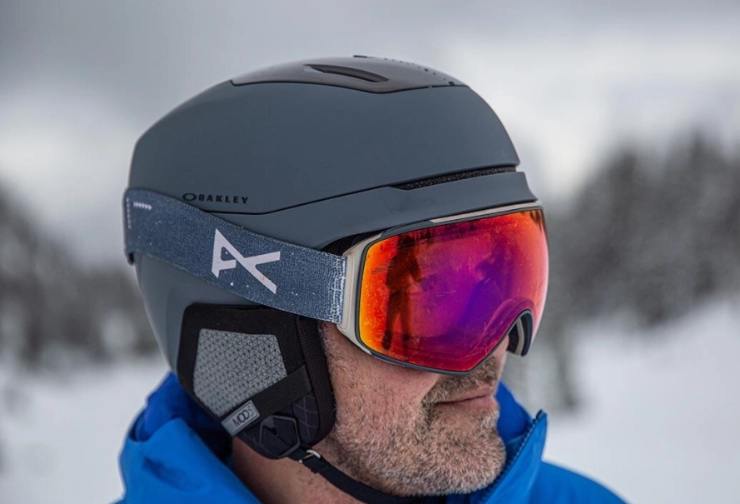
The Strap and Buckle
Buckle the chin strap. It should form a "V" shape under each ear. The strap should be snug against the jaw, allowing only one or two fingers to fit between the strap and their chin. Make sure the buckle doesn't dig into their neck or chin. Teach them how to use the buckle themselves—it's a good safety habit.
Step 4: The Fine-Tuning (It's Not Just On or Off)
Modern kids' ski helmets almost always have some form of adjustment system. This is not for sizing a too-big helmet down. It's for micro-adjustments to get the perfect fit.
- Dial Fit Systems: A wheel at the back that tightens a inner cage or band. This is fantastic for fine-tuning the circumference. Turn it until you get that even pressure.
- Adjustable Liners/Pads: Many helmets come with interchangeable cheek pads and/or crown pads of different thicknesses. If the helmet is just a hair too roomy, you can swap in thicker pads. This is also how you accommodate a growth spurt—swap to thinner pads as their head grows, extending the helmet's useful life.
- Vertical Adjustment: Some allow you to raise or lower the internal cradle for better brow coverage.
Play with these features. They make a huge difference in comfort and safety. A helmet that you can customize to your child's unique head shape is worth the extra few dollars.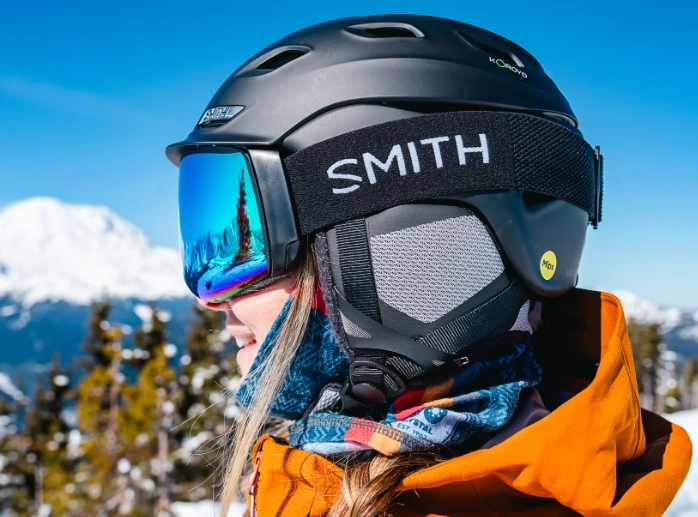
Special Considerations & Common Parent Questions
Here’s where we dive into the stuff that keeps parents up at night.
How much growth room is okay?
This is the million-dollar question. The safety standard is clear: a helmet must fit correctly now. You can't buy a size up. However, using the adjustable fit systems and swap-pad technology, you can often get a solid 1-2 seasons out of a helmet if you buy it fitting perfectly on the initial smaller pad set. When the adjuster is fully open and the pads are at their thinnest, and it's still snug, it's time for a new one. A helmet that's outgrown is not safe.
Goggles and Helmet compatibility
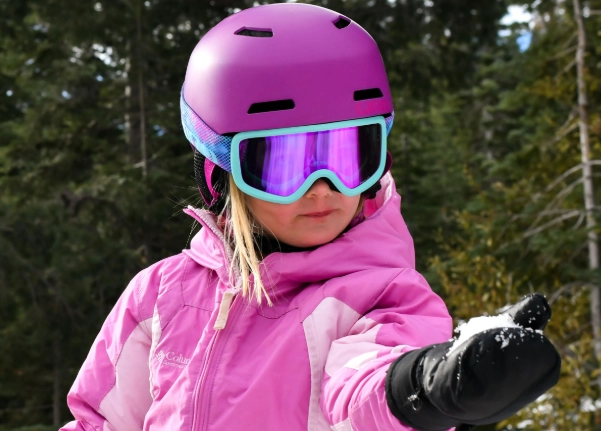
It's not just about looks. Bring the goggles (or buy them together). The helmet should have a seamless interface with the goggle strap. No gap between the top of the goggle and the helmet brow (this is called "gaper gap" and it lets in cold air and snow). Many helmets have a notch or clip to hold the strap. A good seal keeps them warmer and happier.
What about MIPS or other safety tech?
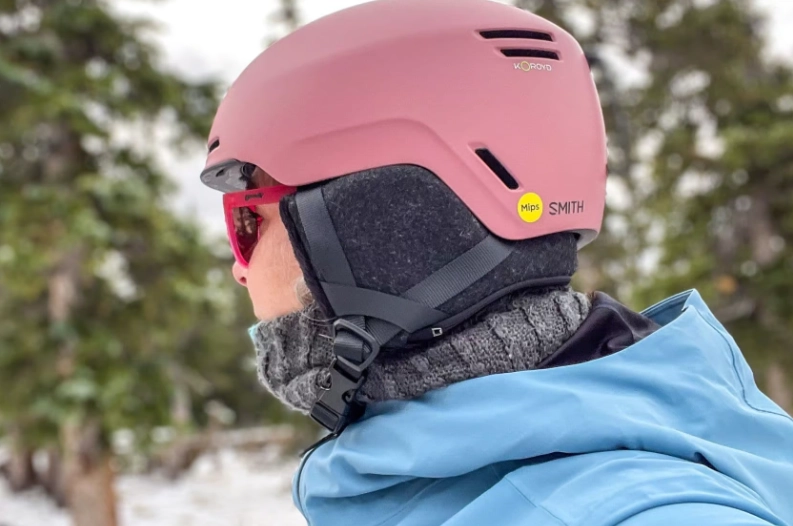
MIPS (Multi-directional Impact Protection System) is a low-friction liner designed to reduce rotational forces to the brain in certain impacts. It's become very common in kids' helmets. I think it's a worthwhile investment for the added layer of protection, and many mid-range helmets now include it. Other technologies like BÖRGE, SPIN, or WaveCel offer similar rotational protection concepts. Look for them, but don't sacrifice proper fit for a specific technology. A perfectly fitting basic helmet is safer than a poorly fitting MIPS helmet. Organizations like the Snowsports Industries America (SIA) emphasize fit as the foundational safety factor.
Can I use a bike helmet for skiing?
Absolutely not. Bike helmets are designed for different impact velocities and, crucially, are not designed for cold weather. The materials in a ski helmet liner are made to perform in freezing temperatures. A bike helmet's foam can become brittle and less effective. Ski helmets also cover more of the head, especially the ears, for warmth and protection. It's a dedicated tool for a dedicated job.
When must a helmet be replaced?
Immediately after any significant impact, even if you can't see damage. The foam is designed to crush once to absorb energy. It's done its job. Also replace it if it's outgrown, or if it's more than about 5 years old. Materials can degrade over time with exposure to sweat, UV light, and temperature cycles. I write the purchase date inside my kid's helmet with a permanent marker.
Putting It All Together: A Fitting Checklist
Before you click "buy" or walk out of the shop, run through this list:
- ✓ Measured head circumference in cm: ______
- ✓ Checked against the specific brand/model size chart.
- ✓ Helmet sits level, 1-2 fingers above eyebrows.
- ✓ Passes the "shake test" (no movement on head).
- ✓ Applies even pressure, no painful hot spots after 10 mins.
- ✓ Chin strap forms a "V" under ears, snug under jaw.
- ✓ Adjustable fit system (dial, pads) used to fine-tune.
- ✓ Goggles interface cleanly, no major gap.
- ✓ Child does not complain of immediate discomfort.
It seems like a lot, but after you do it once, it becomes second nature. The goal isn't just to buy a helmet. It's to buy confidence. Confidence that if they take a tumble learning to pizza down the bunny hill, or catch an edge as they get faster, their head is as protected as it can be.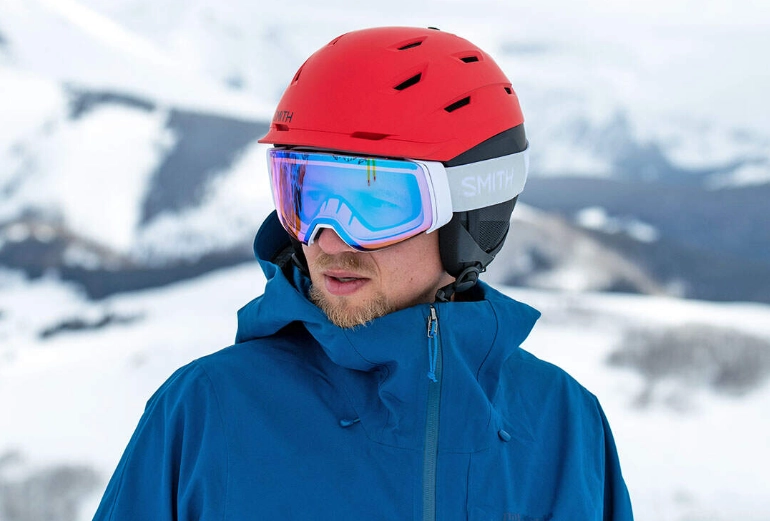
The process of how to size a ski helmet for a child is part science, part feel, and 100% non-negotiable. Don't rush it. A well-fitted helmet is comfortable, which means they'll keep it on. And a helmet that's on is the only one that works.
Now you know what to do. Go measure that head.