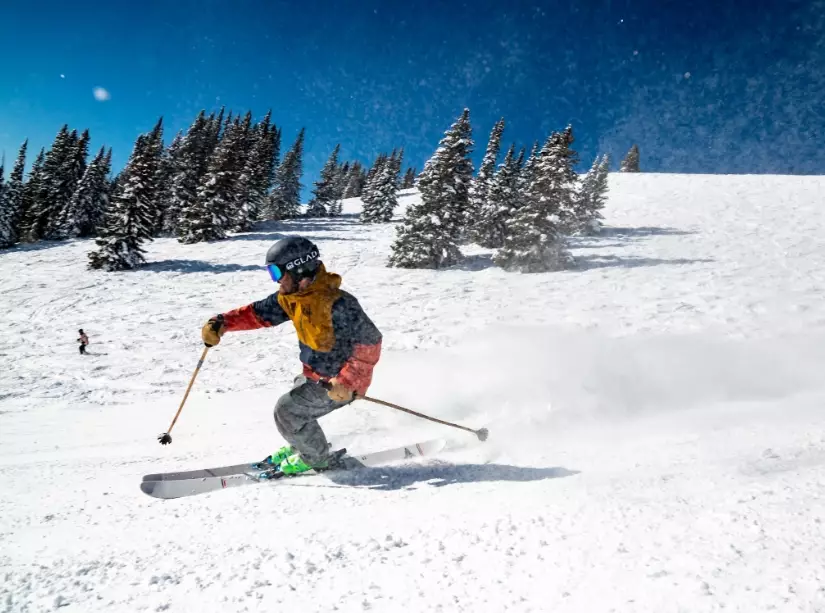
Let's cut to the chase. Choosing a ski jacket brand isn't about picking the flashiest logo or the one your friend has. It's about matching engineering to your specific type of skiing. A backcountry enthusiast needs something radically different from a resort park skier, and the wrong choice can range from uncomfortable to dangerous. I've spent over a decade testing gear in everything from Colorado blizzards to Japanese powder, and the brand hype often obscures what really matters.
Your Quick Guide to Ski Jacket Brands
The Performance Kings: Brands Built for Technical Demands
These are the brands where function is the only religion. They're for skiers who push limits, whether that's hiking a chute, facing sideways winds, or spending all day in a storm. The price is high, but so is the R&D.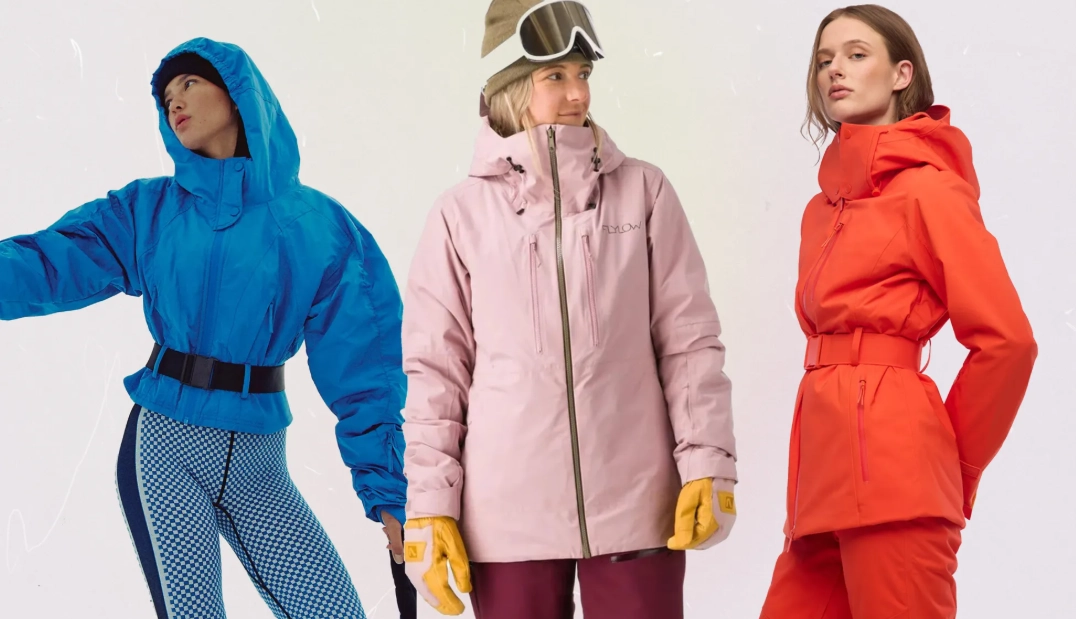
Arc'teryx: The Uncompromising Benchmark
You don't buy Arc'teryx for the bird logo. You buy it because you need a piece of equipment that won't fail. Their attention to detail is obsessive—seam taping, zipper garages, articulation patterns. The Alpha SV Jacket is legendary for a reason. It's built from their toughest N100p-X GORE-TEX Pro with Most Rugged Technology. Is it overkill for the average resort day? Absolutely. But if you're exposed above treeline, that overkill feels like a very reasonable safety margin.
Where they sometimes miss: Their fit is athletic, almost slim. If you layer heavily or have a broader build, it can feel restrictive. And yeah, the price makes you wince. $800 - $1000+
Patagonia: The Conscience of the Industry
Patagonia proves you can be environmentally responsible and build bomber gear. Their H2No® Performance Standard shell fabric is their own alternative to GORE-TEX, and it's brilliant—highly waterproof, incredibly breathable, and made with a focus on recycled materials. The Powder Bowl Jacket or the Granite Crest are phenomenal all-mountain choices.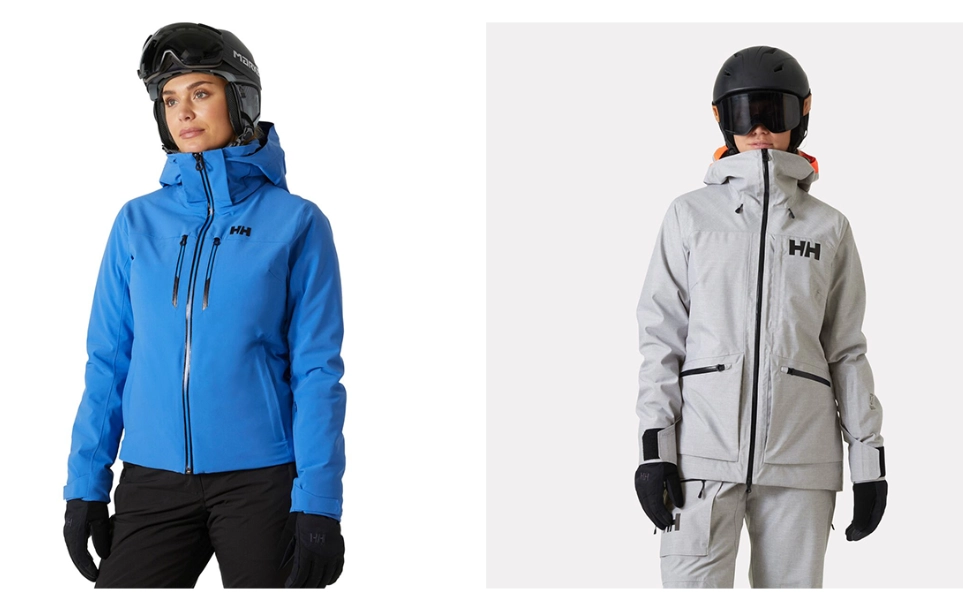
Their secret weapon? The Ironclad Guarantee. They'll repair your jacket for its usable life. I've sent in a 7-year-old shell with worn-out elastic, and they fixed it for the cost of shipping. That longevity changes the value equation completely. $300 - $600
Mountain Hardwear: The Climber's Choice for Skiing
Born from climbing, this brand brings a minimalist, weight-conscious approach. Their Dry.Q™ Elite fabric (another GORE-TEX alternative) is exceptionally light and packable. The Exposure/2™ Gore-Tex Paclite® Jacket is a go-to for ski tourers who count every gram. It's less burly than an Arc'teryx but more than enough for most scenarios and packs into its own pocket.
They excel in hybrid designs, like jackets with stretchy softshell panels in high-mobility areas. A subtle but game-changing feature on long skin tracks. $250 - $500
Style Meets Slope: Fashion-Forward Ski Jacket Brands
These brands get it: you want to look good in the lodge and perform on the mountain. They blend technical specs with streetwear aesthetics.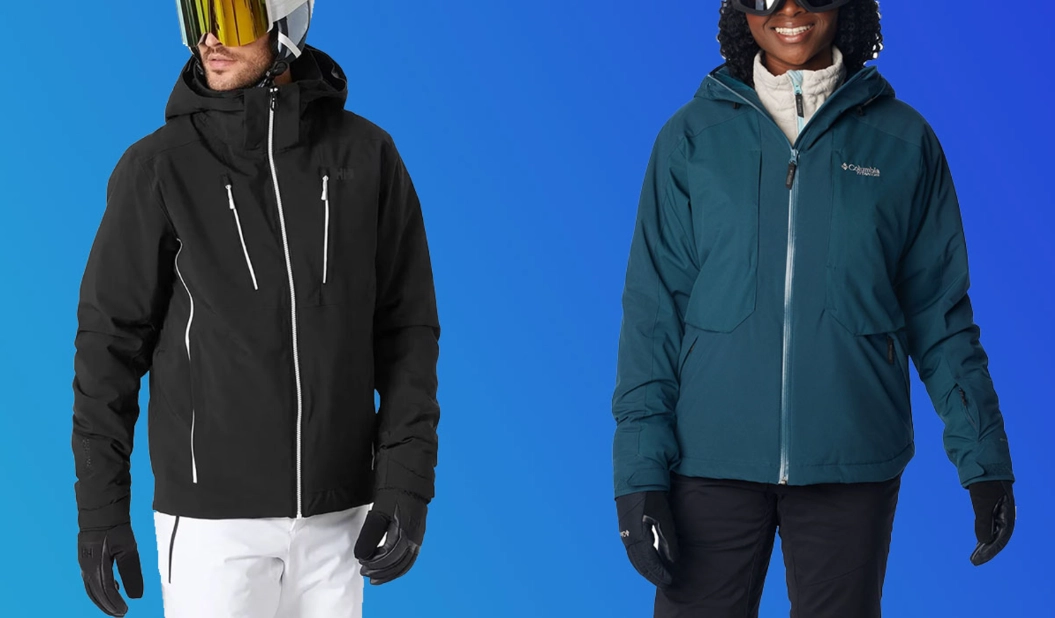
Bogner: The Heritage Luxury Player
The original ski fashion house. Wearing a Bogner is a statement. They pioneered stretch ski pants and have dressed Olympic teams. Today, their Fire + Ice line offers serious technical specs (often GORE-TEX) in cuts and colors that feel more runway than ridgeline. You're paying for heritage, premium materials (think high-end insulation, fine trims), and a distinctive silhouette. Not the choice for ultralight touring, but for the skier who values elegance as much as elevation. $1000 - $2000+
Perfect Moment: The Instagram Darling
If you see a stunning, vibrant, retro-inspired ski outfit online, it's probably Perfect Moment. They nailed the intersection of 80s-inspired style and modern function. Their jackets use quality membranes like DRYTEC (waterproof/breathable) and feature fun details like contrast piping and signature star prints. The performance is solid for resort skiing—good waterproofing, decent insulation options. The premium is for the unique, head-turning design you won't find from technical brands. $500 - $900
Moncler: The Pinnacle of (Very Expensive) Alpine Fashion
Let's be real: Moncler is in a different universe. It's a luxury fashion item that happens to be skiwear. The craftsmanship is exquisite, the down fill is world-class, and the price reflects its position as a status symbol. The technical specs are there (often GORE-TEX), but you're primarily buying into the brand's iconic quilted style and cultural cachet. For the vast majority of skiers, it's not a practical purchase—it's an aspirational one. $1500 - $3000+
The Value Champions: Smart Budget Ski Jacket Brands
High price doesn't always mean high value. These brands deliver reliable, well-thought-out performance without obliterating your bank account.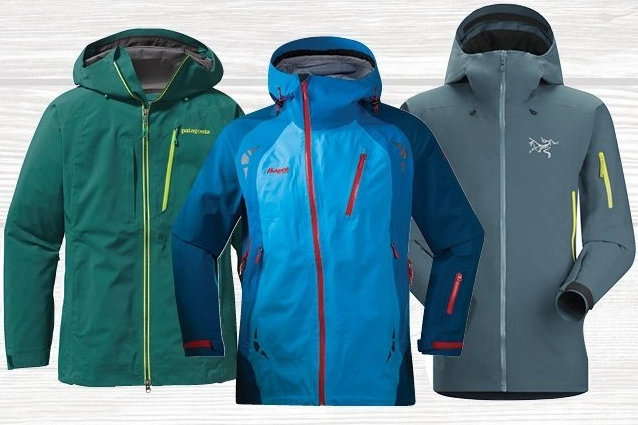
Picture Organic: The Cool, Sustainable Contender
A French brand that's grown rapidly by focusing on eco-materials (recycled fabrics, bio-based membranes) and sharp, contemporary styling. Their Lhotse 3L jacket is a standout—a fully-featured, GORE-TEX shell with a great fit and thoughtful pockets at a price that undercuts the giants. They prove sustainability doesn't have to mean compromise or a massive premium. $250 - $450
Flylow: The Independent Favorite
Born in Colorado, Flylow is beloved by ski bums and pros alike for building simple, durable, no-BS gear. Their Chemical Jacket is a cult classic—a burly, 3-layer shell with a straightforward feature set (ample pockets, great powder skirt, robust zippers). It's not the lightest, but it's built to last seasons of abuse. They focus on core skiing needs and nail them, often at a 20-30% lower price than the biggest names. $300 - $500
686: The Park & Street Skiing Specialist
If your skiing involves rails, jumps, and urban features, 686 is your brand. They pioneered technical apparel for this high-abuse environment. Their SmartYarn™ Technology integrates conductive silver fibers into the fabric for built-in, battery-free heat. Their HydraTherm™ 3-layer shells are incredibly tough to resist scuffs and tears. The styling is street-smart, and they understand the park skier's need for mobility and durability over ultralight weight. $200 - $400
How to Choose the Right Ski Jacket Brand for YOU
Forget the "best" brand. Think about the "best for me" brand. Use this quick mental checklist.
- Your Skiing Style: Resort cruiser? Backcountry explorer? Terrain park rat? This is your #1 filter.
- Your Local Climate: Icy East Coast? Wet Pacific Northwest? Deep, dry Rockies? This dictates waterproofing and insulation needs.
- Your Budget Reality: Be honest. A $300 jacket from a value brand that fits your needs is smarter than a $700 jacket you can't afford that's over-specced.
- Your Body & Fit Preference: Try them on if you can. Athletic fit (Arc'teryx) vs. regular fit (Patagonia) vs. relaxed fit (Flylow) makes a huge difference in comfort.
- Your Values: Is sustainability a priority (Patagonia, Picture)? Supporting independent brands (Flylow, 686)?
| Your Profile | Primary Need | Brands to Look At First | Key Feature to Prioritize |
|---|---|---|---|
| The Resort All-Mountain Skier | Versatility, comfort, style | Patagonia, Picture Organic, Bogner | Good waterproofing (15k-20k mm), removable or adjustable insulation |
| The Backcountry Tourer | Lightweight, breathable, packable | Arc'teryx (light shells), Mountain Hardwear, Patagonia (Ascensionist line) | High breathability (>20k g/m²/24h), minimal weight, helmet-compatible hood |
| The Freestyle / Park Skier | Durability, mobility, street style | 686, Flylow, Volcom | Abrasion-resistant fabric, articulated patterning, room for movement |
| The Budget-Conscious Beginner | Warmth, waterproofing, value | Picture Organic, 686, Columbia (outlet/previous season) | Integrated insulation, solid waterproof rating (10k mm+), simple features |
Common Mistakes When Picking a Ski Jacket Brand
I've seen these errors cost people money and comfort for years.
Mistake 1: Over-indexing on Waterproof Rating. A 30,000mm rating isn't twice as good as 15,000mm for resort skiing. Above 10,000mm is great for most conditions. Beyond 20,000mm, you're often sacrificing breathability for a spec you don't need.
Mistake 2: Ignoring Breathability. This is the silent killer of comfort. A non-breathable jacket turns you into a sweaty mess on the lift or during any exertion. Look for a Breathability Rating (like 15,000g/m²/24h or higher). For active skiers, this is more important than an ultra-high waterproof rating.
Mistake 3: Buying for the Logo, Not the Fit. The most technically advanced jacket is useless if it's tight across your shoulders or the sleeves are too short. Fit affects mobility, layering ability, and overall comfort all day.
Mistake 4: Assuming Price = Performance for You. That $900 Arc'teryx shell is engineered for extreme alpinism. If you're doing blue cruisers, a $350 shell from Patagonia or Flylow will perform identically for your use case and save you $550.
Your Burning Questions on Ski Jacket Brands Answered
Which ski jacket brand offers the best warmth for extremely cold resort days?
Look for brands specializing in insulated jackets, not just shells. Patagonia's insulated snow jackets (like the Insulated Powder Bowl) use high-quality, responsibly sourced down or synthetic Thermogreen® insulation. Arc'teryx's Atom AR or Fission SV lines are masterclasses in targeted synthetic insulation, keeping core warmth without bulk. For pure, no-compromise warmth on a budget, The North Face's 700-fill down jackets are hard to beat, though their breathability can suffer during high output.
Is it worth buying a GORE-TEX jacket over a brand's own waterproof fabric?
GORE-TEX is a guaranteed, tested standard—you know exactly what you're getting. Brand-owned fabrics (like Patagonia's H2No, Mountain Hardwear's Dry.Q) can be excellent and are often more affordable. The key is to check the specific performance numbers (waterproof & breathability ratings) and read real-world reviews. For 95% of skiers, a top-tier proprietary membrane from a reputable brand is more than sufficient and can offer better value.
What's a good ski jacket brand for someone who runs hot and sweats a lot?
You need maximum breathability and ventilation. Prioritize brands focusing on air-permeable membranes. Mountain Hardwear (Dry.Q Elite) and Patagonia (H2No Performance Standard) are leaders here. Look for jackets described as "highly breathable" with pit zips that are long and easy to operate with gloves on. Avoid heavily insulated jackets; opt for a shell you can layer underneath with a lightweight, breathable mid-layer like a fleece.
How important is sustainability when choosing a ski jacket brand, and who does it best?
It's becoming crucial. The ski industry relies on a healthy environment. Brands leading here use recycled nylon/polyester, PFC-free DWR (durable water repellent) finishes, and fair labor practices. Patagonia is the benchmark, with its Worn Wear program and material transparency. Picture Organic is built from the ground up on eco-principles. Arc'teryx has strong repair programs. Don't just trust marketing—look for specific certifications like Bluesign® or details on recycled content percentages on the product page.
Can I get a durable, functional ski jacket for under $250?
Yes, but you need to be strategic. Focus on previous season's models from brands like 686 or Picture Organic on sale. Also, look at value-focused lines from bigger brands. Columbia's OutDry® Extreme technology (where the membrane is on the outside) offers incredible waterproofing for the price, though the fit and style can be boxier. At this price point, you'll likely compromise on features (fewer pockets, simpler powder skirts) and ultralight materials, but you can absolutely find a jacket that keeps you dry and warm.