In This Guide
- Why Even Bother? The Allure of a Ski Season Abroad
- What Kind of Jobs Are We Actually Talking About?
- The Million-Dollar Question: Visas and Work Permits
- The Hunt: Where and How to Find These Jobs
- Money, Money, Money: Salary and Cost of Living Reality Check
- Life on the Mountain: The Good, The Bad, The Ugly
- Final Thoughts: Is It Worth It?
Let's cut straight to the chase. You're dreaming of a winter spent in the mountains, of crisp air, epic views, and maybe even some free skiing on your days off. You've typed "ski resort jobs for foreigners" into Google a dozen times, sifting through glossy resort ads and vague promises. I get it. I was there too, years ago, clicking on every link, wondering if it was actually possible.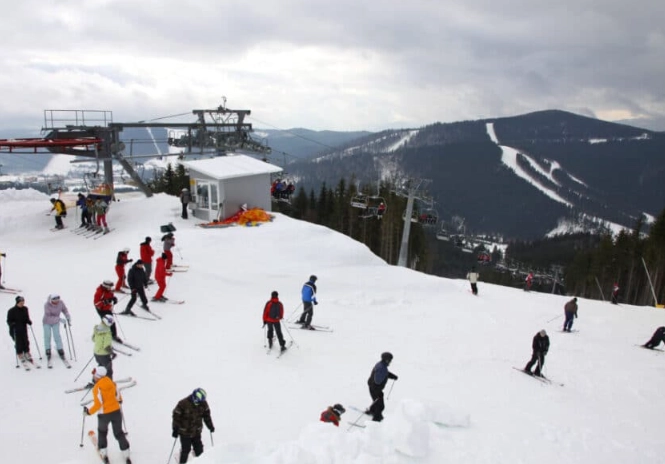
Well, it is. But the picture isn't always the postcard-perfect one you might imagine. It's a mix of incredible highs, exhausting lows, and a lot of practical stuff in between that nobody really talks about online. This guide isn't here to sell you a fantasy. It's here to give you the honest, detailed, and frankly, sometimes messy truth about finding and working a ski resort job as a foreigner. We'll cover the good, the bad, the how-to, and the "what was I thinking" moments so you can make a decision with your eyes wide open.
Think of this as a long chat with a friend who's been through it all – the visa headaches, the interview weirdness, the magic of a perfect powder day on your day off, and the reality of serving fries to a hundred hungry skiers.
Why Even Bother? The Allure of a Ski Season Abroad
Before we dive into the nitty-gritty of job boards and work permits, let's talk about the "why." Because without a solid "why," the first time you have to wake up at 4:30 AM to drive a shuttle bus in a blizzard, you'll quit. The appeal of ski resort jobs for foreigners goes way beyond just a paycheck.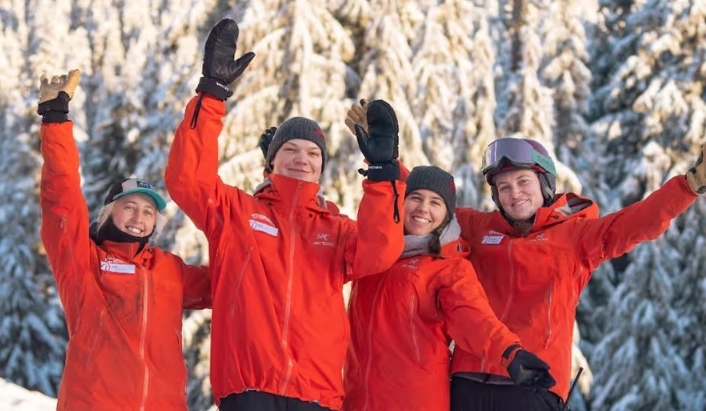
First, there's the lifestyle. You're living where other people pay thousands to vacation. Your backyard is a world-class ski field. Your social circle is an instant, international community of like-minded people who are there for the same reason. It's a bubble, for sure, but it's a fun one.
Then there's the travel aspect. For many, a ski season is a structured way to live abroad. It solves the two biggest problems travelers face: money and a place to stay. You get a job (money) and often staff accommodation (a place to stay), which is a golden ticket for exploring a new country in your free time.
And let's be honest, it looks great on a resume. It shows adaptability, customer service skills, the ability to work in a high-pressure, international environment, and a dose of independence. Employers in all sorts of fields love seeing that someone had the initiative to do something different.
But.
It's not a holiday. I need to stress this. You will work hard, often in long shifts, during the busiest times of the year (Christmas, New Year's, school holidays). The hours can be antisocial. The pay, as we'll see, is usually just okay. And living in staff accommodation is a… unique experience. Think university dorms, but with more damp ski gear and questionable cooking smells.
What Kind of Jobs Are We Actually Talking About?
When you search for ski resort jobs for foreigners, you'll see a huge range. Not all require you to be an Olympic-level skier. In fact, most don't. Resorts are essentially small, bustling towns that need all the services of a town, just on a mountain.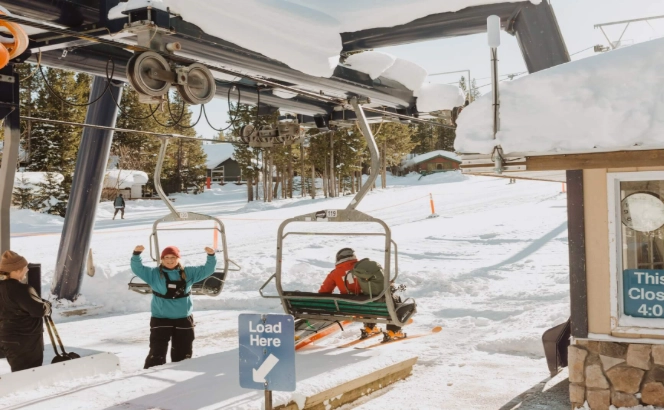
Here’s a breakdown of the main categories. I've thrown in some personal observations on each.
Front-of-House & Hospitality Roles
This is the biggest bucket and where most foreigners start. These jobs are all about interacting with guests.
- Lift Operator: The classic. You scan passes, load chairs, manage lines, and make sure people don't do anything stupid getting on or off. It's shift work, you're outside in all weather, but you get to know the mountain intimately and usually get great ski breaks. Can be monotonous, but the people-watching is top-tier.
- Ski/Snowboard Instructor: The dream job for many. Requires certification (which costs money and time to get). If you're not certified, don't expect to get hired to teach. Some resorts hire uncertified "instructor assistants" for kids' programs, but the pay is lower. You need endless patience and a love for teaching.
- Guest Services / Reception: Working at the hotel front desk, in the rental shop, or at the resort's main info center. These roles require good people skills, organization, and often language skills. Less physically demanding, more mentally draining dealing with complaints and questions.
- Food & Beverage (F&B): Server, bartender, barista, kitchen hand, cook. Every resort has dozens of restaurants, bars, and cafeterias. These jobs are in high demand because the skills are transferable. Tips can significantly boost your income, especially in North America. Expect late nights.
Behind-the-Scenes & Operational Roles
These keep the resort running. You might not be as guest-facing, but you're crucial.
- Mountain Operations: Groomer driver (driving the big machines that smooth out the slopes at night), snowmaker, vehicle mechanic. These often require specific licenses or experience. Highly valued, often better pay, but very specialized.
- Retail: Working in the resort's ski shop, clothing store, or convenience store. Good if you have retail experience and product knowledge.
- Housekeeping & Maintenance: Cleaning hotel rooms, maintaining staff housing, general repairs. Not glamorous, but usually in constant demand and can offer more consistent hours.
- Administration & Office Work: HR, marketing, finance, reservations. These are more competitive, often filled locally or by people with prior seasonal experience at the resort. Harder to land as a first-timer from abroad.
So, which one is for you? Ask yourself: Do I want to be outside or inside? Do I thrive on guest interaction or prefer a task-focused role? How physically fit am I?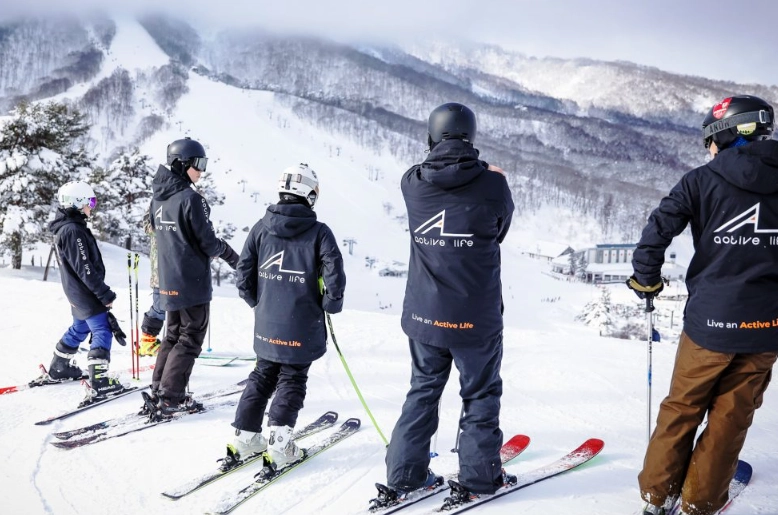
My first job was in a huge mountain-top cafeteria. I called it "organized chaos." I served hundreds of bowls of chili a day, my feet ached, and the uniform was hideous. But my coworkers were from Chile, Australia, and France. We'd sneak out for a few runs on our break when the boss wasn't looking. The sense of camaraderie was unbeatable. Just don't ask me to look at another bowl of chili.
The Million-Dollar Question: Visas and Work Permits
This is the single biggest hurdle and the point where most dreams of ski resort jobs for foreigners hit a wall. You can't just show up and start working. Each country has its own complex rules. I am not a lawyer, and this is general information – you MUST check the official government websites for the absolute latest, most accurate rules.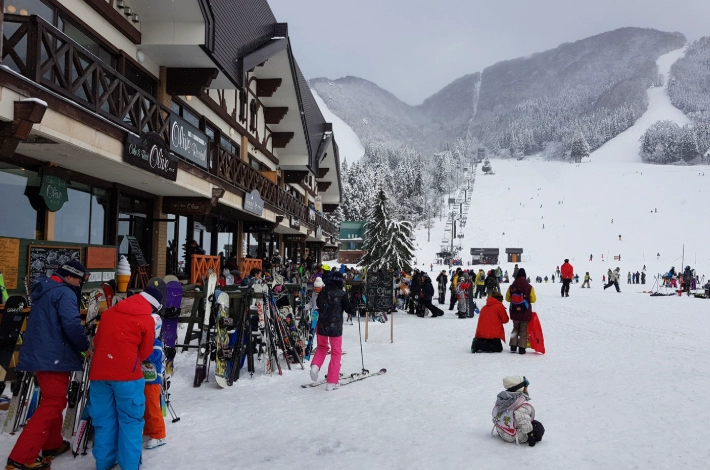
Here’s a simplified table to give you a starting point. It's based on common programs used by seasonal workers.
| Country | Common Visa/Permit for Seasonal Ski Work | Key Points & Gotchas | Official Source to Check |
|---|---|---|---|
| USA | J-1 Exchange Visitor Visa (Summer Work Travel or Intern categories) | Must go through a designated sponsor organization (like InterExchange or CIEE). They help with visa paperwork and often job placement for a fee. The job must be related to your field of study or career path for the Intern category. Strict timelines. | U.S. Department of State - J-1 Visa |
| Canada | International Experience Canada (IEC) – Working Holiday | A lottery system for many countries. You get an open work permit valid for 1-2 years. You find the job yourself. Limited spots, apply early (usually opens in late fall). Some countries have a Recognized Organization (like SWAP or IEP) that can help. | Immigration, Refugees and Citizenship Canada (IRCC) - IEC |
| New Zealand | Working Holiday Visa | Relatively straightforward for eligible nationalities (age usually 18-30/35). Allows you to work for any employer for up to 12 months. You find the job. Proof of funds required. Very popular for ski seasons in the Southern Hemisphere (their winter is June-Oct). | Immigration New Zealand - Working Holiday |
| Japan | Working Holiday Visa (for certain countries) / Specified Skilled Worker / Instructor Visa | Working Holiday is the easiest if your country has an agreement (e.g., UK, Australia, Canada). Otherwise, it's tough. An Instructor Visa requires a job offer from a licensed ski school and proof of certification. The process is not simple. | Ministry of Foreign Affairs of Japan - Visa |
| European Alps (France, Switzerland, Austria, Italy) | EU/EFTA Freedom of Movement / Seasonal Work Visa for non-EU | If you're an EU citizen, it's easy. For non-EU (e.g., Americans, Australians), it's very difficult. Quotas are small, and the job must be offered to EU citizens first. Sometimes possible through a transfer with a large international hotel chain or as a highly qualified instructor with a firm job offer. A real challenge. | Check the immigration website of the specific country (e.g., France, Switzerland) |
See what I mean? It's a maze.
The visa process is frustrating, expensive, and time-consuming. You need to start researching this almost a year in advance for some countries. A lot of people give up here. Don't let that be you—just get organized early.
Pro Tip: Your nationality is your biggest factor. An Australian has far more working holiday options than an American. Be brutally realistic about your visa options before you fall in love with a resort in the Swiss Alps.
The Hunt: Where and How to Find These Jobs
Okay, you've figured out which countries you can legally work in. Now, how do you actually find ski resort jobs for foreigners? It's a mix of big job boards, going direct, and a bit of luck.
Major Job Boards & Aggregators
- Coolworks: The granddaddy of seasonal job sites, especially for North America. Tons of listings from resorts big and small. Filter by state, job type, etc. A fantastic starting point.
- Resort Career Pages: Never underestimate the power of going direct. Find the website of the resort you're interested in (e.g., Whistler Blackcomb, Vail Resorts, Niseko United) and look for their "Careers" or "Jobs" section. Big resort corporations like Vail Resorts have centralized hiring portals.
- Country-Specific Sites: For New Zealand, Seek.co.nz and TradeMe Jobs are essential. For Canada, Indeed.ca and Workopolis are good.
- Specialized Instructor Recruitment: If you're a certified instructor, look at agencies like Natives (UK-based, places instructors globally) or resort-affiliated ski school recruiters who tour internationally.
The Application Process: It's Weird
Applying for a ski job isn't like applying for an office job. Your resume matters, but so does your vibe.
Most initial interviews are done over video call (Zoom, Skype). They're looking for enthusiasm, resilience, and personality as much as experience. Can you handle a difficult guest with a smile? Will you be a positive addition to the staff housing? Are you actually excited about the mountain life, or just looking for any job abroad?
Be ready to answer questions like:
- "Why do you want to work at THIS resort specifically?" (Do your research!)
- "Tell me about a time you dealt with a stressful customer situation."
- "What does working as part of a team mean to you?"
- "How do you handle living in close quarters with people from different cultures?"
Have questions for them too! Ask about staff culture, typical shift patterns, opportunities for progression during the season, what the staff housing is actually like (get photos if you can). This shows you're serious.
Money, Money, Money: Salary and Cost of Living Reality Check
Let's talk numbers. You're not doing this to get rich. You're doing it for the experience. But you need to survive.
Salaries for entry-level ski resort jobs for foreigners are generally low to minimum wage. In the US, that might be $12-$18 per hour plus tips (for F&B). In Canada, maybe CA$16-$22. In New Zealand, NZ$22-$27.
The game-changer is often the benefits package, which usually includes:
- Season Pass: Free or heavily discounted access to the ski slopes. This is huge—a season pass can cost over $1000.
- Staff Accommodation: Subsidized housing. This is the other critical piece. Finding affordable housing in a ski town is nearly impossible for outsiders. Staff housing solves this, but it's often basic, shared (dorm-style rooms or shared apartments), and comes with rules.
- Food Discounts: Discounts at resort-owned eateries.
- Uniform: Usually provided.
Here’s a rough, very generalized monthly budget for a first-year foreign worker in North America:
| Income (approx after tax) | Expenses |
|---|---|
| $1,800 - $2,400 | Rent (Staff Housing): $400 - $800 Food/Groceries: $300 - $500 Phone/Internet: $50 - $100 Transport (if no staff shuttle): $0 - $100 Ski Gear Maintenance: $50 Social Life/Incidentals: $200 - $400 |
| Total Expenses: ~$1,000 - $1,950 |
As you can see, it's tight. You might save a little, but more likely you'll break even or dip into savings for travel before/after the season. The value is in the experience and the benefits, not the bank balance.
Watch out for housing scams! If a "resort" offers you a job but asks you to wire money for a housing deposit before you have a formal contract, it's likely a scam. Legitimate companies deduct housing costs from your paycheck, not via Western Union.
Life on the Mountain: The Good, The Bad, The Ugly
You've got the job, the visa, you've landed. Now what?
The Good
The community is instant and intense. You'll make friends from all over the world. The access to skiing/riding is phenomenal—first tracks on a powder day because you're already up there. The scenery never gets old. You learn new skills, from dealing with people to maybe even learning a bit of another language. The stories you'll collect are priceless.
The Bad and The Ugly
It can be isolating. The resort bubble is real. You might be hours from a major city. Cabin fever is a thing. The work is repetitive and can be physically grueling. Guests can be entitled and rude, especially when they've spent a lot of money and the weather is bad.
Staff housing… well. It can be wonderful chaos or a nightmare, depending on your roommates. Thin walls, shared bathrooms, kitchen dramas. It's a lottery.
And then there's the "seasonal blues." The season has a clear end date. In April or May, everyone scatters back to their home countries. Those intense friendships can fade quickly, which can lead to a real crash after the high of the season.
It's a rollercoaster.
Frequently Asked Questions (The Stuff You're Secretly Googling)
Final Thoughts: Is It Worth It?
Looking back, with all the early mornings, the sore muscles, the occasional miserable guest, and the questionable staff cafeteria food… would I do it again?
In a heartbeat.
The search for ski resort jobs for foreigners is a journey in itself—frustrating, confusing, but ultimately rewarding. It forces you to be organized, persistent, and brave. The actual season will test you in ways you don't expect, but it will also give you memories, skills, and friendships that last far longer than your tanned ski goggle lines.
So, do your visa homework early. Apply to lots of places. Be genuine in your interviews. Pack warm socks and a good attitude. Go in with realistic expectations, ready to work hard and play hard. The mountain life isn't for everyone, but if it's for you, it might just be one of the best decisions you ever make.
Now, what are you waiting for? The mountains are calling. Just make sure you've got your work permit sorted first.