Quick Guide
- The Not-So-Pretty Side: Environmental Impacts You Can't Ignore
- The Green Shift: How Ski Resorts Are Trying to Do Better
- Green Certifications: Cutting Through the Greenwash
- Your Role as a Skier: How to Choose and Champion Green Resorts
- Common Questions About Ski Resorts and the Environment
- The Bottom Line: A Spectrum, Not a Yes/No
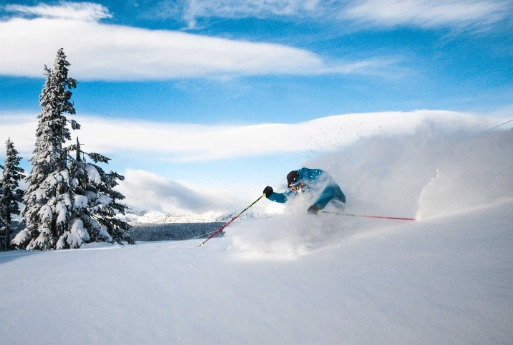
Let's be real from the start. That picture-perfect Instagram shot of pristine white slopes against a bluebird sky? It often hides a much messier environmental story. I remember my first season working at a big resort in the Alps. The sheer scale of the operation—the groomers running all night, the endless lines of cars, the mountains of waste after a busy day—it was a wake-up call. So, are ski resorts environmentally friendly? The short answer is: it's complicated, and often the default isn't great. But the more important question is, are they getting better, and can you, as a skier or snowboarder, make choices that matter?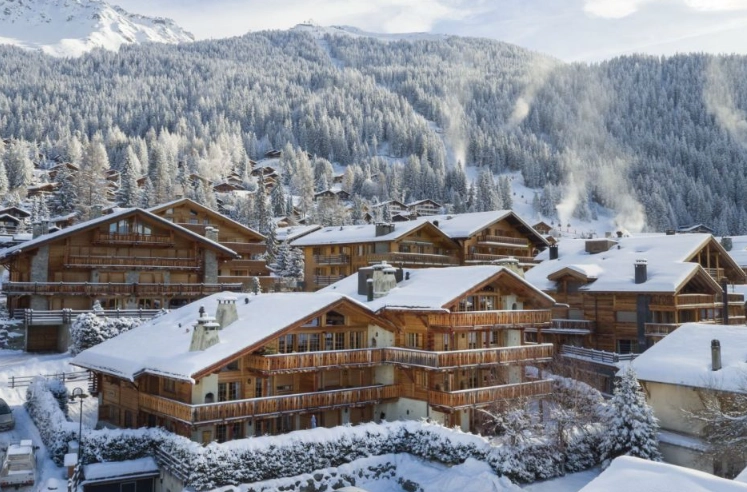
We're not here for greenwashing. We're here to unpack the real impacts, the genuine efforts, and the frustrating greenwashing that sometimes makes it hard to tell the difference. This isn't about making you feel guilty for loving winter sports. It's about cutting through the noise. Because the truth about whether ski resorts are environmentally friendly depends entirely on which resort, where it is, and what it's actually doing beyond the marketing brochures.
Core Insight: The ski industry faces a brutal paradox. Its entire business model depends on a stable, cold climate, yet its operations have historically contributed to the environmental pressures that threaten that very climate. This has forced a reckoning, leading to a wide spectrum of practices, from blatantly unsustainable to genuinely innovative.
The Not-So-Pretty Side: Environmental Impacts You Can't Ignore
To understand if ski resorts are environmentally friendly, you have to look at the full picture, warts and all. Ignoring the downsides doesn't help anyone.
Energy and Snowmaking: The Thirsty Giant
This is arguably the biggest elephant in the room. Natural snowfall is becoming less reliable. The response? Massive snowmaking systems. We're talking about thousands of snow guns across a single large resort.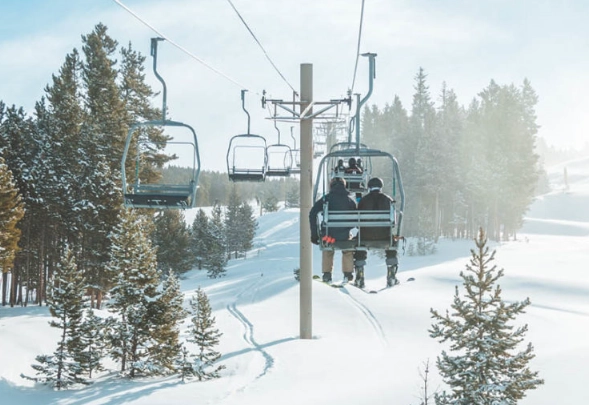
The problem is two-fold. First, the energy hunger. Running compressors and pumps for snowmaking is incredibly energy-intensive. A study by the National Ski Areas Association (NSAA) in the U.S. has shown that snowmaking can account for a huge portion of a resort's total energy use. Where does that power come from? If it's from a coal-fired grid, the carbon footprint skyrockets.
Second, the water. Creating fake snow requires massive amounts of water, often pumped from local streams, rivers, or reservoirs. In drought-prone areas (which, sadly, are becoming more common), this creates real tension with local communities, farmers, and ecosystems. It's not just about the water taken; it's about the timing. Pulling water during low-flow periods can be devastating for aquatic life.
Reality Check: I've seen reservoirs built solely for snowmaking, dramatically altering the landscape. The argument is always about economic survival for the town, which is valid, but it forces a tough conversation about long-term sustainability. Are ski resorts environmentally friendly when their core operation requires such massive resource intervention? Often, the answer leans towards no.
Habitat Disruption and Deforestation
Building a ski resort isn't gentle. It means clearing forests for runs, which fragments wildlife habitats. It means building roads, parking lots, lodges, and lifts in sensitive alpine zones. Alpine ecosystems are fragile and slow to recover. A cleared ski run represents a permanent change, increasing erosion and runoff.
Then there's the summer grooming. To keep runs clear, resorts often remove native shrubs and young trees, preventing forest regeneration. This creates those wide, manicured boulevards we love to ski, but ecologically, they're barren compared to the diverse forest that was there before.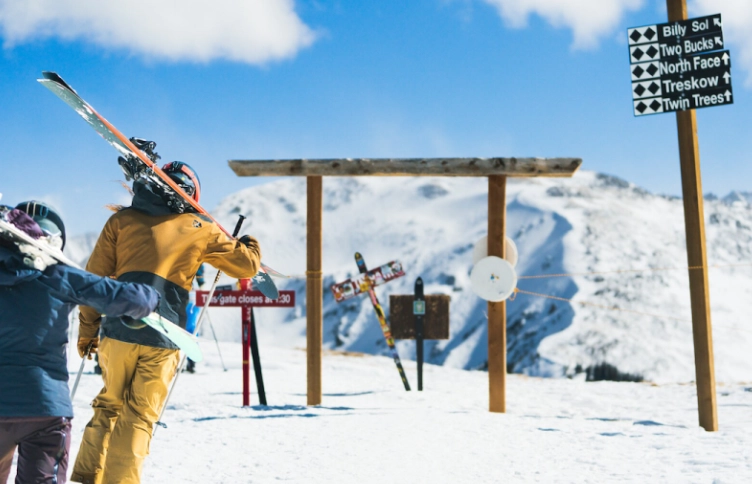
It's a trade-off. Recreation access versus ecological integrity.
Transportation: The Hidden Carbon Monster
Here's a kicker. Often, the single largest carbon footprint associated with a ski trip has nothing to do with the resort's operations. It's your travel to get there. Think about it. Hundreds or thousands of cars idling in traffic on access roads, each carrying one or two people. Long-haul flights for international ski holidays. This is a massive, often overlooked piece of the puzzle.
A resort could be running on 100% renewable energy, but if 90% of its guests arrive in gas-guzzling SUVs, the overall environmental impact of that ski area is still enormous. Some forward-thinking resorts are finally getting serious about this, investing in robust, free, and frequent shuttle services from nearby towns and train stations. But many still treat the clogged access road as an unavoidable nuisance rather than the core sustainability issue it is.
Waste and Water Pollution
A busy resort is a small city. Tens of thousands of people generate mountains of trash—plastic water bottles, food packaging, disposable everything. Managing this waste in a remote mountain location is a logistical and environmental challenge. Then there's the sewage from all those bathrooms and restaurants. Proper, modern wastewater treatment is non-negotiable, but it's another energy and infrastructure demand.
Chemical use is another quiet concern. Early-generation snowmaking additives and certain grooming practices have raised questions about soil and water contamination. The industry has largely moved away from the most harmful chemicals, but it's a history worth knowing.
The Green Shift: How Ski Resorts Are Trying to Do Better
Okay, so the traditional model has serious flaws. But the story doesn't end there. Pressure from a more environmentally conscious public, the undeniable reality of climate change, and pure economic necessity (no snow, no business) are driving real change. So, let's look at the ways some resorts are answering "yes" to the question of being environmentally friendly.
Powering Up with Renewables
This is the low-hanging fruit with the biggest impact. More and more resorts are investing in on-site renewable energy. You'll see solar panels on lodge roofs, solar carports in parking lots, and even small hydroelectric projects using mountain streams. Some are going all-in, like the Austrian resort of Serfaus-Fiss-Ladis, which uses a mix of solar, biomass, and hydropower to cover a significant chunk of its needs.
The best ones are also focusing on energy efficiency—LED lighting everywhere, smart building management systems, and high-efficiency snowmaking equipment that uses less power and water per cubic meter of snow. It's not as sexy as a new high-speed lift, but it's arguably more important for the future.
Spotlight on Innovation: Some resorts are using "snow farming"—collecting and insulating excess natural snow under wood chips or fleece during the spring, then spreading it back on the slopes in the autumn to provide a base layer. It reduces early-season snowmaking needs dramatically. It's a clever, low-tech solution that just makes sense.
Water Stewardship and Smart Snowmaking
Recognizing the water issue, leading resorts are implementing closed-loop systems. They build large retention ponds to collect spring meltwater, which is then used for snowmaking the following winter. This avoids draining natural waterways during critical periods. They're also using sophisticated weather stations and computer systems to make snow only when conditions are perfect (cold and dry), which maximizes efficiency and minimizes waste.
The goal is to do more with less, a principle that should guide everything.
Habitat Protection and Summer Revival
Progressive resorts are working with ecologists. They're conducting wildlife surveys to understand migration corridors and setting aside large, undisturbed refuge areas. Some are even engaging in reforestation projects on lower mountain slopes that are no longer economically viable for skiing.
Summer is key. The four-season resort model is not just about revenue; it's a sustainability strategy. By offering hiking, mountain biking, and conferences, resorts can maintain economic viability without doubling down on winter expansion. It spreads the impact over a longer period and reduces the pressure to build more and more ski terrain.
Tackling the Transportation Beast
This is where the most progressive resorts stand out. They are actively discouraging single-occupancy vehicles. How?
- Building partnerships with regional rail services, offering integrated "train + lift" tickets.
- Providing free, comfortable, and frequent shuttle buses from nearby population centers.
- Charging for parking (especially for single-occupancy vehicles) and using those funds to subsidize shuttles.
- Installing large, convenient EV charging stations to encourage electric vehicle travel.
The Swiss resort of Saas-Fee has been a pioneer here—the village is car-free. You park at the entrance and take an electric bus. It's quieter, cleaner, and instantly creates a better atmosphere. More places need to follow this model, even if it's just for the core village area.
Green Certifications: Cutting Through the Greenwash
With so many resorts claiming to be "green," how do you know who's legit? This is where third-party certifications come in. They're not perfect, but they provide a framework and accountability. Look for these logos and understand what they mean.
| Certification | Governing Body | What It Focuses On | Notable Resorts |
|---|---|---|---|
| The Mountain IDEAL Standard | International Mountain Sustainability Alliance | Holistic sustainability across environment, social, economic, and cultural pillars. Very rigorous. | Whistler Blackcomb (CA), Aspen Snowmass (US) |
| ISO 14001 | International Organization for Standardization | Environmental Management Systems (EMS). Focuses on processes to manage and reduce impact. | Many large European resorts |
| Green Globe | Green Globe Certification | Sustainable tourism standard covering operations, social/economic, cultural, and environmental practices. | Ski resorts worldwide |
| NSAA Sustainable Slopes | National Ski Areas Association (US) | A voluntary charter and environmental framework for U.S. ski areas. Less a certification, more a participation pledge. | Over 200 US ski areas participate |
A word of caution. Participation in a charter like Sustainable Slopes is a positive sign, but it's not the same as an audited, third-party certification like ISO 14001 or Mountain IDEAL. The latter requires proof of performance and continuous improvement. When a resort says it's "sustainable," ask yourself: self-declared, or externally verified?
Your Role as a Skier: How to Choose and Champion Green Resorts
We've looked at what resorts do. But what can you do? Your choices and your voice matter. Consumer pressure is a powerful force. Here’s a practical checklist for planning a more environmentally friendly ski trip.
Before You Book: Do Your Homework
- Dig into their sustainability page. Don't just glance at it. Look for specific data: "We use X% renewable energy," "We have reduced water consumption for snowmaking by Y%." Vague statements like "we care for the environment" are meaningless.
- Check for certifications. Look for the logos mentioned in the table above. See if they publish an annual sustainability report.
- Research transportation options. Can you get there by train or bus? Does the resort have a solid shuttle network? If the only viable option is to drive your own car and sit in traffic, that's a major red flag for their overall environmental commitment.
- Look at their summer operations. A strong summer season is a good indicator of a resort thinking beyond just winter extraction.
While You're There: Be a Conscious Guest
- Use the shuttles. Leave your car parked. It's easier anyway.
- Refill, don't landfill. Bring a reusable water bottle. Most lodges have refill stations.
- Recycle properly. Take the extra 10 seconds to sort your trash.
- Respect closure areas. They're often in place for wildlife protection or revegetation.
- Support local businesses in the town, not just the corporate-owned spots on the mountain. It keeps money in the community.
It's about voting with your wallet and your feet.
Common Questions About Ski Resorts and the Environment
Switzerland and Austria often come out ahead, largely due to their extensive and integrated public transportation networks (getting to and around resorts by train is easy) and a long history of mountain stewardship. Their resorts also face stringent national and local environmental regulations. However, there are standout resorts pushing the envelope in North America, New Zealand, and Japan too. It's less about the country and more about the specific resort's practices.
It can, due to the energy and water inputs required to create it. Also, man-made snow has a higher water density and melts slower in the spring, which can delay the growing season for alpine plants. However, modern, efficient snowmaking on a limited scale can be a tool to stabilize a ski area's operations without needing to expand into new, untouched terrain—which might be the worse environmental alternative.
Not automatically. A small, old, inefficient mom-and-pop hill with diesel-powered groomers and no environmental plan can have a high impact per skier. A large, well-funded resort can invest in massive renewable energy projects and habitat conservation programs. Size isn't the sole determinant; philosophy, investment, and regulation are.
It's a valid point. Producing skis, snowboards, and synthetic clothing involves plastics, metals, and chemicals. The most sustainable gear is the gear you already own. Maintain it, repair it, use it for as many seasons as possible. When you do need new gear, look into the growing market of brands using recycled materials and offering repair programs. Consider buying second-hand—there's a huge market for great used equipment.
Look for a lack of specifics. Greenwashing relies on feel-good generalities. Be skeptical of:
- Marketing that highlights one tiny green initiative (like recycling bins in the lodge) while ignoring massive issues like energy source or transportation.
- The use of nature imagery (trees, mountains, animals) with no connection to actual conservation programs.
- A complete absence of measurable goals or published data on their website.
A genuine resort will talk about its goals, its progress, and even its shortcomings. The UN Environment Programme has resources on spotting greenwashing across industries.
The Bottom Line: A Spectrum, Not a Yes/No
So, are ski resorts environmentally friendly? You can see now why it's not a simple yes or no. The industry exists on a vast spectrum. At one end, you have resorts stuck in a 1970s mindset, treating the mountain as a resource to be mined with little regard for long-term consequences. At the other end, you have visionary operations that are fundamentally rethinking their relationship with the environment, seeing themselves as stewards of a fragile landscape that also hosts a business.
The trend, thankfully, is moving toward the latter. Climate change is the ultimate business risk for skiing, and that has concentrated minds like nothing else. The resorts that will thrive are the ones that authentically integrate sustainability into their DNA—not as a marketing add-on, but as a core operational principle.
Final Thought: The question "are ski resorts environmentally friendly?" is perhaps the wrong one to end on. The better question is: "Which ski resorts are leading on environmental responsibility, and how can I support them?" As skiers and snowboarders who love these mountains, we have a stake in their future. Our choices can reward the innovators and push the laggards to do better. The future of skiing depends not just on snow, but on sanity.
It's a work in progress. There's no finish line. But the conversation is happening, and that's the first, essential step away from the old, exploitative model and towards something that can truly last.