Ask ten skiers what makes the best ski resort, and you'll get eleven different answers. The expert craves steep chutes and deep powder. A family needs gentle slopes and childcare. The luxury traveler wants five-star dining and ski-in/ski-out convenience. There is no single "best"—only the resort that's perfect for you. Having spent over a decade chasing snow across continents, I've learned that the wrong choice can turn a dream vacation into a frustrating slog. This guide cuts through the marketing hype. We'll break down the top destinations by what truly matters: terrain, vibe, and who you're traveling with, giving you the concrete details to book with confidence.
Your Quick Ski Resort Finder
How to Choose the Right Ski Resort for You
Forget the glossy brochures for a second. The first, and most common, mistake is picking a resort based on fame alone. Just because your friend loved Jackson Hole doesn't mean your intermediate-level family will. You need to match the mountain to your group's ability and desires.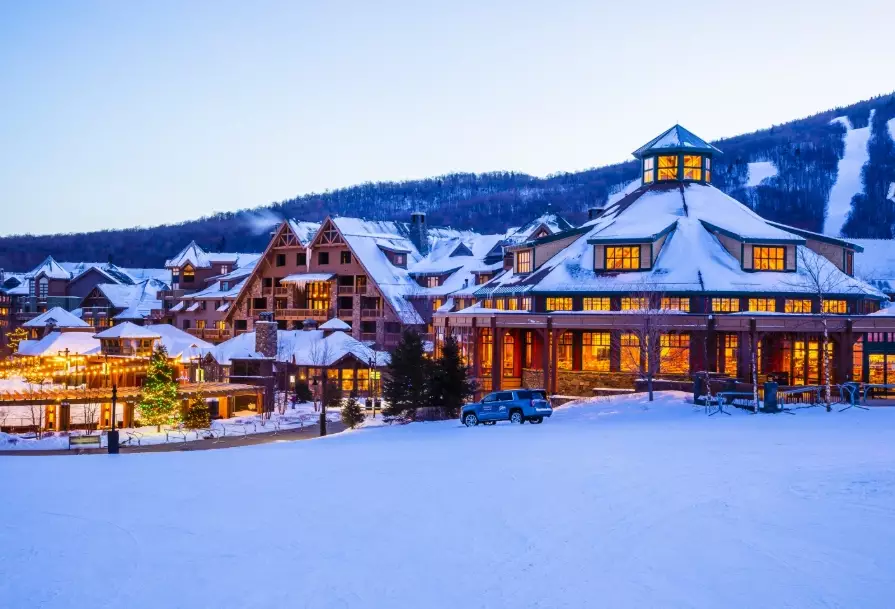
Start with terrain. Resorts publish trail maps with percentages for beginner, intermediate, and expert runs. Look beyond the numbers. A "beginner" area at a mountain like Aspen is often a wide, perfectly groomed cruiser that's a joy for anyone. At some European resorts, a blue run might feel like a red elsewhere. If you're progressing, check if the resort has good, long green and blue runs that interconnect, not just a small isolated beginner hill.
Next, consider the village and atmosphere. Do you want a compact, car-free European village where you can stumble from your chalet to the lift? Or do you prefer the convenience of a large North American base area with lots of lodging and dining options, even if it feels more built-up? The après-ski scene ranges from quiet wine bars to raucous beer halls with live music—know what you're signing up for.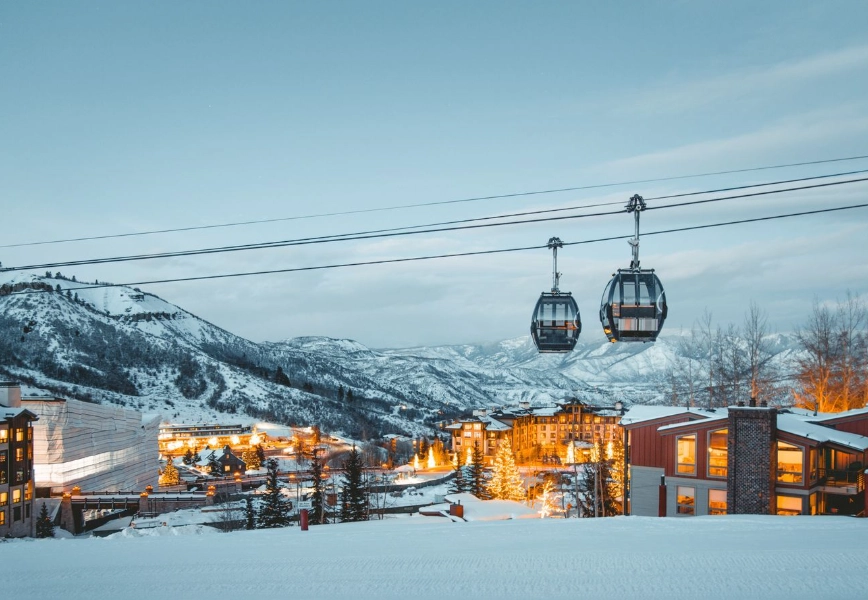
Here’s a simple framework to narrow your search:
| Your Profile | What to Prioritize | What to Maybe Avoid |
|---|---|---|
| First-Timer / Family with Young Kids | Excellent ski school, gentle dedicated learning areas, family-friendly lodging close to lifts, childcare options. | Massive, spread-out resorts where getting around is a chore. Expert-centric mountains with limited beginner terrain. |
| Intermediate Cruiser | Vast networks of well-groomed blue runs, scenic vistas, comfortable lifts, good variety of on-mountain dining. | Resorts known primarily for extreme terrain. Places where the best intermediate runs are crowded or require traverses. |
| Expert & Off-Piste Skier | Steep in-bounds terrain, accessible backcountry gates, guide services, reliable deep snow, challenging mogul runs. | Resorts with a flat base area. Places where off-piste skiing is strictly forbidden or requires long hikes. |
| Luxury & Convenience Seeker | Ski-in/ski-out hotels, fine dining, high-end boutiques, spa facilities, seamless transfers (like train to village). | Budget-oriented, no-frills resorts. Places where you need to drive or take a shuttle to the slopes. |
The World's Top Ski Resorts, Broken Down by Type
Based on the framework above, let's get specific. These aren't just the biggest names; they're the ones that excel in their category.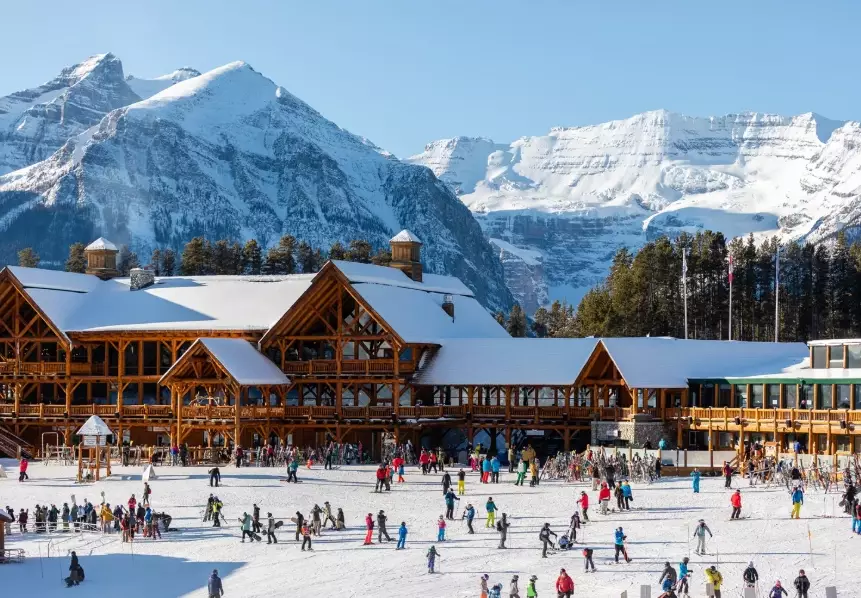
For the Expert and Powder Hound
If your idea of fun involves navigating rock bands and waist-deep snow, these are your temples.
Jackson Hole Mountain Resort, Wyoming, USA
This is the benchmark. The terrain is relentless, with legendary in-bounds chutes like Corbett's Couloir. The backcountry access from the top of the tram is world-class. The town of Jackson is authentic (if a bit crowded now), with a serious ski-bum heart still beating under the luxury shops. It's not a place to learn, but if you can ski it here, you can ski anywhere. Key Details: Fly into Jackson Hole Airport (JAC). The resort is a 30-minute drive. A 4-day lift pass will run you around $600-$700. The season typically runs late November to early April.
Verbier, Switzerland
Part of the massive 4 Vallées ski area, Verbier is the epicenter of European freeride. The off-piste itineraries—marked but un-groomed—are endless. The Mont Fort glacier offers steep, high-altitude skiing well into spring. The village is vibrant, expensive, and has a distinctly international jet-set vibe. A local guide is highly recommended to unlock the best terrain safely. Key Details: Train to Martigny, then a connecting train or bus. A 6-day pass for the 4 Vallées is about CHF 400. The core season is December to April, with glacier skiing longer.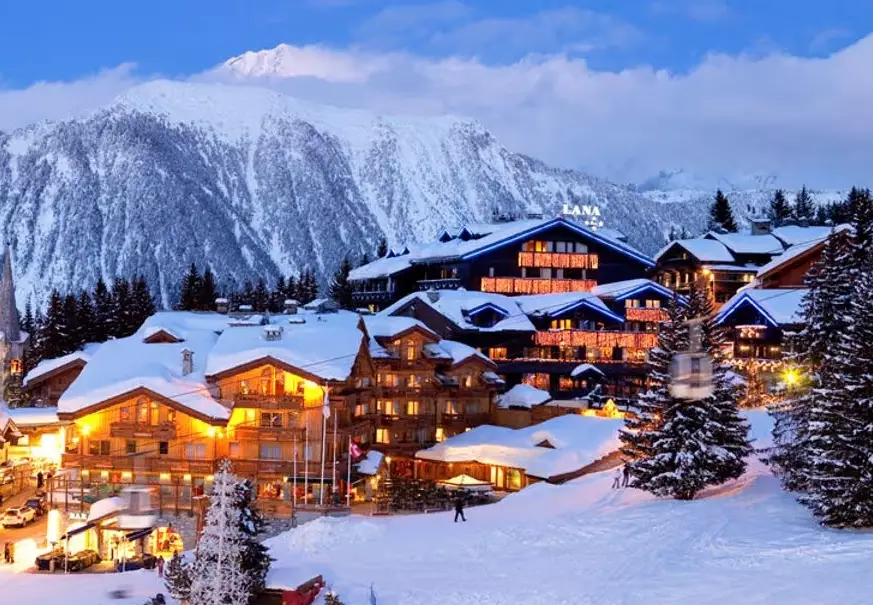
For Families and Intermediates
Great skiing shouldn't mean white-knuckle terror. These resorts master the art of enjoyable, accessible terrain.
Whistler Blackcomb, British Columbia, Canada
The sheer scale is its superpower. With over 8,000 acres of terrain, there are endless groomed cruisers for every level. The Peak 2 Peak gondoon connecting the two mountains is an attraction itself. The pedestrian village is massive, with every amenity imaginable, from supermarkets to movie theaters. It can feel busy, but you'll never be bored. The ski school is top-notch. Key Details: Fly into Vancouver (YVR), then a 2-hour scenic drive or shuttle. Look for multi-day Edge Card discounts in advance. Mid-season lift passes are around CAD 150 per day.
Park City Mountain Resort, Utah, USA
Now connected with Canyons Resort, it's one of the largest ski areas in the US. The terrain is overwhelmingly intermediate-friendly, with long, rolling blue runs. The town of Park City is historic, charming, and right at the base. It's incredibly convenient, but that convenience comes with a premium price tag, especially during the Sundance Film Festival. Key Details: Just a 40-minute drive from Salt Lake City International Airport (SLC). A 4-day pass is roughly $700-$800. The town has a free bus system that works well.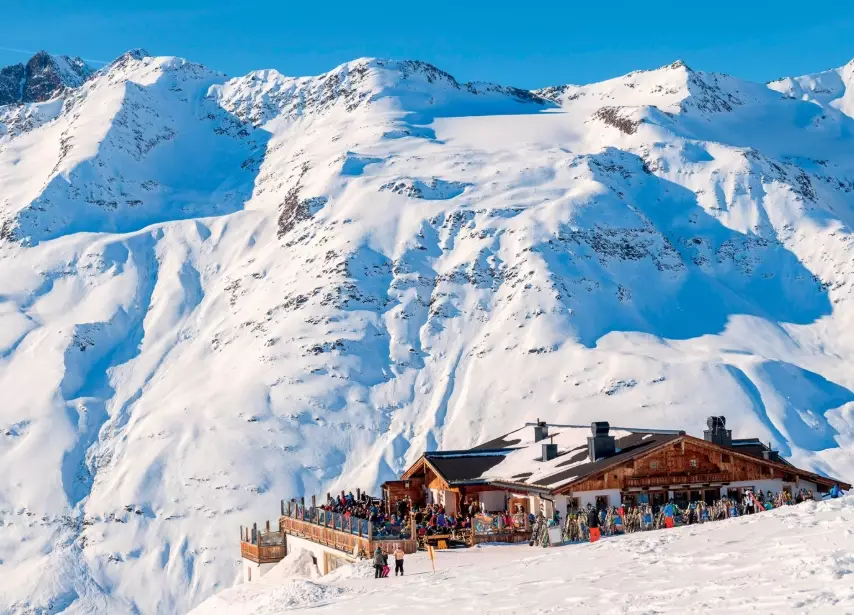
For Luxury and Alpine Charm
When the experience off the slopes is as important as the skiing on them.
Vail, Colorado, USA
Vail invented the concept of the mega-resort with a luxury bent. The back bowls are legendary for their expansive, intermediate-advanced powder fields. But the real draw is the meticulously designed Bavarian-style village. It's almost entirely ski-in/ski-out, with phenomenal dining (try Sweet Basil) and shopping. It's expensive, some say Disney-fied, but the convenience and quality are undeniable. Key Details: Fly into Denver (DEN) or the closer Eagle County Regional Airport (EGE). Expect to pay $200+ per night for a basic hotel room and $250+ for a fine-dining dinner for two.
Courchevel, France
Part of the Trois Vallées (the world's largest linked ski area), Courchevel is synonymous with luxury. Courchevel 1850, the highest and most famous village, is a constellation of palatial hotels, Michelin-starred restaurants (it has more than any other ski resort), and designer boutiques. The skiing is excellent and varied, but you come here for the five-star alpine lifestyle. It's a scene. Key Details:
Planning Your Perfect Ski Trip: The Nitty-Gritty
You've picked your resort. Now let's make it happen without stress or surprise bills.
When to Go: January and February are peak for snow, but also crowds and prices. Late March and April often offer warmer "spring skiing" conditions, longer days, and better deals, though snow at lower elevations can get slushy. Early December can be a gamble with coverage.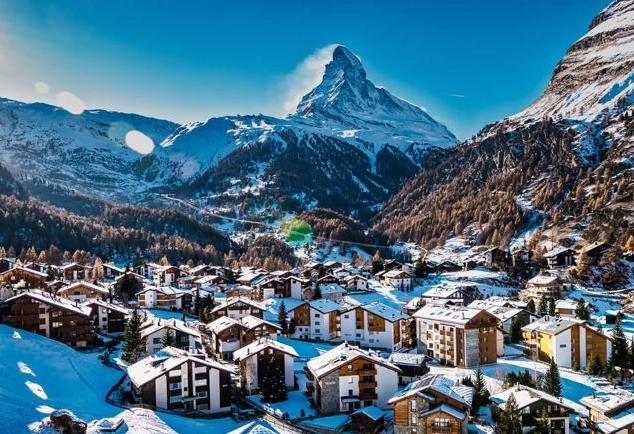
Getting There and Around: For North America, flying into a major hub (Denver, Salt Lake, Vancouver) and renting a car is standard. In the Alps, the train network is superb. Many Swiss and Austrian resorts are accessible by train directly to the village, which I vastly prefer over driving on snowy mountain roads. Research resort shuttles from the nearest airport or train station.
Where to Stay: The ski-in/ski-out premium is real. Weigh the cost against the value of walking to the lift in your boots versus taking a 15-minute shuttle with gear. For families, a condo with a kitchen can save a fortune on meals. In Europe, a traditional chalet with half-board (breakfast and dinner) is a wonderful, immersive experience.
Lift Tickets & Rentals: Book online, months in advance if possible. You'll save 20% or more versus buying at the window. For rentals, don't just use the shop at your hotel. Look for high-performance demo shops on the mountain—you can often get newer, better gear for a similar price, and you can swap skis daily to try different models.