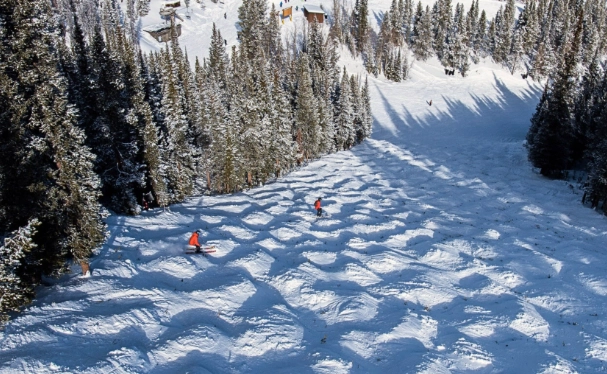
You've racked up the vertical, the snow is turning to slush, and the season is winding down. Now what? Tossing your skis in a corner of the garage until next December is a recipe for rusted edges, dried-out bases, and a seriously disappointing first day back on snow. Proper off-season storage isn't just about tidiness; it's a non-negotiable part of ski maintenance that protects a significant investment and guarantees performance. Think of it as putting your skis into a deep, restorative sleep so they wake up ready to charge. Let's break down exactly how to do it right.
What You'll Find in This Guide
Step 1: The End-of-Season Clean & Wax (This is Non-Negotiable)
This is the step everyone wants to skip, and it's the one that matters most. Your skis have spent months collecting dirt, road salt, and moisture. Storing them dirty is like going to bed without brushing your teeth – things get corrosive.
First, give the entire ski a good wipe down with a damp cloth to remove surface grime. Pay special attention to the bindings; grit here can interfere with function. Let them dry completely.
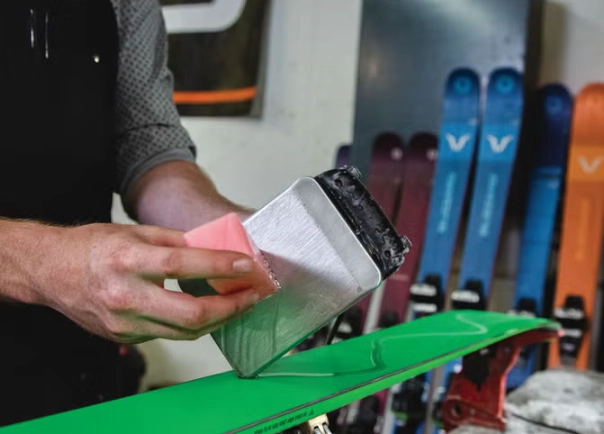
Now, the base. Here's where I see a major point of confusion. A "storage wax" isn't a special product. It's simply a thick, generous layer of your regular all-temperature ski wax. The goal isn't to tune for performance, but to create a protective barrier. Scrape off the old, dirty wax first if you can. Then, drip on a heavy coat from tip to tail and iron it in slowly, letting the wax soak deep into the base pores. Do not scrape it off. Leave that thick, ugly layer right where it is. It seals the base from drying out and oxidizing, which is what causes those white, chalky patches.
For the edges, a light rub with a dry Scotch-Brite pad or a dedicated gummy stone removes surface rust. Follow up with a thin, even coat of a corrosion-inhibiting oil or a specific edge protector like Demon Edge Defender. Avoid thick grease; it just attracts more dust.
Step 2: Choosing the Right Storage Location
Where you stash your skis for six months is as important as how you prep them. The enemies are consistent: humidity, temperature swings, and direct sunlight.
| Storage Option | Pros | Cons & Mitigation Steps |
|---|---|---|
| Interior Closet or Under the Bed | Climate-controlled, stable, dry, safe from physical damage. | Space can be an issue. Use a ski bag or sleeve to keep dust off. Ensure they are laid flat or stood up vertically, not leaning. |
| Basement | Cool, stable temperature, out of the way. | Can be damp. Use a dehumidifier in the room. Never store directly on concrete floor; place on a wooden pallet or shelf. |
| Garage or Shed | Convenient, spacious. | Worst for temperature/humidity swings. Avoid at all costs if uninsulated. If it's your only choice, keep skis in a hard case, use silica gel packets, and store them high off the floor. |
| Professional Storage Facility | Perfect climate control, high security, often includes tuning before pickup. | Costs money. Best for high-value equipment or if you lack space. Many ski shops offer this service. |
I made the garage mistake once with my first "good" pair of skis. The summer humidity warped the core slightly, and they never felt quite the same. It was a cheap lesson on an expensive pair of boards.
Binding Settings and Storage Position
There's an old debate: should you release your binding din settings for the summer? Most modern binding manufacturers, like Marker and Look, state it's unnecessary. The springs are designed to be under tension. Constantly cranking them up and down can introduce more wear. My advice? Leave them alone.
How you position them matters more. Never store them leaning against a wall for months. This can cause camber to set unevenly. Either lay them flat on a rack (bases together is fine) or stand them up vertically in a corner, tip down.
The 5 Most Common Off-Season Storage Mistakes (Checklist)
Let's cut to the chase. Here’s what ruins skis during the off-season:
- Storing Them Dirty & Dry: The #1 killer. Salt and grit corrode edges. Dry bases oxidize and become hydrophobic.
- The Damp Garage Dungeon: Combining moisture with fluctuating heat is a perfect storm for rust, mold on boots, and wood core degradation.
- Leaving Boots Buckled Tight: This compresses the liner's foam, permanently reducing its fit and warmth. Buckle them loosely on the widest setting.
- Ignoring Your Ski Bag: That bag is full of moisture and dirt from the last trip. Empty it, turn it inside out, and let it air dry completely before storing your clean skis in it.
- Forgetting About Them Entirely: Do a mid-summer check. Peek at the edges for any new rust spots. Give the storage area a once-over for leaks or pests.
A Quick Note for the Spring Skier
If you're still skiing into late spring or even summer on glaciers, your storage timeline is just shorter. The process doesn't change. The moment you're done for the season, clean and wax. Don't fall into the "I'll just ski one more day" trap and then forget for two months. The spring snow is often the wettest and most abrasive, making the post-season clean even more critical.
Your Burning Questions About Storing Skis
Look, putting in this hour of work each spring saves you hundreds in potential repairs and countless hours of frustration. It preserves that crisp, responsive feel you paid for. When the first snow forecast hits next fall, you'll be able to grab your gear with total confidence, scrape off that storage wax, and know you're ready to go. No shop visit panic, no rusty edge surprise. Just you and the mountain.