You're standing at the base, skis on, ready to go. The mountain stretches above you, a maze of white trails. But between you and that perfect corduroy run is a metal contraption dangling from a cable – the ski lift.
Most guides just list them. Chairlift, gondola, magic carpet. Yawn.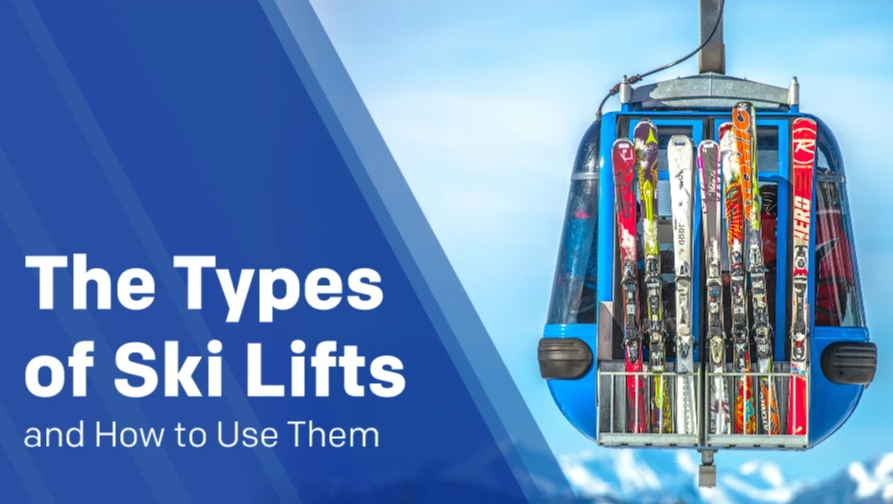
But here's the thing nobody tells you outright: the type of lift you choose dictates your entire ski day. It's not just transport; it's about comfort, strategy, and even safety.
Pick wrong, and you're facing a windy, cold ascent that saps your energy before you even make a turn. Or worse, a lift you can't physically manage.
I've seen it happen. A friend, a solid intermediate skier, confidently queued for a T-bar. Two minutes later, he was a heap of tangled skis and embarrassment, sliding back down the hill while six-year-olds whizzed past him.
This guide is different. We're going to look at ski lifts not as machines, but as tools. Tools to build your perfect ski day.
What's Inside This Guide
Sit Down & Relax: The Chairlift Family
This is the classic image of skiing. Swinging chairs against a bluebird sky. But not all chairs are created equal.
The Fixed-Grip Chairlift
The workhorse. The cable moves at a constant speed, and the chair is fixed to it. You'll know it by the steady, rhythmic hum.
Pros? They're reliable. Less moving parts means less downtime. They force a slower pace, which can be a good thing. You have time to rest your legs, chat with your friends, and take in the view.
Cons? The ride is longer. And the loading/unloading zone is a precise dance. Hesitate, and you'll miss the seat or take a tumble.
Here's a subtle tip most miss: On a fixed-grip triple or quad, the outside seats are colder. You're more exposed to wind. Aim for the middle seat on a cold day.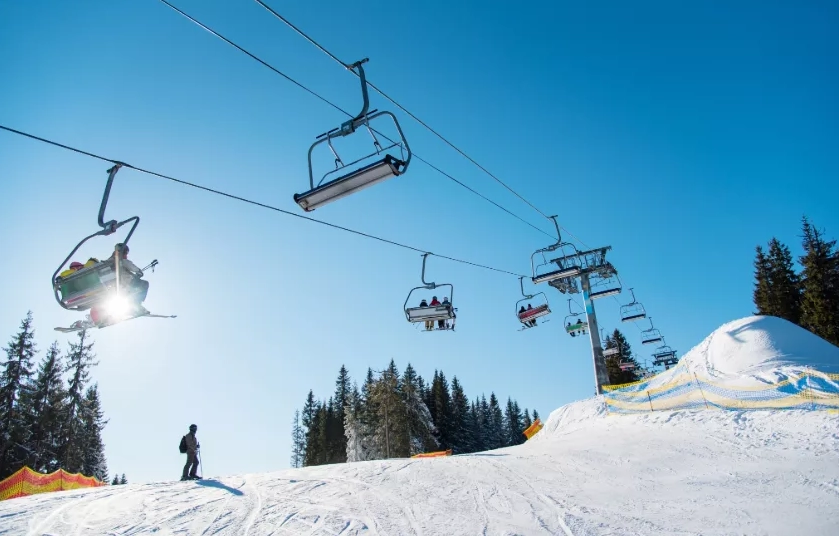
The Detachable High-Speed Quad (or Six, or Eight)
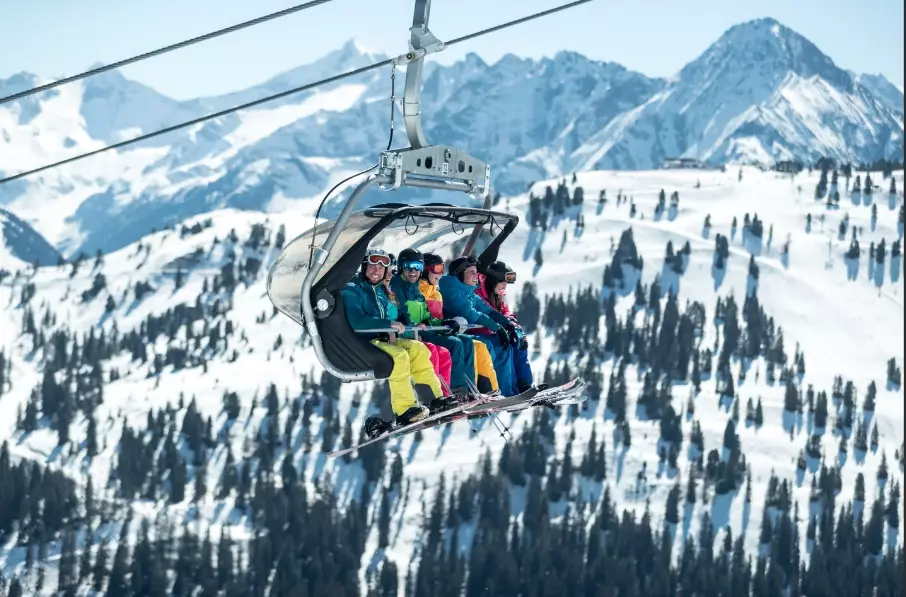
The game-changer. The chair detaches from the cable at the station, slowing to a crawl for easy loading and unloading. It then re-attaches and zooms up the line at twice the speed.
These are fantastic for reducing queue time and vertical ascent. But they have a hidden downside.
Lifts like the Doppelmayr D-Line or Leitner Poma detachables often come with heated seats and weather bubbles now. That bubble isn't just a gimmick – on a windy ridge, it cuts the wind chill by what feels like 20 degrees.
Your Private Mountain Capsule: Gondolas & Cable Cars
These are the luxury limos of the ski world. Full enclosure from the elements.
Gondolas (or bubble lifts) carry smaller groups, usually 4-8 people. You can keep your skis on outside, or stow them in a rack. The big advantage? Weather protection. Snow, rain, biting wind – none of it matters. They're also great for mixed groups – skiers and snowboarders can ride with non-skiing friends or family.
Cable Cars (or aerial tramways) are the giants. They can carry 50-100 people standing up. They're used for massive vertical ascents, often linking two separate ski areas or accessing a high glacier.
Ever ski somewhere like Zermatt or Whistler? Their cable cars are engineering marvels and tourist attractions in themselves.
The one quirk? Social dynamics. You're locked in a small box with strangers for 5-10 minutes. Awkward silence, or delightful conversation? It's a gamble.
The Surface Drag: T-Bars, Pomas, & Rope Tows
This is where many intermediates face their nemesis. They look simple. They are not.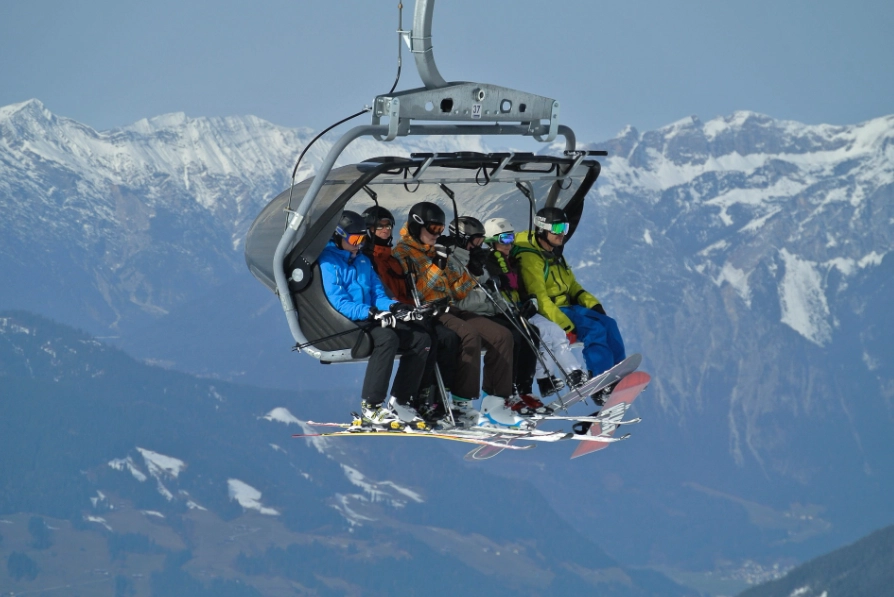
These lifts pull you along the ground while you stand on your skis or board.
- T-Bar: Two riders share a single T-shaped bar. It's crucial to match height and weight with your partner. If one of you is much heavier, the bar will pull unevenly.
- Poma/Platter/Button Lift: A single pole with a round disc (a platter) that you place between your legs. It tows you solo. This requires decent balance.
- Rope Tow: A literal moving rope you grab onto. Found on tiny beginner hills or race training slopes. Brutal on the gloves.
Why do resorts still use them? They're cheap to install and maintain, and they work on low-angle terrain where a chairlift wouldn't be viable. They're often used to access expert-only terrain or a single glacier run.
The key to mastering them? Relax. Let the bar pull you. Don't fight it. Keep your skis straight, lean back slightly into the pull, and let it do the work. Most falls happen because people tense up and try to steer.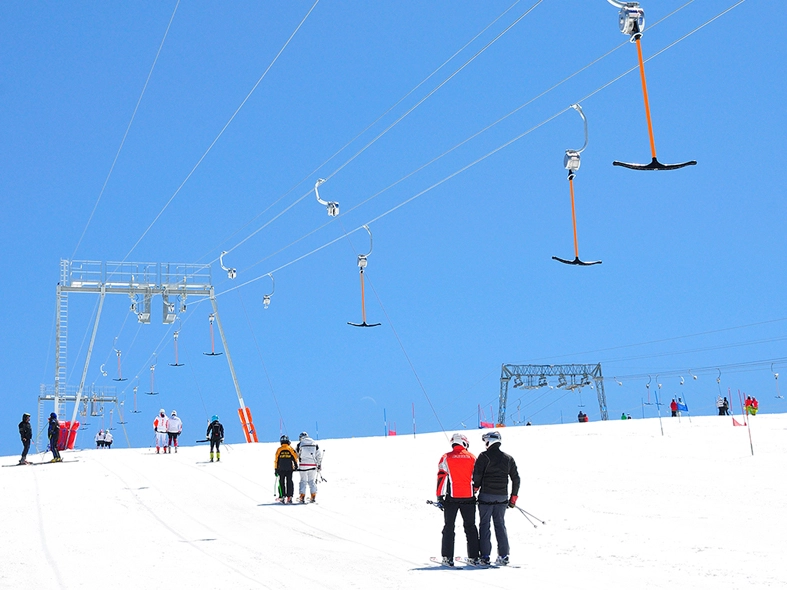
The Beginner's Best Friend: Magic Carpets
The revolution in beginner teaching. It's literally a moving conveyor belt on the snow.
No bars to lower, no chairs to sit on, no balancing required. You just step on with your skis on, and it gently carries you up the slope. It's like an outdoor escalator.
This has dramatically improved the learning curve. Beginners can focus 100% on the skiing part, not the intimidating mechanics of a lift.
You'll find them in the dedicated beginner zones, often next to a gentle, wide slope lovingly called the "bunny hill."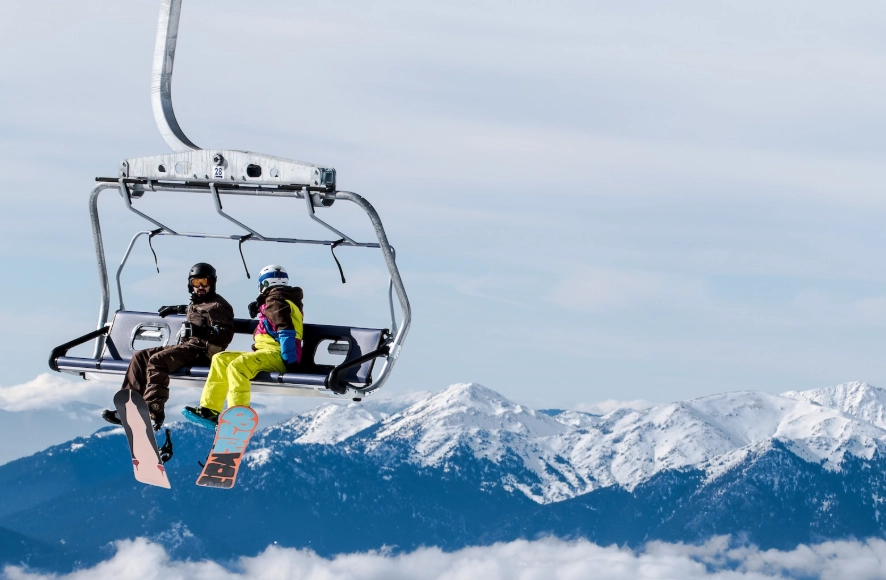
How to Choose: A Decision Matrix for Your Next Ride
So, you're looking at the trail map. Multiple lifts go up the same mountain. Which one do you take?
It's not just about the destination. It's about the journey and your strategy.
| Your Situation / Goal | Best Lift Type(s) | Why |
|---|---|---|
| First day ever skiing | Magic Carpet | Zero mechanics to learn. All focus on staying upright. |
| Cold, windy, or snowy day | Gondola or Bubble Chair | Full enclosure or bubble protection means a warm, dry ride. |
| Legs are tired, need a break | Fixed-Grip Chairlift | Longer ride time = more rest. Detachable lifts are too fast. |
| Want to maximize vertical feet | Detachable High-Speed Chair | Speed and capacity. Get up fast, ski down, repeat. |
| Riding with a non-skier | Gondola or Cable Car | They can ride in street clothes and boots. |
| Accessing expert terrain | Often a T-Bar or Poma | These are cheaper to build on steep, rocky ridges. |
| Long queue at main lift | Look for a nearby surface lift | Most skiers avoid them. Shorter queue, even if ride is slower. |
See the pattern? It's about matching the lift to your current need, not just the destination.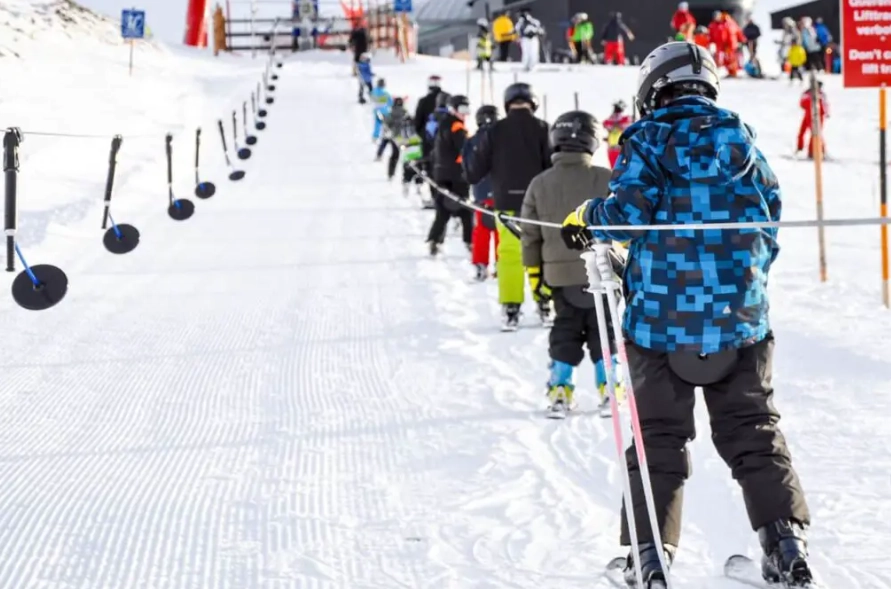
That fixed-grip triple might be "old," but on a sunny spring afternoon when your legs are jelly, that 10-minute scenic ride is pure bliss. The detachable six-pack is a productivity machine, but it will burn you out.
Next time you're at the base, pause for a second. Look past the trail map. Read the lift itself. What's its name? What's its type? Make a conscious choice.
Because understanding the ride up is just as important as planning the ski down. It turns a routine transport into a part of your mountain strategy.
And honestly, sitting on a quiet chair with just the sound of the wind in the towers, looking out at a sea of peaks… that's a big part of why we're here, isn't it?
 Are newer high-speed lifts always better?