Jump to Sections
- Why Bother with Ski Jumps? The Benefits Aren't Just Hype
- How to Do a Ski Jump Exercise with Perfect Form (And Why Form is Everything)
- The Top 3 Mistakes That Ruin Your Ski Jumps (I've Made Them All)
- Who Should (And Shouldn't) Try Ski Jumps?
- Building Your Workout: How to Program Ski Jumps
- Common Questions About Ski Jump Exercises (The Stuff You Actually Google)
- Wrapping It Up: Is the Ski Jump Exercise Worth Your Time?
Let's be honest, the world of bodyweight exercises can feel a bit... repetitive. Squats, lunges, more squats. You know the drill. But what if I told you there's a move that feels more like play than work, fires up your heart rate like nothing else, and sculpts your legs with a unique sideways motion? That's the ski jump exercise for you.
I first stumbled upon ski jumps in a HIIT class years ago. The instructor called them out, and I remember thinking, "This looks silly." Ten reps in, my lungs were burning and my inner thighs were sending urgent memos. I was humbled, and hooked. It wasn't just another jump; it was a coordinated, powerful movement that challenged my stability in a way forward-and-back jumps never did.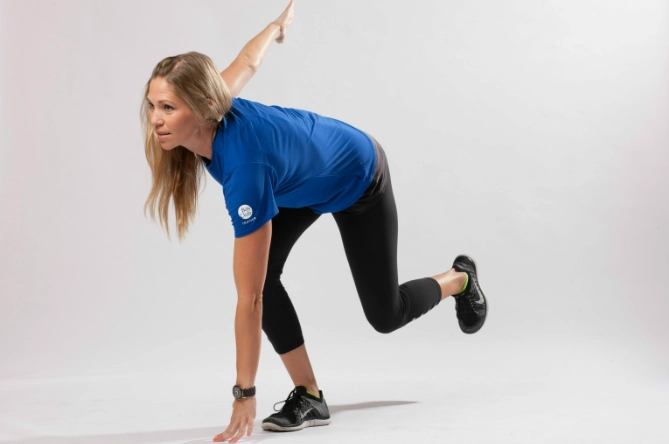
At its core, the ski jump exercise is a plyometric movement. You're jumping laterally from side to side, mimicking the motion of a skier navigating slalom gates. No equipment needed, just your body and a bit of space. It sounds simple, but the magic (and the burn) is in the details.
Why Bother with Ski Jumps? The Benefits Aren't Just Hype
Sure, it gets you sweaty. But what are you actually getting out of it? Turns out, quite a lot. This isn't just a random calorie torcher.
First off, the cardiovascular hit is intense. Because it's a full-body, explosive movement, your heart has to work overtime to supply oxygen. It's a fantastic way to spike your heart rate in a HIIT circuit or add a cardio element to a strength day. You'll be gasping, in a good way.
Then there's the lower body power. We're talking glutes, quads, hamstrings, and calves all firing together to propel you sideways. But the real star of the show? Your adductors and abductors—the inner and outer thigh muscles. Most lower-body exercises work these as stabilizers, but in the ski jump, they become prime movers. This is gold for building functional leg strength that translates to sports, hiking, or just getting out of the way of something quickly.
And let's not forget agility and balance. Landing softly and controlled on one foot before immediately pushing off to the other side requires serious proprioception. It trains your body to be stable in motion, which is a skill that degrades if you don't use it. Better balance means fewer stumbles in daily life.
Oh, and it's a core killer in disguise. Your abs and obliques are working hard to keep your torso stable as your legs whip side to side. No crunches needed.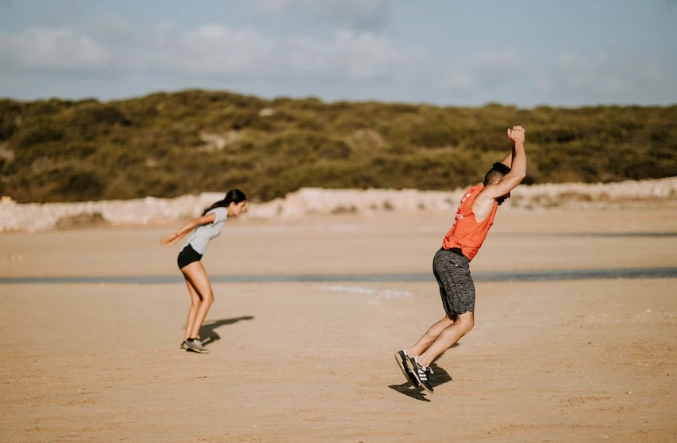
Quick Tip: If you're looking to improve your performance in sports like basketball, tennis, or soccer, the lateral power and quick footwork you develop from the ski jump exercise are directly transferable. It's not just gym fitness; it's real-world athleticism.
How to Do a Ski Jump Exercise with Perfect Form (And Why Form is Everything)
This is where most people go wrong. They see a side-to-side jump and start bouncing around like a pinball. Bad form on a ski jump isn't just inefficient—it's a fast track to knee or ankle grief. Let's break it down step-by-step.
The Starting Stance
Stand with feet hip-width apart. Don't start with them together—you need a stable base. Soften your knees, engage your core, and look forward. Imagine you're an athlete waiting for the whistle.
The Jump and Landing
Push off powerfully from both feet, jumping to your right. Lead with your hips, not your head. As you jump, swing your arms naturally across your body for momentum—right arm goes forward as you jump right.
Here's the critical part: land softly on the ball of your right foot, with your knee bent and aligned over your ankle. Your left foot should lightly tap the ground behind your right leg for balance. This isn't a two-footed stomp. It's a controlled, single-leg landing that absorbs the impact.
The Rebound and Return
Without pausing, immediately push off from that right foot to jump back to the left. Land softly on your left foot, tap the right foot behind. That's one rep.
The rhythm should be smooth: jump-land-push, jump-land-push. Think of a spring coiling and uncoiling, not a robot stomping.
Listen Up: If you feel any sharp pain in your knee during the landing phase, stop. The most common cause is letting your knee cave inward (valgus collapse). Your knee should track in line with your second toe every single time you land. No exceptions.
The Top 3 Mistakes That Ruin Your Ski Jumps (I've Made Them All)
Let's get real. I've filmed myself doing these, and the footage was... educational. Here are the pitfalls to avoid.
Mistake #1: The Double-Footed Crash Landing. This is the big one. Landing flat-footed with both feet simultaneously sends a huge shockwave through your joints. It's loud, jarring, and your knees will hate you for it. The goal is a silent, nimble landing.
Mistake #2: Letting Your Knees Collapse. As you land, watch that leading knee. Does it buckle inward? That's a sign your glutes and outer hips aren't firing properly. It puts immense strain on your ACL and other knee ligaments. Not good.
Mistake #3: Going for Max Height Over Control. It's tempting to see how far you can fly. But power comes from the quick, explosive push-off, not from hanging in the air. Higher jumps mean harder landings. Focus on speed and rhythm, not becoming an Olympic long jumper.
Mastering the ski jump exercise is less about brute force and more about rhythm and control. It's a finesse move disguised as a power move.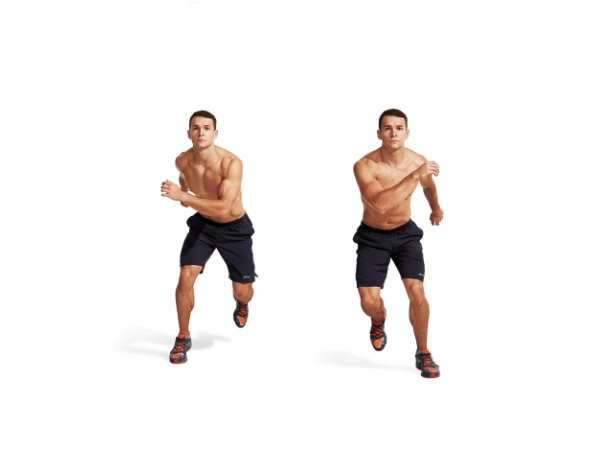
Who Should (And Shouldn't) Try Ski Jumps?
This move is brilliant for intermediate to advanced exercisers looking to add plyometrics to their routine. Runners, cyclists, team sport athletes—you'll all benefit from the lateral power boost.
But what if you're a beginner?
If you're new to fitness, focus on building a base of strength with squats, lunges, and step-ups first. Your joints and connective tissues need time to adapt. Jumping in too soon is asking for trouble.
Contraindications are serious. If you have current knee or ankle issues, significant knee pain (like patellofemoral pain syndrome), or are in the later stages of pregnancy, you should skip this exercise. The high-impact nature is a no-go. Always, and I mean always, check with a doctor or physical therapist if you have any doubts. The American Council on Exercise (ACE) has great resources on exercise safety and progression that are worth a look.
Building Your Workout: How to Program Ski Jumps
You don't just do 100 ski jumps and call it a day. They need to be placed thoughtfully in your workout. Here are a few ways to use them.
As a Warm-Up Drill: Do 2-3 sets of 20-30 seconds of low-intensity, technique-focused jumps. This wakes up your nervous system and primes your muscles for lateral movement.
As a HIIT Finisher: At the end of your strength session, try 30 seconds of all-out ski jumps, followed by 30 seconds of rest. Repeat 4-6 times. It's brutal and effective.
In a Cardio Circuit: Pair them with other bodyweight moves. For example: Ski Jumps (40 sec) / Push-Ups (40 sec) / Plank (40 sec) / Rest (40 sec). Repeat 5 rounds.
To give you a clearer picture, here's a sample training progression for different levels. This isn't a rigid plan, but a template you can adapt.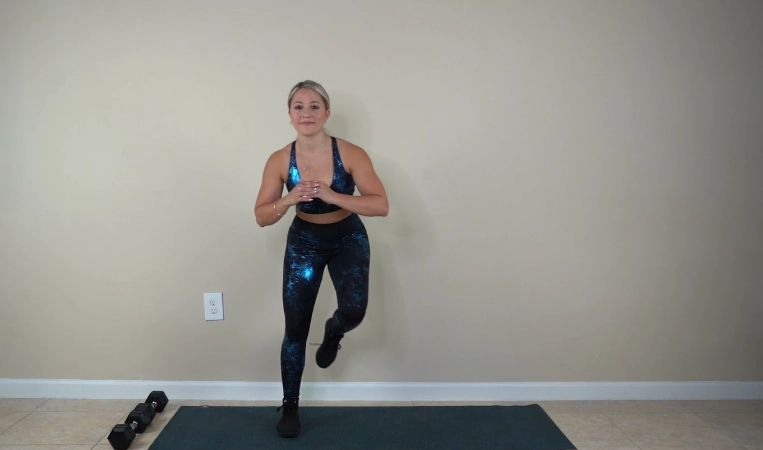
| Fitness Level | Recommended Sets & Reps/Time | Focus & Notes | Sample Workout Integration |
|---|---|---|---|
| Beginner (Building Foundation) | Not recommended yet. Master lateral lunges and step-ups first. | Build single-leg stability and leg strength without impact. | Replace with Lateral Lunges: 3 sets of 10 per side. |
| Intermediate | 2-3 sets of 20-30 seconds (focus on form). | Perfect the soft, single-leg landing. Rhythm over speed. | Do 2 sets of 30 sec as the first move in a lower-body circuit. |
| Advanced | 4-5 sets of 40-60 seconds, or use in HIIT intervals. | Increase power output and integrate into complex metabolic conditioning. | "Every Minute on the Minute" (EMOM): Do 45 sec of ski jumps, rest 15 sec, repeat for 10 mins. |
Common Questions About Ski Jump Exercises (The Stuff You Actually Google)
Wrapping It Up: Is the Ski Jump Exercise Worth Your Time?
The ski jump exercise is a deceptively simple, highly effective tool. It builds athletic, agile legs, scorches calories, and challenges your coordination in a way most exercises don't. But its value is entirely dependent on your respect for proper form. Master the soft, single-leg landing before you ever think about speed or volume. Start slow, listen to your body (especially your knees), and integrate it smartly into your existing routine. It might just become your new favorite way to make leg day a lot more interesting—and a lot more effective.
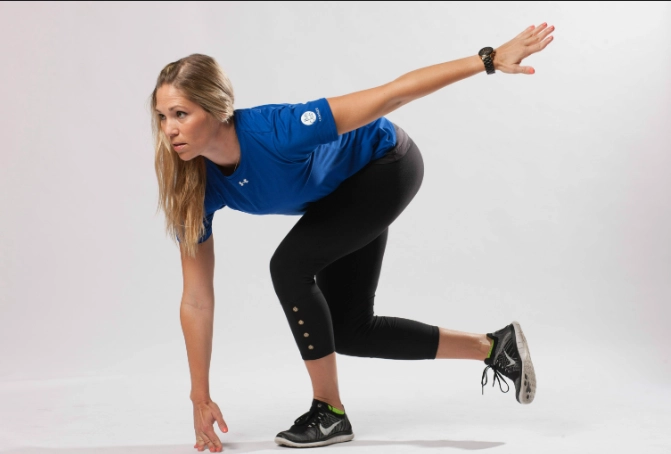 Give it a shot in your next workout. Just remember, it's not about how high or how far. It's about how well you can control that powerful, sideways spring. Happy jumping!