In This Article
- The Elephant on the Mountain: Climate Change and the Fight for Snow
- Tech on the Slopes: From Lifts to Apps and the Weird Stuff In Between
- Money, Access, and the New Ski Economy
- Sustainability: From Buzzword to Business Imperative
- Who's Going to Ski? Demographics and the Experience Itself
- Common Questions About the Future of Skiing (Answered Honestly)
- Final Thoughts: A Cautious Optimism
Let's be honest, the old model is getting shaky. You know the one: build a big lodge, hope for snow, sell lift tickets. It worked for decades, sure. But between weird winters, rising costs, and a generation that seems just as happy scrolling on a couch as schussing down a slope, the whole scene is in for a shake-up. Talking about the future of the ski industry isn't just about cooler chairlifts (though those are coming). It's about survival, reinvention, and maybe even finding a better way to connect with the mountains.
I remember a season a few years back where opening day kept getting pushed. The snow guns were working overtime, but it felt... desperate. That's when it hit me. This isn't a bad year; it's the new normal. And the industry knows it. From the mega-resorts out west to the local hills in New England, everyone's scrambling to figure out the next move. So, what's actually happening? What does the path forward look like for skiers, snowboarders, and the businesses that rely on them? Let's dig in, without the marketing fluff.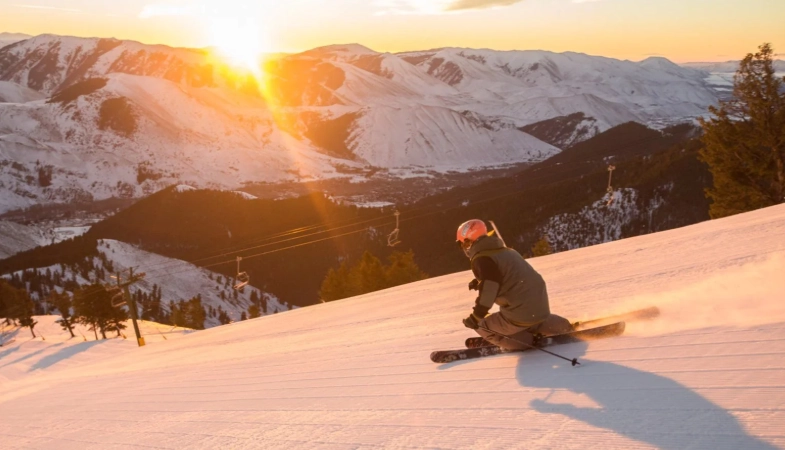
The Core Challenge: It's not one thing, it's a perfect storm. Shorter, less predictable seasons. Sky-high real estate pricing out locals. An aging core customer base. And this nagging question of environmental impact that won't go away. The future of skiing hinges on tackling all of these, not just one.
The Elephant on the Mountain: Climate Change and the Fight for Snow
You can't talk about the future of the ski industry without starting here. It's the biggest, most non-negotiable factor. It's not about whether climate change is real—the data from places like the National Ski Areas Association (NSAA) shows shorter seasons and increased reliance on snowmaking are already locked in. The question is how the industry adapts.
Snowmaking isn't just backup anymore; it's the main act for a lot of regions. But even that has limits. It's incredibly water- and energy-intensive, which creates its own PR and cost problems. The real innovation is in efficiency. We're seeing smarter snowmaking systems that use weather data and humidity sensors to make snow at the precise moment when it's most efficient, sometimes even at marginal temperatures. It's a tech arms race for the perfect fake flake.
Then there's the diversification play. Resorts are no longer just winter destinations. The future of ski resorts is as four-season mountain hubs. Mountain biking, zip-lining, concerts, hiking, alpine coasters—you name it. The goal is to make the massive infrastructure investment pay off for more than just 100 days a year. I've been to a few of these summer operations, and honestly, some are more vibrant in July than January. It's smart business, but it also changes the character of a place.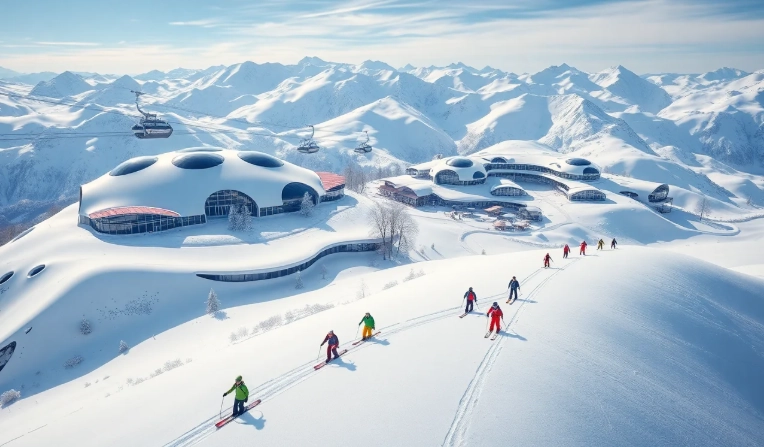
And let's not forget the advocacy piece. Groups like Protect Our Winters (POW), founded by pro athletes, are crucial. They're mobilizing the outdoor community to push for policy changes. Because the best snowmaking tech in the world fails if there's no cold air to use it. The industry's long-term health is tied directly to broader climate action. That's a tough pill for some, but it's reality.
Tech on the Slopes: From Lifts to Apps and the Weird Stuff In Between
This is the fun part. Technology is infiltrating every part of the ski experience, sometimes in ways that feel seamless, other times a bit gimmicky.
The Lift Line Revolution (Thank Goodness)
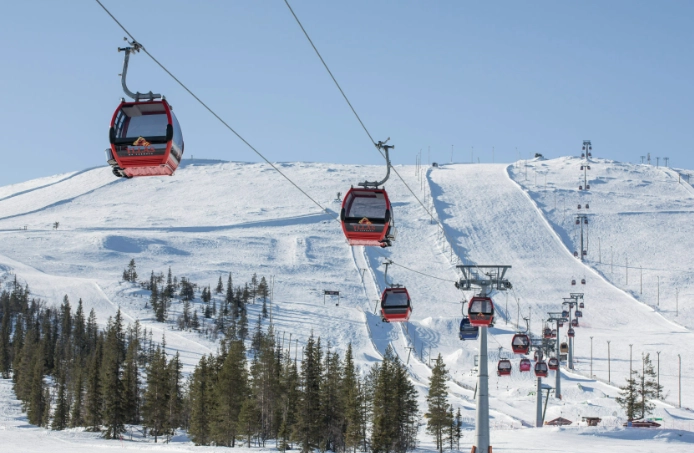
Remember the endless, frozen queues? The future of ski lift technology is saying goodbye to all that. High-speed, high-capacity gondolas and chairlifts are becoming standard. But the real game-changer is RFID. Your pass is in your pocket, you glide through a gate—it's smooth. It also gives resorts insane amounts of data: which runs are popular, traffic patterns, where people are spending time. This lets them manage crowds better and even dynamically suggest runs to you via an app to disperse skiers. It's a bit Big Brother, but mostly it just means less time standing around.
The App-Everything Experience
Your phone is becoming your resort concierge. Lift tickets, lesson booking, restaurant waitlists, real-time lift line wait times (a lifesaver), trail maps with your GPS location—it's all there. Some apps even track your vertical feet, speed, and runs skied. For the data nerd skier, it's paradise. For others, it feels like you can't escape the screen, even on the mountain. I'm of two minds. The convenience is undeniable, but I do miss the simple paper map sometimes.
Gear Gets Smarter (and Maybe a Bit Easier)
Ski and boot tech is always advancing, but the focus for the future seems to be on accessibility and performance. Think lighter, stronger materials (carbon fiber everywhere), and boots with customizable, heat-moldable liners that fit perfectly without a decade of packing out. For beginners, there are now system skis that are genuinely easier to turn. And then there's the weird frontier: heated gloves and socks that connect to a battery pack, or even smart goggles with heads-up displays showing your speed, navigation, and maybe even messages from your friends. Cool? Absolutely. Necessary? Debatable. But it's where the money for R&D is going.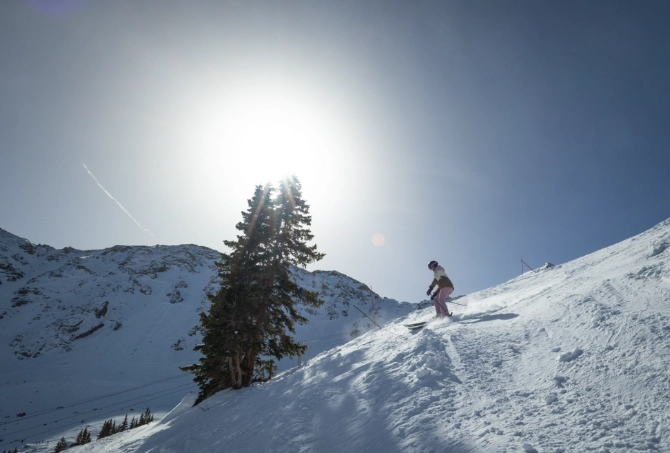
A quick word of caution: All this tech costs a fortune. Those multi-million dollar lifts and app development teams aren't free. Guess where that cost gets passed on? Yep, to us. The price of a lift ticket keeps climbing, partly to fund this innovation. It's a trade-off we're all making.
Money, Access, and the New Ski Economy
Here's the uncomfortable bit. Skiing has always been expensive, but it's hitting a tipping point. A family day trip can easily crest $500 when you factor in tickets, gear, food, and gas. That's unsustainable if you want to attract new, younger participants. The business models are morphing in response.
The season pass wars, ignited by Vail's Epic Pass and Alterra's Ikon Pass, have fundamentally changed the game. For the committed skier, they can be an incredible deal—access to dozens of resorts for the price of what 5-7 days used to cost. But they've also led to overcrowding at popular destinations and put immense pressure on smaller, independent mountains that aren't on a mega-pass. It's a centralizing force. The future of the ski industry might see fewer, larger resort networks.
What about the little guy? Independent resorts are fighting back with niche appeal. They're focusing on community, lower prices, a purer experience. Some are even going co-op. They might not have the flashy tech, but they have soul and affordability. I hope they survive, because they're the incubators for new skiers.
Then there's the experience economy. Resorts are layering on premium offerings: guided backcountry access, luxury yurt dining on the mountain, ultra-exclusive ski clubs within the resort. They're segmenting the market. If you can't compete on price with the mega-passes, compete on unique, high-margin experiences.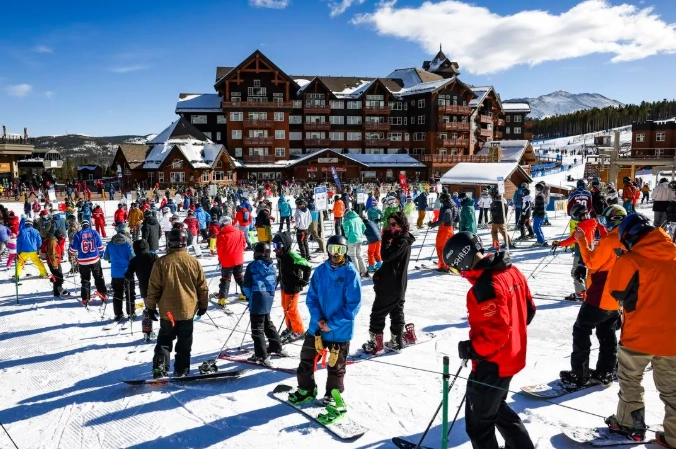
| Business Model | How It Works | Pros for Skier | Cons / Considerations |
|---|---|---|---|
| Mega-Pass (Epic, Ikon) | Pay one price for season access to a vast network of resorts. | Unbeatable per-day cost for frequent travelers; flexibility. | Can lead to overcrowding; less money goes to individual resorts. |
| Independent Resort Season Pass | Traditional pass for a single mountain or small local group. | Supports local business; often less crowded; community feel. | No destination variety; may not be cheaper if you travel. |
| Dynamic/Day-of Pricing | Ticket price fluctuates based on demand, weather, date. | Can snag deals for off-peak days; rewards planning. | Peak days become extremely expensive; unpredictable cost. |
| All-Inclusive Packages | Lodging, lifts, rentals, sometimes lessons/food bundled. | Simplifies planning; can offer good value for families. | Less flexibility; often tied to specific lodging partners. |
It's a lot to navigate.
The bottom line: the financial model of the ski industry is cracking and reforming in real time. Your loyalty as a customer is now a battleground.
Sustainability: From Buzzword to Business Imperative
Greenwashing won't cut it anymore. Skiers love the outdoors—it's why we're there—and we're increasingly holding resorts accountable. The future of the ski industry is inextricably linked to genuine environmental stewardship. This goes way beyond recycling bins in the lodge.
We're talking about major infrastructure shifts. Resorts are investing in renewable energy to power their operations. Solar farms, wind power purchases, and hydroelectric projects are becoming common sights. Some are even putting solar panels on the roofs of their lift shacks and lodges. The goal is to get to net-zero emissions for their direct operations, a commitment many have publicly made.
Water is the other huge piece. Efficient snowmaking is step one. Step two is water reclamation and storage—collecting spring runoff in reservoirs to use for snowmaking in the winter, reducing the drain on local watersheds. It's a complex, expensive engineering challenge, but it's critical for social license to operate, especially in drought-prone areas.
On the ground, you'll see more electric vehicle charging stations, commitments to reduce single-use plastics in cafeterias, and greener building standards for any new construction. The NSAA's Sustainable Slopes program provides a framework for a lot of this. It's not perfect, but it's a start. As a skier, I'm starting to look for these credentials when I choose where to spend my money. It matters.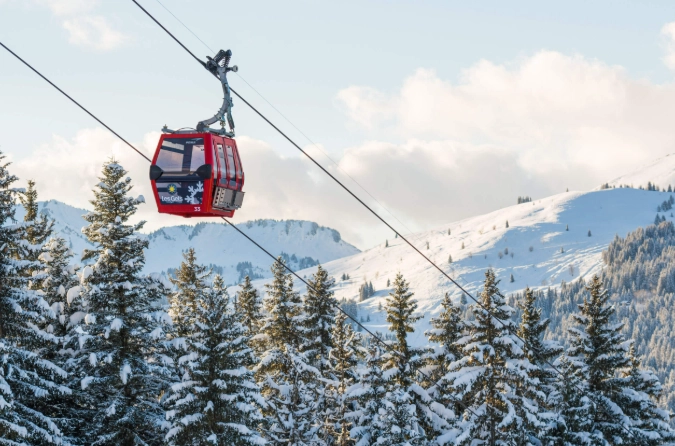
Who's Going to Ski? Demographics and the Experience Itself
The core skier is aging. Full stop. The industry desperately needs to attract younger, more diverse participants to have a future. This isn't just about marketing; it's about fundamentally rethinking the on-ramp to the sport.
First, the cost barrier is massive. Creative pass products for young adults (like the Epic Pass's college pass), robust learn-to-ski packages that bundle rental, lesson, and beginner lift ticket at a sane price, and family discounts are essential. Some mountains are even doing “ski after 3 pm for free” deals to get locals hooked.
Second, the vibe matters. For decades, ski culture had a gatekeepy, exclusive, even intimidating aura. That's changing. Resorts are working hard to be more welcoming, inclusive, and fun-focused rather than purely performance-focused. More terrain parks with progression-focused features, better beginner zones that aren't just a boring cat track, and apres-ski scenes that aren't just about loud beer halls—think live music, food trucks, fire pits.
I took a friend who had never skied before to a resort that had a fantastic beginner area with a magic carpet, a slow chairlift, and a patient instructor. The whole area was separate from the experts flying by. It made all the difference. She had a blast instead of feeling terrified. That intentional design is key to the future of skiing participation.
Common Questions About the Future of Skiing (Answered Honestly)
Let's tackle some of the things I hear people asking all the time.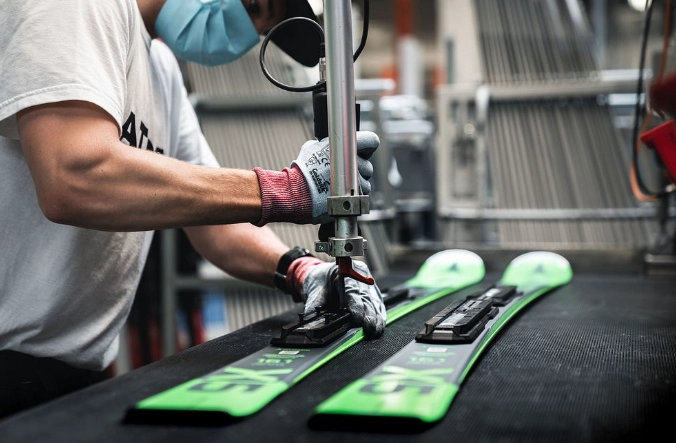
Final Thoughts: A Cautious Optimism
Looking at the future of the ski industry can feel daunting. The challenges are real, systemic, and expensive. Sometimes the corporate feel of the big resorts makes me nostalgic for something simpler that may never come back.
But.
There's also incredible innovation happening. The push for sustainability, while driven by necessity, is a good thing. The technology, when applied thoughtfully, makes the experience better—less waiting, more skiing. The focus on accessibility and beginner experience is long overdue and crucial.
The soul of skiing—that feeling of gliding through a quiet forest, the rush of a steep descent, the camaraderie of a chairlift ride—that hasn't changed. The industry's job is to build a sustainable, accessible, and financially viable framework that allows more people to discover that feeling. It's a tall order.
My advice? Support the resorts that are doing it right—investing in their community and their environment. Be open to the changes, even the weird tech ones. And most importantly, get out there. The future of the ski industry will be written by those who show up, who care, and who are willing to adapt along with it. The mountains aren't going anywhere. How we play on them is what's evolving.