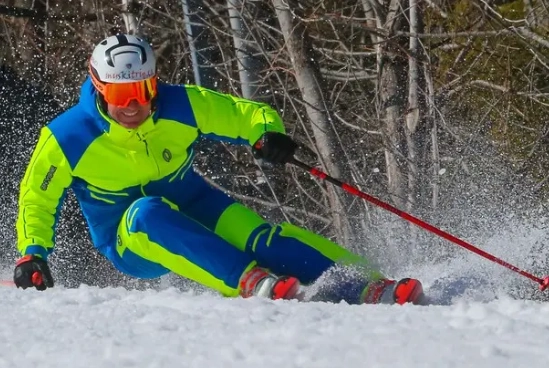
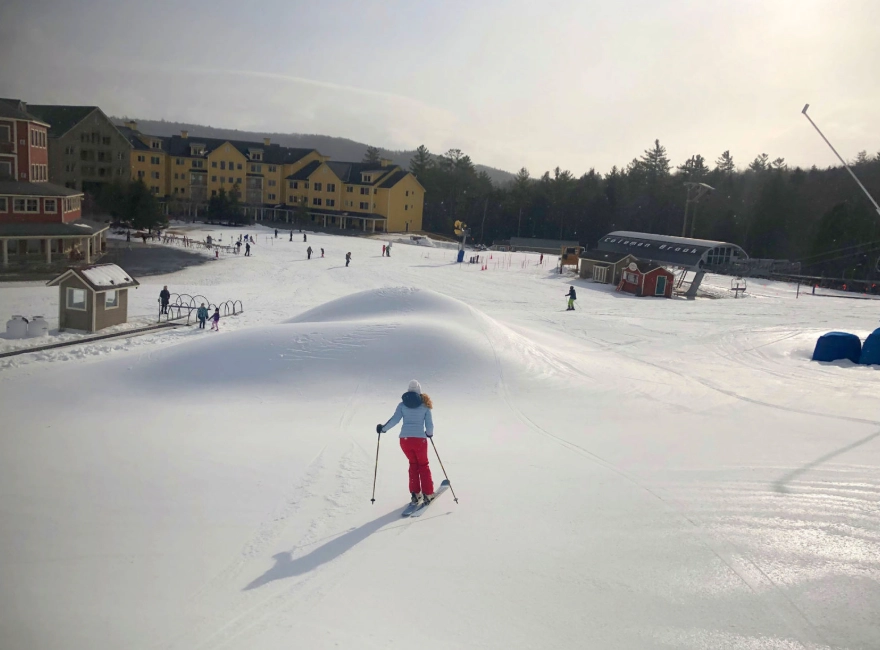
I used to think summer skiing was a gimmick. Something for pros or the insanely rich. Then I spent a July morning carving turns on the Hintertux Glacier with the sun on my back, followed by an afternoon hike in a t-shirt. The combo is addictive. It's not about replacing winter, it's a different sport entirely—one that mixes crisp mountain air with the freedom of a summer day.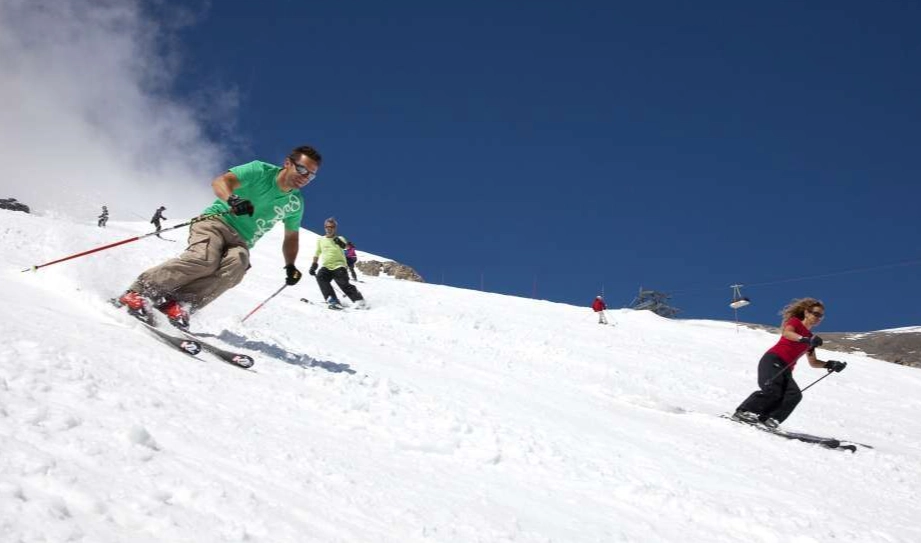
What's Inside This Guide
Where to Find Snow in Summer
Forget powder days. Summer skiing is about corn snow, glaciers, and sometimes, giant freezers in the desert. The quality varies wildly, and picking the right spot makes or breaks the trip.
The Alps are the undisputed king. Massive glaciers high up (usually above 2,700 meters / 8,850 feet) keep the snowfield intact. But here's the kicker—they're not full resorts. You're skiing on a preserved river of ice, which means limited terrain, often just a few lifts serving a specific glacier bowl.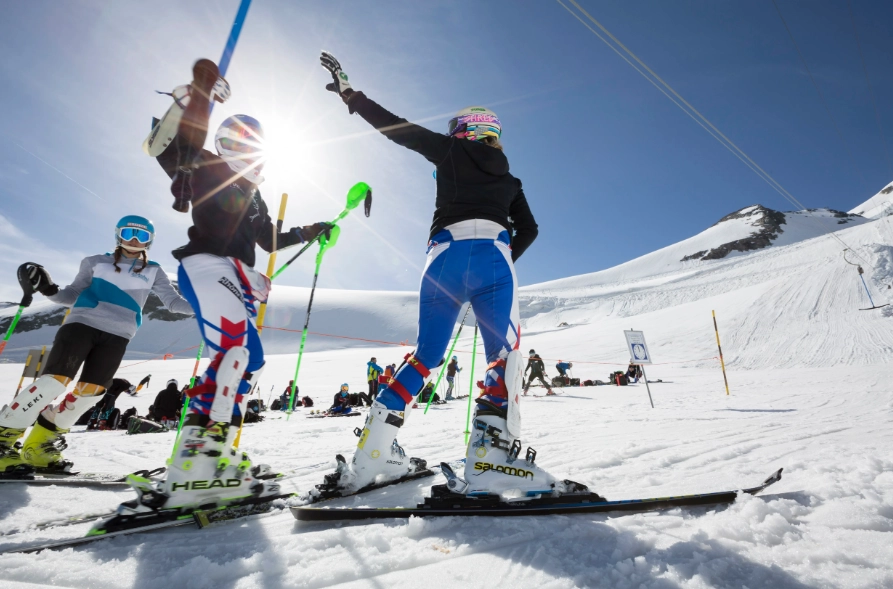
Pro Tip: Always, and I mean always, check the specific glacier's website for opening status and lift hours before you travel. A warm spring or sudden heatwave can shut things down temporarily. I learned this the hard way with an unplanned "hiking weekend" in Austria.
Top Summer Ski Destinations: A Quick Comparison
| Destination | Country | Ski Area Name | Best For | Typical Season | Key Notes |
|---|---|---|---|---|---|
| Hintertux | Austria | Hintertux Glacier | Year-round skiing, families, training | 365 days | The most reliable. Offers a fun park and beginner areas even in August. |
| Zermatt | Switzerland | Matterhorn Glacier Paradise | Scenic views, long runs, intermediates | Late June - Sept | Ski with the Matterhorn in view. Connects to Cervinia (Italy). Expensive. |
| Tignes | France | Grande Motte Glacier | Freeriders, park skiers, groups | Late June - Early Aug | Lively summer town. Good mix of runs and a renowned summer snowpark. |
| Saas-Fee | Switzerland | Saas-Fee Glacier | Car-free village, all abilities | July - Sept | Charming village. The Allalin glacier offers a long, scenic descent. |
| Valle Nevado | Chile | Valle Nevado / Portillo | Deep winter experience, powder | June - Oct | It's full winter here. Long, challenging runs. A major trip from the Northern Hemisphere. |
| Dubai | UAE | Ski Dubai | Beginners, novelty, beating the heat | Year-round | Indoor. Perfect for first-timers or a quirky stopover. It's -4°C inside while it's 40°C outside. |
The Southern Hemisphere is the other classic answer. Resorts in the Andes (Chile, Argentina) and New Zealand have their peak season during our summer. You get genuine winter conditions—the possibility of powder, full resort operations. The trade-off is the travel time and cost.
Then there's the indoor option. Places like Ski Dubai (UAE), SnowWorld in the Netherlands, or indoor centers in China and the UK. They get a bad rap from purists, but they're brilliant for beginners. The snow is consistent, the temperature controlled, and you can get a 2-hour lesson without worrying about altitude or weather.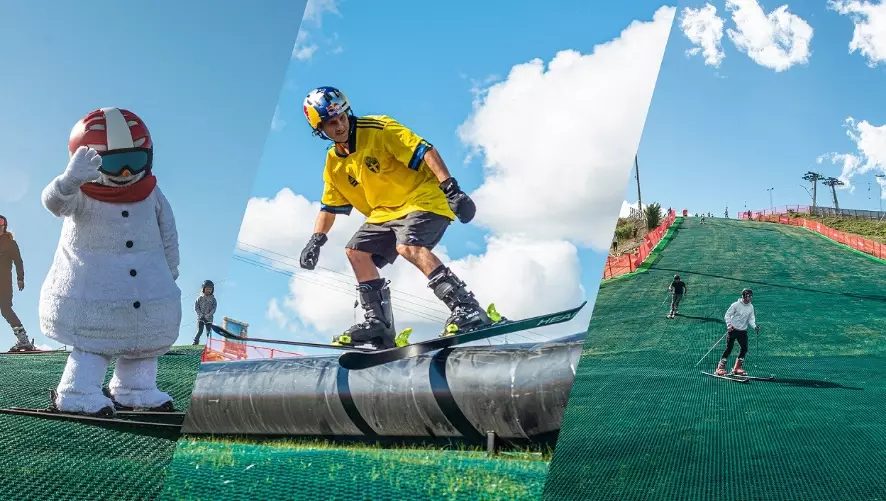
Summer Ski Gear: The Non-Negotiables
Your standard winter kit needs a summer overhaul. The sun is your biggest enemy and your best friend.
Let's talk about the sun. At 3,000 meters, UV radiation is intense. I've seen more goggle tans and burnt lips in one summer session than in a whole winter. You need a defense system:
- Sunscreen: SPF 50+, mineral-based (zinc oxide), and labeled for high altitude or sports. Apply it thickly to every exposed spot—ears, under the chin, the back of your neck. Reapply every two hours, no excuses.
- Ski Mask/Buff: Not for warmth, for shade. A light, moisture-wicking neck gaiter you can pull over your nose and cheeks. It's a physical barrier the sun can't penetrate.
- Goggles: This is where people cheap out. You need lenses with a high VLT (Visible Light Transmission) for bright sun—think rose, amber, or dark grey. More importantly, they must have 100% UV protection. Cheap lenses can dilate your pupils in low light but let in UV, causing snow blindness.
Clothing is a layering puzzle. The base layer should be super lightweight and sweat-wicking. A simple athletic shirt often works better than a thick thermal. The mid-layer is a thin fleece or a lightweight insulated vest—something you can stuff in a backpack. Your outer shell is just for wind and the occasional wet snow spray in the afternoon. Skip the heavy insulated jacket.
Skis? The snow cycle is brutal. It freezes hard overnight, turns to perfect corn around 10 AM, and becomes heavy slush by 1 PM. An all-mountain ski with a bit of width (85-100mm underfoot) handles this variable stuff better than a pure carving ski or a fat powder board.
How to Plan Your Summer Ski Trip
This isn't a "show up and ski" deal. A little planning turns a good trip into a great one.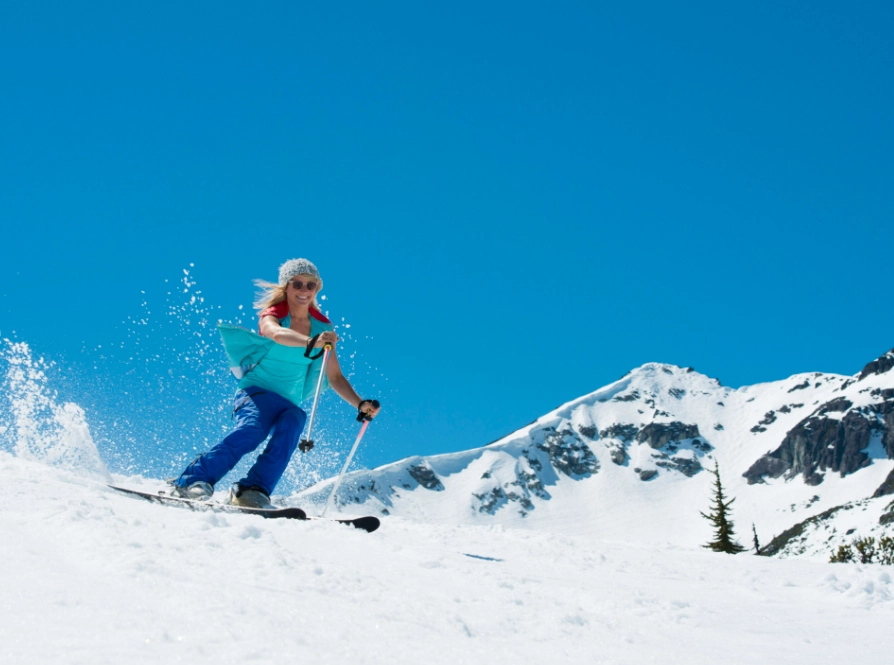
The Itinerary: Mix Skiing with Summer
The beauty is the dual-season day. Don't try to ski from first to last lift. You'll be exhausted and miss the point.
A perfect day looks like this: Up early for the first gondola (usually around 7:30-8:00 AM). Ski hard for 3-4 hours on the firm, fast corduroy or the softening corn. Have lunch on the mountain. Get off the slopes by 1 PM when the snow gets sticky. Change out of your boots (bliss). Spend the afternoon hiking to a mountain hut, swimming in an alpine lake, or mountain biking. The Apres-ski is a beer on a sunny terrace, not in a dark pub.
Here’s a sample 5-day trip framework for the Alps:
Day 1: Arrive in valley town (e.g., Sölden for Hintertux, Bourg-Saint-Maurice for Tignes). Acclimatize, rent gear if needed, easy hike.
Day 2: Morning glacier skiing. Afternoon explore the local town or take a cable car to a viewing platform.
Day 3: Dedicated non-ski day. Go via ferrata, mountain bike, or visit a nearby city (Innsbruck, Chamonix).
Day 4: Another morning ski session, maybe try a lesson or the terrain park. Afternoon lake visit.
Day 5: Final morning ski, depart.
Booking & Logistics
Lift passes are often sold as 4-hour or morning-only blocks. Buy these online in advance—it's usually cheaper and guarantees your spot on busy days. Accommodation is easier and often cheaper than in winter. Stay in the valley towns, not necessarily right at the glacier cable car, for better restaurants and more summer activity options.
And have a Plan B. If the weather closes the glacier (whiteout or rain), be ready to switch to that hike, via ferrata, or museum visit. Flexibility is part of the summer ski mantra.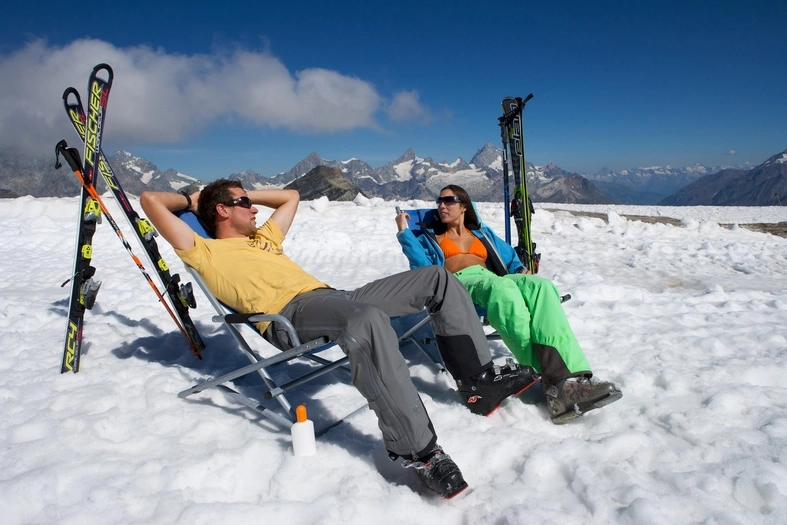
Your Summer Skiing Questions Answered
 Is summer skiing good for beginners?
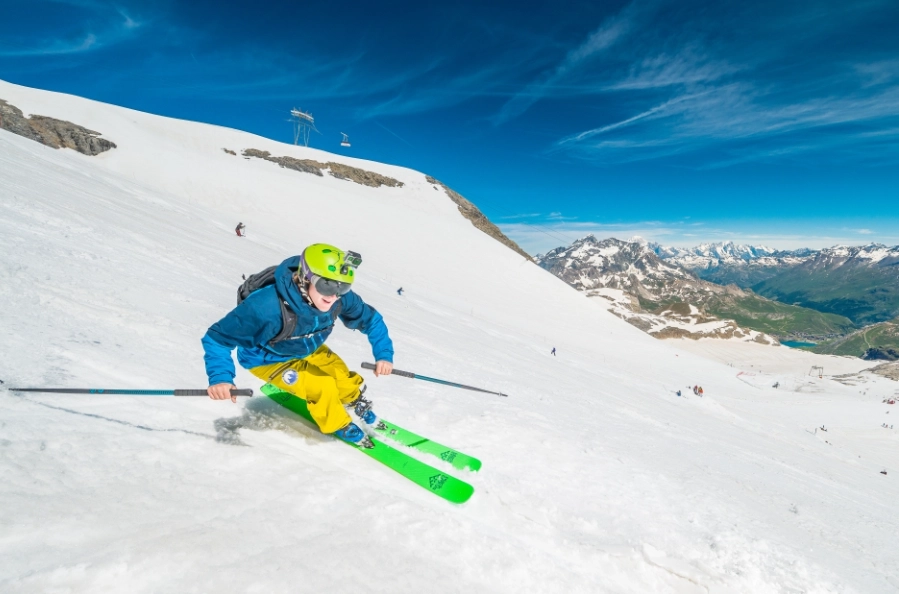
Summer skiing strips the sport down to its basics: the turn, the mountain air, the sheer joy of sliding on snow under a blue sky. It's less about the vertical and more about the experience. Pack your sunscreen, keep your plans loose, and get ready for a version of skiing you probably never imagined.