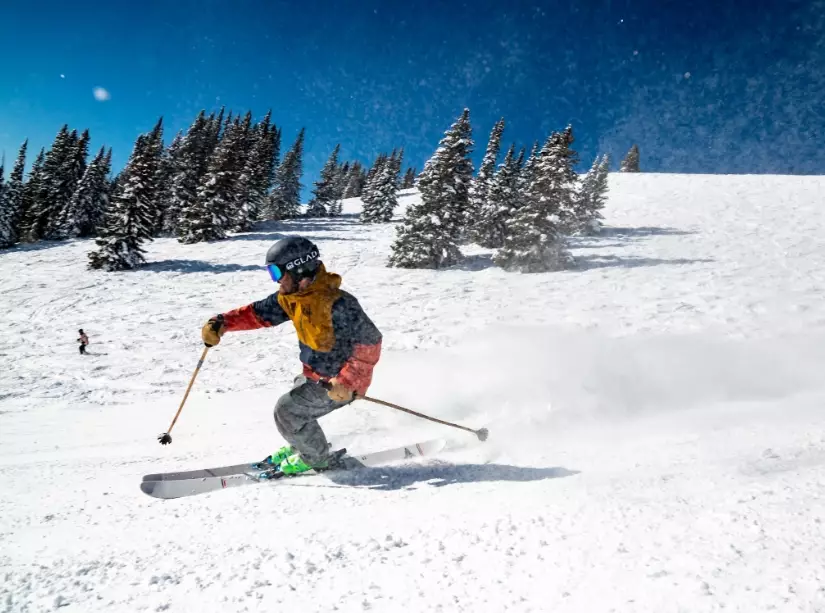
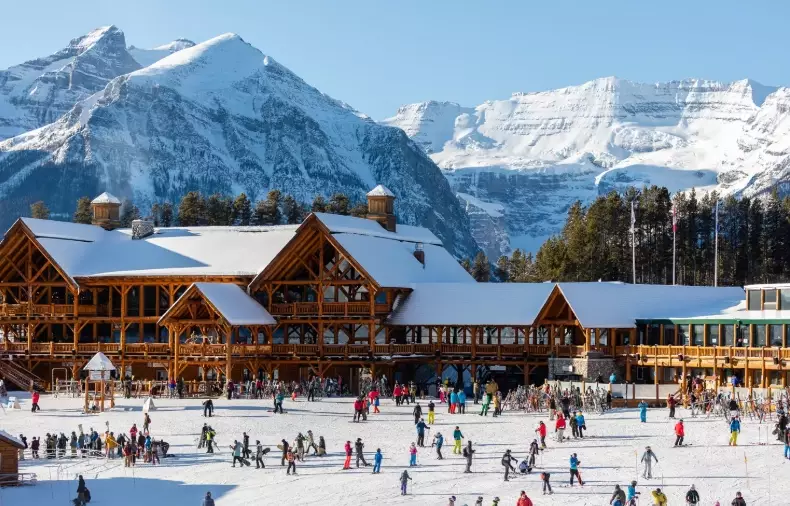
Carving skis aren't just another piece of gear—they're a game-changer for anyone tired of skidding turns on groomed runs. I remember my first season with a proper carving ski; suddenly, those icy blue squares felt like butter. But here's the thing: most skiers buy them based on marketing hype, not real performance. Let's cut through the noise. This guide will show you how to pick, use, and care for carving skis so you actually improve, not just look good.
What You'll Find Inside
Choosing Your Carving Skis: A Data-Driven Approach
Picking the right carving ski feels overwhelming, right? You see terms like "sidecut radius" and "torsional stiffness" and wonder if it's all just jargon. It's not. After coaching dozens of skiers, I've found that three factors matter most: sidecut, length, and width. Get these wrong, and you'll fight your skis all day.
Sidecut Radius: The Secret to Sharp Turns
Sidecut radius determines how tightly your skis turn. Measured in meters, it's the radius of the circle your ski would make if you traced its edge. Shorter radius (like 12m) means quicker, snappier turns—great for slalom-style skiing. Longer radius (18m+) offers stability at speed, perfect for giant slalom or fast cruisers.
Here's where beginners mess up: they go too short. A 10m radius might sound fun, but on hardpack, it can feel twitchy and unstable. For most recreational skiers, 14-18 meters hits the sweet spot. It gives you control without sacrificing confidence. I once had a client buy 11m skis because they were "high-performance"; he spent the whole week battling wobbles at moderate speeds.
Check the manufacturer's specs. Brands like Atomic and Head list sidecut clearly. For reference, the International Ski Federation (FIS) sets competition standards, but recreational skis vary widely.
Length and Width: Finding Your Sweet Spot
Ski length isn't about height alone—it's about skill and aggression. A common myth: longer skis are harder to turn. With carving skis, longer lengths actually enhance stability and edge hold. If you're an intermediate pushing toward advanced, choose a ski that reaches between your chin and forehead when stood upright.
Width matters too. Carving skis are narrow, typically 65-85mm underfoot. This narrow profile bites into hard snow for crisp turns. But if you ski in variable conditions, consider a wider waist (80-85mm). It's a compromise: slightly less edge grip on ice, but better float in soft snow.
Let's say you're 175cm tall, ski mostly groomed runs in the Alps, and want to improve carving. Go for a ski around 170cm length, 75mm waist, and 16m sidecut. Brands like Rossignol and Fischer offer models fitting this profile, such as the Rossignol Experience series.
Pro Tip: Demo skis before buying. Many resorts have demo days where you can test different setups. I learned this the hard way after purchasing skis based on online reviews—they felt completely different on snow.
Mastering Carving Technique: Tips from a Seasoned Skier
Owning carving skis won't magically make you a better skier. I've seen too many people blame their equipment when it's really their technique. Carving requires a shift in mindset: from forcing turns to letting the skis do the work.
Avoiding the Top 3 Beginner Blunders
First, leaning back. It's instinctive when you're scared of speed, but it unweights the ski tips, killing edge engagement. Instead, keep your weight centered over the balls of your feet. Practice on gentle slopes by consciously pressing your shins into the boot tongues.
Second, rotating your shoulders. Carving turns come from the feet and knees, not upper body rotation. Focus on tipping your knees inward toward the turn while keeping shoulders facing downhill. It feels awkward at first, but it's key to clean arcs.
Third, not committing to the edge. Carving skis need aggressive angulation—that's the angle between your legs and the snow. Don't be shy; really dig those edges in. Start with wide turns to build confidence. The Professional Ski Instructors of America (PSIA) emphasizes this in their teaching manuals: edge angle directly correlates to turn quality.
I once filmed a student who complained her skis "wouldn't turn." The video showed her barely edging at all. After adjusting her stance, she carved perfect circles within an hour.
Drills to Improve Your Carving
Try this on a blue run: make railroad tracks. Aim to leave two thin, parallel lines in the snow—no skidding. It forces you to balance on the edges. Another drill: carve with your poles tucked under your arms. It prevents upper body movement.
If you're transitioning from all-mountain skis, expect a learning curve. Carving skis are less forgiving but more rewarding. Give yourself a few days to adapt.
Maintaining Your Carving Skis for Longevity
Carving skis are precision tools. Neglect maintenance, and they'll lose performance fast. I've seen skis with rusted edges that couldn't hold on ice, all because the owner "didn't have time" for a tune-up.
Edges are everything. Sharp edges are non-negotiable for carving. Dull edges cause skidding and reduced control. Tune them every 5-7 ski days if you're on hard snow. Use a file or diamond stone for minor touch-ups. For major work, take them to a professional. A good shop will sharpen to a 1-3 degree angle depending on conditions—steeper for ice, shallower for soft snow.
Base care matters too. Keep bases waxed to reduce friction. Hot wax every 4-6 outings, or use rub-on wax for quick fixes. Dry bases slow you down and make turning harder.
Storage is often overlooked. Don't leave skis in a damp garage. Wipe them down after each use and store horizontally in a cool, dry place. I made the mistake of storing mine vertically against a wall; the edges developed tiny nicks from pressure points.
Check bindings annually. Loose bindings can lead to premature release or injury. Most ski shops offer free binding checks at season start.
Carving skis aren't a magic bullet, but with the right choice and technique, they'll elevate your skiing. Start by demoing a few pairs, focus on those key drills, and don't skimp on maintenance. Before you know it, you'll be carving arcs that turn heads on the mountain.