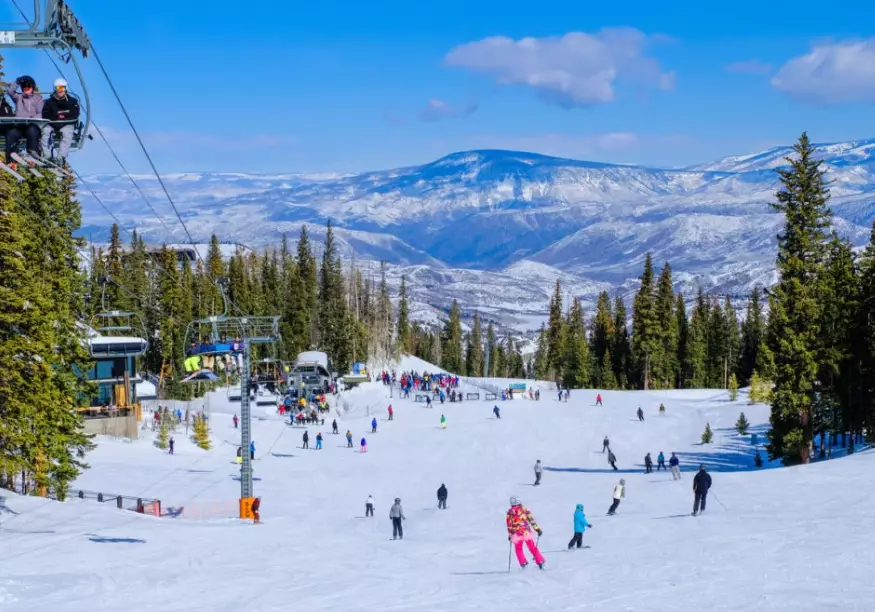
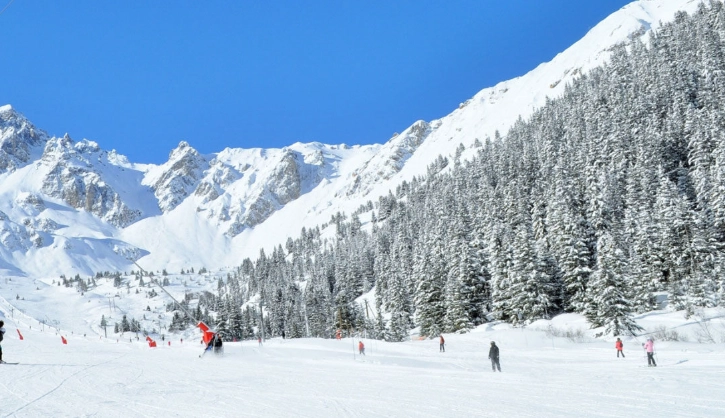
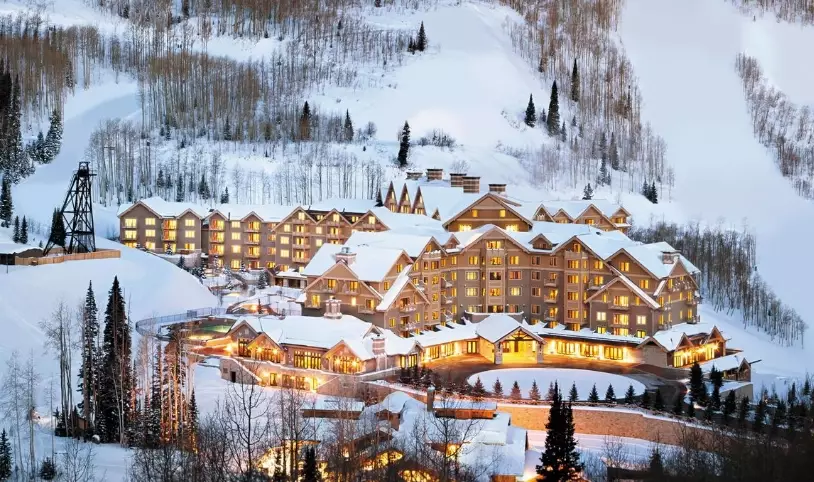
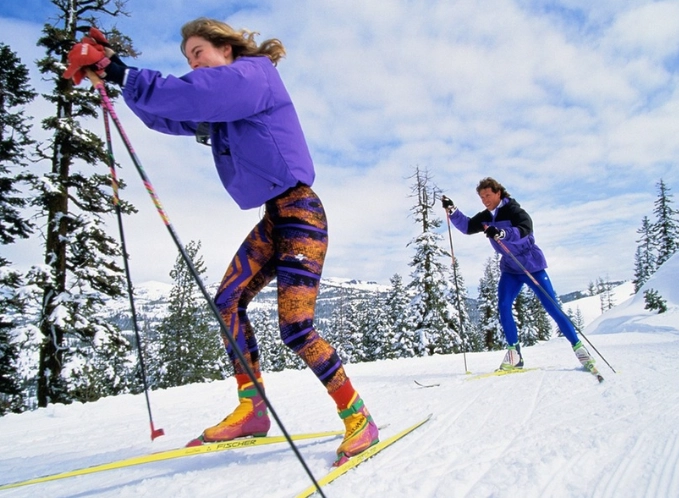
Ask ten skiers about the best ski resort in the world, and you'll get eleven different answers. That's because "best" is a personal equation. For a family from Texas, it might mean gentle slopes and a lively village with childcare. For a powderhound from Chamonix, it's all about untouched backcountry and vertical drop. Chasing a single, universal champion is a fool's errand. The real question is: what's the best ski resort for you?
I've spent over a decade chasing snow across continents, from the iconic Alps to the deep powder of Japan. I've paid for overpriced lift tickets and found incredible hidden gems. The mistake most people make is looking at a "Top 10" list and picking the biggest name, without considering if that resort's personality matches their own skiing style, budget, and travel goals.
Let's cut through the marketing hype. This guide won't just name a winner; it will give you the framework to be your own judge. We'll break down the elite contenders by category, dive into the nitty-gritty details you need to plan a trip, and tackle the real questions skiers ask before booking.
Your Quick Guide to Finding the Best Ski Resort
How to Define ‘Best’ for Your Ski Trip
Before we talk places, let's talk priorities. Your perfect resort is the one that scores highest on your checklist. Most skiers focus only on ski terrain size. That's a critical mistake. A resort with 10,000 acres of expert-only chutes is a nightmare for a beginner.
Here’s what you should really weigh:
- Terrain & Snow: Not just acreage, but the mix. What percentage is beginner/intermediate/expert? Is the snow reliable? Is it known for dry powder (like Utah's Greatest Snow on Earth) or is it more glacier-reliant?
- Village & Apres-Ski: Do you want a charming, car-free European village (Zermatt) or a convenient North American base lodge setup (Park City)? Is nightlife important, or do you prefer quiet mountain serenity?
- Access & Cost: How easy is it to get there? A long trek with multiple transfers adds cost and hassle. Lift ticket prices vary wildly—a day in Vail can cost nearly double one in many European resorts.
- For Whom: Are you traveling with non-skiers, young kids, or a group of hardcore experts? The needs are radically different.
A quick story: My first big Alps trip, I picked a resort famous for its extreme off-piste. It was incredible... for two days. Then a warm front hit, the snow turned to slush, and the village, built purely for skiing, had nothing else to do. I learned the hard way that a balanced resort is a resilient one.
The Top Contenders for Different Skiers
Based on the criteria above, here’s how the world's heavyweights break down. Think of this as a matchmaking service.
| Resort & Location | Best For | Key Strengths | Considerations | Approx. Lift Ticket (1-Day) |
|---|---|---|---|---|
| Whistler Blackcomb, Canada (British Columbia, 2h drive from Vancouver) |
All-Rounders, Groups with Mixed Abilities, Long Trips | Massive terrain (8,171 acres), reliable snow, vibrant village, top-tier amenities, summer glacier skiing. | Can be crowded, especially during holidays. Weather can be wet (coastal snow). | $160 - $180 CAD |
| Zermatt, Switzerland (Valais, connected to Cervinia, Italy) |
Scenery Seekers, Intermediates, Luxury Travelers, Summer Skiers | Iconic Matterhorn views, car-free village, extensive linked slopes, high-altitude snow reliability, year-round skiing. | Extremely expensive (food, lodging). Terrain can be less challenging for experts seeking steep chutes. | ~75 CHF (varies by season) |
| Vail, USA (Colorado, 2h drive from Denver) |
Intermediates, Families, Luxury & Convenience | Legendary Back Bowls for intermediates+, vast groomed runs, excellent ski school, convenient base area. | Very expensive, can feel corporate, expert terrain is limited compared to rivals like Jackson Hole. | $250 - $280 USD (peak) |
| Chamonix, France (Haute-Savoie, 1h from Geneva) |
Expert Skiers & Mountaineers, Off-Piste Adventurers | Unmatched extreme terrain (Vallée Blanche), authentic alpine town, access to the Mont Blanc massif. | Not a cohesive ski area—requires buses/trains between sectors. Less ideal for beginners. | ~€70 (per area pass) |
| Niseko, Japan (Hokkaido, 2h from Sapporo) |
Powder Hounds, Cultural Experience, Foodies | Consistently light, deep powder snow (Japow!), unique tree skiing, fantastic food, onsens (hot springs). | Can get very crowded with international visitors. Limited expert alpine terrain. Low elevation. | ~8,500 JPY |
The Family-First Champion: Beaver Creek, USA
While Vail gets the fame, its neighbor Beaver Creek often takes the crown for families. Why? The details. Free cookies at 3 pm at the base. Escalators from the parking garage so you don't have to walk in boots. A world-class ski school that makes learning fun. The slopes are meticulously groomed and less crowded than Vail's. It's expensive, yes, but for a stress-free family ski week where every logistical headache is smoothed over, it's hard to beat. The resort's address is essentially Beaver Creek, CO 81620, with the main lifts operating from 8:30 am to 4:00 pm.
The Expert's Playground: Jackson Hole, USA
For sheer in-bounds adrenaline, Jackson Hole Mountain Resort in Wyoming is legendary. The iconic Corbet's Couloir is just the poster child. The entire mountain feels designed for advanced skiers, with steep chutes, endless bumps, and incredible backcountry access (with a guide, please). The town of Jackson is a real, gritty Western town, not a fabricated village. It's not for the faint of heart—the mountain demands respect. But for an expert seeking a challenge, it's a pilgrimage site. Check the Jackson Hole Mountain Resort website for their famous steep & deep camps.
What Makes a Resort Great? Looking Beyond the Slopes
The skiing might get you there, but the overall experience brings you back. A common pitfall is underestimating the importance of the non-skiing hours.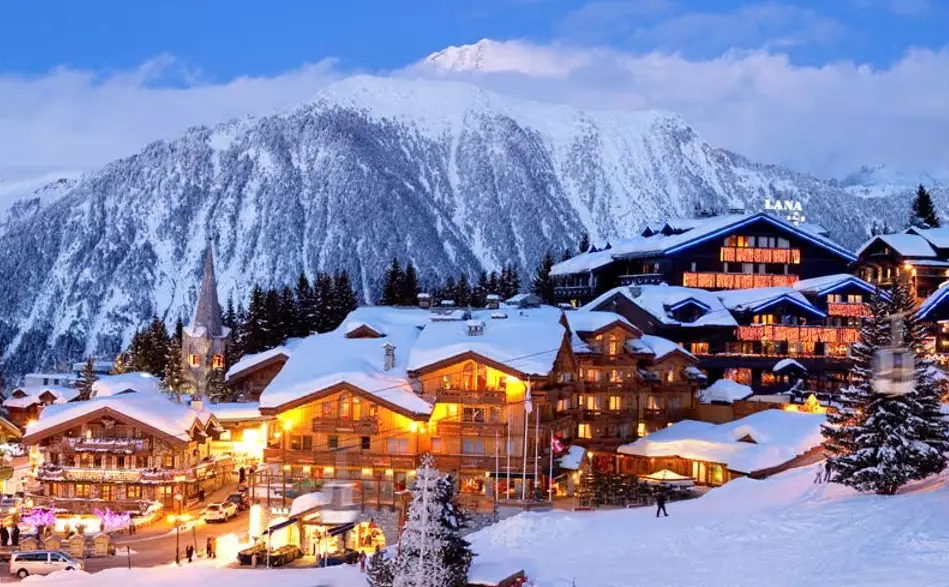
The Village Vibe: Places like St. Anton am Arlberg in Austria are as famous for their apres-ski (the MooserWirt is an institution) as for their skiing. Conversely, somewhere like Big Sky, Montana offers immense terrain with minimal lift lines but a quieter, more dispersed base area.
Food Matters: In the Alps, you can have a sit-down gourmet lunch on the mountain. In Japan, the ski hill ramen is a cultural event. In some North American resorts, you're stuck with overpriced burgers. Research the on-mountain dining—it's a big part of the day.
The Weather Wildcard: Coastal ranges (Whistler, Niseko) get more snow, but it can be heavier or come with rain. Continental climates (Colorado, Utah) offer drier powder but sometimes less consistent snowfall. High-altitude Alpine resorts (Zermatt, Val Thorens) have the best snow reliability late into the season.
How to Choose the Right Resort for You?
Time to make a decision. Follow this simple filter:
- Who's going and what's their skill level? If anyone is a beginner, prioritize resorts with excellent green runs and top ski schools (Beaver Creek, Park City).
- What's your budget (realistically)? Factor in lift tickets, lodging, food, and travel. Europe often has cheaper lift passes but more expensive on-mountain food. North America has expensive passes but often more condo-style lodging with kitchens.
- What experience do you want? Pure ski-eat-sleep? Or a blend of culture, nightlife, and other activities? This narrows you to either a purpose-built resort or a town with a ski hill.
- Check the snow history and forecast. Sites like OnTheSnow provide historical data. Don't book a trip to a low-altitude resort in early December expecting great conditions.
My personal, non-consensus tip? Consider the shoulder seasons. Late April in the Alps can mean sunny days, empty slopes, and half-price accommodation. The snow might be softer, but the experience is uniquely relaxed.
What About Ski Resorts in Japan or New Zealand?
They absolutely belong in the "world's best" conversation, but for specific reasons.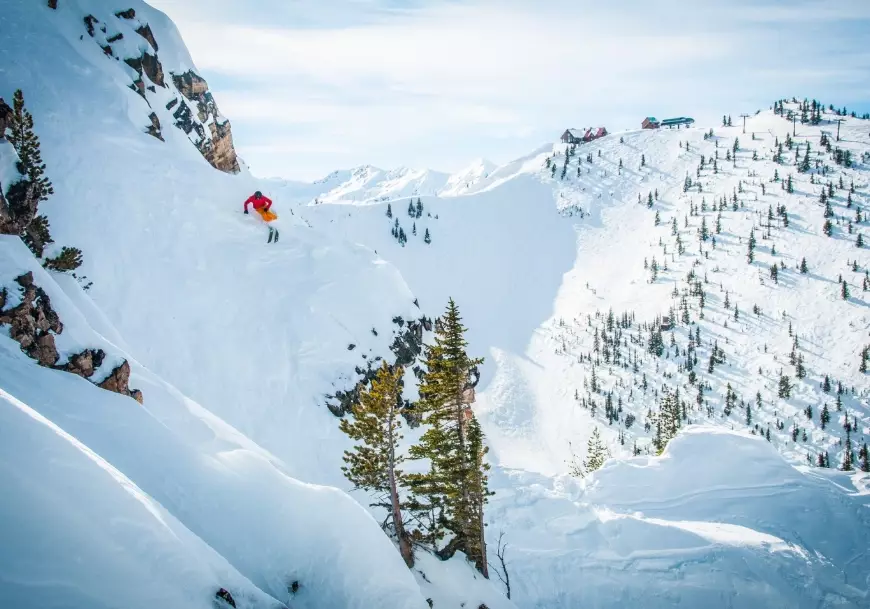
Japan (Hokkaido & Honshu): As mentioned, Niseko is the powder capital. But for a more Japanese experience, look at resorts like Rusutsu (less crowded, great trees) or Hakuba (multiple resorts, more alpine terrain). The snow quality is consistently phenomenal. The culture, food, and onsens create a completely different ski vacation. The main downside is the long flight for most Western travelers and potential language barriers outside major resorts.
New Zealand (South Island): Resorts like Treble Cone (near Wanaka) and The Remarkables (near Queenstown) offer stunning Southern Alps scenery and a long season (June-October). The vibe is adventurous, with heli-skiing and stunning backcountry. However, the snow is more variable than the Rockies or Hokkaido, and the terrain is generally smaller in scale. It's a fantastic choice for a ski trip combined with other New Zealand adventures in the summer (their winter).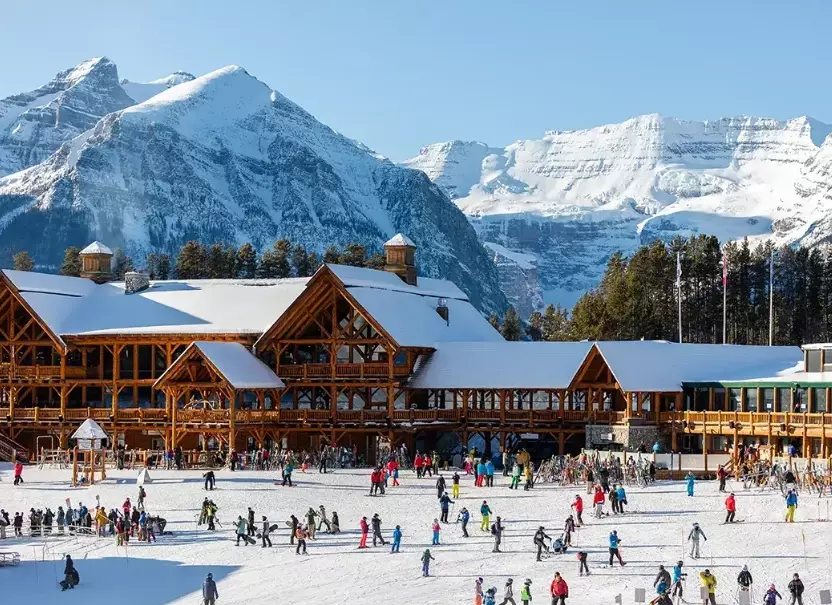
Your Ski Trip Planning Questions Answered
So, what is the best ski resort in the world? It's the one that fits your personal formula of terrain, vibe, budget, and travel party. Use this framework, be honest about what you really want from a ski vacation, and you'll find your own personal champion out there in the mountains. Forget the rankings. Start with what makes you happy on the snow, and work backwards from there. That's how you find the best ski resort—for you.