Quick Guide
- Breaking Down the Numbers: Ski Resort Jobs Salary by Position
- What Really Moves the Needle on Your Paycheck
- The Hidden Half of the Equation: Perks, Benefits, and Costs
- The Real Cost of Living in a Resort Town
- How to Actually Get the Best Ski Resort Jobs Salary Offer
- Common Questions About Ski Resort Jobs Salary (The Stuff You're Actually Wondering)
- The Final Word: It's Not Just About the Number
Okay, let's cut to the chase. You're dreaming of a winter in the mountains, fresh powder days, and getting paid to be there. But that little voice in your head (probably the sensible one) is asking: "Can I actually afford to do this?" The whole ski resort jobs salary question is the big one, and it's not always easy to find straight answers. Job postings love to say "competitive wages" or "plus tips," which tells you exactly nothing.
I've been there. I spent a season working lifts in Colorado and another serving food in Vermont. I've had friends who were instructors, patrollers, and hotel managers. We all swapped stories about paychecks, tips, and the constant juggle of making ends meet in some of the most expensive little towns in America.
So, here's the unfiltered breakdown. We're going to dig into the real numbers, the factors that make them swing wildly, and the stuff nobody puts in the brochure—like how much a gallon of milk costs when you're 9,000 feet up a mountain.
The Bottom Line Up Front: Don't expect to get rich. A ski resort job is a trade-off. You're trading maximum earning potential for a lifestyle and experience that's hard to put a price on. Your ski resort jobs salary will likely cover your basic living expenses (if you're smart and share a room), give you a free season pass, and maybe leave a little for a beer at the end of the week. The real "pay" is the skiing.
Breaking Down the Numbers: Ski Resort Jobs Salary by Position
This is what you came for. Let's get specific. Remember, these are approximate ranges for North American resorts (primarily the US and Canada) for the 2023-2024 season. They're based on job postings, industry reports, and, frankly, a lot of conversations in employee housing hot tubs. A small local hill in the Midwest will pay less than Vail or Whistler. An entry-level gig pays less than one requiring certifications.
| Job Title | Typical Pay Structure | Estimated Hourly Range (USD) | Estimated Monthly Take (Full-Time)* | Key Notes on Earnings |
|---|---|---|---|---|
| Ski/Snowboard Instructor | Hourly (low base) + Lesson Commissions | $15 - $25+ (base), $30-$100+/hr (private) | $1,800 - $5,000+ | Wildly variable. Group lessons pay low. Big money is in private lessons, especially with kids or high-end clients. Certification (PSIA/AASI) is crucial for higher pay. |
| Lift Operator | Hourly Wage | $16 - $22 | $2,200 - $3,000 | One of the most stable, predictable ski resort jobs salaries. Often includes overtime for early opens/late closes. Not much upward mobility in pay. |
| Ski Patrol | Hourly Salary (often higher) | $18 - $30+ | $2,500 - $4,000+ | Requires significant medical & avalanche training (OEC, EMT, etc.). Hazard pay sometimes included. Respected, demanding job. |
| Food & Beverage Server/Bartender | Hourly (often below min. wage) + Tips | $8 - $12 (wage) + TIPS | $2,500 - $6,000+ | Your ski resort jobs salary here lives and dies by tips. A busy bartender at a slope-side lodge can crush it. A server in the employee cafeteria will not. |
| Retail & Rental Tech | Hourly Wage + Commission (sometimes) | $16 - $20 | $2,200 - $2,800 | Commission on high-end sales (skis, boots) can add a nice bump. Less seasonal volatility than F&B. |
| Lodging/Hotel Front Desk | Hourly Wage | $17 - $23 | $2,300 - $3,200 | More regular hours, often includes guest service perks. Night audit shifts might pay a slight differential. |
| Mountain Operations/Grooming | Hourly Salary (often night shift) | $20 - $28+ | $2,800 - $4,000+ | Skilled trade. Requires mechanical aptitude or cat driving experience. Shift differential for nights is common. |
*Monthly estimate assumes roughly 160 hours/month. This is pre-tax and does not include potential deductions for housing or uniforms.
See that spread? A first-year instructor teaching beginner groups might scrape by on $2,000 a month, while a veteran patroller or a bartender in the right spot can clear double that. The ski resort jobs salary landscape isn't flat—it's a double black diamond run of variables.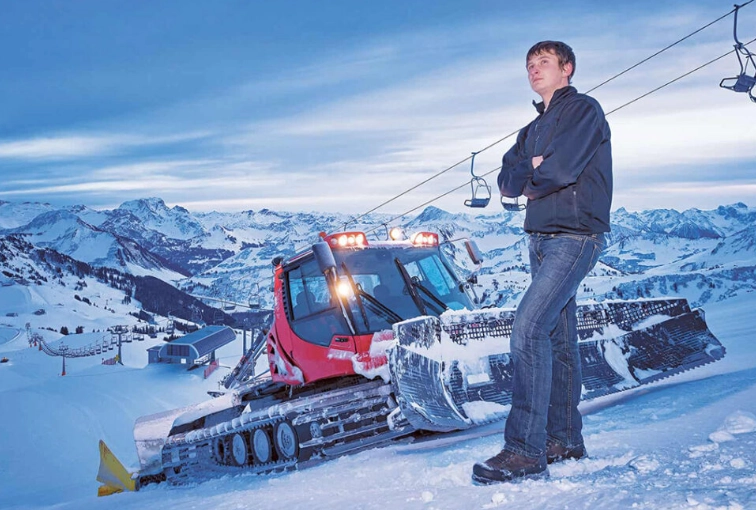
What Really Moves the Needle on Your Paycheck
The table gives you a baseline, but your actual number depends on a cocktail of factors. Ignoring these is how people end up broke by February.
1. Location, Location, Location (and Corporate vs. Independent)
This is the biggest factor after job title. Working at a mega-resort owned by Vail Resorts or Alterra in a destination town like Park City, Whistler, or Aspen will often come with a slightly higher base wage than a smaller, independent resort. Why? Higher cost of living and intense competition for workers.
But here's the twist.
The cost of living in those iconic towns can devour that higher wage. A studio apartment in Aspen might cost you your entire monthly salary. That's why employee housing isn't just a perk; it's a lifeline. The Bureau of Labor Statistics data for mountain towns consistently shows housing costs far above the national average. A corporate gig might offer better benefits (like a Epic or Ikon Pass that works at many resorts), while a local hill might have a more family feel and cheaper nearby towns.
Pro Tip: Always, always research the local rental market (Facebook groups are weirdly accurate) before you accept an offer. A $2/hr difference evaporates if your rent is $500/month higher.
2. Experience and Certifications: Your Ticket to a Better Ski Resort Jobs Salary
This is the clearest path to earning more. Resorts have clear pay scales for certified pros.
- Ski Instructors: A Level 1 cert from PSIA/AASI might get you a $1-2/hr bump. A Level 3 cert can mean $30+/hr base. The PSIA-AASI certification pathway is literally your pay ladder.
- Ski Patrol: An Outdoor Emergency Care (OEC) tech is the minimum. Adding EMT, Avalanche certifications, or rope rescue skills directly increases your value and pay.
- Any Job: Returning for a second season at the same resort almost always gets you a raise. They've already trained you. Loyalty has a small price.
3. The Tip Economy: Feast or Famine
If your job is tipped, your ski resort jobs salary is a mystery box. A holiday week with deep powder and long lift lines? Servers and bartenders are counting cash. A rainy, warm stretch in January? It's grim. Jobs that interface directly with wealthy vacationers (fine dining server, bellhop, private instructor) have the highest tip potential. Jobs serving fellow staff? Not so much.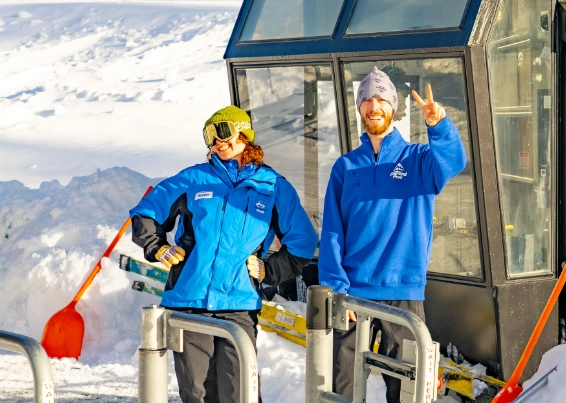
I knew a bartender at a slopeside champagne bar who paid for his entire season—rent, food, everything—with just his tips from December. His actual paycheck was pure savings. Meanwhile, my friend in the rental shop relied solely on his hourly wage, which was... predictable.
4. Hours and Overtime: The Grind
Most resorts are desperate for people who will work holidays. Christmas to New Year's, President's Week, Martin Luther King Jr. weekend—expect to work. This often means overtime (time-and-a-half pay), which can seriously inflate a thin paycheck. If you're willing to work night shifts (grooming, hotel audit) or early morning mountain setup, you might also get a shift differential.
Watch Out: Some salaried "manager" positions sound fancy but end up being 60-hour weeks with no overtime pay. Do the math on the hourly equivalent before you get excited about a $45k annual salary for a seasonal management role.
The Hidden Half of the Equation: Perks, Benefits, and Costs
You can't evaluate a ski resort jobs salary in a vacuum. The compensation package includes non-cash items that have real dollar value.
The Golden Ticket: Your Season Pass
This is the big one. An unlimited season pass to a major resort can cost a civilian $1,000 to $2,500. For staff, it's almost always free or heavily discounted (like $200). If you're a serious skier/rider, this is a massive part of your compensation. Some corporate resorts now give employees a pass that works at all their properties—a huge benefit for the wanderlust-filled.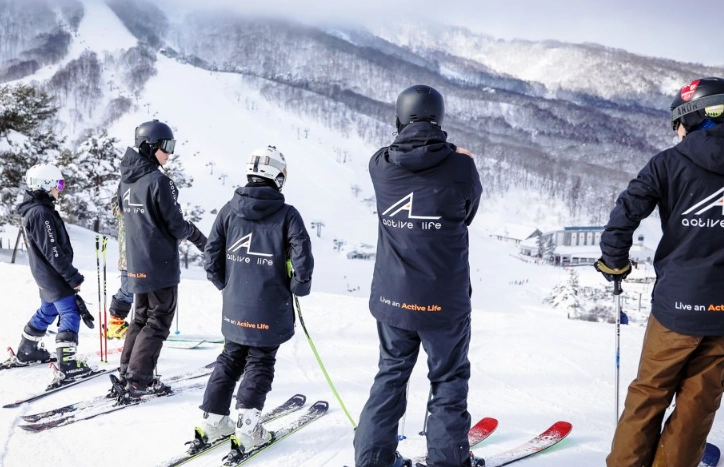
Employee Housing: Savior and Prison
This is the most double-edged perk. Yes, it solves the impossible housing crisis. It's usually subsidized, meaning you might pay $400-$800/month for a shared room instead of $1,500+ for your own place. It puts you right in the middle of the social scene.
But. It's often... rustic. Think dorm-style living, thin walls, and roommates on wildly different schedules. You're living where you work. For some, it's a blast. For others, it's claustrophobic. You need to know which type you are.
Other Discounts
Expect 20-50% off food at resort-owned eateries, discounts on gear in pro shops, and sometimes free or discounted lessons for family. These add up and directly reduce your cost of living.
The Real Cost of Living in a Resort Town
This is where dreams of a ski resort jobs salary go to die if you're not careful. Everything is more expensive.
- Groceries: A gallon of milk might be $6. A basic grocery run feels like luxury shopping. You learn to love rice, beans, and the employee cafeteria's cheap specials.
- Gas: Often 20-30% higher than in the nearest city.
- Entertainment: A beer at a bar? $8-$10. A pizza? $30. Your social life becomes potlucks in employee housing.
- Transportation: Many employees don't even have a car. Between gas, insurance, and the nightmare of parking, it's a money pit. Free shuttle systems are your friend.
Budgeting isn't a suggestion; it's a survival skill. That $18/hr lift op job might sound okay until you realize your share of the cramped apartment is $750/month and a loaf of bread is $5.
How to Actually Get the Best Ski Resort Jobs Salary Offer
You can negotiate. Not always, but often, especially if you have experience or certifications.
- Don't Be The First to Say a Number: When they ask your salary expectations, pivot. "I was hoping you could share the range for this position based on experience level."
- Use Your Leverage: Applying early (spring/summer for winter) shows initiative. Having a relevant cert or a returning employee referral gives you power.
- Negotiate the Whole Package: If the wage is fixed, ask about a signing bonus, a guaranteed housing spot (HUGE), or an extra day of PTO. "Is there any flexibility on the starting wage for someone with my [certification/experience]?"
- Get It In Writing: The offer letter should state your hourly rate, any guaranteed hours, and details on housing costs and pass benefits. No vague promises.
Common Questions About Ski Resort Jobs Salary (The Stuff You're Actually Wondering)
The Final Word: It's Not Just About the Number
After all this talk about ski resort jobs salary, I'll leave you with this. When I look back on my seasons, I don't remember the exact amount on my paychecks. I remember the sunrise from the top of the lift, the friendships forged in employee housing, the feeling of earning my turns (and my rent).
You go for the lifestyle. You work to support the habit. The money is a means to an end.
Go in with your eyes open. Crunch the numbers for your specific situation—the resort, the job, the housing offer. Budget like a hawk. And then, if it pencils out even remotely, do it. The currency of the mountains isn't just dollars and cents. It's powder days and memories. Just make sure you can afford the coffee to enjoy them.
Your Next Step: Don't just look at the resort's "Careers" page. Find employee-run social media groups for the specific resort you're targeting. Ask questions there. You'll get brutally honest answers about pay, housing, and management that the official HR page will never provide. That's where you'll find the real ski resort jobs salary scoop.