Quick Navigation
- Why Bother Building a Homemade Ski Lift?
- The Heart of the System: Planning Your DIY Rope Tow
- The Build: A Step-by-Step Walkthrough
- The Non-Negotiable: Safety and Operation
- Troubleshooting Common DIY Rope Tow Problems
- Frequently Asked Questions (The Stuff You're Really Wondering)
- Wrapping Up: Is a Homemade Ski Lift Right for You?
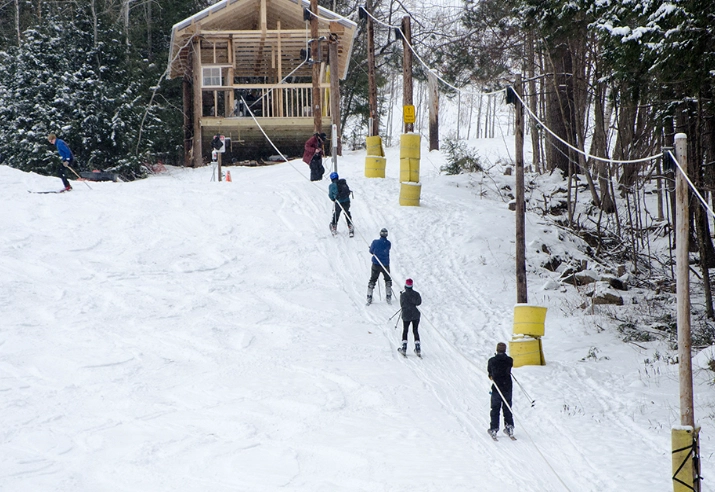
Let's be honest, lift tickets are getting ridiculous. You drive for hours, pay a small fortune, and then spend half your day in line. What if you could just walk out your back door and ski? That's the dream a DIY rope tow makes real. It's not some fantasy for millionaires with mountain estates. I'm talking about a practical, functional system you can build over a weekend without breaking the bank. The core idea is simple: a motor pulls a rope uphill, and you hang on. The execution, though, needs some careful thought.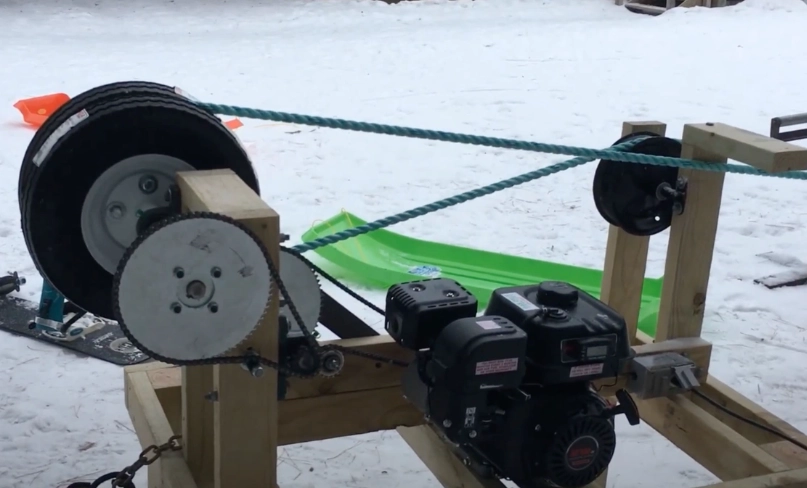
I helped a friend build one last season on his property in Vermont. It wasn't all smooth sailing—we definitely learned a few things the hard way about tension and anchor points. But seeing his kids (and us, let's be real) lap their little hill endlessly was worth every frozen finger and minor frustration.
This guide will walk you through the whole process, from picking your hill to that first glorious ride up. We'll cover the good, the bad, and the absolutely critical safety stuff you cannot skip. Forget the overly technical engineering plans you find on some forums. This is about building something that works, safely, and gets you skiing.
Why Bother Building a Homemade Ski Lift?
Before we dive into wrenches and wire rope, let's talk about why you'd want a backyard rope tow. It's not just about saving money on lift tickets, though that's a huge perk. It's about freedom. No schedules, no crowds, just pure, repetitive skiing or snowboarding. Perfect your turns, teach your kids, or just get a quick dozen runs in before breakfast. The convenience factor is unbeatable.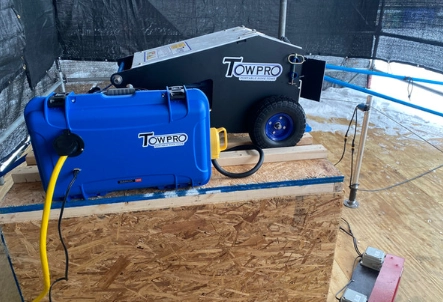
But it's not all sunshine and powder. There are downsides. Maintenance is on you. If something breaks in a blizzard, you're the repair crew. It requires a suitable piece of land with the right slope. And there's a real responsibility factor when it comes to safety for anyone using it. You're the operator and the liability manager. Still interested? Good. The rewards massively outweigh the hassles if you do it right.
The Heart of the System: Planning Your DIY Rope Tow
Jumping straight to buying parts is a recipe for wasted money. Planning is everything. The most common mistake? Underestimating the power needed or overestimating the strength of your anchors. Let's get the foundation right first.
Finding and Assessing Your Hill
Not every slope will work. You need a clear, consistent run. Dense trees or big boulders in the middle are a no-go. Ideal length for a starter DIY rope tow is between 150 and 400 feet. Anything longer gets exponentially more complex with tension and motor requirements. The slope grade is key too. A 15-25% grade (that's about a 8-14 degree angle) is the sweet spot. Steeper than 30% and holding onto the rope becomes a serious upper-body workout; shallower than 10% and you might not get enough momentum.
Walk the line. Seriously, walk exactly where you want the rope to go. Look for obstacles, changes in grade, and identify your top and bottom anchor points. These anchor points are non-negotiable. They must be immovable. A large, healthy tree (at least 12 inches in diameter) is the classic and best solution for the top anchor. For the bottom, a massive concrete deadman buried below the frost line, or a rock outcrop you can securely bolt into. A flimsy fence post or a small shed will not hold. It will fail, dangerously.
Choosing the Right Power Source
This is where projects can stall. You need a motor with enough torque to pull multiple people up a wet, snowy rope. Lawnmower engines typically don't cut it. Here's a quick breakdown of the common options:
| Power Source | Best For | Pros | Cons & My Take |
|---|---|---|---|
| Electric Motor (e.g., old treadmill motor) | Shorter tows near a power source. | Smooth, quiet, variable speed control. Easy to start/stop. | Needs heavy-gauge outdoor-rated wiring. Power outage = no skiing. Can be pricey for a high-torque model. |
| Gas Engine (e.g., 8-13 HP industrial/snowblower engine) | Most common and reliable for medium-length tows. | Portable, powerful, independent of grid power. | Noisy, requires fuel, maintenance (oil, spark plugs). Needs a proper centrifugal clutch. The workhorse choice. |
| ATV or Riding Mower | Ultra-budget, temporary, or very low-tow setups. | You might already have one. Mobile. | Not designed for continuous duty. Will wear out your transmission quickly. I don't recommend this for anything beyond testing. |
| Winch Motor | Direct-drive simplicity. | Built-in gear reduction for high torque. Often waterproof. | Speed is usually fixed and very slow. Can overheat. A good option if you find a heavy-duty one cheap. |
For my money, a used 10-13 HP gas engine with a centrifugal clutch is the gold standard for a DIY rope tow. It's got the guts, it's repairable, and you can find them on marketplace sites or at small engine shops without too much trouble. The clutch is crucial—it lets the engine idle at the top while riders grab on, then engages smoothly as they pull the rope.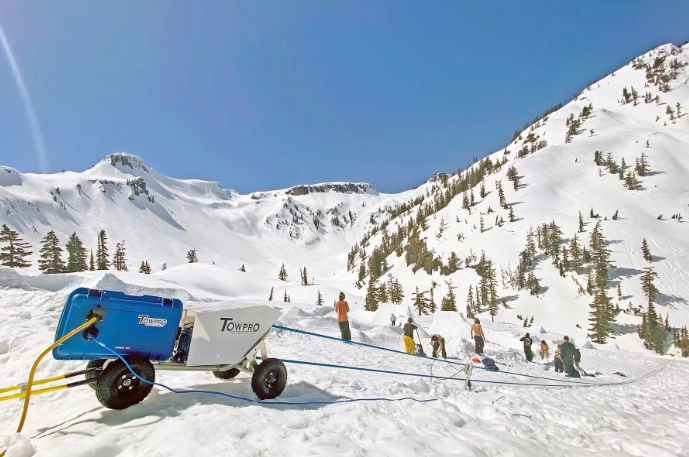
The Big Three Components You Can't Compromise On:
- The Rope/Cable: This isn't clothesline. You need wire rope (also called cable). Nylon rope stretches too much and wears quickly. Look for 3/16" or 1/4" galvanized aircraft cable (7x19 strand is flexible). It's strong, doesn't stretch, and handles the sheaves (pulleys) well. Get a swaging tool and sleeves to make loops (eyes) at the ends.
- The Sheaves (Pulleys): Standard V-groove pulleys will destroy your cable. You need deep-groove sheaves designed for wire rope, with sealed bearings. The top and bottom turnarounds see the most stress—don't use cheap hardware store pulleys here. Check sites like McMaster-Carr for proper sheaves.
- The Tensioning System: Cable sags when loaded. You need a way to take up slack. A simple come-along (hand-operated winch) or a tensioning pulley on a sliding carriage attached to a heavy spring or counterweight works. A fixed, non-adjustable cable will derail and cause havoc.
The Build: A Step-by-Step Walkthrough
Okay, you've got your hill, your motor, and a pile of parts. Let's put it together. I'm going to describe the most common and reliable setup: a gas-engine-powered tow with a continuous loop cable and a bottom-drive configuration (motor at the bottom). It's easier to maintain and control from the loading area.
Step 1: Setting the Anchors
This is back-breaking but critical work. For a tree anchor, use a massive tree strap or a heavy-duty nylon sling. Never wrap cable directly around the tree—it will girdle and kill it. Use the strap, then attach your top turnaround sheave assembly to the strap with a large shackle.
For a ground anchor (bottom or tensioning point), you're pouring concrete. A deadman anchor is best: dig a hole at least 3-4 feet deep (below the frost line in your area). Toss in a big, stout log, a bundle of rebar, or a concrete Sonotube form. Loop your cable or attach a heavy eye-bolt into the concrete before it sets. Pour the concrete around it. This anchor needs to resist being pulled upward. Give the concrete a full week to cure before putting any load on it.
Step 2: Installing the Sheaves and Cable
Mount your main sheaves at the top and bottom. They should be aligned perfectly so the cable runs in a straight line up the hill. Any side-to-side misalignment will throw the cable off. Use sturdy treated lumber or steel posts set in concrete for mounting frames.
Now, run your cable. This is a two or three-person job. Don't drag the cable over rocks or dirt. Unroll it along the path. Create your continuous loop by joining the ends with a cable sleeve (ferrule) swaged with a proper tool. This joint is a potential failure point, so do it right. You can find guides from organizations like the ASTM that set standards for wire rope terminations, which give you an idea of the professional rigor needed.
Once the loop is on the sheaves, set up your tensioning system. A come-along attached to a secondary anchor point, pulling on the frame of one of the sheave assemblies, is the simplest way. Crank it until the cable has a firm, guitar-string-like tension. It should deflect only a few inches when you push down on it midway.
Step 3: Mounting and Connecting the Motor
Build a solid platform for your motor at the bottom. Bolt it down securely—vibration will loosen everything. Connect the centrifugal clutch to a drive sheave (a larger pulley that grips the cable). This is typically done by letting the cable rest in the groove of the drive sheave; the friction is what pulls it. You might need a spring-loaded idler pulley to press the cable into the drive sheave groove for better grip.
Connect your throttle and kill switch. The kill switch is mandatory. It should be a big, bright, easy-to-smash button or lever at both the top and bottom loading areas that cuts the engine ignition instantly. Test it repeatedly.
Step 4: Adding the Tow Handles
You can't just grab the bare cable. You need handles. The classic, cheap method is using short sections of sturdy garden hose slipped over the cable, clamped every foot or two with hose clamps. This gives you something to grip. More advanced setups use plastic or rubber J-grips that clip onto the cable. Space them 6-8 feet apart. Make sure they slide freely over all the sheaves without snagging.
The Non-Negotiable: Safety and Operation
Here's the part most DIY guides gloss over, and it drives me nuts. A DIY rope tow is not a toy. It's a piece of machinery with significant kinetic energy. Operating it safely is your number one job.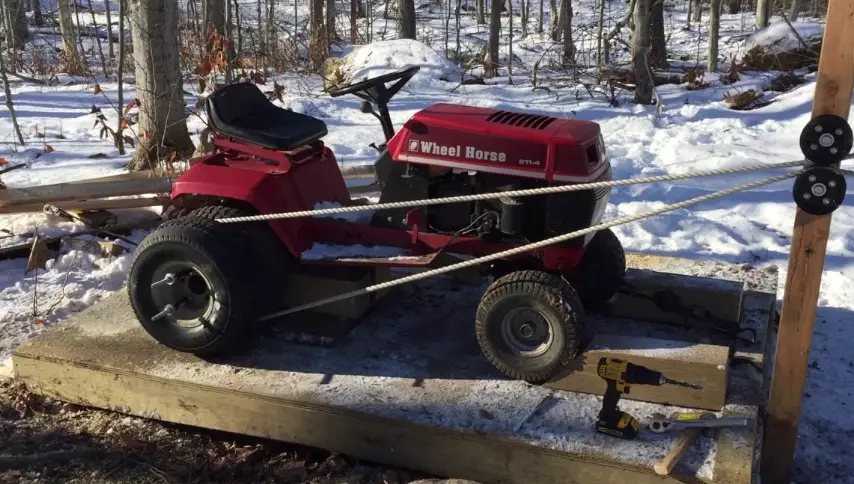
Essential Safety Rules
- Operator Present: The tow must never run unattended. An adult should be at the controls at all times.
- One Rider Per Handle: No doubling up. No sitting down. Stand on your skis or board and hold on.
- Clear the Line: If you fall, let go immediately and scramble out of the track. Yell "FALL!" so the operator knows.
- No Loose Clothing/Scarves: Anything that can get caught in the moving parts is a strangulation hazard.
- Inspect Before Every Use: Walk the line. Look for frayed cable, loose handles, ice buildup on sheaves, or damaged anchors.
It's wise to create a simple safety briefing for anyone using your tow, especially kids and guests. The Occupational Safety and Health Administration (OSHA) has guidelines for powered industrial equipment that, while not directly for tows, highlight the universal principles of machine guarding and operational protocols. Think like them.
Maintenance: Keeping It Running Smoothly
A little upkeep prevents big failures. After each use, check cable tension. Temperature changes affect it. Lubricate the cable occasionally with a light wire rope lubricant to prevent internal rust. Check all bolts and shackles for tightness—they will vibrate loose. At the end of the season, if you can, take down the cable, coil it, and store it indoors. Or at least disconnect and cover the motor.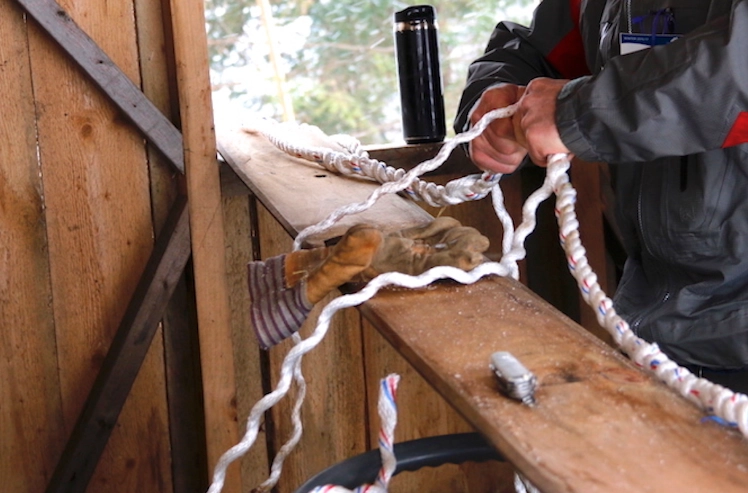
Troubleshooting Common DIY Rope Tow Problems
Things will go wrong. Here's how to fix the usual suspects:
The cable keeps jumping off the sheaves. This is almost always an alignment or tension issue. Re-check that all sheaves are in perfect vertical and horizontal alignment. Increase tension. If it's happening at a specific sheave, that sheave might be bent or have a damaged bearing.
The motor strains or stalls when a rider grabs on. Not enough grip or not enough power. Increase the pressure of your idler pulley on the drive sheave. If that doesn't work, your motor might be underpowered for the load/grade.
The handles snag at the turnaround. The sheave groove might be too narrow for the handle assembly. You may need wider-groove sheaves or to modify your handles.
Excessive vibration. A kink or weak spot in the cable, or a damaged sheave causing a "hop" in the rotation. Inspect the entire cable length and spin each sheave by hand.
Frequently Asked Questions (The Stuff You're Really Wondering)
Wrapping Up: Is a Homemade Ski Lift Right for You?
Building a DIY rope tow is a project. It requires sweat, some mechanical aptitude, and a serious commitment to safety. It's not a plug-and-play product. But if you have a decent hill, some DIY spirit, and a passion for maximizing your time on snow, it is one of the most rewarding projects you'll ever tackle.
The first time you ride your own creation to the top of your hill, the feeling is unbeatable. It's independence. It's turning your backyard into a personal ski area. Start with a solid plan, invest in the critical components (cable, sheaves, anchors), and never, ever cut corners on safety. Then, get ready for the best ski season of your life—right outside your door.
Now go grab a tape measure and walk your hill. That's step one.