Standing at the edge of a vast, blue-ice glacier, skis pointed down a slope untouched by resort machinery, is a feeling that redefines skiing. This is the realm of glacier skiing, an experience that combines breathtaking scenery with profound challenge. But here’s the non-negotiable truth: venturing onto a glacier without a certified professional guide isn't adventurous; it's reckless. This guide isn't just about why you need a glacier skiing guide—it's your manual for finding the right one, knowing what to expect, and unlocking the world's most epic ski terrain safely.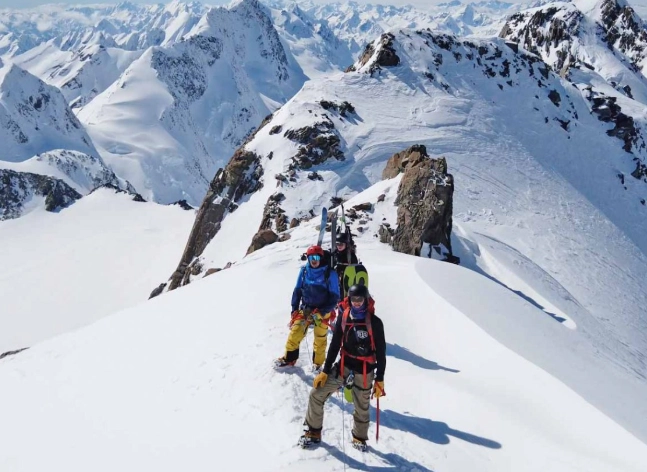
Quick Navigation: What You'll Find Here
Why a Certified Guide is Non-Negotiable for Glacier Terrain
Let's clear something up. A local friend who's a great skier or a backcountry enthusiast does not qualify as a glacier guide. Glaciers are dynamic, living entities fraught with invisible hazards.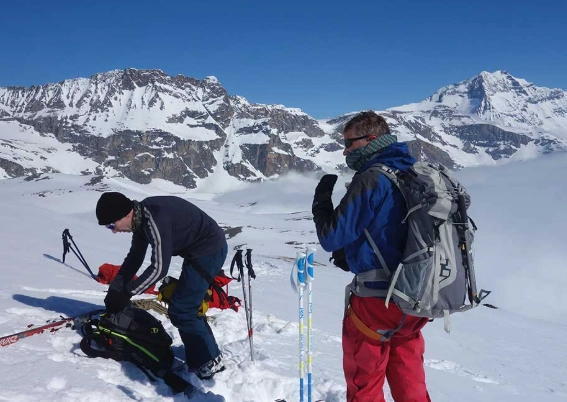
Beyond crevasses, guides manage avalanche risk—assessing snowpack stability in complex alpine environments. They navigate in whiteouts where all landmarks disappear. They understand glacier morphology and weather patterns specific to the region. This knowledge isn't just from a book; it's accrued through years of training and daily presence in the mountains.
Look for the UIAGM/IFMGA certification. This is the international gold standard, requiring years of rigorous exams in rock climbing, alpine mountaineering, and ski guiding. In North America, AMGA (American Mountain Guides Association) certification is the equivalent benchmark. Hiring a UIAGM/IFMGA guide means you're getting a professional whose training is recognized globally.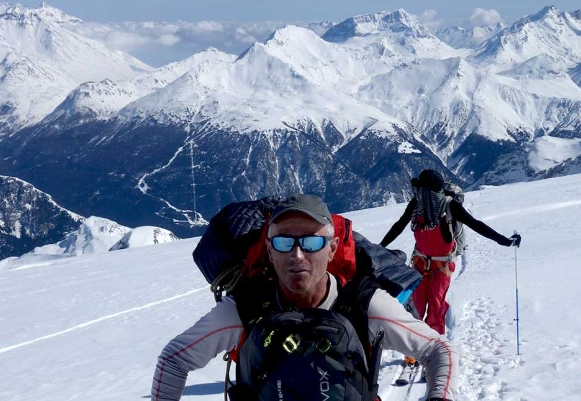
How to Find and Choose Your Glacier Guide
Don't just Google and pick the first link. The relationship with your guide is pivotal to your trip's success.
Where to Look for Reputable Guiding Services
Start with the official tourism or alpine club websites of your destination country. For example, in Chamonix, the Compagnie des Guides de Chamonix is the historic, gold-standard cooperative. In Canada, the Association of Canadian Mountain Guides (ACMG) has a “Find a Guide” directory. These sources vet their members rigorously.
I also lean on recommendations from other serious skiers and trusted outdoor publications. Forums can be useful, but cross-reference any suggestion with official certification databases.
Key Questions to Ask Before Booking
When you contact a guide or service, have a conversation. Email is fine, but a phone call can tell you a lot. Here’s what I always ask:
- "What is your guide-to-client ratio for a glacier ski day?" For technical terrain, 1:4 is often the maximum for safety and quality. 1:2 or 1:1 is ideal for intensive learning or challenging objectives.
- "Can you tailor the day based on our group's fitness and skill level?" A good guide will ask you about your skiing background, fitness, and goals before suggesting an objective.
- "What is included in the price?" Does it cover lift tickets (which can be expensive in the Alps), rental of safety gear (transceiver, probe, shovel, harness), or just the guiding fee? Clarity prevents surprises.
- "What is your cancellation policy regarding weather?" Alpine weather is fickle. Reputable services have fair policies for postponement or refund if conditions are truly unsafe or poor.
Top Glacier Skiing Destinations for Guided Adventures
While glaciers exist on every continent, a few spots are legendary for their access, reliability, and sheer scale.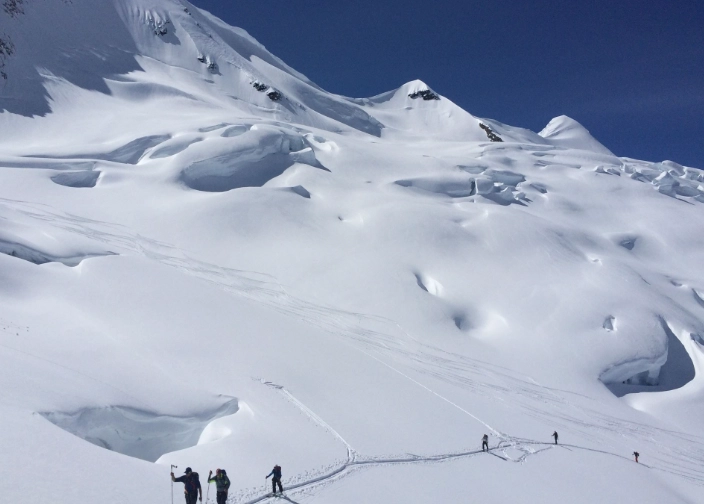
| Destination | Key Area/Glacier | Best Season | What Makes it Special |
|---|---|---|---|
| The Alps (France, Switzerland, Italy) | Vallée Blanche (Chamonix), Haute Route, Monte Rosa | Late March to May | Unbeatable access via lift systems, long descents (20km on Vallée Blanche), high-altitude huts for multi-day tours. |
| Chugach Range, Alaska, USA | Thompson Pass, Valdez, Cordova | April & May | Heli-skiing mecca. Massive vertical, maritime snowpack for powder, and steep, dramatic terrain. Requires a very high skill level. |
| Canadian Rockies (Alberta/BC) | Wapta Icefield, Columbia Icefield | April to June | Expansive icefield traverses between mountain huts. A true expedition feel with reliable spring snow. |
| Norway | Jostedalsbreen, Folgefonna | May to July | Summer skiing! Coastal scenery is stunning. Less technical crevassing on some popular routes, great for strong intermediates. |
My personal favorite for a first-time glacier experience is the Alps in spring. The infrastructure means you can focus on skiing and learning, not just exhausting approaches. The Haute Route, for instance, is a classic week-long guided tour from Chamonix to Zermatt, skiing glaciers each day and staying in remote mountain huts—it’s a full immersion.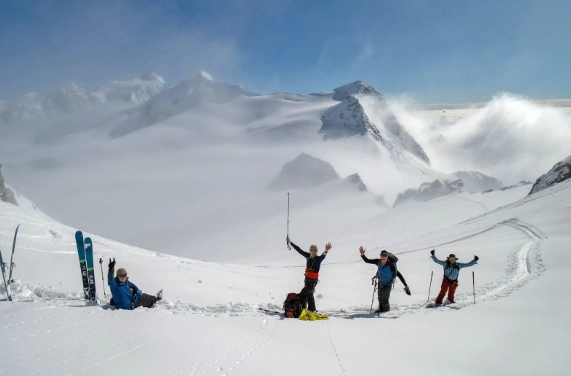
Gear and Physical Prep: Don't Show Up Unprepared
Your guide provides the brain and safety net; you need to provide capable legs and the right tools.
Your guide will mandate a standard backcountry safety kit: avalanche transceiver, probe, and shovel. For glacier travel, they will add a climbing harness, crevasse rescue kit (prusiks, carabiners, pulleys), and often a rope. Most guiding services rent these if you don't own them. Don't feel pressured to buy specialized mountaineering gear for one trip.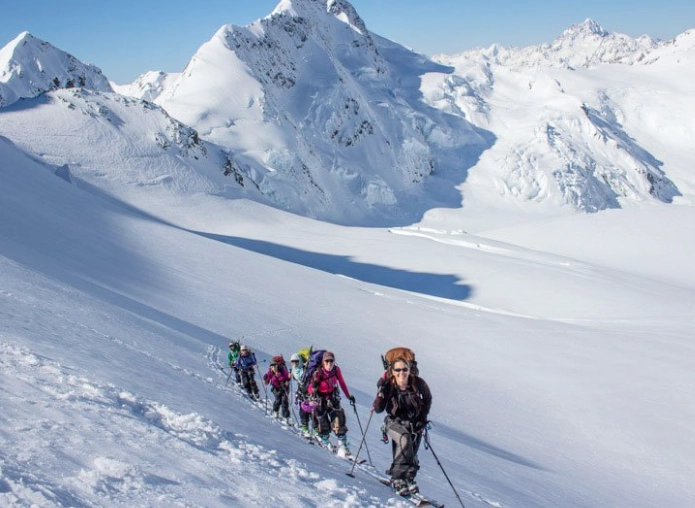
Getting Your Body Ready
Glacier skiing is not a resort day. You might skin uphill for hours at altitude. Focus on cardiovascular endurance (running, cycling, stair climbing) and leg strength (lunges, squats). But there’s a specific muscle group newcomers neglect: the hips and lower back from carrying a pack. Train with the pack you'll use, loaded with weight.
If you can, get days on your touring skis (or similar rental gear) before the trip. The motion of skinning is unique. Being comfortable with your equipment before you're on a glacier reduces stress immensely.
A Sample Guided Glacier Skiing Itinerary: The "Ultimate Glacier Week"
To make this concrete, let's walk through what a typical 5-day guided package in the Alps might look like. This isn't a brochure; it's based on trips I've done and guided.
Day 1 – Arrival & Briefing: Meet your guide in Chamonix. Gear check. They'll assess your boots, skis, and safety gear. This is a casual but crucial afternoon. You'll discuss weather forecasts, group goals, and sign waivers. Evening is free to explore the town.
Day 2 – Skills & Acclimatization: Not straight onto the big glacier. You'll take the lifts up to a high starting point (maybe Grands Montets). The guide will run through essential skills: efficient skinning, kick-turns, using your transceiver in a practice search, and most importantly, rope travel protocols. How to tie in, how to move as a rope team, what to do if you feel a tug. You'll ski a shorter, non-glacier route to put it all together.
Day 3 – The Classic Glacier Run: The iconic Vallée Blanche. You take the Aiguille du Midi cable car to 12,600 feet. After a short, exposed ridge walk (often roped), you descend the Géant Icefall onto the main glacier. It's a 20km, 9000ft vertical descent back to town. The guide picks the exact route through the ever-changing crevasses. It's mostly moderate skiing, but the scale is mind-blowing. Lunch on the ice.
Day 4 – High Mountain Hut Tour: You pack lighter bags for an overnight. Skin from a lift top (like the Helbronner lift in Italy) to a remote mountain hut like the Torino or Cosmiques hut. The ascent is a few hours on glacier. The afternoon might include a shorter ski off a nearby peak. Dinner and sunrise at the hut are unforgettable.
Day 5 – Hut Descent & Departure: An early start to ski fresh snow or perfect corn back down to the valley, often via a different glacier route than the ascent. You're back in Chamonix by early afternoon. Debrief with your guide, exchange photos, and depart.
A week like this, with a UIAGM guide, can cost between €1,800 to €2,500 per person, depending on group size, inclusions (hut fees, lifts), and the service's prestige. It’s an investment, but it delivers a complete, transformative mountain experience.
Your Glacier Skiing Questions Answered
Glacier skiing with a professional guide unlocks a tier of mountain experience that resort skiing simply can't touch. It's about earned turns, profound landscapes, and the deep satisfaction of traveling safely through serious terrain. It demands respect—for the mountain, the conditions, and the expertise of your guide. Do your homework, get fit, ask the right questions, and you'll be set for an adventure that will redefine what skiing means to you. The ice is waiting.