Let's cut to the chase. When you think of major ski destinations, Michigan probably isn't the first place that pops into your head. But if you're anywhere in the Midwest or Great Lakes region, dismissing Boyne Mountain would be a mistake. I've been skiing here for over a decade, through icy mornings, perfect powder days, and slushy spring afternoons. It's not the Alps, and it doesn't try to be. What it offers is something arguably more valuable for most of us: incredibly reliable, varied, and well-managed skiing that's within a day's drive for millions. This guide isn't just a rehash of their trail map. It's the stuff you need to know to plan a trip that actually works—where to stay to maximize ski time, which lifts to hit first, how to save money, and the runs that locals love (and the ones they avoid).
What You'll Find in This Guide
Why Boyne Mountain Stands Out in the Midwest
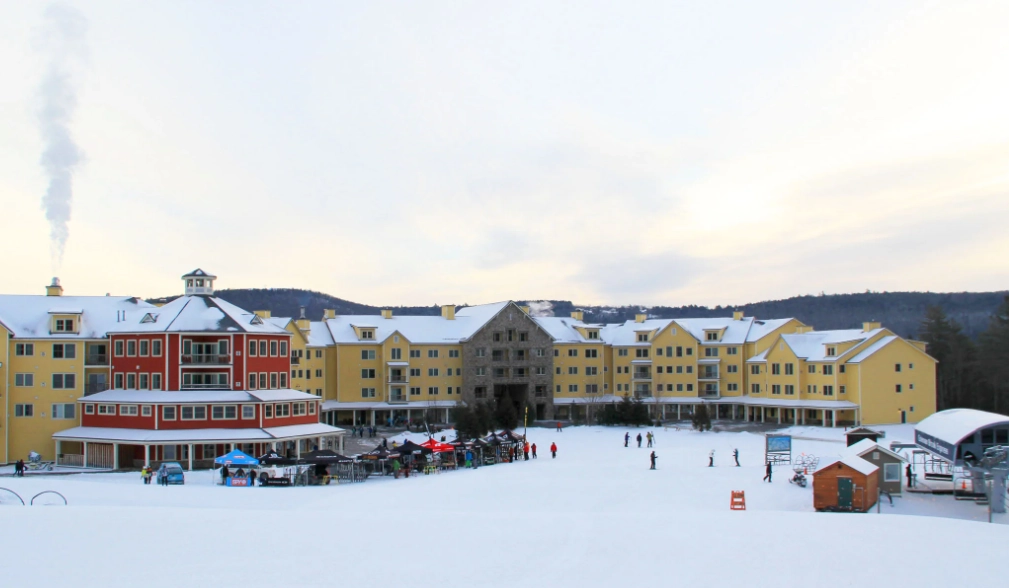
Michigan has ski hills. Boyne feels like a resort. The difference is in the details. The snowmaking is relentless, covering 100% of its 415 skiable acres. In a region where natural snowfall can be fickle, this is non-negotiable. They open early (often late November) and stay open into April. The lift system is modern—high-speed six-packs and quads mean you spend more time skiing, less time shivering in line. The base area has a proper village vibe with shops, restaurants, and activities that make a multi-day trip feel like a real vacation, not just a day at a hill.
But the biggest draw? The variety. They've masterfully crafted terrain that genuinely caters to everyone in the family. A nervous first-timer, a bored intermediate, and an expert looking for a challenge can all have a great day here. That's harder to pull off than it sounds.
Boyne Mountain Terrain: From Bunny Slopes to Black Diamonds
With 60 runs spread across a 500-foot vertical drop, let's break down what you're actually skiing on.
Best for Beginners & Families
The Hemlock area is your sanctuary. Wide, gentle slopes like "Candyland" and "Sunshine" are serviced by their own dedicated, slow-moving lifts, away from the faster traffic. This is where the ski school operates, and the vibe is calm and supportive. A common mistake I see? Families staying at the main lodge and trudging kids across the base to get to Hemlock. If you have new skiers, consider booking lessons that meet right at the Hemlock lift—it saves time and tears.
Intermediate Heaven
This is where Boyne shines. The majority of the mountain is blue-square bliss. Runs off the Disciples Ridge and Super Bowl chairlifts offer long, cruising runs with consistent pitches. "McLouth" and "Fischer" are classics. My pro tip? On a busy Saturday, everyone piles onto the Disciples Ridge lift. Take the adjacent Edelweiss chair instead. It accesses similar terrain but often has a fraction of the queue.
Expert Terrain & The Famous "Mogul Mile"
Yes, there are black diamonds. The headwall under the "Victor" chair provides the steepest, most sustained pitch. But Boyne's expert claim to fame is Mogul Mile on the backside of the mountain. On a good snow year, they let the bumps build up into a legitimate, leg-burning challenge. It's a rarity in the Midwest and draws bump skiers from all over. Just know it can get scraped off and icy by afternoon if it hasn't snowed recently.
Quick Mountain Stats: Address: 1 Boyne Mountain Road, Boyne Falls, MI 49713. Vertical Drop: 500 ft. Skiable Area: 415 acres. Lifts: 12 total (including 2 high-speed six-packs). Average Season: Late November to Mid-April. Night Skiing: Available on 25+ trails.
Planning Your Boyne Mountain Ski Trip: The Nitty-Gritty
This is the actionable stuff. The decisions that make or break your weekend.
Lift Tickets & Passes: How to Save Money
Walking up to the window is the most expensive way to ski. Full stop. Here's what to do instead:
- Buy Online in Advance: Boyne, like every resort, discounts tickets purchased at least 48-72 hours ahead. Savings can be 20% or more.
- Look for Lodging Packages: If you're staying at a Boyne property, always check the "Ski & Stay" deals. They bundle lift tickets with your room, often at a significant discount compared to buying separately.
- Consider the Boyne Mountain Pass: If you plan on 4+ days in a season, their season pass can pay for itself. It also includes discounts on food and rentals.
Here's a rough idea of what you might pay (always check the official Boyne Mountain website for current rates):
| Ticket Type | Adult (13-64) Walk-Up Window* | Adult (13-64) Online Advance* | Best For |
|---|---|---|---|
| Full-Day Peak (Weekend/Holiday) | $115 - $135 | $95 - $110 | Weekend warriors |
| Full-Day Value (Weekday) | $90 - $105 | $75 - $85 | Flexible schedules, best value |
| Half-Day (After 12:30 PM) | $85 - $100 | $70 - $80 | Late arrivals or shorter ski days |
| Night Skiing Ticket (3 PM - Close) | $70 - $80 | $60 - $70 | Adding extra time after a day trip |
*Price ranges are estimates based on recent seasons and vary by date. Junior/Senior tickets are cheaper.
Getting There & Parking
Boyne Falls is about a 4-hour drive north from Detroit, 5.5 hours from Chicago. You'll need a car. The closest major airport is in Traverse City (TVC), about 45 minutes away. Pellston Regional (PLN) is even closer at 30 minutes. Parking at the mountain is free, but the main lots fill up fast on weekends. If you arrive after 10 AM, be prepared to park in the auxiliary lots and take a short shuttle bus to the base. It's efficient, but factor in an extra 15 minutes.
Where to Stay: On-Mountain Lodging Decoded
Ski-in/ski-out is a game-changer here, especially with kids or if you want to maximize your time. Boyne operates several properties, each with a different feel.
- The Lodge at Boyne Mountain: This is the flagship. Right at the base of the slopes. You can roll out of bed and onto the Disciples Ridge lift. It has multiple pools (including the famous indoor waterpark, Avalanche Bay), several restaurants, and can feel a bit bustling. Perfect for families who want everything in one building. Rooms can be pricey on peak dates.
- Mountain Grand Lodge and Spa: A slightly more upscale condo-style option, still ski-in/ski-out. Better for groups or families wanting a kitchenette. It's connected to the main lodge via walkways.
- The Villas: Scattered around the property, these are condo units that offer more space and privacy. Some are a short walk or shuttle ride from the lifts, but you trade convenience for a quieter, more residential feel.
My personal take? If it's your first time and budget allows, The Lodge is worth it for the sheer convenience. If you're on a tighter budget or with a larger group, look at condo rentals in the nearby towns of Boyne City or Petoskey—you'll save money on meals, but you commit to driving each day.
Beyond the Slopes: What Else to Do
Not everyone wants to ski from open to close. Boyne gets this.
Avalanche Bay Indoor Waterpark is a massive hit, especially with kids under 12. It's separate from the ski ticket and requires its own admission. For adults, the Solace Spa is a great way to unwind sore muscles. In the evenings, you've got options: the casual Everett's at the top of the mountain (take the chairlift up for dinner—reservations essential), the bustling Beacon Lounge at the base for apres-ski, or a quieter drink by the fireplace in the main lodge.