Let's be honest. The biggest barrier to skiing isn't cost or skill—it's the weather. A short season, unpredictable snow, long drives to the mountains. Indoor skiing flips that script entirely. It's not just a pale imitation for desperate skiers; it's a legitimate, game-changing way to enjoy the sport. I've skied on real snow inside a mall in Dubai and practiced turns in a refrigerated warehouse in the UK. The experience is more real than you think, and it solves problems you didn't even know you had.
What's Inside This Guide
Why Choose Indoor Skiing? Beyond the Novelty
If you think indoor skiing is just a tourist gimmick, you're missing the point. Its core value is consistency and access.
Imagine planning a ski weekend six months in advance. You book flights, a hotel, and lift tickets. Then it rains on the mountain, or a warm spell turns the snow to slush. Your expensive trip is compromised. An indoor slope doesn't have this problem. The snow is always there, always groomed, always at -5°C. This reliability is a game-changer for ski schools, race teams, and anyone who wants guaranteed progress.
Then there's geography. For millions of people, the nearest real mountain is a full day's travel away. But an indoor slope might be within an hour's drive. The International Ski Federation (FIS) even recognizes certain indoor facilities for official training. It turns skiing from a distant holiday activity into a local hobby you can do after work or on a Sunday afternoon.
The Expert Slip-Up: Many experienced outdoor skiers dismiss indoor slopes as "too easy" or "not real skiing." They show up, charge down the slope without adjusting, and then complain it feels "off." The mistake? Not respecting the environment. The snow has a different consistency—often a bit softer and more granular. The lighting is flat, making it harder to read the terrain. The run ends abruptly with a wall or a slow-down zone. Adapting to these conditions is a skill in itself. If you can't adjust, that says more about your versatility as a skier than the quality of the slope.
Global Indoor Ski Resorts: A Real-World Rundown
Not all indoor slopes are created equal. Some are massive destination resorts; others are focused training centers. Here's a breakdown of notable ones, with the specifics you need to plan a visit.
| Resort Name & Location | Key Stats & Features | What You Need to Know |
|---|---|---|
| Ski Dubai, Mall of the Emirates (UAE) | **Slope:** 400m long, 85m high. **Snow Park:** Toboggan runs, zipline. **Temp:** -1°C to -2°C. **Tickets:** From 205 AED (~$56 USD) for 2 hours. |
The original "wow" factor. It's in a shopping mall. You can ski in the morning and be on the beach by afternoon. The penguin encounters are a huge hit with families. Book slope sessions online to avoid queues. Rental gear is high-quality. |
| SNOW Alpincenter, Bottrop (Germany) | **Slope:** 640m long (one of the world's longest). **Gradient:** Up to 24%. **Lift:** 6-person chairlift. **Tickets:** ~€40 for 3 hours on weekends. |
This feels the most like a real Alpine setup. The chairlift is a genuine touch. It's a serious training ground for European ski teams. The length allows for longer, more sustained runs. The facility is purely about skiing—no theme park frills. |
| Snowplanet, Auckland (New Zealand) | **Slope:** 200m main slope. **Features:** Terrain park with jumps/rails, dedicated beginner area. **Tickets:** NZD $49 for 2 hours (off-peak). Open 365 days, 10am-10pm. |
A fantastic example of a community-focused slope. Great for learning. The terrain park is constantly maintained, perfect for snowboarders and freestyle skiers to practice tricks safely. The on-site cafe is a popular local hangout. |
| Snozone, Milton Keynes & Castleford (UK) | **Slope:** RealSnow® (refrigerated). **Focus:** Lessons and clubs. **Programs:** Kids' clubs, race leagues. **Tickets:** From £35 for a 2-hour session. |
This is where you go to learn. Their teaching methodology is excellent. It's less about a day out and more about skill development. They run accredited instructor courses. The vibe is sporty and focused. |
There are dozens more, from SnowWorld Landgraaf in the Netherlands to J-World in Tokyo. Your choice depends on goal: spectacle (Ski Dubai), serious practice (Alpincenter), or learning (Snozone).
Your First Indoor Ski Trip: A Step-by-Step Plan
Okay, you're convinced to try it. Here’s how to make your first visit smooth and successful.
Step 1: Booking and Before You Go
Don't just show up. Most places require online booking for slope sessions, especially on weekends. Look for "beginner packages" which often bundle a short lesson, rental gear, and slope access—it's usually the best value.
What to wear: This is where everyone overpacks. You don't need your thickest expedition-grade jacket. A thermal base layer, a fleece, and a waterproof shell are perfect. The temperature is cold, but not bitterly so, and you'll be moving. Essential items they might not rent: Gloves (sometimes rentable, but often sweaty), a neck gaiter or buff (the air can be dry), and long socks (ski socks are best).
Step 2: On-Site Logistics
Arrive at least 45 minutes before your slope time. You'll need to check in, get fitted for boots, skis/snowboard, and a helmet. The rental process can be slower than at a big mountain resort. Use the bathroom before you get geared up—it's a mission in ski boots.
You'll likely watch a short safety video. Pay attention. Indoor slopes have specific rules about stopping zones, fall etiquette, and how to use the lift (usually a magic carpet or a drag lift).
Step 3: On the Slope
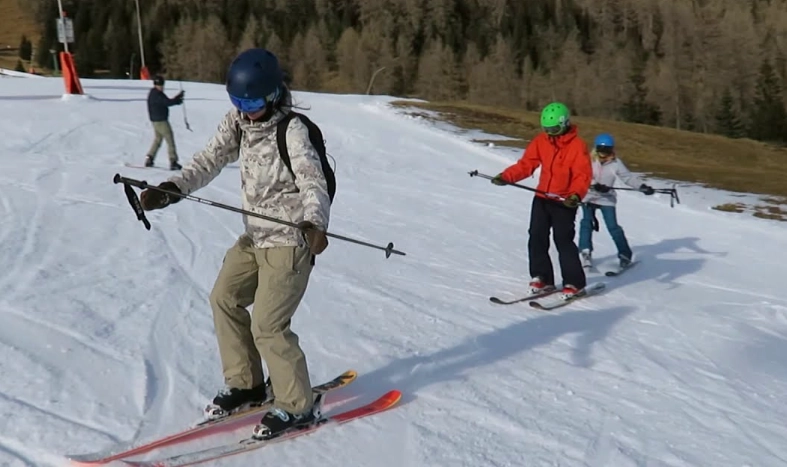
Start on the designated beginner area. Even if you're an intermediate outdoor skier, take your first run slowly to feel the snow. It's different. The "feel" of turning can be subtly altered by the refrigeration process.
If you didn't book a lesson but are struggling, don't be shy. Most centers have instructors at the side of the slope who can give you a quick tip. A common beginner error indoors is leaning back because the slope feels steeper than it is. Focus on keeping your weight forward, over your boots.
Your session time includes gearing up and down. If you have a 2-hour slot, expect about 1 hour and 15 minutes of actual slope time. Pace yourself.
Indoor vs. Outdoor Skiing: The Unvarnished Truth
Let's cut through the hype. Indoor skiing is a fantastic tool, but it's not a perfect replacement. Here’s the real comparison.
Where Indoor Wins:
- Guaranteed Conditions: No ice, no rain, no grass patches. Just snow.
- Accessibility & Convenience: Proximity to cities, year-round operation, night skiing.
- Ideal for Technique Drills: The consistent surface is perfect for repeating a turn shape or working on a carve.
- Safety & Control: Separated ability zones, no cliffs or trees, controlled environment.
- Cost-Effective for Short Sessions: You can ski for two hours without committing to a full mountain lift pass.
Where the Real Mountains Are Unbeatable:
- Terrain Variety: Powdery bowls, steep chutes, gentle cruisers, mogul fields. Indoor is one slope profile.
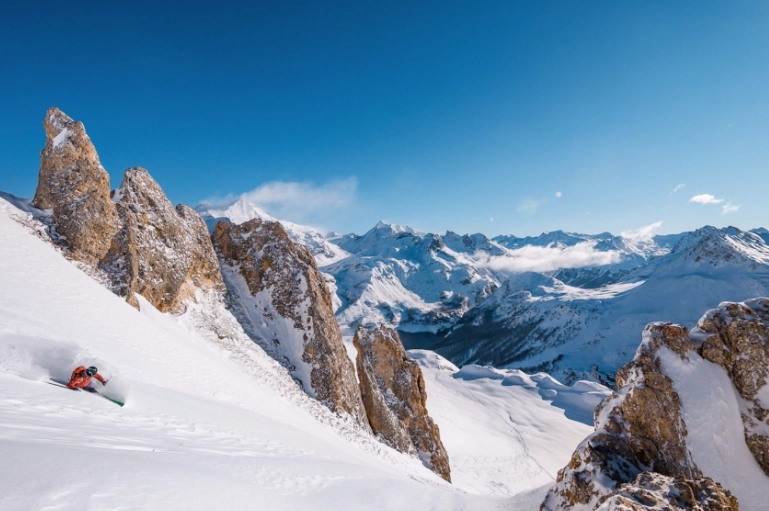
- The Sensory Experience: Mountain views, fresh air, sunshine, the sound of wind in the trees. Indoor is… a large, cold room.
- Vertical & Length: Even the longest indoor slope is short compared to a real mountain run.
- Natural Challenge: Learning to read and adapt to changing snow and light is a core skiing skill you can't develop indoors.
My take? They're complementary. Use the indoor slope in October to shake off the rust before your winter trip. Use it in July to work on a specific technical flaw. It's your personal ski gym. Thinking of it as a substitute is setting yourself up for disappointment. Thinking of it as a powerful training aid and a fun, accessible way to slide on snow is the right mindset.
The bottom line is this: indoor skiing has moved far beyond a novelty. It's a practical, accessible, and highly effective way to engage with skiing on your own terms. It won't replicate the soul-stirring beauty of the Alps, but it will get you on snow, improve your turns, and keep the stoke alive all year long. That’s a win in my book.