Picture this: it's the middle of July, the sun is shining, but all you can think about is carving turns on a crisp mountain morning. For decades, that was just a dream for skiers and snowboarders stuck in flat, snowless regions. Then came the dry ski slope. It's not a compromise; for many, it's become the primary training ground, the accessible entry point, and the year-round fitness fix that keeps skills sharp. Forget the outdated image of a rough, scary carpet on a hillside. Modern dry slopes are sophisticated training facilities that have produced Olympic athletes. This guide strips away the myths and gives you the real, practical details on how they work, who they're for, and how to make the most of your visit.
What's Inside
What Exactly is a Dry Ski Slope?
At its core, a dry ski slope is an artificial surface that allows you to ski or snowboard without natural snow. The technology has evolved dramatically. The classic (and still very common) material is called Dendix, a mat made from thousands of hard, bristle-like fingers. It works, but it feels… industrial. The real game-changers are newer surfaces like Snowflex and Neveplast.
Snowflex is a polymer fiber surface that's continuously lubricated by a fine mist of water. This gives it a remarkably snow-like slide. Neveplast uses interlocking plastic tiles with a specially designed surface pattern. I've skied on all three. Snowflex feels the most forgiving and intuitive for learning turns. Neveplast is incredibly consistent and durable, perfect for race training.
Key Point: A dry slope isn't trying to be a perfect replica of snow. Its value lies in providing a consistent, controllable, and always-available surface for developing technique, balance, and muscle memory. The feedback is immediate—if your edge control is sloppy, you'll know it instantly.
These facilities aren't just a strip of matting. A proper dry slope complex includes:
- The Main Slope(s): Graded for different abilities, often with a separate beginner area.
- Lift System: Usually a button lift (Poma or T-bar) or a magic carpet for beginners.
- Floodlighting: For evening sessions, which are hugely popular.
- Equipment Rental: Specialized skis and snowboards with hardened edges to withstand the surface.
- Teaching School: Certified instructors are the backbone of any good facility.
How to Choose the Right Dry Ski Slope Facility
Not all dry slopes are created equal. Picking the right one can be the difference between a frustrating experience and a breakthrough. Don't just search for the closest one. Dig a little deeper.
First, look at the surface type. If you're a nervous beginner, a facility with Snowflex or a well-maintained modern surface will be more forgiving than an older Dendix slope. Check the facility's website or even give them a call to ask.
Second, scrutinize the lesson structure. A good sign is a clear progression pathway: Taster Session → Beginner Course → Improver Sessions. Ask about instructor qualifications. In the UK, look for BASI (British Association of Snowsport Instructors) or ISI (International Ski Instructors) certification. These bodies ensure a standardized, safe teaching method.
What to Look For on Their Website
- Clear Pricing: Session fees, lesson packages, and equipment hire should be transparent.
- Booking System: Can you book a beginner lesson package online? It shows they're geared for newcomers.
- Photos & Videos: Do they show real people learning? Or just stock images of mountains?
- Social Media Activity: Recent posts showing events, race nights, or community activity indicate a vibrant, well-run centre.
Here's a quick comparison of the main surface types you'll encounter:
| Surface Type | Key Characteristics | Feel & Performance | Best For |
|---|---|---|---|
| Dendix | Original bristle matting. Durable, low-tech. | Grippy, abrasive. Requires more precise edge control. Can feel harsh if you fall. | Building strong fundamental technique, budget-friendly facilities. |
| Snowflex | Polymer fibers + water lubrication. Modern standard. | Smoother, more snow-like slide. More forgiving for turns and falls. | Beginners, freestyle (with jumps/rails), general recreational skiing. |
| Neveplast / Similar Tiles | Interlocking plastic tiles. Very low maintenance. | Extremely consistent, fast. Can be noisy. Feel is unique but predictable. | Race training, high-traffic public facilities, all-weather reliability. |
The Beginner's First Visit: A Step-by-Step Guide
Walking up to a dry slope for the first time can be intimidating. The sound of skis on the matting, the sight of people sliding down—it's unfamiliar. Let's break down exactly what happens, so there are no surprises.
Step 1: Book a 'Taster' or 'Beginner Lesson' Package. Never, ever just show up and buy a lift pass. You need instruction. These packages always include equipment hire (ski boots, skis, poles, helmet) and a group lesson, usually 1-2 hours. The price is all-inclusive. Expect to pay anywhere from £30 to £60 for a session, depending on the location and time.
Step 2: What to Wear. You will fall. It's part of learning. Wear old, comfortable clothes you don't mind getting a bit wet (from the lubrication spray) or marked. Avoid jeans—they become heavy and restrictive when damp. Leggings or track pants are ideal. A long-sleeved top and gloves are mandatory. Most centres sell cheap gloves if you forget. The surface is abrasive.
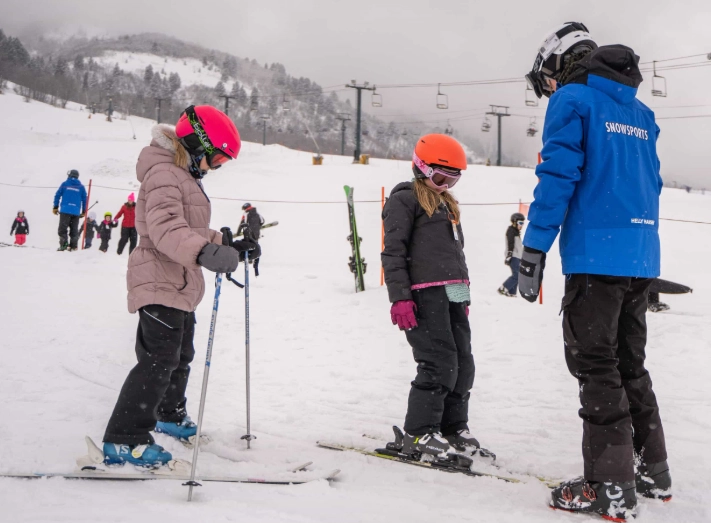
Step 3: The Lesson. You'll start on a flat, fenced-off nursery area. Your instructor will get you used to the feel of the boots and skis, how to walk, and then the fundamental posture: knees bent, shins pressing into the boot tongues, hands forward. The first big skill is the snowplough (wedge) to control speed and stop. This is where dry slopes excel—the consistent friction gives you immediate, clear feedback on your wedge shape.
One subtle mistake I see beginners make? They lean back instinctively, away from the slope. On a dry slope, this kills any edge control. The instructor will drill you to keep your weight forward. It feels counterintuitive but is the single most important habit to build.
By the end of a good taster session, you should be able to make a controlled snowplough stop and link a few gentle turns on the beginner slope. The goal isn't to become an expert in an hour. It's to leave feeling confident, safe, and wanting to come back for the next lesson.
Beyond Beginners: How Dry Slopes Help Advanced Skiers
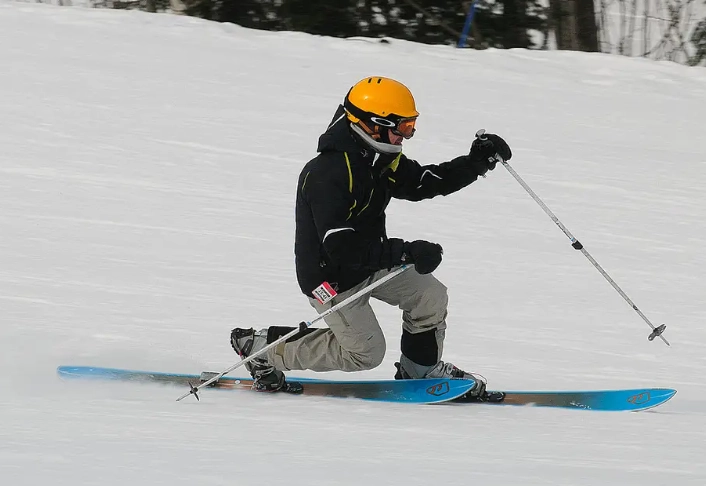
If you think dry slopes are just for newbies, you're missing out. For intermediate and advanced riders, they're an invaluable training tool. The surface doesn't lie. If your carving technique has a flaw, the dry slope will find it and magnify it. This makes it perfect for pre-season tuning.
Many centres offer advanced coaching sessions, race leagues, and freestyle nights with kickers and rails (often made from a special slick plastic). Training on a consistent, firm surface forces you to be precise. You can't rely on soft snow to bail out a sloppy turn. When you then transition back to real snow, your movements are cleaner and more automatic.
I use my local dry slope for two things: fitness and drill work. A two-hour session of non-stop laps is a brutal cardio and leg workout. And for drills—like one-ski skiing or focusing purely on upper/lower body separation—the controlled environment is perfect. You're not wasting time on chairlifts or searching for the right patch of snow.
A Look at Notable Dry Ski Slope Locations
To make this concrete, let's talk about real places. Dry slopes are a global phenomenon, from the UK (where they are incredibly common) to the Middle East and Asia.
In the UK: The Middlesbrough Ski Centre (aka "The Ski Slope") is a classic example. It's one of the longest dry slopes in Europe, using the Dendix surface. It has a full teaching school, race club, and even hosts national competitions. Another is the SnowDome in Tamworth, which combines a real-snow indoor slope with outdoor dry slopes for training, offering a unique hybrid experience.
In Europe: Alpincenter in Germany's Ruhr area is a massive indoor facility with a dry slope area used for summer training and events. It shows how dry slopes integrate into larger snowsports complexes.
Beyond: In places like Dubai and Singapore, dry slope technology is used to bring skiing to climates where real snow is impossible. The Chengdu Sunac Snow Park in China, for instance, uses advanced synthetic surfaces for year-round training alongside its main indoor real-snow area.
The common thread? These are serious sporting venues, not just novelties. They have structured programs, certified coaches, and active communities.
Your Dry Slope Questions, Answered
The bottom line is this: dry ski slopes have shed their old reputation. They are legitimate, powerful tools for learning and improving at skiing and snowboarding. Whether you're taking your first ever slide or fine-tuning your carving for the next season, they offer a unique, accessible, and effective way to pursue the sport you love, 365 days a year. Find a good one, book a lesson, and get sliding.