Let's cut through the noise right away. Asking for the single best age to start skiing is like asking for the perfect shoe size. It doesn't exist. What matters more is readiness—a mix of physical development, emotional maturity, and interest. I've taught skiing for over a decade, and I've seen fearless three-year-olds and hesitant forty-year-olds. The magic isn't in the birthday; it's in the approach.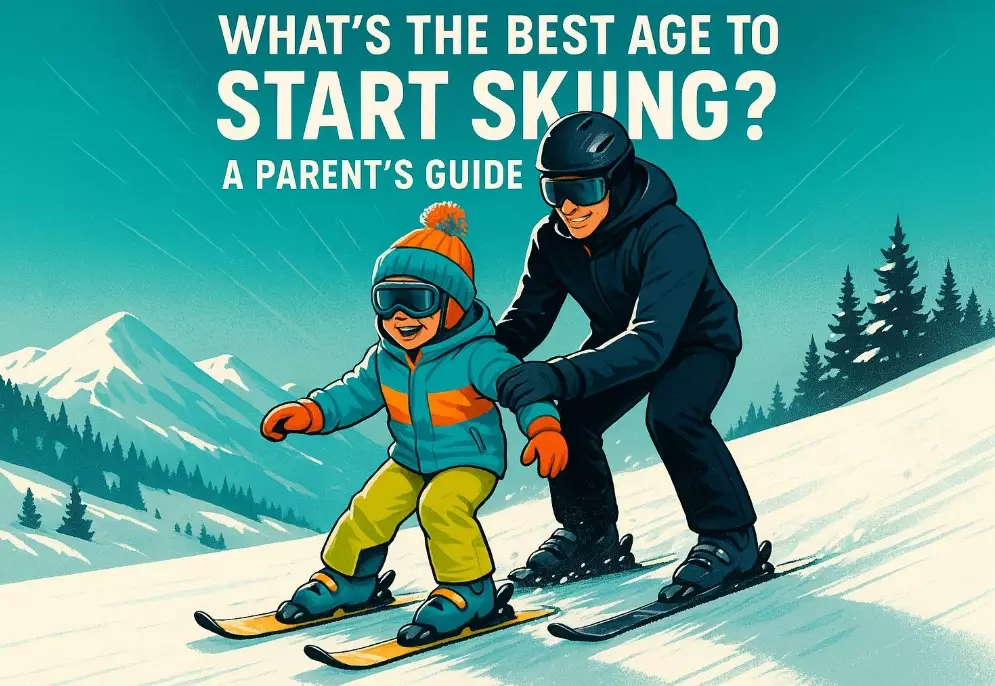
This guide won't give you a pat answer. Instead, we'll walk through what skiing looks like at every stage, from toddler to adult. You'll get the real picture—pros, cons, and the subtle mistakes most parents make.
What's Inside This Guide?
Why "Age" is the Wrong Question
Focusing solely on calendar age misses the point. I've had four-year-olds with the balance of a mountain goat and six-year-olds who just wanted to build snow forts all day. Both are fine.
The real metrics are simpler:
Can they follow basic instructions? "Wait here," "Hold my hand," "Try to stand up." If not, a group lesson will be chaos.
Do they have reasonable body awareness and strength? Can they run, jump, and climb? Skiing is physically demanding.
Are they generally comfortable in cold, unfamiliar environments? If they hate wearing mittens, skiing will be a battle.
The Professional Ski Instructors of America & American Association of Snowboard Instructors (PSIA-AASI) emphasizes developing fundamental movement skills first, not forcing technique on an unprepared body.
Think of age as a guideline, not a rule.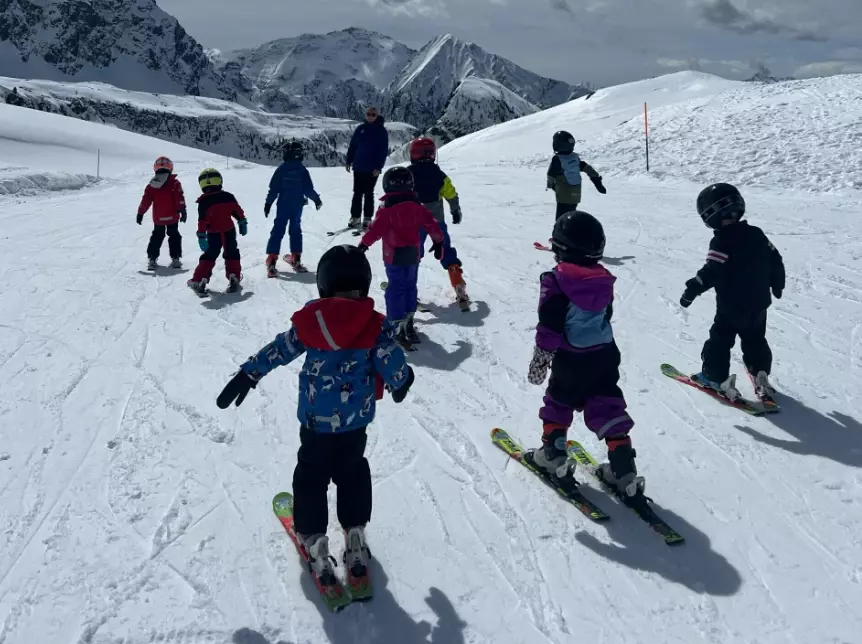
The Toddler Stage (Ages 2-4): Introduction, Not Instruction
This is the "let's see" phase. The goal is positive association, not parallel turns.
What it looks like: Very short sessions (30-60 minutes max). Mostly playing in boots on flat snow, maybe a ride on a magic carpet with a parent, "walking" on tiny skis between your legs. It's about giggles, not gravity.
The Pros: They have no fear. If they fall, they often bounce. Getting them comfortable early can build a lifelong love. Some resorts have fantastic, play-based "Wee Ski" programs.
The Cons (and the reality check): They tire quickly, get cold instantly, and have short attention spans. They lack the leg strength for real skiing. You are paying for a snowy playground experience, not skill acquisition. Many ski schools don't offer formal lessons until age 3 or 4 for this reason.
My take: If you're a skiing family and are at the mountain anyway, introducing a 3 or 4-year-old can be wonderful. If you're planning a special, expensive trip just to get your 2-year-old skiing, temper your expectations dramatically. The hot chocolate and sledding might be the highlight.
The Preschool & Kindergarten Stage (Ages 4-6): The First Real Steps
This is where formal learning often begins. Most resort ski schools start group lessons at age 4.
What changes: Better strength, slightly longer focus, ability to understand simple cause and effect ("edges help you stop"). They can start on gentle, dedicated learning slopes with surface lifts (magic carpets).
The common mistake: Parents drop off a 5-year-old for a full-day lesson expecting a little expert by pickup. A full day is long. Half-day lessons are almost always better for this age. Fatigue leads to tears, and tears end learning.
Equipment is crucial here. Properly fitted, modern children's gear is light and easy to maneuver. Stiff, heavy hand-me-down boots from an older cousin can sabotage the entire experience. Rent from a quality shop or invest in seasonal junior rental packages.
The Elementary School Stage (Ages 7-12): The Golden Window
If I had to pick a "sweet spot," it's here. This age group is the secret weapon of ski schools.
Why? Their bodies are stronger and more coordinated. Their brains can process multi-step instructions and understand safety concepts. They have the stamina for a full-day lesson (with breaks). Socially, they thrive in group settings and learn from peers.
I've seen 8-year-old beginners progress from the magic carpet to confident green runs in a 3-day lesson series. Their learning curve is steep.
The pitfall to avoid: Don't assume because they're older, they don't need a lesson. Throwing a 10-year-old beginner onto a chairlift with a well-meaning but untrained parent is a recipe for a scary experience. Start them in an age-appropriate beginner lesson. They'll progress faster and safer.
| Age Group | Recommended First Steps | Realistic Goal for a 3-Day Lesson Series | Key Parental Role |
|---|---|---|---|
| 2-4 | Play in gear, short sled pulls on skis | Comfort wearing equipment, happy on snow | Low-pressure playmate |
| 4-6 | Half-day group lesson | Stopping and turning on a gentle slope | Manage fatigue, celebrate small wins |
| 7-12 | Full-day age-specific lesson | Confidently skiing beginner terrain, using chairlift | Provide encouragement, trust the process |
Teens and Adults: It's Never Too Late
The anxiety is different, but the potential is huge. Teens worry about looking cool; adults worry about breaking a hip.
For Teens: They have the physical tools to learn quickly. The social aspect is key. A lesson with friends or a teen-specific clinic removes the embarrassment of being with little kids. They want to feel independent fast.
For Adults: You have the advantage of deliberate practice. You can understand the physics of skiing, which helps. The downside? Fear and ingrained habits. You might tense up. A good adult beginner lesson focuses on building confidence through gradual progression and proper mechanics to prevent injury. Private or small-group lessons are worth every penny for adults.
The biggest barrier is ego. Let it go. Everyone was a beginner once.
How to Prepare a Young Child for Skiing?
Preparation separates a good first day from a traumatic one. Don't just show up at the mountain.
1. Gear Familiarization at Home: A week before, let them walk around the living room in their ski boots (over socks). Have them wear their helmet and goggles during playtime. Make it silly, not scary.
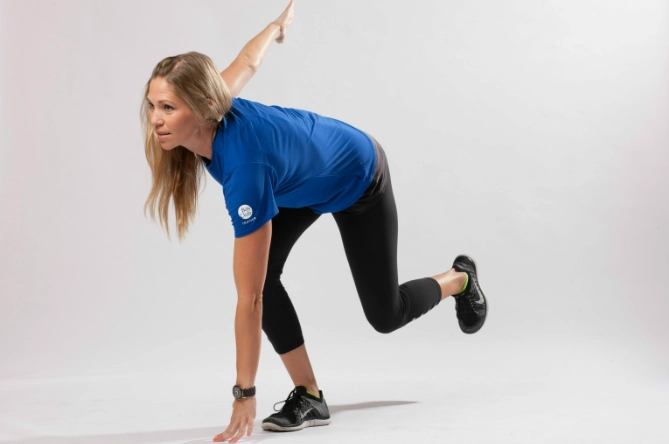
2. Build Leg Strength: Simple games matter. "Can you squat like a frog and hold it?" "Let's see who can balance on one foot the longest." Hopping, jumping over cracks in the sidewalk—it all builds the muscles they'll need.
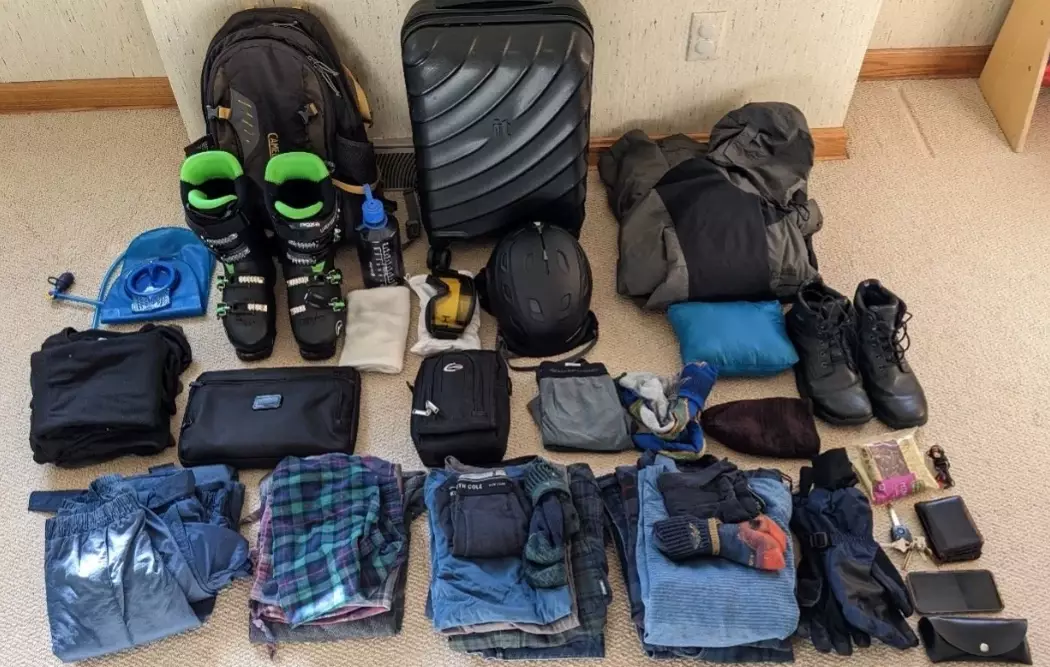
3. Clothing Drill: Practice putting on all the layers. Can they go to the bathroom without a full meltdown? If not, consider simpler base layers or suspender pants.
4. Set the Narrative: Talk about skiing as a fun adventure. Watch cheerful skiing videos. Avoid phrases like "don't be scared" or "you won't get hurt." Focus on the positive: "We're going to play in the snow on special shoes!"
What If My Child Is Afraid?
It happens. Pushing through tears creates a core memory of misery. The best tool you have is the ability to stop. Say, "It looks like you're all done with skiing for today. Let's go get some hot chocolate and watch the other skiers." Try again tomorrow for 15 minutes. Consistency in short, positive bursts beats one long, forced ordeal.
Your Questions, Answered
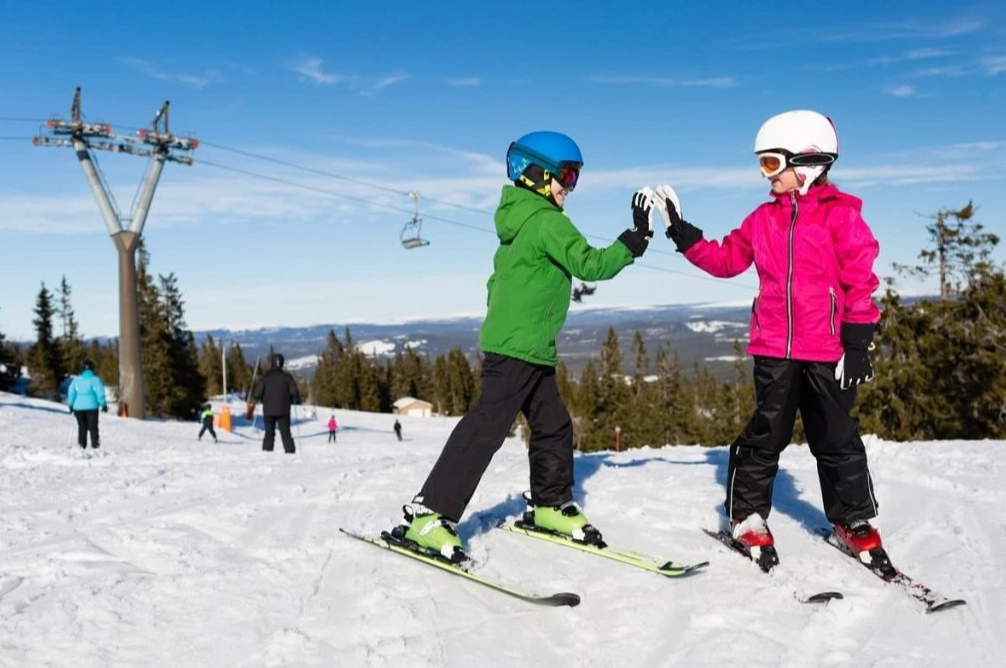 So, what's the best age? It's the age when your child shows signs of readiness and interest, and when you can commit to a patient, positive approach. Whether that's 4, 8, or 38, the mountain will be there. Start where you are, use the resources available, and focus on the joy of sliding on snow. That's the only metric that truly counts.